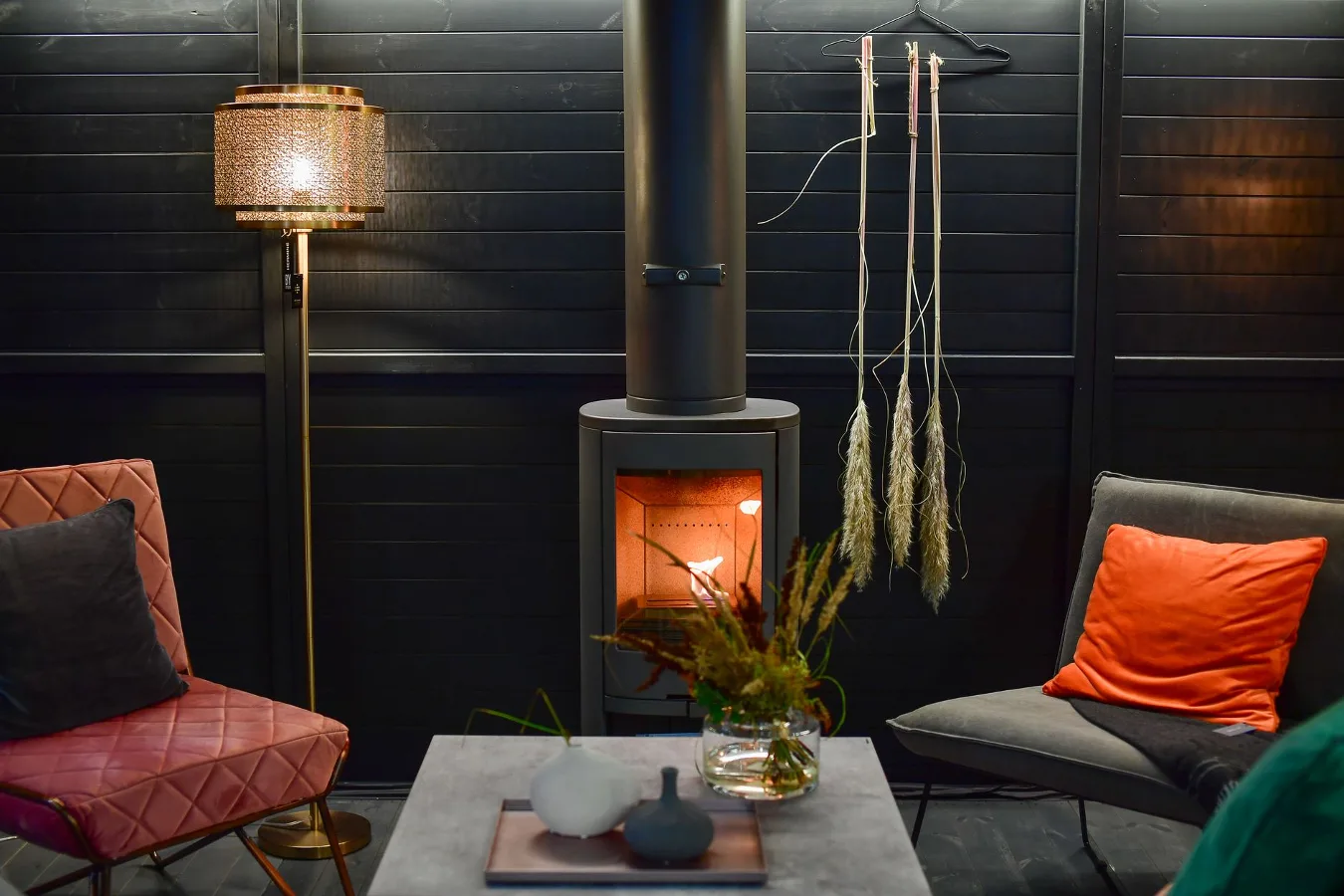
A gold floor lamp does more than fill a dark corner. In the right finish and shape, it can act as a visual anchor, soften a room, and help a space feel more intentional without requiring a full lighting overhaul. That is why shoppers often compare gold floor lamps not just by style, but by how well they fit the room, the furniture around them, and the kind of light they actually need.
This guide is designed as a practical buying resource for home decor shoppers in the United States. It explains the main types of gold floor lamps, the decisions that matter most, and the common trade-offs that are easy to miss when browsing product listings. If you are comparing options for a living room, bedroom, reading nook, home office, or apartment, the right choice usually comes down to scale, finish, light output, and how naturally the lamp fits the rest of the decor.
Explore Decor
Use these supporting guides to go deeper into specific questions, comparisons, and buying decisions.
- Vintage Floor Lamp Buying Guide
- Vintage Floor Lamps: How to Choose One
- Western Home Decor: A Practical Buying Guide
- Arched Floor Lamps: A Buying Guide
- Swing Arm Floor Lamp Buying Guide
- How to Choose a Floor Lamp with Gold
- How to Choose an Outdoor Floor Lamp
- MyShopify Home Decor Buying Guide
- Glass Tiffany Floor Lamps Buying Guide
- Turkish Floor Lamps: A Buying Guide
- Globe Floor Lamp Buying Guide
- Rustic Floor Lamps: A Practical Buying Guide
- Task Floor Lamp Buying Guide
- Joie Meow Cat Kitchen Timer Guide
- Bronze Floor Lamp Buying Guide
- Coastal Floor Lamps: A Practical Buying Guide
- Glass Floor Lamp Buying Guide
- Art Deco Home Decor: A Practical Guide
- Valentine’s Day Home Decor Ideas That Feel Fresh
- Western Decorations for Home: A Practical Guide
- Pink Home Decor Accessories: A Buying Guide
- Blue and White Home Decor Guide
- English Country Home Decor Guide
- Western Decor for Home: A Practical Style Guide
- Crochet Home Decor Buying Guide
- French Home Decor: A Practical Styling Guide
- Gothic Decor for Home: Styling Guide
- GardenWeb Home Decorating Conversations Guide
- Home Decor Books: How to Choose the Right Ones
- Home Theater Home Decor Ideas That Feel Cohesive
- Horse Home Decor: How to Style It Well
- Islamic Home Decor: A Practical Buyer’s Guide
- African Decoration for Home: A Practical Buyer Guide
- Home Theater Decorations That Feel Polished
- Masculine Home Decor: A Practical Guide
- Southwestern Home Decor Guide
- Sullivans Home Decor: What to Know Before Buying
- Wall Decor Ideas for a Home Gym
- Witchcraft Home Decor: A Practical Style Guide
- Cloth Decoration for Home: Practical Styling Guide
- Copper Home Decor: A Practical Buying Guide
- Equine Home Decor Buying Guide
- Garden Web Home Decorating Conversations
- Golf Home Decor Buying Guide
- Home Decorators Collection Ceiling Fans Guide
Why a gold floor lamp works so well in decor
Gold is popular because it reads as warm, reflective, and decorative without needing much explanation. In lighting, that matters. A gold floor lamp can blend with neutral interiors, complement wood tones, and add contrast against black, white, gray, navy, or cream rooms. It also tends to work across styles, from modern and transitional to glam, art deco-inspired, and more classic spaces.
The appeal is partly visual and partly practical. A floor lamp takes up less room than many side tables and can be placed where overhead lighting falls short. Gold finishes add a finished look that feels more deliberate than a purely functional utility lamp. For that reason, shoppers often use gold floor lamps as a compromise between utility and styling.
Gold floor lamp styles you will see most often
Not every gold floor lamp serves the same purpose. Understanding the broad categories makes it easier to narrow your options before comparing details like shades, switches, or base weight.
Arc floor lamps
Arc designs extend outward from the base, placing the light over a chair, sofa, or table without needing a side table beside it. They are often chosen for living rooms where the goal is to create a reading zone or illuminate a seating area from above. Because the arm reaches outward, arc lamps can visually soften a room with angular furniture.
Torchiere lamps
Torchiere styles direct light upward, which can help brighten a room more evenly. They are often used as ambient lighting rather than focused task lighting. If the goal is to add general brightness and a tall, slender silhouette, this style can be a strong candidate.
Tripod floor lamps
Tripod lamps usually have three legs and a more architectural presence. They can suit modern, Scandinavian, or casual interiors, especially when the gold finish is paired with a fabric or natural-texture shade. The visual footprint is often more decorative than a standard straight-post lamp.
Column and straight-post lamps
This is the simplest and most versatile style. A straight-post lamp with a round or drum shade can fit in many rooms without drawing too much attention. If you want the gold finish to feel refined rather than dramatic, this is often the easiest path.
Adjustable task lamps
Some floor lamps include adjustable arms or heads, which can make them more useful for reading, crafting, or desk-adjacent lighting. In gold finishes, these often lean more functional than decorative, but they are useful when control matters more than ornament.
How to choose a gold floor lamp: the decision framework
For most shoppers, the best gold floor lamp is the one that balances three things: appearance, function, and fit. A lamp can look beautiful online and still feel wrong in the room if it is too tall, too bright, too shiny, or too visually busy.
1. Start with the room’s lighting gap
Ask what the lamp needs to solve. Is the room missing soft ambient light? Do you want better reading light beside a chair? Are you trying to balance a dark corner? The answer changes the kind of lamp you should buy.
- For general atmosphere, consider a torchiere or shaded lamp that spreads light broadly.
- For reading, look for a directional lamp or a model with an adjustable head.
- For visual impact, an arc or tripod lamp may matter more than maximum brightness.
- For a subtle add-on, a simple post lamp with a neutral shade often works best.
2. Match the finish to the room, not the trend
“Gold” covers a wide range of looks. Some finishes are bright and reflective. Others are muted, brushed, antique, satin, or closer to brass. The finish you choose affects how bold the lamp feels and how easily it blends with other decor.
A brighter polished gold can become a focal point. A brushed or antique gold usually looks quieter and can be easier to live with in rooms that already have strong materials, such as marble, dark wood, leather, or patterned textiles. If your room includes several metal finishes, a more subdued gold often feels simpler to coordinate.
3. Check proportion before style
Scale is one of the most overlooked parts of lamp shopping. A lamp that looks elegant in a product photo may dominate a small room or disappear in a larger open-plan space. Consider the nearby furniture height, ceiling height, and the visual weight of the base and shade.
As a general design principle, the lamp should feel connected to the furniture next to it. A tall lamp beside a low chair can be useful, but a lamp that towers awkwardly over a compact arrangement may look out of place. Proportion matters just as much as finish.
4. Decide how much light control you need
Some lamps offer simple on-off control, while others include a dimmer, multiple brightness levels, or a flexible arm. If the lamp will be used for evening reading, streaming, or layered lighting in a shared room, more control is usually worth prioritizing.
Shade material also matters. A fabric shade can soften glare and feel warmer, while open or translucent designs may provide more direct light but less diffusion. There is no single best answer; the right choice depends on whether you want atmosphere or clarity.
5. Verify base stability and placement needs
Floor lamps are long vertical objects, so their stability deserves attention. A lamp with a heavy base usually feels more secure, especially in homes with children, pets, or narrow walkways. Arc lamps and tall lamps need particular attention because their reach and height can shift the center of gravity.
Measure the intended spot before buying. Some lamps need more clearance behind a sofa, while others require a small footprint but more vertical space. This simple check prevents a common problem: a lamp that technically fits, but only awkwardly.
Where a gold floor lamp fits best
One reason this category is so versatile is that it works in many rooms, but the use case should guide the style.
Living room
The living room is the most common setting for a gold floor lamp because layered lighting matters here. A gold finish can echo picture frames, coffee table accents, or hardware in the room. If the goal is to make the space feel more complete, a lamp beside a sofa or reading chair is often the most natural placement.
Bedroom
In bedrooms, a floor lamp can replace or supplement a bedside lamp when nightstands are small or already crowded. A softer shade and warm bulb are often better suited here than a bright open lamp. Gold finishes work especially well in rooms that lean calm, romantic, or hotel-inspired.
Home office
A home office can benefit from a gold floor lamp when overhead light feels flat or harsh. The best choice is usually one that offers directional light without creating screen glare. In this setting, function should lead style, but a refined metal finish can still improve the room.
Reading nook
For a reading corner, the lamp needs to do two jobs: support actual reading and create a comfortable atmosphere. Adjustable models, arc lamps, and some task lamps are better suited than decorative-only styles. Shade direction and bulb choice matter more here than in many other rooms.
Entryway or transitional space
A gold floor lamp can also work in an entryway or hallway corner where overhead light is insufficient. In those spaces, slimmer silhouettes tend to work best so the lamp does not obstruct movement or feel oversized.
How finish, shade, and bulb work together
Many shoppers focus on the gold frame and overlook the parts that actually determine how the lamp performs. The shade and bulb are not accessories; they are part of the lighting result.
Finish
The finish influences both style and maintenance. A polished finish can show fingerprints and smudges more easily, while brushed or matte finishes are often more forgiving. Antique or muted golds can help the lamp feel less flashy in rooms that already have a lot of visual texture.
Shade
Shade shape changes the light pattern. Drum shades tend to look modern and balanced. Cone or empire shapes may direct light differently and introduce a more traditional note. Fabric shades soften the look, while metal or open-frame designs can feel sharper and more contemporary.
Bulb
The bulb matters just as much as the fixture. A warm bulb generally suits most gold floor lamps because the finish already brings warmth into the room. If the lamp is meant for reading or task use, choose a bulb that provides enough clarity without feeling harsh. If the lamp is for atmosphere, softer light usually works better.
If the fixture is dimmer compatible, that adds flexibility. It allows one lamp to move between ambient light and more focused use depending on the time of day. This can be especially useful in multipurpose rooms.
Common styles and what they signal visually
Gold floor lamps are often chosen for their styling effect as much as their function. Small design details can change the mood of a room significantly.
- Minimal gold frame: feels clean, modern, and easy to blend into restrained interiors.
- Glam-inspired form: often uses a brighter finish, sculptural base, or decorative shade for a more polished statement.
- Mid-century influence: may pair gold with wood, tapered legs, or a more architectural silhouette.
- Traditional profile: often uses a classic shade and a more familiar shape that suits formal rooms.
- Industrial-leaning design: may combine gold with exposed hardware, darker accents, or a more utilitarian shape.
These labels are useful, but they are not rigid. A lamp can borrow from several styles at once, which is often what makes it easier to integrate into a lived-in home.
Practical buying checklist
Before choosing a gold floor lamp, it helps to check a few concrete points. This keeps the decision grounded in how the lamp will actually function in your home.
- Will the lamp solve an actual lighting gap in the room?
- Does the finish match the room’s other metals or intentionally contrast with them?
- Is the lamp the right height for the furniture it sits beside?
- Will the shade produce the kind of light you want?
- Is the base stable enough for the space where it will be used?
- Does the lamp need a dimmer, adjustable head, or simple on-off operation?
- Is there enough clearance for the lamp’s footprint and reach?
- Will the lamp still look balanced if the room layout changes slightly?
If the answer to most of these is yes, the lamp is more likely to work well long term, not just look appealing in a listing image.
Common mistakes shoppers make
Many gold floor lamp purchases go wrong for reasons that are easy to avoid.
Choosing finish before function
A lamp can look beautiful and still be wrong for the room if it does not provide the kind of light needed. If you need reading light, choose that first. Style should support the use case, not override it.
Ignoring the shade’s effect
The shade is often treated as a minor detail, but it has a strong influence on brightness, glare, and mood. A fashionable silhouette may not be comfortable in daily use if the light is too harsh or too dim.
Overlooking scale
Gold finishes can draw attention, which means a poorly scaled lamp stands out for the wrong reason. Be especially careful in small rooms, where even a slender lamp can feel large if the height or shade diameter is off.
Mixing too many finishes without a plan
Gold can mix beautifully with black, white, wood, chrome, or nickel, but the room needs some visual logic. If every metal finish in the room is highly reflective and competing for attention, the lamp may look accidental rather than intentional.
Buying decorative lighting for a task-heavy space
Some lamps are designed mainly as accents. That is fine in a hallway or formal sitting area, but less useful in a reading corner or work zone. Decide whether the lamp is there to decorate, illuminate, or do both.
How gold floor lamps compare with similar options
Shoppers often compare a gold floor lamp with table lamps, wall sconces, and other floor lamp finishes. The best choice depends on the room and what you want the light to accomplish.
Against table lamps
Floor lamps save surface space and can help if side tables are small or already full. Table lamps often feel cozier and may be easier to place on existing furniture, but they are not always possible in compact rooms.
Against wall sconces
Wall sconces can free up floor space and look polished, but they require installation and are less flexible if the room layout changes. A floor lamp is usually the easier option when you want versatility without permanent changes.
Against black or silver floor lamps
Gold usually feels warmer and more decorative. Black can feel sharper and more graphic. Silver or chrome may feel cooler or more contemporary. The right choice depends less on rules and more on the mood you want the room to carry.
Simple styling approaches that usually work
A gold floor lamp does not have to be the loudest piece in the room to look good. In many interiors, restraint is the better design move.
- Pair a brushed gold lamp with warm wood and textured fabric for an easy layered look.
- Use a brighter gold lamp as a deliberate accent in an otherwise quiet room.
- Let a slim gold lamp echo cabinet hardware, mirror frames, or accent tables for a connected feel.
- Place an arc lamp near a sofa to create a reading zone without adding another table.
- Use a shaded gold lamp in a bedroom for a softer, calmer effect.
The best styling usually feels coordinated rather than matched. A gold lamp can connect several elements in a room without needing every metal surface to be identical.
Care and maintenance considerations
Maintenance needs depend on the finish, the shade material, and the shape of the lamp. For most homes, the care routine is simple, but it should not be ignored.
Dusting the frame regularly helps preserve the finish and keeps the lamp looking intentional. Fabric shades may need occasional cleaning according to their material and construction. If the lamp has moving joints or adjustable parts, check them periodically so they remain secure.
For polished finishes, fingerprints and smudges may show more easily. That does not make them a bad choice; it simply means they reward a little more upkeep. If low-maintenance styling matters most, brushed or satin finishes may be more practical.
When a gold floor lamp is the right choice
A gold floor lamp is a smart pick when you want one or more of the following: extra light without installing fixtures, a warm metallic accent, a better reading corner, or a decorative element that makes a room feel more finished. It is especially useful in rooms where the lighting plan is incomplete or where the furniture layout does not leave room for another table lamp.
It may not be the best choice if you need very bright task lighting, if the room already has strong metallic accents that compete visually, or if the lamp would need to fit into a very tight footprint. In those situations, a different finish, a wall-mounted option, or a more functional lamp style may be a better fit.
Gold floor lamp checklist before you buy
- Confirm the lamp’s main purpose: ambient, task, or accent lighting.
- Choose a finish that suits the room’s tone: polished, brushed, satin, or antique.
- Check height and footprint against the furniture and available space.
- Review shade style for glare control and light spread.
- Look for stability, especially with taller or arched designs.
- Consider dimming or adjustability if the room has multiple uses.
- Decide whether the lamp should blend in or stand out.
- Think about maintenance based on finish and shade material.
FAQ
What rooms work best for a gold floor lamp?
Living rooms, bedrooms, home offices, and reading corners are the most common fits. The best room depends on whether you need ambient light, task lighting, or a decorative accent.
Is a gold floor lamp the same as a brass floor lamp?
Not always. Brass is a material or a finish reference, while gold can describe a wider range of tones and coatings. In shopping listings, the terms are sometimes used loosely, so it helps to inspect the finish closely.
Should I choose a shiny or brushed gold finish?
Shiny finishes make more of a statement, while brushed or satin finishes usually feel softer and are easier to blend into everyday decor. The better choice depends on how much attention you want the lamp to draw.
What shade style is best for everyday use?
A fabric shade is often the easiest choice for soft, comfortable light. If the lamp is meant for reading or task work, a more directional design may be better.
How do I keep a gold floor lamp from looking too trendy?
Choose a balanced shape, a finish with some subtlety, and a lamp that solves a real lighting need. A well-proportioned lamp with a practical purpose tends to age better than a decorative piece chosen only for its color.
A gold floor lamp is at its best when it feels deliberate: useful enough for daily life, styled enough to elevate the room, and proportioned well enough to belong there. That balance is what turns a simple lighting purchase into a dependable part of the decor plan.