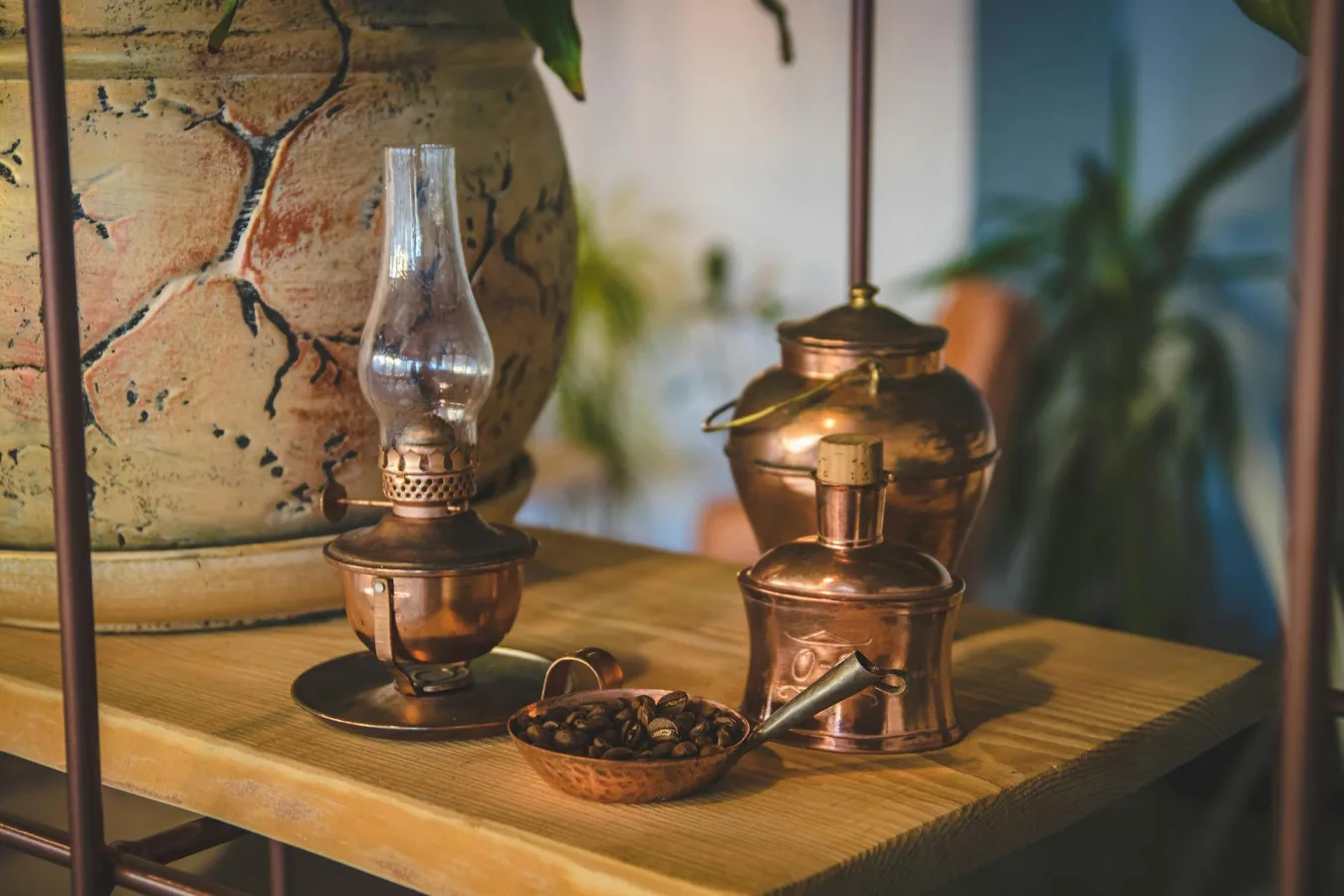
When copper home decor makes sense
Copper home decor works best when a room needs warmth, texture, or a small amount of shine that feels more inviting than chrome or stainless steel. Its appeal is less about decoration for decoration’s sake and more about how the metal changes the mood of a space. Copper can soften a room with a lot of gray, black, white, or glass, and it often fits comfortably in modern farmhouse, industrial, transitional, vintage-inspired, and eclectic interiors. cloth decoration for home offers more detail on this point. guide to home theater decorations offers more detail on this point.
It is also a strong choice if you want a metallic accent that does not look overly formal. Copper usually reads as warmer and more approachable than silver-toned finishes, and that makes it useful in living rooms, kitchens, dining spaces, entryways, and even bedrooms when used in moderation.
The main trade-off is maintenance and finish behavior. Some copper pieces are sealed to keep their original color, while others are designed to age and develop patina. That difference matters more than many shoppers expect, because the look you love at purchase may change over time.
Choose the right copper look before you buy
The fastest way to avoid disappointment is to decide what kind of copper finish you actually want. Copper decor is not one look; it includes polished, brushed, antiqued, hammered, lacquered, and patina-forward styles. Each one changes how the piece reads in a room.
Polished copper
Polished copper has the brightest reflection and the strongest visual impact. It suits spaces where you want a crisp accent, but it can also show fingerprints, smudges, and surface changes more easily than muted finishes. This is often the right choice for decorative objects you plan to place intentionally rather than handle constantly.
Brushed or satin copper
Brushed copper tends to feel softer and more forgiving. It still adds warmth, but without the mirror-like intensity of polished metal. If you want copper decor that blends into the room instead of dominating it, this is often the easiest finish to live with.
Antiqued or aged copper
Antiqued copper gives a more collected, layered look. It can work especially well in rooms with wood, stone, leather, or other natural textures. One practical nuance: an antiqued finish may look intentional and dimensional, while real aging on unsealed copper can be uneven. Those are not the same thing, and shoppers sometimes confuse them.
Patina-forward copper
Some buyers are drawn to the evolving character of copper itself. Over time, copper can darken and shift in tone, which many people love for the lived-in quality it creates. The limitation is simple: if you want a consistent bright finish, copper that develops patina may not be the best fit unless it is sealed.
Step-by-step criteria for choosing copper decor
Instead of choosing only by appearance, use a few practical criteria to narrow the field. That approach helps you buy pieces that fit your room now and still work later if the rest of the decor changes.
1. Decide where the piece will live
Placement determines nearly everything. A copper vase on a mantel has different needs from a copper tray on an entry table or copper wall art in a hallway. Pieces in high-touch areas should be easier to clean and less likely to show wear. Decorative objects on shelves can be more delicate because they are handled less often.
2. Match the scale to the room
Copper has strong visual presence, so scale matters. A small copper accent can get lost in a large open room, while a large reflective piece can feel overpowering in a compact space. As a rule, use larger statement pieces sparingly and let smaller copper accents do the supporting work around them.
3. Think about surrounding materials
Copper pairs especially well with wood, marble, travertine, concrete, leather, linen, and matte-painted surfaces. Those combinations create balance because copper adds sheen while the other materials bring softness, texture, or weight. If a room already includes several glossy finishes, copper may tip it toward visual busyness.
4. Consider the finish you can maintain
Maintenance is often the overlooked consideration. A bright copper object can look beautiful in a staged photo, but it may not suit a household that wants low-effort decor. If you prefer simplicity, look for sealed pieces or finishes that are meant to be wiped clean rather than polished regularly.
5. Decide whether you want a statement or a support piece
Some copper decor is meant to be noticed immediately, such as a large wall piece or sculptural vase. Other pieces are meant to quietly tie a room together, like a small bowl, frame, or candleholder. Knowing which role the item should play will help you choose the right shape, sheen, and size.
Best ways to use copper in different rooms
Copper can be adapted to many rooms, but the most effective uses are usually the simplest. A few thoughtful accents often look better than a room full of copper objects competing for attention.
Living room
In a living room, copper works well as a warm counterpoint to neutral upholstery and darker furniture. Think in terms of layering: a copper lamp base, a decorative bowl, a framed art detail, or a pair of candleholders can add cohesion without making the room feel themed. Copper also helps living rooms feel more finished when the palette leans cool.
Kitchen
Copper in kitchens can be practical as well as decorative, but the best results come from restraint. Decorative cookware, utensil holders, canisters, or a copper fruit bowl can bring warmth to a kitchen with white cabinets or stone counters. The drawback is upkeep, especially if the item is exposed to moisture or frequent handling. If you want the look without the care demands, choose pieces that are decorative rather than everyday tools.
Dining room
Copper feels at home in dining rooms because it naturally complements tabletop styling. Candleholders, centerpieces, serving accessories, and pendant lighting can all work well. The most common mistake here is overmatching every metal element. A few copper details are usually enough; too many can make the space feel one-note.
Bedroom
In bedrooms, copper is best used sparingly. A lamp, mirror detail, or small decorative object can add warmth without disrupting the restful feel of the room. Brushed or muted copper tends to work better than highly polished finishes in this setting. this gold lamp floor guide offers more detail on this point.
Entryway
An entryway is a strong place for copper because it creates a welcoming first impression. A tray, mirror frame, bowl, or small sculpture can make the space feel considered. Since entry tables are often functional drop zones, choose pieces that are stable and easy to clean.
Examples of copper home decor that usually work well
Some copper items tend to be more flexible than others because they combine visual appeal with easy placement. These are often the safest starting points if you are new to the material.
- Copper vases: Good for shelves, consoles, and dining tables, especially when styled with simple greenery or dried stems.
- Copper candleholders: Useful for adding height and a warm glow without requiring a large commitment.
- Copper trays: Helpful for organizing smaller decor items and making surfaces look intentional.
- Copper picture frames: A subtle way to introduce the finish into gallery walls or mantel displays.
- Copper wall art or sculptural pieces: Better for larger rooms or areas that need a focal point.
- Copper lamps or lamp bases: Strong choice when you want the metal to feel integrated rather than added on.
- Copper bowls and catchalls: Simple, versatile, and easy to style on coffee tables or consoles.
There is a useful distinction here: decorative copper objects often work better than copper items that must withstand constant use. If you want long-term ease, start with accents that are not touched repeatedly.
How to style copper without overdoing it
Copper is most effective as an accent, not a default finish everywhere. Too much of it can flatten the room or make the decor feel overly coordinated. A better approach is to repeat copper in small, distributed touches so it reads as part of the overall design rather than a separate theme.
One reliable method is to echo copper three times in a room at different heights. For example, you might use a lamp, a tray, and a candleholder. That creates visual rhythm without turning the space into a metallic display.
Another practical styling idea is to balance copper with matte and organic materials. Linen, wool, unfinished wood, ceramic, and stone all help keep the finish grounded. If the room already has mirrors, glass, or other reflective surfaces, copper should usually stay secondary.
Color matters too. Copper looks especially strong next to deep green, navy, charcoal, cream, terracotta, and warm white. It can also work in monochrome rooms, where it becomes the main source of warmth. In very bright rooms with cool daylight, copper may look more orange; in lower light, it may appear deeper and richer. That shift is natural, so it is worth viewing the piece in the room where it will live if possible.
Common mistakes to avoid
People often think the biggest risk with copper decor is choosing the wrong style. In practice, the more common problems are about balance, finish, and maintenance expectations.
- Buying without checking the finish: Sealed, lacquered, brushed, and raw copper behave differently over time.
- Using too many reflective accents: Copper works best when it has room to breathe.
- Ignoring upkeep: Some pieces need more regular care than shoppers expect.
- Mixing metals without a plan: Copper can work with brass, black, nickel, and stainless steel, but the combination should feel intentional.
- Choosing the wrong scale: Small copper objects can disappear; oversized ones can overwhelm a room.
- Prioritizing trend over fit: A piece should suit your room’s materials and color palette, not just look appealing online.
A common misconception is that copper always means rustic or farmhouse. That is only one possibility. Depending on finish and shape, copper can look modern, sculptural, industrial, classic, or even minimalist.
Alternatives if copper is not the right fit
If you like the warmth of copper but are not convinced it belongs in your space, there are close alternatives worth considering. Brass offers a golden warmth that often reads a little brighter and more traditional. Bronze feels deeper and quieter, which can be useful in moody or formal rooms. Blackened metal gives contrast without shine, while wood and ceramic can supply warmth with less maintenance.
For some interiors, the best solution is not replacing copper with another metal but using copper in a very limited way. A single tray or vase may deliver the effect you want without forcing the room toward a metallic palette.
A simple checklist before you buy
Use this quick checklist to judge whether a copper piece is likely to work in your space:
- Does the finish match the amount of shine you want?
- Will the piece be easy to clean in its intended location?
- Is the scale appropriate for the room and surface?
- Does it coordinate with the wood, fabric, stone, or paint nearby?
- Do you want a piece that stays bright or develops patina?
- Is it a statement item or a supporting accent?
- Can you realistically maintain it the way it needs?
If you can answer those questions clearly, the chance of choosing copper decor that still feels right after the novelty fades is much higher.
What copper home decor does best
At its best, copper home decor adds warmth, contrast, and a sense of character that many other finishes cannot replicate. It is especially effective in rooms that need a small amount of visual richness without heavier ornamentation. The key is to treat copper as a finishing touch with a specific role rather than a universal answer for every surface.
That mindset leads to better choices: cleaner lines, more appropriate finishes, less maintenance frustration, and a room that feels layered instead of overdecorated. If you start with placement, finish, and upkeep, copper becomes easier to use well and much easier to live with.