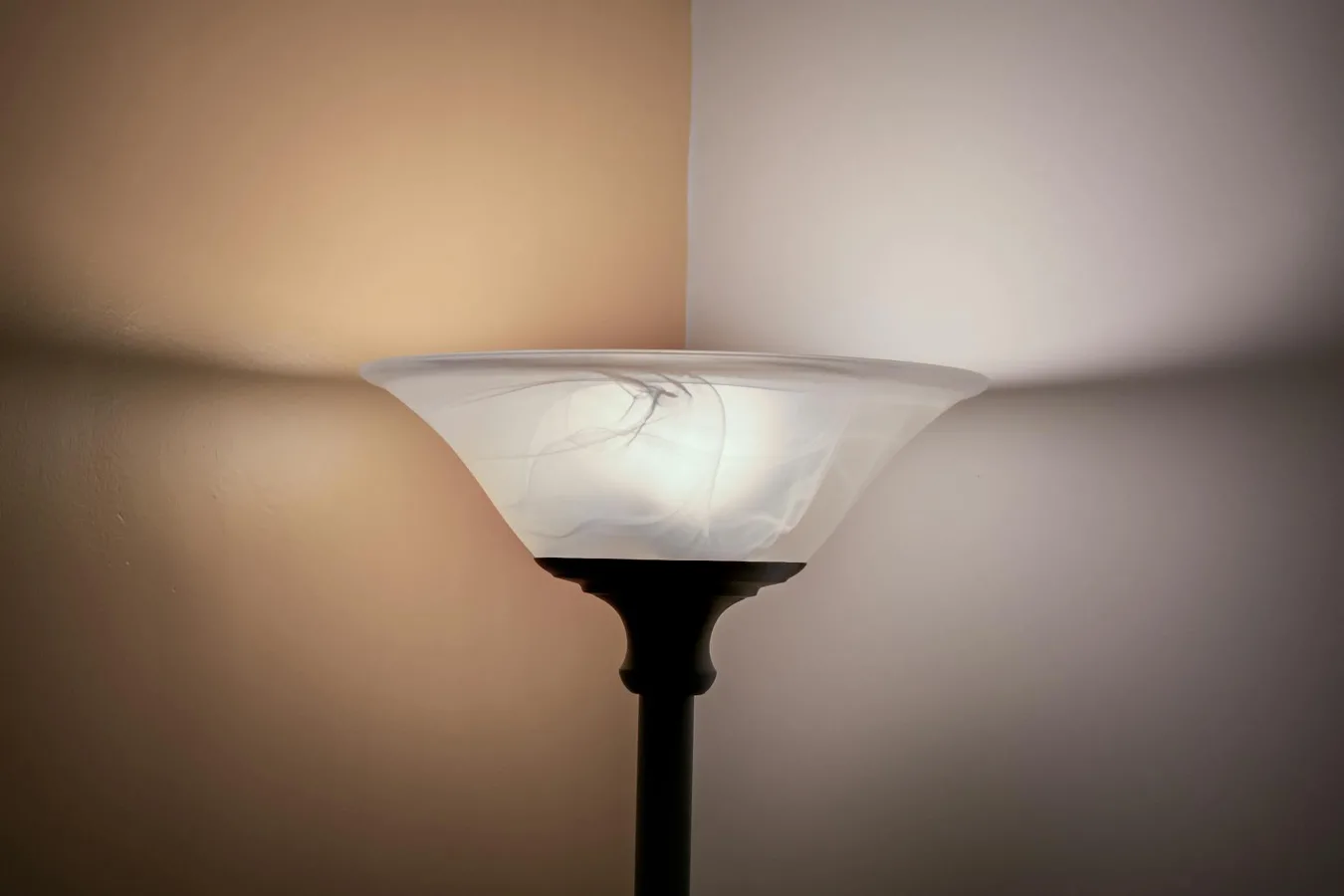
When a bronze floor lamp makes sense
A bronze floor lamp is a strong choice when you want lighting that feels warmer and more finished than black, but less reflective than brass or gold. The finish works well in traditional, transitional, industrial, and many modern rooms because it adds depth without demanding attention. task floor lamp offers more detail on this point.
It is especially useful when a room needs one of three things: a reading light next to a chair, softer ambient light in a living area, or a decorative anchor in a corner that feels empty. Bronze tends to pair well with wood furniture, neutral upholstery, leather, and textured fabrics, which makes it flexible in U.S. homes where room styles often mix.
That flexibility is also the main reason people choose it. A bronze floor lamp can look understated in one setting and more classic in another, depending on the lamp’s silhouette, shade, and finish. The finish alone does not determine the look; the shape matters just as much. choosing the right lamp shade shape offers more detail on this point.
If you are shopping for one, the real question is not only whether bronze is attractive. It is whether the lamp fits the way the room is used, the amount of light you need, and the other finishes already in the space.
Step 1: Decide what job the lamp needs to do
Before comparing styles, decide what you want the lamp to accomplish. This prevents a common mistake: buying a lamp for its appearance and later discovering it does not provide useful light where you need it.
For reading or focused tasks
If the lamp will sit beside a chair or sofa, prioritize adjustability and shade direction. A lamp with an adjustable arm or a targeted shade often works better than a purely decorative design. The best choice depends on whether you want a narrow beam for reading or a softer spread for general use.
For ambient room light
If your goal is to brighten a corner or complement overhead lighting, a torchiere-style or uplight design can work well. These models tend to send light upward and can help a room feel less stark, especially in the evening. They are not always the best option for reading, though, because the light is less direct.
For style first, utility second
Some bronze floor lamps are chosen mainly as decor. That is fine, but the trade-off is obvious: a more sculptural lamp may be less flexible for everyday lighting. If the lamp will be visible from several angles, look at the base, stem, and shade together, not just the finish color.
Step 2: Understand bronze finishes before you compare lamps
“Bronze” is a broad term, and it is often used loosely in product listings. The finish may appear darker, warmer, more matte, or more textured depending on the manufacturer. That variation matters because it affects how the lamp reads in your room.
Here is the practical nuance many shoppers overlook: bronze does not always mean the same visual temperature. Some versions lean nearly black, while others have a richer brown or coppery tone. If your room already has dark furniture, a very deep bronze lamp may blend in more than you expect. In a lighter room, the same lamp may look refined and grounded.
Bronze finishes also interact differently with other metals. A bronze lamp can sit comfortably with black hardware, aged brass accents, matte nickel, or mixed-metal decor if the rest of the room is intentionally layered. If your home uses one dominant finish, such as polished chrome, choose carefully so the lamp feels deliberate rather than accidental. how to match lamp finishes with hardware offers more detail on this point.
Step 3: Match lamp style to room style
The right bronze floor lamp should feel like part of the room, not a separate object dropped into it. Shape is the fastest way to create that connection.
Traditional rooms
Look for turned details, pleated shades, or classic silhouettes. These lamps often work well beside upholstered chairs, bookshelves, and wood tables. A bronze finish helps them feel grounded and less ornate than a lighter metallic finish might.
Modern and minimalist rooms
Choose clean lines, simple bases, and a restrained shade. In modern spaces, bronze works best when the lamp is visually quiet and relies on proportion rather than decoration. A streamlined arc lamp or slender tripod base can suit this setting.
Industrial or loft-style rooms
Bronze pairs naturally with exposed wood, leather, concrete, and black accents. A lamp with visible joints, simple hardware, or a more utilitarian profile can feel intentional here. The key is avoiding overly ornate details that fight the room’s character.
Casual and transitional spaces
This is where bronze floor lamps are most versatile. Transitional rooms can support a wider range of shades, from drum to empire, because the style is already balancing classic and contemporary elements. If you are unsure, this is the safest design territory.
Step 4: Check scale before you buy
Scale is one of the easiest things to get wrong with a floor lamp, especially online. A lamp that looks balanced in a product photo may appear too short beside a tall sectional or too visually heavy in a small room.
Think about three parts of scale: overall height, base footprint, and shade proportion. A taller lamp can help fill vertical space near a sofa or reading chair. A compact base matters in tight walkways or crowded rooms. Shade size affects how much visual weight the lamp carries and how much light it spreads.
A useful rule of thumb is to compare the lamp to nearby furniture rather than to the room in isolation. A lamp next to a low accent chair can look oversized if the shade is too large or the stem is too thick. In a room with high ceilings, a very slim lamp may disappear unless it has enough presence to hold its own.
Also consider sightlines. If the lamp will sit near a sofa or console, make sure the shade does not block conversation or clutter the view across the room.
Step 5: Choose the right shade and light quality
The shade affects both style and function. This is where many bronze floor lamps differ more than buyers realize.
Light-colored shades usually diffuse light more gently, which can help soften a room. Darker shades can create a moodier effect, but they may reduce brightness and are not ideal if you need the lamp to function as a reading light. Linen, fabric, and paper shades all change the feel of the lamp, while metal shades usually direct light more precisely.
Shade shape matters too. Drum shades feel current and work in many interiors. Empire shades lean more classic. Cone or directional shades can be better for task lighting. If the lamp will be used in the evening as supplemental light, think about whether you want the light to wash the room or stay concentrated.
One common misconception is that a bronze lamp automatically gives warm light. The finish may look warm, but the bulb and shade determine the actual light output and color. A bronze finish can look elegant under soft white lighting or more dramatic under brighter, cooler light, so choose the bulb temperature with the room in mind.
Step 6: Evaluate placement and daily use
Placement is not just a styling decision. It determines whether the lamp improves the room or becomes an obstacle.
Place a bronze floor lamp where it can work with existing light sources. For a reading nook, position it so the light falls over your shoulder rather than directly into your eyes. For a living room corner, use it to balance darker furniture or to visually fill dead space. For bedrooms, make sure the base does not interfere with walking paths or furniture clearance.
Think about cords and outlets early. A lamp that seems perfect on paper may be awkward if the cord has to cross a walkway or stretch behind bulky furniture. This is a real-world constraint that often gets overlooked until after the lamp arrives.
If the lamp will be used often, check ease of use. Reachable switches, stable bases, and straightforward bulb access matter more than decorative details you see once and forget. A beautiful lamp that is annoying to operate tends to become background decor instead of useful lighting.
Common mistakes to avoid
- Choosing finish before function and ending up with weak task lighting.
- Picking a lamp that is too small for the furniture around it.
- Ignoring the shade, which can change the entire look and light output.
- Assuming all bronze finishes look the same in person.
- Forgetting about cord placement, outlet access, and walking space.
- Mixing too many metallic finishes without a clear visual plan.
Another mistake is treating bronze as only a traditional finish. In the right silhouette, it can look modern, relaxed, or even slightly architectural. The lamp style determines whether the finish reads classic or contemporary.
Bronze floor lamp examples by use case
Different rooms call for different priorities. These examples can help narrow your search.
Living room
A bronze floor lamp with a fabric shade often works well beside a sofa or armchair because it softens the space and adds height. If the room already has strong statement furniture, choose a simpler lamp to avoid visual clutter.
Bedroom
In bedrooms, the best bronze floor lamps are usually calm and low-fuss. Look for a design that offers enough light for reading without feeling harsh. A quieter silhouette tends to fit better than a highly sculptural one.
Home office
For a work area, prioritize directed light and practical placement. A bronze floor lamp can warm up an office with lots of screens or hard surfaces, but it should not create glare or compete with desk lighting.
Entryway or corner accent
If the lamp is mostly decorative, concentrate on proportion and visual balance. A bronze finish can help a corner feel intentional, especially alongside art, mirrors, or a console table.
Checklist before you add one to cart
- What job will the lamp do: reading, ambient light, or decoration?
- Does the lamp height suit the furniture next to it?
- Is the bronze finish warm, dark, matte, or slightly reflective?
- Does the shade shape match the room style?
- Will the base fit the available floor space?
- Is the lamp easy to switch on and maintain?
- Will the cord placement work in the intended spot?
- Does it coordinate with existing metal finishes and wood tones?
If you can answer those questions confidently, you are much less likely to end up with a lamp that looks good in a listing but feels wrong at home.
Alternatives to consider if bronze is not the best fit
Bronze is versatile, but it is not always the best answer. If your room has a very crisp, modern look, matte black may blend more naturally. If you want a brighter, more decorative metallic accent, brass or gold may bring more visual energy. For a softer or coastal feel, painted wood or neutral finishes may work better than metal altogether.
Another option is mixing finishes intentionally. A bronze floor lamp can sit comfortably in a room with black accents, natural wood, and warm textiles. The room just needs a clear visual logic, so the mix feels layered rather than random.
Frequently asked questions
What rooms work best with a bronze floor lamp?
Bronze floor lamps work well in living rooms, bedrooms, reading corners, and home offices. They are especially effective in rooms with warm wood tones, neutral fabrics, and mixed-metal accents.
Is bronze better than black for a floor lamp?
Neither is universally better. Bronze usually feels warmer and a little softer, while black looks sharper and more minimal. The better choice depends on the room style and how much visual contrast you want.
What kind of shade goes best with bronze?
Fabric shades are the most versatile because they soften the look and diffuse light. Drum shades suit many modern and transitional spaces, while more classic shapes work well in traditional rooms.
How do I keep a bronze lamp from looking too dark?
Balance it with lighter textiles, a lighter shade, or nearby finishes that reflect a bit of light. Placement matters too. A bronze lamp often reads better when it has some visual breathing room.
Can I mix a bronze floor lamp with other metals?
Yes, if the mix is intentional. Bronze often pairs well with black, brass, nickel, and wood, but the room should share a common tone or style so the finishes feel coordinated.
A practical way to narrow the choice
If you only remember one thing, make it this: choose the lamp by function first, then by finish, then by silhouette. Bronze is a forgiving finish, which makes it a strong option for many homes, but the most successful choice is the one that fits the room’s scale, lighting needs, and existing decor.
That is why a good bronze floor lamp feels less like a single accessory and more like part of the room’s structure. It can add warmth, fill awkward space, and support the way the room is used every day. The best one does all three without asking for attention.