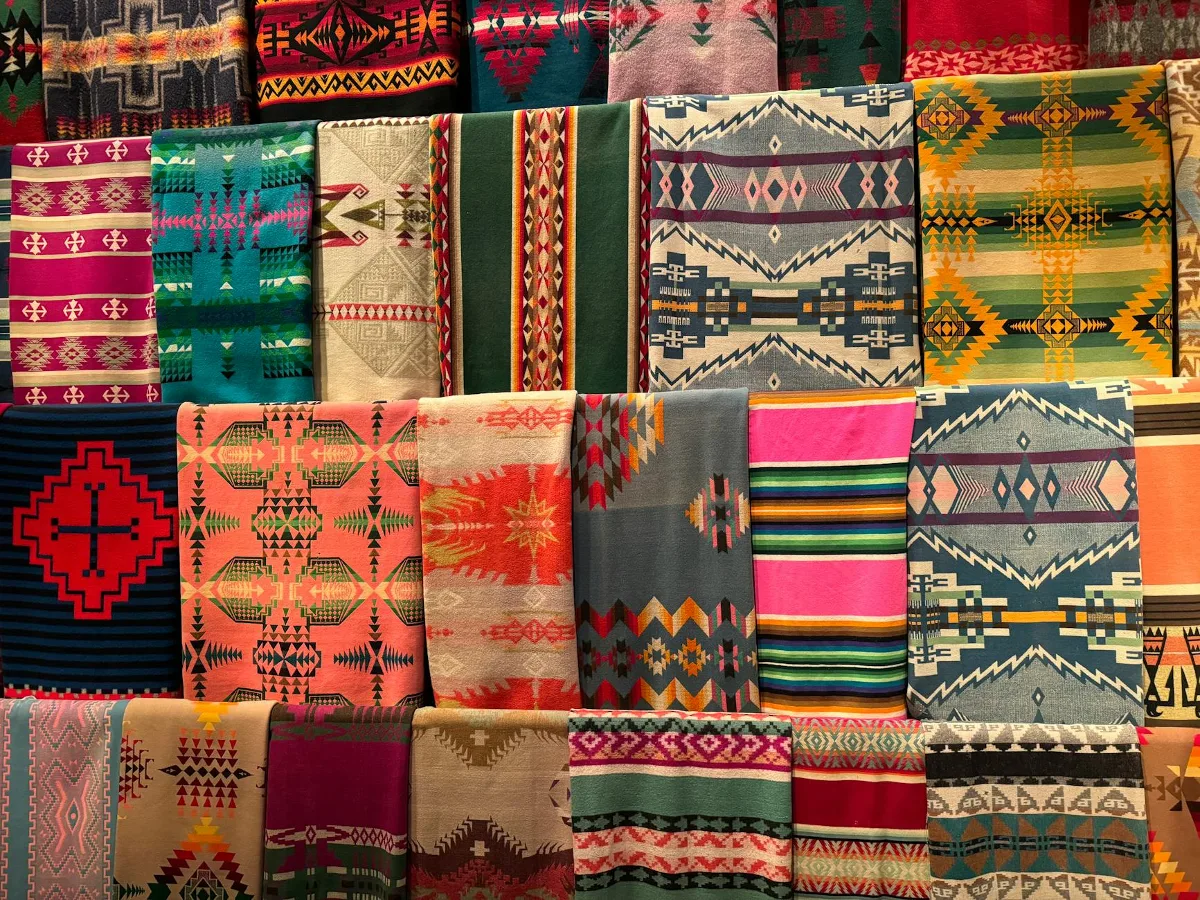
Quick answer: what southwestern home decor is
Southwestern home decor is a warm, texture-rich style inspired by desert landscapes, adobe architecture, regional craft traditions, and earthy natural materials. In practice, that usually means a mix of sand, clay, rust, cream, brown, and charcoal tones, along with woven textiles, weathered wood, leather, pottery, and geometric or tribal-inspired pattern. how to mix natural textures at home offers more detail on this point. masculine home decor offers more detail on this point.
The style works best when it feels grounded rather than themed. A room does not need cactus prints, wagon-wheel motifs, or heavy rustic furniture to read as Southwestern. A more modern approach often looks better: a restrained palette, a few strong textures, and patterns used with care. That balance is especially helpful in American homes where you may want warmth without making a space feel overly stylized.
If you are trying to decorate in this style, the main decision is not whether to add Southwestern details. It is how much pattern, color, and rustic texture your room can handle before it starts to feel busy.
What defines the Southwestern look
The most recognizable Southwestern interiors borrow from the colors and materials of the American Southwest. Think sunbaked earth, clay tile, canyon stone, woven blankets, aged timber, and matte metal finishes. The result is often cozy, tactile, and slightly organic, with a stronger sense of place than a purely neutral style.
Several elements tend to show up again and again:
- Earth-tone color such as terracotta, tan, sand, ochre, muted turquoise, brick red, and warm brown.
- Natural materials like wood, leather, wool, cotton, clay, iron, and stone.
- Pattern that often uses geometric forms, zigzags, stripes, diamonds, or stepped motifs.
- Handcrafted feel through pottery, woven baskets, hand-loomed textiles, and imperfect finishes.
- Desert influence seen in dry, sun-warmed surfaces rather than glossy or highly polished ones.
A common misconception is that Southwestern decor must be rustic or heavy. In reality, it can be light and tailored. A room with pale walls, one patterned rug, a leather chair, and a few clay vessels can still feel unmistakably Southwestern without looking like a lodge.
How to build the style without overdoing it
The easiest way to approach Southwestern home decor is to start with a neutral base and layer in color and texture gradually. That keeps the room flexible and helps the style feel lived-in rather than staged.
1. Choose a grounded palette
Start with a base of warm neutrals such as ivory, beige, oatmeal, putty, or soft taupe. Then add one or two stronger accents. Terracotta and rust are the most straightforward choices, while muted turquoise or deep denim blue can bring contrast without breaking the mood.
A useful rule is to let the room breathe. If the rug is bold, keep the pillows quieter. If the walls are warm and textured, use simpler upholstery. Southwestern style usually looks strongest when color and pattern are distributed, not stacked all in one place.
2. Focus on texture before trend pieces
Texture does much of the work in this style. A woven throw, a nubby wool rug, a carved wood stool, or a matte ceramic lamp can contribute more to the overall feel than a room full of themed accessories. Gold Floor Lamp Buying Guide offers more detail on this point.
This is one of the most overlooked considerations in Southwestern decorating: texture can carry the style even when the palette stays fairly neutral. That matters in open-plan homes, apartments, or smaller rooms where too much pattern can feel crowded.
3. Use pattern as an accent, not a blanket
Southwestern patterns are distinctive, which is exactly why restraint helps. One patterned area rug, a pair of pillows, or a single upholstered chair is often enough. You can repeat the motif in smaller doses, but avoid scattering several competing prints throughout the same view.
If you like the look but want a softer version, choose patterns with more open space, faded coloration, or larger-scale geometry. That keeps the design from feeling too literal.
4. Mix rustic and refined pieces
The style usually works best when rustic materials are balanced with cleaner lines. For example, a simple sofa can sit comfortably with a handwoven throw and a weathered coffee table. A modern dining table can feel more connected to the Southwestern look when paired with clay vessels or leather seating.
This mix also helps with longevity. Pieces that are too themed can feel dated quickly, while a more edited room can evolve with changing tastes.
Comparison: what works well in Southwestern decor and what can feel off
| Works well | Why it fits | Common pitfall |
|---|---|---|
| Terracotta, sand, cream, rust | These tones reflect the warm desert palette | Using too many saturated colors at once |
| Wool, cotton, leather, wood, clay | They add tactile depth and a handmade feel | Choosing shiny or overly synthetic finishes everywhere |
| Geometric or tribal-inspired pattern | These motifs connect to the style’s visual language | Layering too many competing prints |
| Matte metals and aged finishes | They feel grounded and less formal | Highly polished metals can look disconnected |
| Simple furniture with a few rustic accents | It keeps the room current and usable | Overloading the space with themed decor |
The comparison that matters most is not rustic versus modern. It is restrained versus crowded. A restrained room gives Southwestern materials room to stand out. A crowded room turns the style into a collection of motifs instead of a cohesive interior.
Where Southwestern decor works best
This style is especially useful in rooms that benefit from warmth and visual texture. Living rooms, entryways, bedrooms, and dining areas often respond well because they can handle layered fabrics, pottery, wall art, and natural materials without feeling cluttered.
That said, not every room needs the same treatment:
- Living room: Best for rugs, throws, accent chairs, and art. Keep the main seating comfortable and let one or two statement pieces set the tone.
- Bedroom: Use a quieter version with warm bedding, textured pillows, and a wood or leather headboard if appropriate.
- Entryway: A runner, mirror, basket, and pottery can create a strong first impression without much furniture.
- Dining area: Wood surfaces, woven seating, and simple ceramics work well here.
- Bathroom: Use the style sparingly through towels, mats, framed art, and natural finishes rather than heavy pattern.
An important practical nuance: Southwestern decor can compete with strong architectural features. If your home already has dark beams, busy tile, or very warm wood floors, you may need to simplify the palette so the space does not feel visually overloaded.
Materials and finishes to look for
Material choice makes a bigger difference than many shoppers expect. Even a simple object can feel on-theme if the surface, weight, and finish are right.
- Wood: Look for natural grain, aged finishes, or lightly distressed surfaces rather than high-gloss stains.
- Leather: Adds warmth and age gracefully, but it should be balanced with softer textiles so the room does not feel severe.
- Ceramic and pottery: Matte or hand-finished pieces often fit better than shiny decorative vessels.
- Textiles: Wool, cotton, and woven blends help create the layered feel associated with the style.
- Metal: Iron, bronze, or aged brass can work well when used sparingly.
One real-world constraint to keep in mind is maintenance. Textured fabrics, natural fiber rugs, and handmade-looking surfaces can be beautiful, but they may show wear, dust, or stains more easily than smooth, modern finishes. If you have pets, children, or a high-traffic household, choose materials that deliver the style without creating unnecessary upkeep.
Common mistakes to avoid
Southwestern home decor is easy to overshoot because the style has such a clear identity. The most effective rooms usually avoid these mistakes:
- Over-theming the space: Too many cactus, skull, or wagon-wheel references can make a room feel staged rather than designed.
- Using only one note: A room made entirely of terracotta and brown can feel flat. Add cream, charcoal, or muted blue for contrast.
- Ignoring scale: Large patterned textiles need breathing room. Small rooms usually need fewer big gestures.
- Choosing decor without texture: If everything is smooth and mass-produced, the room loses the handcrafted quality that makes the style work.
- Mixing too many regional styles: Southwestern, boho, farmhouse, and rustic can overlap, but they are not interchangeable. Too much mixing can blur the result.
A subtle mistake is assuming every Southwestern room must look vintage. Fresh, updated pieces often work better, especially if you want the style to fit a contemporary home. You can honor the palette and materials without recreating a historical set.
How to shop for Southwestern-style pieces
When shopping, look beyond the label and examine the shape, texture, and finish. A pillow described as Southwestern is not automatically a good fit. The better question is whether it contributes to a grounded, layered room.
Use this filter:
- Does it support the palette you already have?
- Does it add texture, pattern, or material contrast?
- Will it still make sense if you change one or two surrounding pieces?
- Can it work in more than one room if your style evolves?
This approach helps avoid impulse purchases that depend on matching accessories. Pieces with some flexibility, such as a woven throw, ceramic lamp, or wood accent table, usually have more long-term value than novelty decor.
Practical alternatives if you want a softer version
Not every home needs a full Southwestern look. If you prefer a lighter approach, you can borrow the style in smaller ways:
- Use terracotta or sand tones alongside white walls.
- Add one patterned rug instead of several patterned textiles.
- Choose a single carved wood or leather accent piece.
- Display pottery or woven baskets as functional decor.
- Combine desert-inspired colors with modern furniture silhouettes.
This softer version is often the best fit for renters, minimalists, or anyone who wants warmth without visual density. It also makes it easier to transition the room over time if your preferences change.
FAQ
What colors are best for Southwestern home decor?
Earthy colors work best: terracotta, rust, sand, cream, brown, warm beige, muted turquoise, and charcoal. The style usually feels more authentic when the palette looks sun-warmed rather than bright or glossy.
Can Southwestern decor work in a modern home?
Yes. In fact, it often looks best when paired with simple furniture, clean lines, and a restrained palette. The contrast between modern structure and earthy texture can keep the room from feeling overly themed.
Is Southwestern decor the same as rustic decor?
Not exactly. Rustic decor tends to emphasize weathered, cabin-like, or farmhouse cues, while Southwestern style draws more from desert color, woven pattern, pottery, and adobe-inspired warmth. They can overlap, but they are not identical.
How do I keep the style from looking cluttered?
Limit the number of bold patterns, repeat only a few colors, and let natural materials do the heavy lifting. A few well-chosen pieces usually create a stronger look than a room full of themed accessories.
What is the easiest room to decorate in Southwestern style?
A living room or entryway is often the easiest place to start because both spaces can handle texture, pattern, and warm materials without needing a full redesign.
A practical way to think about the style
Southwestern home decor works best when it feels collected, warm, and grounded in material rather than gimmick. If you focus on earth tones, texture, and a small number of strong visual choices, the style becomes easy to live with and easier to adapt over time.
That is the real advantage of this look: it can be bold or subtle, rustic or refined, depending on how carefully you edit it. The strongest rooms usually do not announce themselves all at once. They layer naturally, with each object supporting the others.