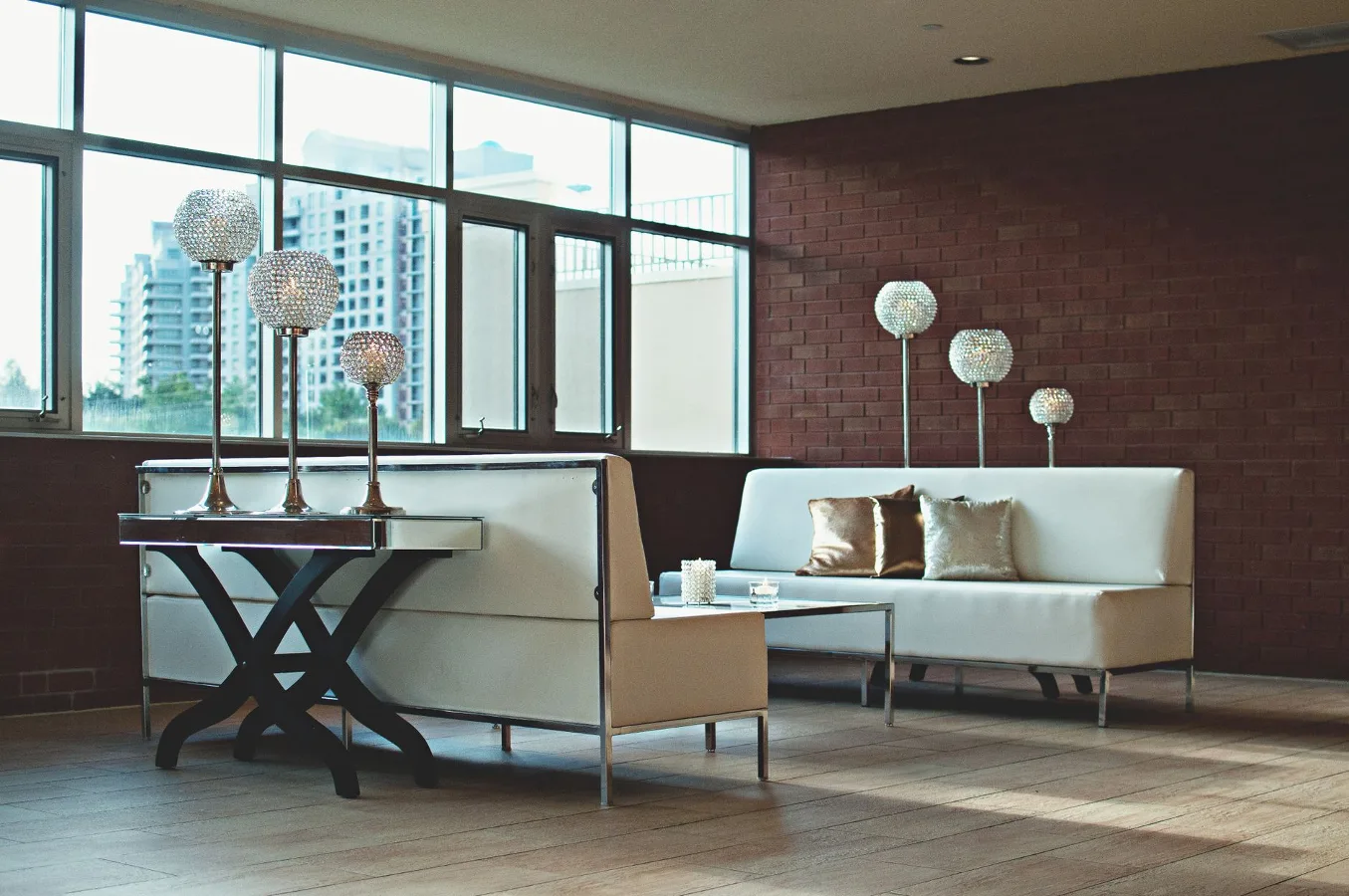
Glass Tiffany floor lamps are a strong choice if you want decorative lighting that also serves a practical purpose. They bring color, pattern, and a softer glow to a room, but they are not all the same in shade quality, size, light output, or care requirements. The right lamp depends on where it will sit, how much light you need, and how much visual attention you want it to draw. how to style stained glass lighting offers more detail on this point.
What makes a glass Tiffany floor lamp different
A glass Tiffany floor lamp uses a decorative shade made from colored glass pieces arranged in a pattern, usually paired with a floor-standing base. The appeal is partly visual: the shade becomes a focal point even when the lamp is off. When lit, it adds a warm, filtered glow that can soften a room more effectively than many bare-bulb floor lamps.
These lamps are often chosen for rooms that benefit from character, such as traditional living rooms, reading corners, bedrooms, and formal sitting areas. They can also work in transitional spaces if the rest of the decor is kept simple. The main trade-off is that they are usually more decorative than task-focused, so they may not be the best single light source for every room.
Key factors to compare before buying
Shade design and glass quality
The shade is the main reason people choose a Tiffany-style lamp, so its construction matters. Look closely at how the glass pattern reads from a distance and whether the design fits your room. Some shades are visually dense and dramatic, while others are lighter and more delicate. A busy pattern can stand out beautifully in a simple room, but it can also overwhelm a space that already has strong colors or patterns. what to look for in lamp shades offers more detail on this point.
Glass quality also affects how the lamp looks when switched on. Uneven color, rough edges, or a pattern that looks flat in daylight can be disappointing once the novelty wears off. If product photos show only the lamp lit, try to imagine how it will look unlit as well, because it becomes part of the room’s decor all day.
Height and visual balance
Floor lamps need to suit both the room and the furniture around them. A lamp that feels elegant in a large living room may look oversized next to a narrow chair or a small side table. Likewise, a very slim lamp can disappear in a spacious room. Consider the lamp as part of the room’s vertical balance: it should feel intentional beside a sofa, reading chair, console table, or open corner.
One common mistake is buying for the shade alone and ignoring the overall footprint. A decorative shade may be beautiful, but if the base crowds the walkway or the lamp blocks traffic near a chair, it will become a daily annoyance.
Lighting purpose: accent, ambient, or reading
Not every Tiffany floor lamp is designed for the same job. Some are best as ambient lighting, adding atmosphere and a soft glow. Others can support reading if the bulb placement, shade shape, and openness of the shade allow enough light through. If you need a true reading lamp, pay attention to how the light is directed and whether the shade focuses light downward or disperses it widely.
For many buyers, the most realistic use case is layered lighting. A glass Tiffany floor lamp can complement overhead lighting, table lamps, and wall sconces rather than replace them. That approach gives you flexibility: bright when you need it, atmospheric when you do not.
Finish and base style
The base helps determine whether the lamp feels ornate, classic, or understated. Dark metal finishes often suit traditional interiors and can visually support the color in the shade. Lighter or more minimal bases may help a decorative shade feel less heavy in a contemporary room.
If your home already includes brass accents, wood furniture, black metal details, or antique-inspired pieces, choose a base that echoes those finishes instead of competing with them. Matching the base to the room’s hardware or furniture details can make the lamp feel integrated rather than added as an afterthought. how to match lamp finishes to furniture offers more detail on this point.
Bulb compatibility and light temperature
Because the shade filters the light, bulb choice matters more than many shoppers expect. A warm bulb often suits Tiffany-style glass best because it brings out richer tones and feels comfortable in living spaces. Cooler light can make some shades look harsher or less inviting.
Check the lamp’s bulb compatibility carefully. Some designs are better suited to decorative bulbs, while others perform better with standard bulbs that provide a more even output. If the lamp will be near a seating area, think about glare control as well as brightness.
Room size and placement
Placement determines whether the lamp reads as a statement piece or just another light source. In a small room, one well-placed lamp may be enough to define a corner. In a larger room, it may need to work alongside other fixtures to avoid feeling isolated.
Good placements include beside an upholstered chair, near a sofa end, in a bedroom corner, or next to a console table. Try to avoid placing the lamp where direct glare will hit eye level from the seating position.
How to choose the right style for your space
Glass Tiffany floor lamps are often associated with traditional interiors, but they are not limited to formal rooms. The key is matching the shade pattern and base profile to the room’s tone.
- Traditional rooms: Look for richer colors, classic motifs, and a substantial base.
- Transitional spaces: Choose a cleaner pattern with balanced color and a less ornate base.
- Eclectic rooms: A bold lamp can work well as a focal point if the rest of the room stays visually calm.
- Smaller rooms: Favor a lamp with a lighter visual footprint so it does not dominate the space.
A common misconception is that any Tiffany-style lamp automatically suits antique furniture or vintage decor. In practice, scale and color matter just as much as style. A lamp can have the right theme but still feel wrong if it is too heavy, too bright, or too visually busy for the room.
Practical trade-offs to think about
Decorative impact versus lighting performance
These lamps are often chosen for their looks first, and that is fair. Still, if you expect one lamp to illuminate a room on its own, you may be disappointed. The glass shade can soften and shape the light, but that same quality can limit how much light reaches the room.
If illumination is a priority, treat the lamp as one layer in a broader lighting plan. If atmosphere is the priority, the decorative strengths matter more than output.
Maintenance versus everyday convenience
Glass shades need more care than many fabric or metal lamp styles. Dust shows easily, and intricate seams or decorative edges can require gentle cleaning. If the lamp will be in a high-traffic area or a room where dust collects quickly, consider how often you are willing to maintain it.
For buyers who prefer low-maintenance decor, a Tiffany-style lamp can still work well, but it is better suited to a stable placement than a constantly moved or frequently touched spot.
Statement piece versus flexible styling
A Tiffany floor lamp can anchor a room, but that same strength can make it harder to redecorate around later. If you like changing your decor seasonally, choose a pattern and color palette that can live with future changes. Neutral furniture and wall colors usually make this easier.
Highly specific colors can be beautiful, but they may narrow your styling options. That is not a flaw; it is simply a design trade-off worth considering before purchase.
Best uses for glass Tiffany floor lamps
These lamps tend to work best in settings where mood and style matter as much as function. They are especially useful in:
- reading corners that need softer supplemental lighting
- living rooms with traditional or vintage-inspired decor
- bedrooms that benefit from warm accent lighting
- entry areas or alcoves that need a decorative focal point
- formal seating areas where layered lighting improves atmosphere
They are less ideal in rooms that require strong, even task lighting, such as a home office desk area or a workshop-style space. In those settings, a more adjustable task lamp may be the better practical choice.
Alternatives worth considering
If you like the look of glass Tiffany floor lamps but want different strengths, a few alternatives may fit better:
- Tiffany table lamps: Better for side tables, consoles, and smaller rooms where floor space is limited.
- Arc floor lamps: More modern in appearance and often better for focused task lighting.
- Torchiere floor lamps: Useful when you want more upward ambient light.
- Standard fabric-shade floor lamps: Often easier to clean and more adaptable in contemporary rooms.
Choosing an alternative does not mean giving up style. It simply means deciding whether the stained-glass look is the priority or whether flexibility, brightness, or simplicity matters more.
Common mistakes buyers make
- Buying only for the shade pattern: The base, scale, and light output matter just as much.
- Ignoring bulb choice: The wrong bulb temperature can make the lamp look flat or overly harsh.
- Overlooking placement: A beautiful lamp can still fail if it blocks traffic or creates glare.
- Choosing a style that fights the room: Heavy color and ornate glass do not suit every interior.
- Expecting all-purpose lighting: Many Tiffany floor lamps are better for atmosphere than for bright task lighting.
Simple buying checklist
Before you choose a lamp, ask yourself a few practical questions:
- Do I need accent light, ambient light, or reading support?
- Will the lamp fit the room’s scale and traffic flow?
- Does the shade color work with my furniture and wall color?
- Can I maintain a glass shade regularly?
- Do I want the lamp to blend in or become a focal point?
If you can answer those questions clearly, you are much more likely to choose a lamp that stays useful after the novelty fades.
FAQ
Are glass Tiffany floor lamps good for reading?
Some are, but not all. If you want reading support, look for a design that directs light well and works with a suitable bulb. Many models are better at creating atmosphere than providing focused task light.
Do Tiffany floor lamps work in modern decor?
Yes, if they are used deliberately. A single lamp can act as a statement piece in a modern room, especially when the rest of the decor is restrained. The key is balancing ornate glass with simpler surrounding pieces.
How do you clean a glass Tiffany lamp?
Use gentle dusting and avoid harsh cleaning methods. Decorative glass and detailed joints can be delicate, so a soft cloth or careful dusting tool is usually the safest approach.
What should I look for in a quality shade?
Look for a shade that feels visually balanced, with consistent color, clean construction, and a pattern that still looks appealing when the lamp is off. A well-made shade should enhance the room in daylight as well as at night.
Are these lamps better as accent pieces or main lights?
They are usually best as accent or supplemental lighting. In some rooms they can contribute meaningfully to overall brightness, but most shoppers use them to add mood, color, and character rather than to replace overhead lighting.
Final buying advice
Glass Tiffany floor lamps work best when you choose them for both design and function. The right lamp should suit your room size, lighting needs, and decor style, not just your first impression of the shade. If you value atmosphere, pattern, and a classic decorative look, they can be a strong addition to a living room, bedroom, or reading corner. If you need bright, flexible task lighting, compare them carefully with other floor lamp styles before deciding.