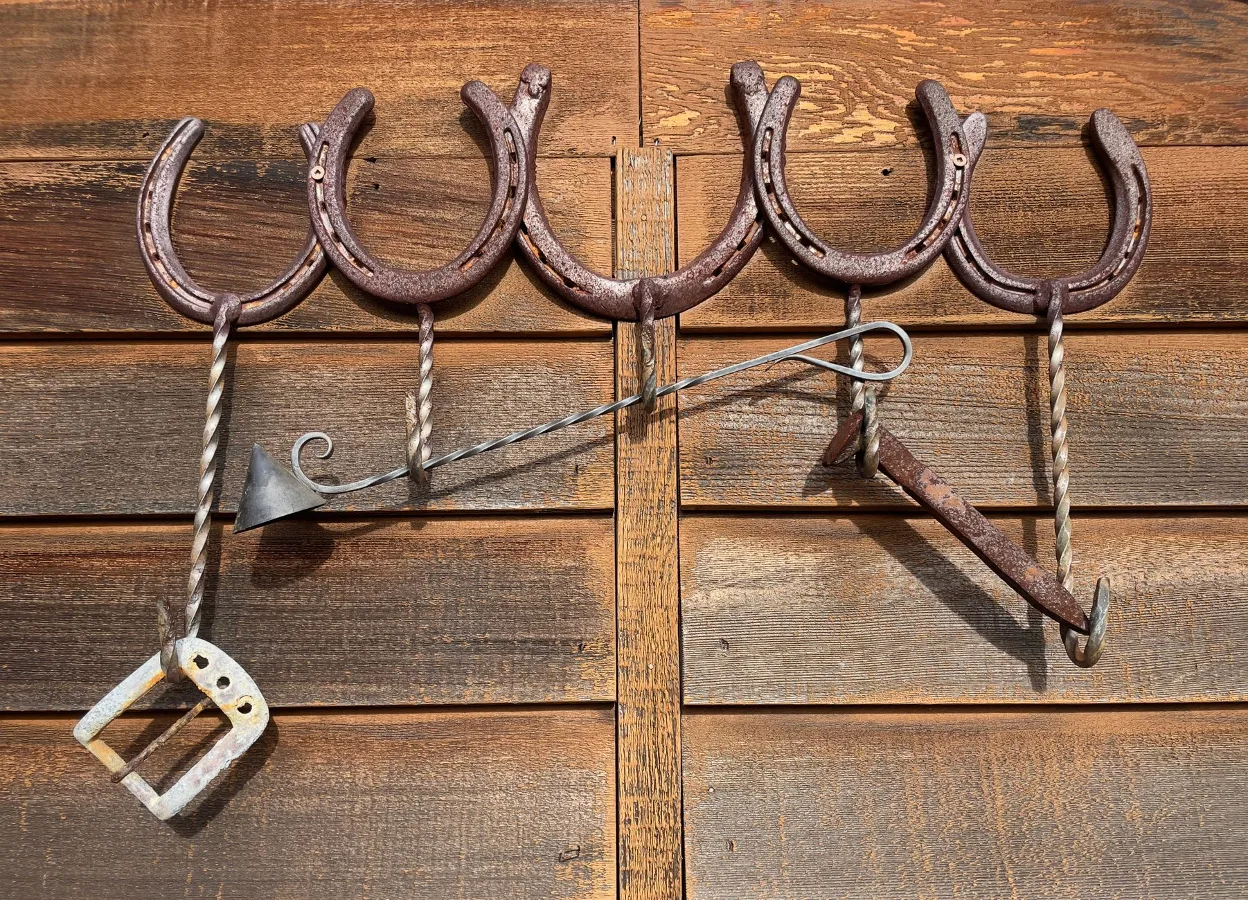
Quick answer: what counts as western decorations for home?
Western decorations for home are decor pieces that draw from ranch, rustic, frontier, and Southwestern style cues. Think natural materials, weathered finishes, warm earth tones, leather, wood, metal, woven textiles, and shapes that feel grounded rather than sleek or glossy.
The style can be subtle or full of character. A few well-chosen pieces can create a western feel without turning a room into a themed set. The best approach is to focus on texture, material, and color balance instead of loading a space with obvious symbols.
If you are shopping for western decorations, the most useful question is not “Does this look western?” but “Does this fit the room, and does it feel authentic to the rest of the home?” That distinction keeps the look from feeling costume-like.
What makes a western look work in a modern home
Western style has a strong identity, but it does not have to be loud. In a home setting, the look usually works best when it is built from a few consistent elements rather than from novelty items alone. That means mixing texture, structure, and natural finishes in a way that feels intentional.
The strongest western rooms usually lean on these qualities:
- Natural materials: wood, leather, linen, cotton, wool, iron, ceramic, stone, and jute all fit comfortably.
- Warm neutrals: sand, cream, tan, saddle brown, terracotta, charcoal, and muted sage often work better than bright, saturated colors.
- Weathered finishes: distressed wood, aged metal, matte pottery, and worn textures can add depth.
- Simple silhouettes: clean lines help the decor feel current rather than overly themed.
- Textile layering: throw pillows, blankets, rugs, and curtains often carry the style more naturally than novelty decor.
One common misconception is that western decor must include cowboy hats, boots, or overt rodeo imagery. Those elements can work in the right room, but they are not necessary. In many homes, the more refined version of the style comes from materials and color palette rather than literal symbols.
How to choose western decorations by room
The right western decorations depend on where they will live. A living room, bedroom, entryway, and kitchen all ask for different levels of visual weight and durability. A good rule is to let function lead, then style around it.
Living room
This is usually the easiest place to introduce the style because soft furnishings and wall art can do most of the work. Look for throw pillows with woven patterns, a wool or textured rug, framed western landscapes, wood coffee tables, and table lamps with ceramic or metal bases. If the room already has strong architectural character, use fewer pieces and let the materials speak for themselves. related advice on gold floor lamp offers more detail on this point.
Bedroom
Bedrooms usually benefit from a softer interpretation. Bedding in muted earth tones, a rustic bench, bedside lamps with natural bases, and understated wall art can create the look without making the room feel busy. Heavy visual contrast is usually less effective here than in a living room.
Entryway
An entryway is a useful place for a few durable, functional accents. A wood console, a mirror with a simple rustic frame, a woven basket for storage, and a lamp or small bowl can establish the tone quickly. This is also where restraint matters: too many western-themed objects in a small entry can feel cluttered fast.
Kitchen and dining area
In kitchens, western style often works best through practical pieces: wood bowls, iron hardware, pottery, linen napkins, or a simple runner. In dining spaces, consider chairs with natural finishes, a solid wood table, and tableware that feels earthy rather than ornate. If the room already has a lot of visual texture from cabinets or flooring, keep decorative accents more restrained.
Comparison: subtle western style vs. themed western decor
Not every room should be styled the same way. A subtle approach is usually more flexible and easier to live with, especially if the rest of the home is modern, transitional, or farmhouse-adjacent.
| Approach | What it looks like | Best for | Trade-offs |
|---|---|---|---|
| Subtle western style | Natural materials, muted colors, textured textiles, minimal motifs | Most homes, especially shared living spaces | Can read as rustic or farmhouse if the western cues are too understated |
| Themed western decor | Boots, horses, cattle, stars, wagon-wheel references, bolder motif pieces | Cabins, rec rooms, dedicated western-themed spaces | Easier to overdo and harder to blend with other styles |
| Southwestern-influenced decor | Geometric patterns, woven textiles, terracotta tones, desert-inspired palettes | Rooms that want stronger pattern and color | Can shift away from classic ranch style if mixed too loosely |
The practical decision is not about which version is “better.” It is about how much personality the room can handle. If your home already has bold flooring, dark cabinetry, or patterned upholstery, a subtle western approach will usually age better. If the room is very plain, a more expressive mix of texture and motif may be appropriate.
Materials and textures that matter most
Material choice is one of the biggest differences between decor that feels believable and decor that feels borrowed from a gift shop. Western style relies heavily on tactile surfaces. Even small objects can carry the look if the finish is right.
- Wood: Look for oak, walnut, pine, reclaimed wood, or anything with a visible grain and a matte or aged finish.
- Leather: Works well on chairs, ottomans, pulls, trays, and small accessories. It adds warmth and structure.
- Metal: Iron, blackened steel, bronze, and aged brass fit more naturally than shiny chrome.
- Textiles: Wool, cotton, canvas, sherpa, woven blends, and kilim-style patterns can add depth.
- Ceramic and stone: Useful for vases, lamps, planters, and table decor when you want a grounded, handcrafted feel.
An overlooked consideration is sheen. A western-inspired room usually looks better with matte or low-sheen finishes. Too much gloss can make even good pieces feel out of place. That applies to picture frames, hardware, candle holders, and decorative bowls as much as it does to furniture.
How to build a western look without overdecorating
The easiest mistake is trying to make every surface announce the theme. Western decor tends to work best when it is layered gradually. Start with the biggest visual anchors, then add supporting details only where they earn their place.
- Choose one dominant material story. For example, wood and leather, or wood and woven textiles.
- Pick a restrained palette. Warm neutrals usually make the look easier to live with.
- Add one or two statement pieces. A framed landscape, a rustic mirror, or a patterned rug can establish the direction.
- Use smaller accents to repeat the theme. Think candle holders, trays, baskets, or pottery.
- Leave breathing room. Open space helps rustic materials stand out and prevents visual clutter.
Another practical nuance: not every “western” item has to be obvious. A wood lamp, a heavy ceramic vase, or a leather tray can support the style better than a novelty sign. This is especially useful in homes where the decor needs to feel grown-up and flexible over time.
Mistakes to avoid when shopping for western decorations
Many western interiors fail for the same predictable reasons. Most of them come from using too many literal references or from mixing styles without a clear plan.
- Too many symbols: Horseshoes, stars, boots, saddles, and animal motifs all in one room can feel heavy.
- Ignoring scale: Small western accents disappear in large rooms, while oversized novelty pieces can overwhelm compact spaces.
- Mixing too many finishes: Weathered wood, shiny metal, bright prints, and glossy ceramics can compete with each other.
- Choosing theme over function: A decorative object that offers no purpose should still justify its place visually.
- Forcing color clashes: Western style usually depends on cohesion. Random bright colors can break the mood unless they are used very carefully.
A common trap is confusing rustic with unfinished. A room can be relaxed and textured without looking bare or temporary. Balance matters more than roughness.
Best western decoration categories to consider
Shopping becomes much easier when you sort pieces by function. That keeps the room from becoming a collection of unrelated objects.
- Wall decor: Framed art, mirrors, metal pieces, woven hangings, and simple shelves.
- Textiles: Throw pillows, blankets, rugs, runners, and curtains.
- Tabletop accents: Vases, candle holders, trays, bowls, and pottery.
- Furniture accents: Benches, side tables, stools, and ottomans with wood or leather.
- Storage pieces: Baskets, lidded boxes, and decorative bins that add utility.
For many homes, the most effective western decorations are the ones that do double duty. A blanket with a subtle pattern, a sturdy wood tray, or a woven basket can support both the style and the everyday function of the room. valentines day home decor offers more detail on this point.
How western decor compares with farmhouse and rustic styles
People often group western, farmhouse, and rustic decor together, but the differences matter when you are buying pieces for a specific room. Western style usually has a stronger connection to ranch life, desert palettes, leather, and frontier-inspired details. Farmhouse style leans softer, lighter, and often more cottage-like. Rustic style is broader and can include cabin, lodge, reclaimed, or nature-based elements without the western identity.
If your home already leans farmhouse, western accents can add depth through darker woods, richer leather tones, and more grounded accessories. If your home is rustic, western details can sharpen the mood and give it a more specific regional character. The key is to decide which style should lead and which should support. rustic home accents offers more detail on this point.
Buying considerations that actually help
When you are choosing western decorations for home, a few practical questions can prevent disappointing purchases:
- Does the piece fit the room’s scale?
- Does the finish match other materials already in the space?
- Will it still work if the rest of the room changes later?
- Is it decorative only, or does it also solve a function like storage or lighting?
- Does it feel authentic to the rest of your home, or is it competing with the room’s existing style?
If you want long-term value, prioritize pieces that are easy to recontextualize. A wood mirror, neutral rug, leather accent chair, or woven basket can shift with the room over time. A highly specific novelty item is much harder to reuse if your style evolves.
Where western decor tends to work best
Western decorations usually perform best in rooms that already have some warmth, texture, or architectural simplicity. They can also be a strong fit for homes with open layouts, where a few consistent materials can tie the space together.
They may be less successful in rooms that already feel visually crowded, overly glossy, or highly formal. In those spaces, the style can still work, but only if the pieces are selected carefully and kept relatively understated. This is where the idea of “less but better” matters most.
If you are unsure, start with one category: a rug, a set of pillows, wall art, or a wood accent piece. Then evaluate whether the room needs more western cues or whether the first layer is enough. That staged approach is usually safer than buying a full set at once.
Western decorations for home are most successful when they feel integrated, not staged. Focus on materials, tone, and function first, then use motifs sparingly. That is how the style stays durable, personal, and visually believable.