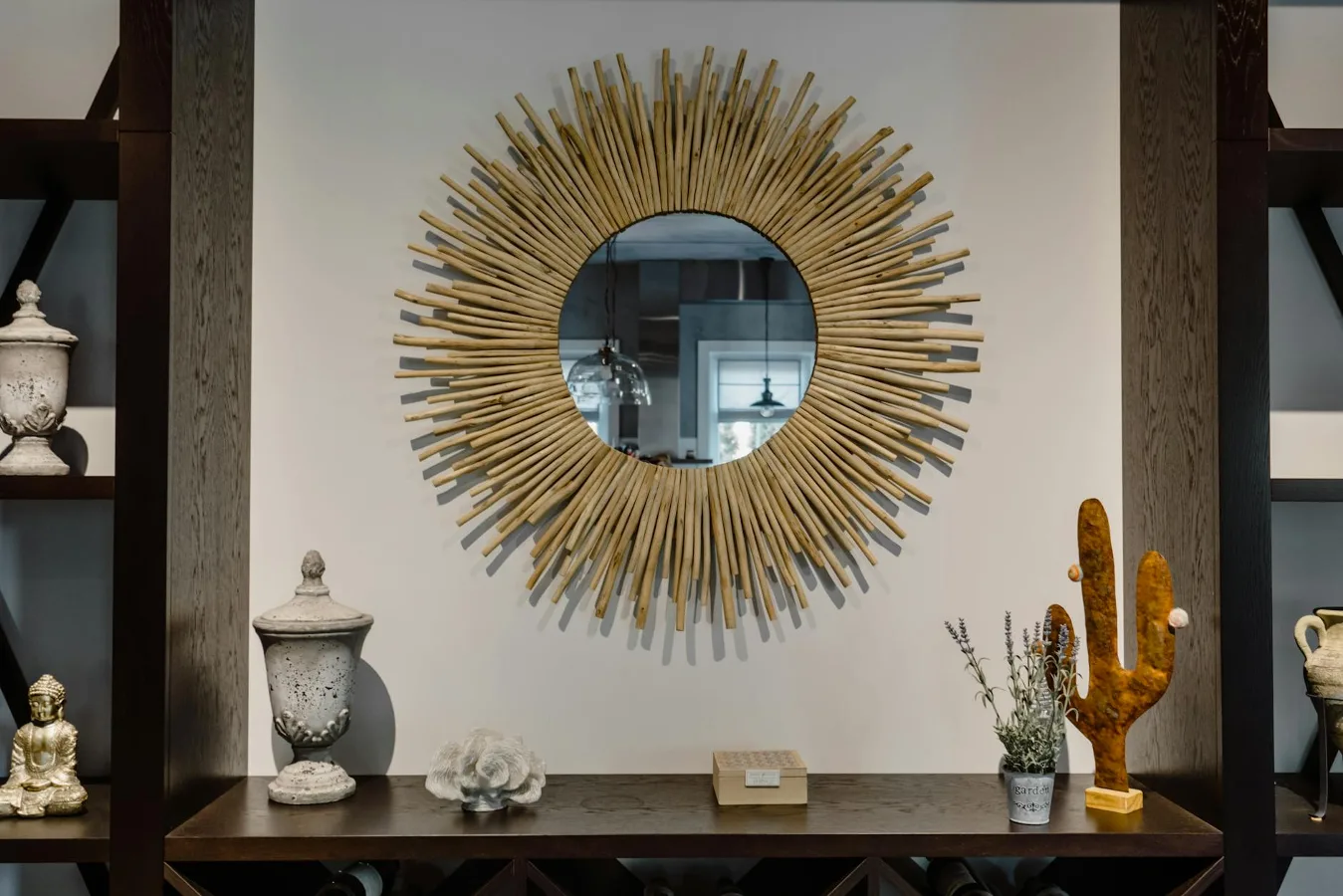
If you are searching for Sullivans home decor, you are usually looking for a broad assortment of decorative accents rather than one narrow product type. The brand name is commonly associated with pieces for shelves, mantels, tabletops, entryways, and seasonal styling, so the real question is not just what it looks like online. It is whether the piece fits your room, your existing style, and the amount of upkeep you are willing to manage. how to style a mantel offers more detail on this point.
For most shoppers, the smartest way to approach Sullivans home decor is as a style-matching decision. Some pieces work well as stand-alone accents, while others are better used in layers with books, trays, greenery, candles, or framed art. If you are decorating for a specific room or season, the details matter: scale, finish, material mix, and how easily the item can transition from one part of the home to another.
Quick answer: what to expect from Sullivans home decor
Sullivans home decor generally appeals to shoppers who want accessible decorative pieces with a homey, styled look. The strongest use case is not reinventing a room from scratch, but adding finishing touches that make a space feel more complete. That can include tabletop objects, faux botanicals, decorative vessels, wall accents, lantern-style pieces, and other display items commonly used in farmhouse, transitional, rustic, and seasonal interiors. farmhouse decor ideas offers more detail on this point.
The most useful way to evaluate these pieces is by asking three questions. Does the item fit the scale of the space? Does the finish and material complement what you already own? And will you still like it after the current season or trend passes? That last question is often overlooked, especially with decorative accents that are easy to buy impulsively but harder to integrate over time.
How to compare Sullivans decor pieces
Because the brand covers a wide range of decorative categories, comparison matters more than any single product description. A vase, a wall accent, and a faux plant may all fall under the same brand, but they serve different design jobs. Comparing them correctly helps you avoid buying something attractive that never quite works where you intended.
| What to compare | Why it matters | Good sign |
|---|---|---|
| Scale | Decor that is too small looks lost; too large can overwhelm a surface. | Fits the shelf, mantel, table, or wall with room for breathing space. |
| Finish | Matte, glossy, distressed, and metallic finishes all create different visual weight. | Matches the room’s overall tone and surrounding materials. |
| Material | Material affects realism, durability, and maintenance needs. | Feels appropriate for the location and how often you will move or clean it. |
| Style fit | Some pieces lean farmhouse, others lean transitional or seasonal. | Blends with your current decor instead of fighting it. |
| Maintenance | Dusting, wiping, and handling requirements vary widely. | Realistic for the amount of upkeep you want. |
| Flexibility | Versatile accents are easier to reuse in different rooms or seasons. | Can move from shelf styling to tabletop styling without looking out of place. |
Scale is the most common buying mistake
Decorative accents are often judged from a product photo, where everything looks appropriately sized. In a real room, however, the same object can appear too small on a large console or too bulky on a compact side table. This is especially important for entryway decor, mantel decor, and shelf styling, where proportions shape the entire composition.
A practical rule is to think about the surface first and the object second. Measure the available space, then imagine how the decor will sit alongside lamps, books, trays, frames, or greenery. The goal is balance, not just filling empty space. guide to gold floor lamp offers more detail on this point.
Finish and texture determine whether a piece feels intentional
Many decorative items look similar at first glance, but finish changes how a room reads. A distressed surface may support a farmhouse or rustic look, while a smooth ceramic or glass finish can feel more transitional. Texture also matters because decor usually works best when it adds contrast to surrounding materials. For example, a matte vase may stand out nicely against a glossy tabletop, while woven or wood-like textures can soften a room with harder lines.
This is an overlooked consideration in commercial searches: people often buy a single decorative item without thinking about what it adds to the visual mix. If your space already has plenty of shine, another glossy object may feel redundant. If your room is full of straight lines and hard surfaces, something with softness or organic shape may have more impact.
Best ways to use Sullivans home decor
The brand is most useful when you want finishing layers rather than a total redesign. That makes it a strong option for common decorating jobs where the goal is to make a space feel curated without overcomplicating it.
- Shelves: Small-to-medium decorative objects can help break up rows of books and boxes.
- Mantels: Symmetry, height variation, and seasonal accents work especially well here.
- Console tables: A vase, bowl, or decorative grouping can anchor an entryway.
- Dining tables: Tabletop decor should leave enough usable space for everyday life.
- Bathrooms and bedrooms: Smaller accents can add softness without taking over the room.
For many shoppers, the best results come from pairing one statement accent with a few quieter supporting pieces. That keeps the look polished instead of cluttered. It also makes it easier to swap items seasonally without rebuilding the entire arrangement.
Where Sullivans decor can be a smart fit
These pieces often make sense for homes that lean toward farmhouse, cottage-inspired, rustic, transitional, or seasonal styling. They can also work in more modern rooms if you choose simple shapes and restrained finishes. The main advantage is flexibility: many decorative objects can be styled in different rooms as your needs change.
That said, not every piece will suit every interior. Highly themed decor can look out of place if your space is minimal, industrial, or heavily contemporary. In those homes, look for simpler silhouettes, quieter finishes, and fewer decorative details.
Mistakes to avoid when shopping
Commercial searches often focus on price or style first, but the most expensive mistake is buying decor that does not work in the room. A few practical missteps come up again and again.
- Buying without a destination: Decor should be purchased with a specific surface or room in mind.
- Ignoring scale: A pretty object that is too small or too large will always look off.
- Matching everything too closely: Rooms usually look richer when finishes and textures vary slightly.
- Choosing trend over longevity: Highly seasonal items may have a short visual lifespan.
- Overcrowding displays: Too many accents can make a space feel busy instead of styled.
- Forgetting maintenance: Faux botanicals, textured surfaces, and intricate details all collect dust differently.
One common misconception is that decorative accents are low-stakes purchases because they are small. In practice, small pieces can be the most noticeable styling errors in a room. If the color is off, the silhouette is awkward, or the scale is wrong, the entire arrangement can feel unfinished.
Quality and practicality considerations
When evaluating home decor, quality is less about performance in a mechanical sense and more about how well the piece holds up to real use. That includes visual durability, handling, and ease of placement. A decorative item should be simple enough to live with, not just attractive on a product page.
Here are the practical questions worth asking before you buy:
- Will it be easy to dust or wipe clean? Intricate textures and layered details may need more upkeep.
- Can it move between rooms? Versatile accents usually offer better long-term value.
- Does it work with everyday life? Dining tables, console tables, and low shelves need decor that does not interfere with use.
- Is it flexible across seasons? Neutral or adaptable pieces are easier to restyle.
- Does it complement existing finishes? Metal tones, wood tones, glass, ceramic, and woven materials should feel coordinated rather than random.
It can also help to think about visual weight. A large light-colored vase may feel airy, while a darker object of similar size may read as heavier and more grounded. That matters when you are balancing a room with other strong elements like black frames, dark furniture, or bold wall color.
How to style Sullivans decor without overdoing it
Well-styled decor usually follows a simple principle: mix heights, shapes, and textures, then leave some negative space. That gives each item room to read clearly. If everything is ornate, the arrangement can feel cluttered. If everything is plain, it can feel flat.
- Use odd-number groupings for small displays when the surfaces allow it.
- Anchor with one larger piece such as a vase, lantern, or tray.
- Layer with books or risers to create varied height.
- Repeat a color or material to create visual continuity.
- Mix hard and soft elements such as ceramic with greenery or wood with glass.
A useful styling nuance is that not every object needs to be decorative on its own. Some of the best arrangements use one strong piece and several supporting pieces that are visually quiet. That approach is especially effective in smaller homes, where too many statement items can make a room feel crowded.
Alternatives if Sullivans decor is not the right fit
If you like the general style but not every piece in the assortment, there are several alternatives worth considering. The right choice depends on what you want the decor to do.
- For a cleaner look: Choose simple ceramic, glass, or stone-inspired accents with fewer embellishments.
- For a warmer look: Use natural wood, woven textures, or linen-like materials.
- For easy seasonal swaps: Focus on neutral bases and add removable accents such as greenery or seasonal stems.
- For a more collected feel: Mix older accessories, framed art, and books with a few new pieces.
If your main goal is to refresh a room cheaply, it may also be better to improve one focal surface than to buy multiple small accents at once. One thoughtful placement often does more than several loosely related purchases.
Who should consider this style of decor
Sullivans home decor tends to suit shoppers who want approachable styling help rather than highly custom, design-led objects. It is especially relevant if you are furnishing a first home, refreshing a rental, updating a mantel, or looking for seasonal accents that can rotate through the year. It can also be a practical option if you prefer decor that looks finished without requiring a full room redesign.
On the other hand, if your home is highly minimalist, architecturally modern, or strictly curated around one design movement, you may need to be more selective. In those spaces, the strongest pieces are usually the ones with simpler lines, restrained colors, and clear purpose.
For most shoppers, the best buying strategy is to start with the room, not the brand. Decide where the item will live, what visual job it will do, and how much upkeep you are willing to accept. Then compare pieces by scale, finish, material, and versatility. That approach helps you choose decor that feels intentional now and still makes sense later.