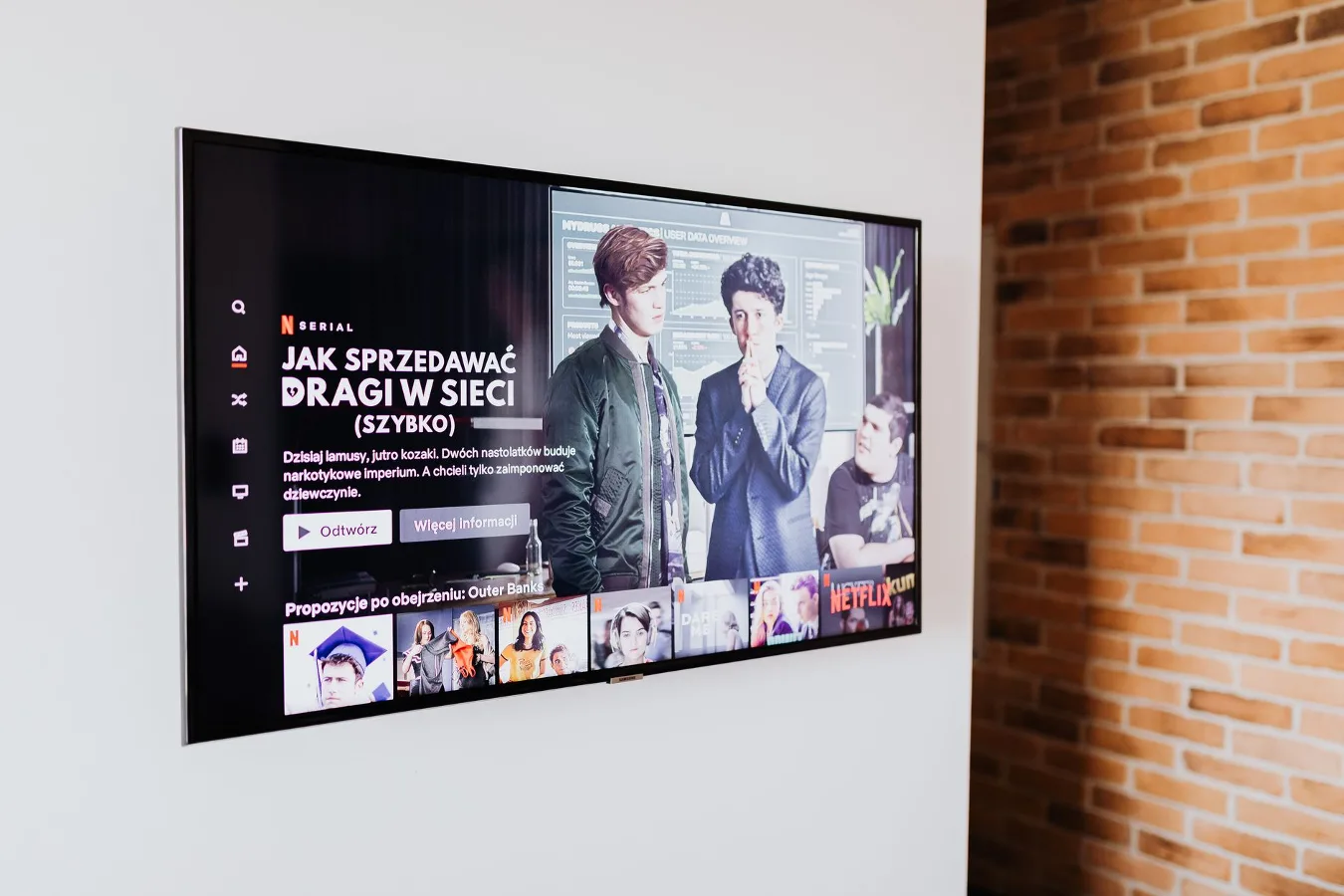
What home theater decorations should do
Home theater decorations are not just about making the room look finished. In a true movie or media room, every decorative choice should support the viewing experience. That usually means reducing glare, avoiding visual distractions, softening hard surfaces where needed, and creating a room that feels comfortable enough for long viewing sessions. media room decor ideas offers more detail on this point.
The best decorations for a home theater usually fall into a few categories: wall decor, lighting, window treatments, seating accents, acoustic-friendly finishes, and storage details that keep the space tidy. The right mix depends on whether the room is a dedicated theater, a multipurpose family room, or a basement entertainment space. lighting tips for a TV room offers more detail on this point.
If you are trying to decide what belongs in the room, a useful rule is simple: choose pieces that add atmosphere without competing with the screen.
Start with the room type, not the decor aisle
A home theater in a finished basement has different needs than a living room with a TV wall. Before buying anything decorative, look at how the room is used.
Dedicated theater room
In a dedicated movie room, you can lean into darker finishes, layered lighting, and more dramatic wall art because the space is built around the screen. Oversized poster prints, dark curtains, subtle sconces, and acoustic panels can all work well here.
Multipurpose media room
If the room does double duty, decorations need to stay more flexible. Choose pieces that feel intentional but not overly themed. Neutral wall art, textured rugs, concealed storage, and adjustable lighting usually make more sense than highly graphic decor.
Basement entertainment space
Basements often need more warmth and softness because they can feel unfinished or visually flat. Here, decor can do a lot of work: area rugs, layered textiles, framed art, and darker paint colors can help the room feel cozy rather than utilitarian.
Decor choices that usually work best
The strongest home theater decorations are the ones that balance style and function. These are the categories worth considering first.
Wall art that does not fight the screen
Movie posters are the obvious choice, but they are not the only option. Framed black-and-white photography, abstract art, vintage cinema prints, and large-scale graphic pieces can all work if they fit the room’s mood. The main goal is to avoid busy artwork that pulls attention away from the display when the lights go down.
For rooms with a large screen, think about scale and placement. Too many small frames can make the wall feel cluttered. One larger piece or a carefully arranged set of two or three works usually looks cleaner.
Lighting that creates atmosphere without glare
Lighting is one of the most overlooked parts of home theater decor. Decorative lighting should feel deliberate, but it also has to be useful. Soft sconces, dimmable lamps, LED strip lighting behind shelving, and indirect wall wash lighting can add depth without washing out the picture.
A common mistake is using decorative light sources that are too bright or exposed. If a bulb or fixture reflects on the screen, it becomes a functional problem, not just a style issue. Look for lighting that can be dimmed or directed away from the viewing surface.
Rugs and textiles that soften the room
An area rug does more than define seating zones. It can make a theater feel warmer, reduce the echo of hard floors, and add color or texture in a controlled way. Curtains, throws, and upholstered accents play a similar role. In a space dominated by technology, soft materials help the room feel more inviting.
Textiles are also one of the safest ways to add personality. If you want a cinematic look without making the room feel overdesigned, a rich rug, velvet drapes, or a textured throw can do a lot of the work quietly.
Acoustic-friendly decor
Not all acoustic treatments need to look technical. Fabric-wrapped panels, slatted wood wall features, heavy drapery, and upholstered furniture can improve the feel of a room while blending into the decor. This is especially helpful in rooms with hard flooring, bare drywall, or low ceilings.
There is a trade-off here: some decorative elements improve sound, while others only look good. If the room echoes or sounds harsh, prioritize pieces that help soften the space instead of adding more hard surfaces.
Storage that hides clutter
Home theater rooms work best when remotes, chargers, game controllers, streaming devices, and spare cables stay out of sight. Decorative storage baskets, closed cabinets, low media consoles, and built-in shelving can keep the room visually calm. This matters more than many people expect, because clutter is one of the fastest ways to make a theater space feel unfinished.
How to choose the right style direction
There is no single correct style for home theater decorations. The best approach is to pick a direction that matches the room and the way you watch.
Classic cinema style
This style uses darker colors, framed posters, plush seating, and dramatic lighting. It works well in dedicated rooms and spaces where you want the experience to feel immersive.
Modern media room style
Modern rooms usually rely on clean lines, simple art, concealed wiring, and neutral colors. This is a strong choice if the theater is part of a larger living area and needs to blend in.
Cozy family screening room
For family-focused spaces, comfort tends to matter more than theme. Warm textures, soft seating, durable fabrics, and subtle wall decor create a room that feels relaxed and usable every day.
Minimalist setup
Minimalist home theater decor can look especially good with large screens. The key is restraint: a few well-chosen pieces, dark paint or muted color, and very little visible clutter. This style is often easier to maintain and less likely to distract from the screen.
Trade-offs to think through before buying decor
Home theater decorations often involve compromises. What looks dramatic may not work well in a dark room. What feels cozy may add visual busyness. What improves sound may limit your design options.
Style versus screen visibility
Bright metallic finishes, reflective glass, glossy paint, and shiny decor can all create unwanted reflections. If the screen is the center of the room, matte and low-sheen finishes are usually the safer choice.
Theme versus longevity
A strongly themed room can be fun, but it may feel dated faster than a more restrained design. If you want the room to stay relevant for years, build around flexible pieces first and add themed accents sparingly.
Comfort versus formality
Some theater spaces look polished but feel uncomfortable after an hour. Decorative seating, throw pillows, and footrests can improve comfort, but too many soft accessories can crowd the room. The best setup gives you enough comfort for long viewing without making movement awkward.
Acoustics versus visual simplicity
Sound-absorbing additions can be effective, but they do not always disappear into the room. If you want a clean look, choose treatments that double as design features, such as textured panels or drapery that reads as part of the decor.
Materials and finish choices that matter most
For home theater decorations, materials affect more than appearance. They influence maintenance, reflection, durability, and comfort.
| Material or finish | Why it works in a theater room | Potential downside |
|---|---|---|
| Matte paint | Reduces glare and helps walls recede visually | Can show marks if the room gets heavy use |
| Velvet or heavy fabric | Adds softness and a cinema-like feel | May attract dust and require more care |
| Wood with low sheen | Brings warmth without much reflection | Can look too plain if the room needs visual depth |
| Fabric-wrapped panels | Helps with sound control and visual texture | May limit style flexibility if you later redesign |
| Metal or glass accents | Can add contrast and a modern edge | Often reflect light and can feel visually busy |
One practical nuance is that a material can look ideal in daylight and still cause problems at movie time. Always think about how the room looks with the lights dimmed, not just how it looks when fully lit.
Decorating around the screen and speakers
The biggest design mistake in many home theaters is treating the screen like a normal wall element. It is not. The screen, speakers, and seating layout should guide every decor decision around them. Decor guide offers more detail on this point.
Leave enough visual breathing room around the display. Crowding it with art, decorative shelving, or bright objects can make the setup feel busy. If you have front speakers or a soundbar, make sure the surrounding decor does not block sound or create awkward asymmetry.
Symmetry often helps in theater design, but it does not have to be perfect. If the room layout forces one side to be different, balance the visual weight with lighting, shelving, or a larger piece of wall art rather than trying to force identical placement.
Common mistakes with home theater decorations
- Using too many reflective surfaces: Glass, glossy finishes, and metallic decor can cause glare and visual distractions.
- Choosing decor before solving layout: Seating position, screen placement, and cable routing should come first.
- Overcrowding the walls: Too many frames or shelves can make the room feel smaller and distract from the viewing area.
- Ignoring lighting control: Decorative lighting should be dimmable or indirect whenever possible.
- Picking theme pieces that age quickly: Trend-heavy decor can be fun at first but harder to live with later.
Good next steps if you are starting from scratch
If you are building a theater room from the ground up, start with the essentials: seating layout, screen placement, and lighting plan. After that, add the decorative pieces that support the room’s use. That order makes it easier to avoid unnecessary purchases.
A practical sequence is to choose a color direction, decide on light control, add soft materials where the room needs warmth, then finish with art and accent pieces. If the room already has furniture and electronics, begin by reducing clutter and glare before adding anything new.
If you are undecided between styles, aim for a flexible base. Neutral walls, layered lighting, and a few well-chosen decor items give you room to evolve the space later without starting over.
FAQ
What decorations are best for a home theater?
The best home theater decorations are the ones that support viewing comfort: matte wall colors, dimmable lighting, framed art with low glare, soft textiles, and storage that reduces clutter.
Should a home theater room be dark?
It does not have to be completely dark, but darker tones usually help reduce reflections and make the screen stand out. The goal is control, not darkness for its own sake.
Can I use regular wall art in a media room?
Yes, as long as it does not reflect light too much or overwhelm the screen area. Large, simple, low-glare pieces often work better than busy gallery walls.
Do home theater decorations help with sound?
Some do. Heavy curtains, rugs, upholstered seating, and acoustic panels can help soften a room, while hard shiny surfaces usually do the opposite.
How do I make a TV room look more like a theater?
Focus on lighting control, darker or muted colors, soft furnishings, and a cleaner wall around the screen. Small changes in texture and lighting often make the biggest difference.