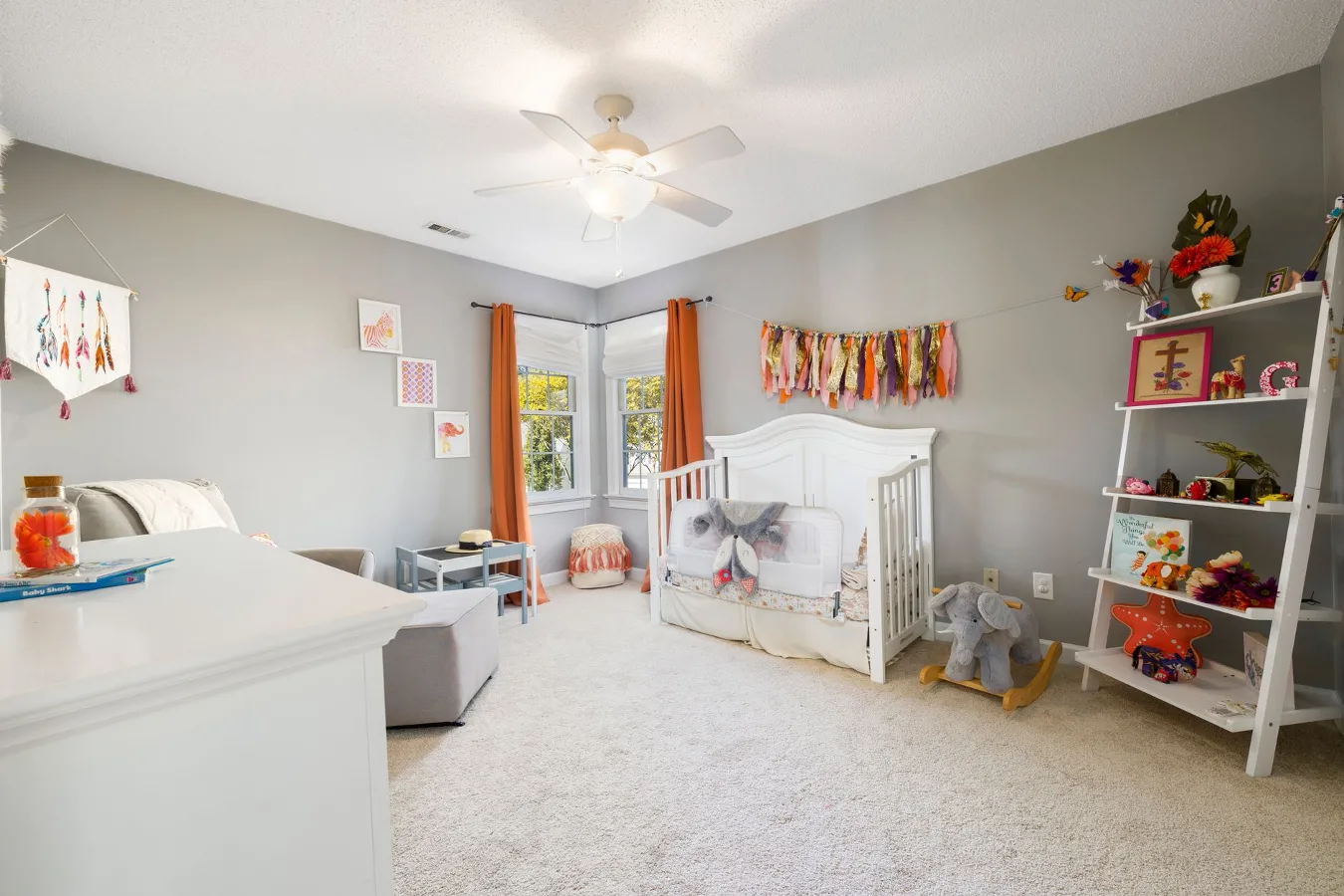
What Home Decorators Collection ceiling fans are best for
Home Decorators Collection ceiling fans are worth considering if you want a broad mix of styles, mounting options, and control types in one brand family. The range is commonly used for everyday spaces such as bedrooms, living rooms, dining areas, home offices, and some covered outdoor areas, which makes it appealing for shoppers who want a coordinated look across multiple rooms.
The main reason people look at this brand is balance: you are usually comparing design, size, and functionality rather than trying to solve a highly specialized problem. That makes the buying decision less about chasing a single feature and more about choosing the right fan for the room, ceiling height, and the way you actually use the space. Gold Floor Lamp Buying Guide offers more detail on this point. learn more about arched floor lamps offers more detail on this point.
If you are comparing Home Decorators Collection ceiling fans, the most useful question is not simply which model looks best. It is which one fits the room, supports the lighting you need, and works with the installation conditions you already have.
Start with the room, not the fan
The quickest way to narrow the options is to match the fan to the space. A fan that looks right in a showroom photo can feel oversized in a small bedroom or underpowered in a large open living area. Room size, ceiling height, and how the room is used will matter more than the finish or blade shape.
Room-by-room fit
- Bedrooms: Quiet operation, easy remote access, and a size that does not overpower the room usually matter most.
- Living rooms: Visual presence, comfort across a larger seating area, and light output may matter more here.
- Dining rooms: A lower-profile design or a fan with a well-integrated light can help the fixture feel intentional rather than bulky.
- Home offices: A fan with straightforward controls and minimal visual distraction can be a better choice than a decorative centerpiece.
- Covered outdoor spaces: The finish, moisture suitability, and resistance to environmental wear become more important than purely decorative details.
A common mistake is choosing based on blade style first. Blade design affects appearance, but the practical questions are still size, mounting, and controls.
Step-by-step criteria that make the decision easier
Buying a ceiling fan gets much simpler if you evaluate it in a fixed order. That approach keeps you from overvaluing finishes or special features before you have covered the basics.
1. Check ceiling height and mounting needs
Ceiling height influences whether you need a flush mount, a standard downrod setup, or another mounting configuration. A low ceiling calls for a lower-profile fan so the blades sit at a more comfortable distance from the floor. Higher ceilings often benefit from a downrod so the fan is positioned where air moves effectively through the room.
This is one of the most overlooked details in ceiling fan shopping. Many buyers focus on blade span and forget that a fan can look and perform differently once it is actually installed in a room with a specific ceiling height.
2. Match the blade span to the room
Blade span affects how much air the fan can move across the room and how proportional it looks in the space. A small fan in a large room may feel visually undersized, while a very large fan in a compact room can dominate the ceiling and feel awkward.
Rather than aiming for the biggest fan available, look for a size that feels proportionate to the room and the furniture layout. If the fan is meant to cool a seating area or bed, consider where people actually sit or sleep, not just the square footage on paper.
3. Decide whether you want a light kit
Many buyers want a fan to do double duty as both a comfort and lighting fixture. That can be efficient, especially in rooms where you want to reduce clutter on the ceiling. But a light kit is not automatically the better choice.
If the room already has strong overhead lighting or you prefer decorative lamps, a fan-only model may be the cleaner option. If you need one fixture to handle general illumination, a fan with a light kit can simplify the room and reduce the number of separate fixtures you need to manage.
4. Think about how you want to control it
Control style is a practical buying factor, not a small convenience detail. A pull chain, wall control, remote, or smart-control setup can change how easy the fan is to live with every day.
- Pull chains: Familiar and simple, but less convenient in rooms where the fan is used frequently.
- Wall controls: Useful if you want a fixed location for fan and light operation.
- Remotes: Convenient for bedrooms, tall ceilings, and rooms where reaching the fan is awkward.
- Smart controls: Helpful if you want app-based control or integration with a broader connected-home setup.
A practical nuance: the best control method often depends on who uses the room. Guest rooms, kids’ rooms, and shared living spaces benefit from straightforward controls that do not require explanation.
5. Consider the motor and airflow expectations
For most buyers, the motor matters less as a specification and more as a comfort issue. You are looking for a fan that runs smoothly, responds well to speed changes, and supports the way you plan to use the room.
A reversible motor can be especially useful because it supports seasonal use. In warmer months, the fan helps circulate air downward. In cooler months, reversing the direction can help redistribute air more evenly in the room. That does not replace a heating system, but it can make the room feel more balanced.
Design choices that matter more than people expect
Home Decorators Collection ceiling fans come in styles that can blend into a room or stand out as a visual feature. That is useful, but it also means the wrong finish or shape can throw off a carefully designed space.
Finish and material pairing
Pay attention to how the fan finish interacts with the rest of the room. A matte black fan can create contrast in a bright space, while a warmer finish may work better with wood tones or traditional furnishings. Blade finishes also affect the final look, especially if the room already has strong decorative elements.
The overlooked consideration here is scale in relation to other ceiling details. Crown molding, ceiling beams, pendant lights, and recessed lighting all affect how prominent the fan feels once installed.
Modern versus traditional styling
If the room has clean lines and minimal trim, a streamlined fan usually fits better than a highly ornate design. In rooms with traditional furniture, more decorative blades or a classic housing shape may feel more intentional. The best choice is not about trend alone; it is about whether the fan looks like part of the room rather than an afterthought.
Blade count and visual weight
Blade count is often treated as a style detail, but it also changes the visual character of the fan. Fewer, wider blades can look more contemporary. More detailed blade arrangements may feel more traditional. Either way, the goal is consistency with the room rather than choosing a fan that feels isolated from the rest of the decor.
Where these fans make the most sense
Home Decorators Collection ceiling fans tend to work best in use cases where you want dependable everyday comfort without an overly specialized setup. They are a sensible fit if you are furnishing a whole home, updating several rooms at once, or trying to keep the design language consistent from one space to another. design ideas for coordinating fans with decor offers more detail on this point.
- Newly renovated rooms: Good if you want a ceiling fixture that completes the space without becoming the focal point.
- Bedrooms with limited table space: Useful when you want light and airflow from one fixture.
- Open-plan living areas: Helpful if you need a fan that reads as part of the decor rather than a purely utilitarian object.
- Homes with mixed ceiling heights: The range of mounting styles can make it easier to choose room by room.
- Covered patios or porches: Relevant if the specific model is rated for the environment it will be exposed to.
That said, not every fan is the right answer for every environment. Rooms with very high ceilings, unusually damp conditions, or unusually demanding airflow needs may require a more specialized product than a general-purpose decorative fan line.
Common trade-offs to weigh before buying
Most ceiling fan decisions involve trade-offs. Understanding them before you buy is more useful than comparing feature lists in isolation.
Style versus simplicity
A more decorative fan may fit the room beautifully, but a simpler design can age better and blend with future decor changes. If you expect to remodel or change furniture soon, a restrained design may be the safer long-term choice.
Light versus cleaner ceiling lines
A light kit adds functionality, but it also makes the fixture more visually complex. Some rooms benefit from the convenience, while others look better with a cleaner silhouette and separate lighting.
Remote convenience versus extra components
Remotes improve ease of use, but they introduce another item to keep track of. In family rooms or rentals, that can be a real-world constraint. Wall controls may be less flexible, but they are harder to misplace.
Decorative appeal versus maintenance
Fans with more surface detail, darker finishes, or integrated glass can require more attention when cleaning. If low maintenance matters, simpler shapes and accessible blades are usually easier to live with.
Checklist before you choose a model
If you want a quick buyer checklist, start here:
- Confirm the ceiling height and choose the right mount type.
- Measure the room and choose a blade span that feels proportionate.
- Decide whether you need a light kit or prefer a fan-only design.
- Choose the control type that fits the room and household.
- Check whether the fan is suitable for the location, especially if it is for a covered outdoor area.
- Match the finish and style to your existing decor.
- Think about long-term maintenance, not just first impressions.
- Consider whether the fan should blend in or act as a design feature.
If you are comparing several Home Decorators Collection ceiling fans, this checklist can help you eliminate options that look appealing but do not fit the room well.
Examples of better-fit choices by scenario
These scenarios can help you translate features into real buying decisions.
If you want a fan for a bedroom
Prioritize quiet comfort, easy controls, and a size that does not feel oversized from the bed. A remote can be especially useful if the fan is used at night or the switch is not near the bed.
If you want a fan for a living room
Look for a model that balances appearance and coverage. In this setting, the fan is part comfort device and part visual anchor, so proportion and finish matter as much as control convenience.
If you want a fan for a low ceiling
A flush mount or low-profile design is usually the safer route. The goal is to maintain comfort without making the fixture feel too close overhead.
If you want a fan for a covered outdoor area
Make sure the model is appropriate for that environment. Outdoor use is not just a style decision; it is a durability and suitability question. Humidity, airflow exposure, and moisture resistance all matter.
Alternatives worth considering
Home Decorators Collection ceiling fans are a strong category choice for general home use, but there are situations where another route may be smarter.
- Simple builder-style fans: Better if you want the most understated and easy-to-replace option possible.
- Smart ceiling fans from other lines: Worth considering if connected-home integration is your top priority.
- Decorative lighting fixtures plus separate fans: Useful if you want more flexibility in room lighting and do not need a combined unit.
- Portable fans: A practical fallback for renters or rooms where permanent installation is not realistic.
Alternatives are most useful when they solve a constraint the ceiling fan cannot solve easily, such as rental restrictions, unusual ceiling geometry, or a desire for fully separate lighting and air movement.
Final buyer takeaway
Home Decorators Collection ceiling fans make the most sense when you want a practical, design-conscious option that can fit into a wide range of rooms. The best choice is usually the one that matches the ceiling height, room size, and control preference first, then the style and finish second.
If you shop in that order, you are much less likely to end up with a fan that looks good on paper but feels awkward once installed. Focus on fit, function, and finish together, and the right model becomes easier to spot.