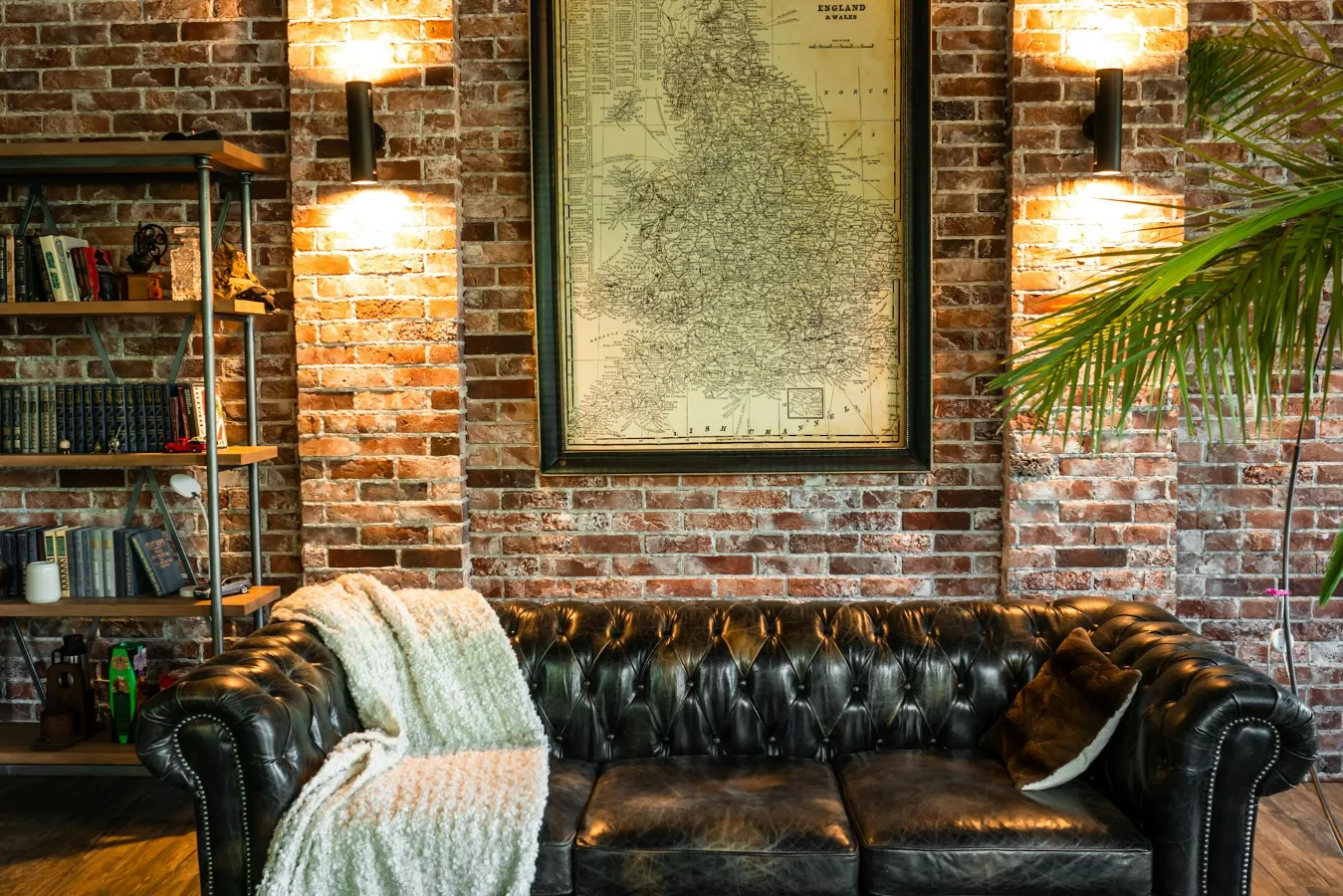
Masculine home decor is best understood as a design approach, not a fixed style. It usually leans on strong lines, restrained color, solid materials, and a sense of order, but the best versions still feel comfortable, personal, and lived-in. If you are trying to create a masculine space, the goal is not to make everything dark or severe. The goal is to build a room with visual weight, clarity, and purpose. home theater decorations offers more detail on this point. gothic decor home offers more detail on this point.
That matters because masculine decor can fail in two opposite ways: it can become too sparse and impersonal, or it can drift into a cliché of black walls, leather, and heavy furniture. A better approach is to focus on balance. Use a few grounded materials, edit the color palette, and choose pieces that look durable without feeling oversized or cold.
When masculine home decor makes sense
This style works well in a wide range of homes, from apartments to family spaces to a home office. It is especially useful if you want a room that feels calm, organized, and easy to maintain. Masculine decor often suits people who prefer cleaner visual lines, fewer decorative objects, and materials that age well.
It also works as a bridge between styles. A room can feel masculine without being industrial, modern, rustic, or minimal in a pure sense. In practice, many of the best spaces borrow from several categories: a leather chair, a simple wood table, a textured rug, and a few framed prints can create the right tone without looking themed.
One overlooked advantage is flexibility. Because the style relies on fundamentals rather than trend-driven accessories, it can adapt to changing furniture, art, and layout choices over time. That makes it useful for renters, first homes, and rooms that need to stay visually calm while still feeling finished.
Start with the visual structure of the room
The foundation of masculine decor is structure. Before choosing accessories, look at the major surfaces and larger objects in the room. The strongest spaces usually have a clear visual anchor, such as a sofa, bed, desk, or media console, and enough negative space around it so the room does not feel crowded.
Step 1: Decide how formal or relaxed you want the room to feel
Masculine decor does not have one mood. A study, bedroom, and living room each call for a different tone. A more formal room may use symmetrical arrangements, darker finishes, and sharper edges. A relaxed room can soften those choices with woven textiles, aged wood, and a less rigid layout.
That decision should guide every other choice. A room that is meant for work and focus usually benefits from cleaner lines and fewer soft accents. A room meant for entertaining can tolerate more contrast, more seating variety, and more visual warmth.
Step 2: Build around materials that carry visual weight
Materials matter more than decoration. Wood, leather, metal, stone, linen, wool, and matte painted surfaces all create a different sense of presence. Masculine interiors often rely on materials that look substantial and tactile rather than shiny or delicate.
Warm wood finishes can keep a room from feeling stark. Leather adds depth and age. Metal frames, black accents, and stone surfaces can bring definition. Textiles such as wool and linen soften the look without making it overly decorative. The most successful rooms usually combine hard and soft materials so the space feels layered, not one-note.
Use color with restraint, not fear
A common misconception is that masculine decor must be dark. Dark tones can absolutely work, but they are not the only option. What matters more is restraint and contrast. A masculine palette often uses neutrals, muted earth tones, charcoal, deep green, navy, taupe, camel, or off-white in combinations that feel controlled rather than busy.
Too much saturation can make the room feel restless. Too much black can flatten the space. A practical method is to choose one dominant base color, one or two supporting neutrals, and a limited accent color. That gives the room enough depth without creating visual clutter.
If the room gets little natural light, heavy colors can make it feel smaller than it is. In that case, use darker accents in furniture, frames, or textiles while keeping larger surfaces lighter. If the room is bright, deeper shades can add the grounded feeling many people want from masculine decor.
Choose furniture for proportion first, style second
Furniture in masculine interiors should feel purposeful. That does not always mean large or bulky. It means the scale should suit the room, and the silhouette should support the overall tone. Low-profile sectionals, tailored armchairs, substantial wood tables, and streamlined storage pieces often work better than highly ornate designs.
One practical trade-off is comfort versus visual crispness. Pieces with sharp lines can look polished, but if they are too firm or shallow they may be unpleasant to live with. The best masculine rooms manage to look structured while still supporting real daily use.
Be careful with oversized furniture in small spaces. A massive sofa or bed frame can dominate the room and make everything else feel like an afterthought. In compact rooms, slimmer legs, lower arms, and lighter visual profiles can still read as masculine if the materials and proportions are right.
Good furniture cues for this style
- Simple silhouettes with clean edges
- Visible wood grain or other natural texture
- Leather, boucle, wool, or linen in restrained tones
- Blackened metal, bronze, or matte hardware
- Storage that hides visual clutter
Lighting shapes the mood more than most people expect
Lighting is one of the most overlooked parts of masculine home decor. Strong furniture and color choices can still fail if the room is lit flatly. A layered lighting plan usually works better than relying on one overhead fixture.
Use ambient light for general brightness, task lighting where activity happens, and accent light to bring attention to texture or artwork. A floor lamp beside a reading chair, a desk lamp in a home office, or a warm table lamp on a console can make a room feel finished without adding unnecessary decoration. gold floor lamp offers more detail on this point.
Fixture style matters too. Simple metal, frosted glass, wood, or linen shades often fit well. Avoid overly decorative fixtures if the rest of the room is restrained. The best choice usually reinforces the room’s tone instead of competing with it.
Texture is what keeps the room from feeling flat
Many masculine rooms rely heavily on neutrals, which means texture has to do more of the work. Without it, the space can look like a catalog page instead of a home. Texture adds depth even when the color palette is limited.
Mix smooth and rough surfaces. Pair a leather chair with a nubby rug. Place a matte ceramic lamp beside a wood console. Use woven baskets, brushed metal, or natural stone sparingly to create contrast. This is one of the easiest ways to make a room feel designed without adding clutter.
Textiles are especially useful in bedrooms and living rooms. A wool throw, a boucle pillow, or a subtle patterned rug can warm up the space and reduce the severity that sometimes comes with a strongly masculine palette.
Examples of masculine decor by room
Living room
A masculine living room often centers on comfort, proportion, and a few strong materials. A sofa in charcoal, camel, or deep gray can set the tone. Add a wood coffee table, one or two accent chairs, and a rug that grounds the seating area. Keep decorative objects edited so the room feels intentional rather than crowded.
If the room doubles as an entertainment space, storage becomes important. Closed cabinets, consoles with doors, and minimal shelf styling help maintain the clean look that masculine decor often depends on.
Bedroom
Masculine bedroom decor usually benefits from calmness. The bed should anchor the room, with layered bedding in muted colors and strong but simple bedside tables. A darker headboard, tailored bedding, and warm lighting can make the room feel restful without becoming sterile.
A useful trick is to keep the largest surfaces quiet and let texture carry the interest. That may mean linen sheets, a wool throw, a leather bench, or framed art with subdued tones.
Home office
A masculine home office works best when it balances focus and comfort. Choose a desk with enough surface area to stay organized, a chair that suits long sessions, and storage that keeps cords and paper out of sight. Here, the style should support concentration, so avoid too many decorative distractions.
Materials like wood, metal, and leather can help the room feel grounded. Good task lighting matters here more than in many other rooms, because the function of the space should lead the design.
Common mistakes to avoid
One common mistake is mistaking masculine style for heaviness. Too many dark pieces, thick furniture, and harsh contrasts can make a room feel weighed down. Masculine does not need to mean overloaded.
Another mistake is removing too much softness. A room with no textile variation, no warm material, and no variation in finish can feel cold and uninviting. Even the most pared-back spaces need some softness through rugs, drapery, bedding, or upholstery.
A third mistake is decorating only with novelty items that signal a theme but do not support the room. Signs, symbols, and gimmicky accessories often age poorly. Stronger rooms are built from good furniture, practical storage, and a controlled palette, not surface-level cues.
Finally, many people ignore scale. A masculine room can still fail if the furniture is too large, too small, or badly spaced. Balance matters more than force.
A simple checklist for getting the look right
- Choose a restrained palette with one clear base tone
- Use at least two or three distinct materials
- Mix hard surfaces with soft ones
- Keep furniture proportional to the room
- Prioritize storage and remove visual clutter
- Layer lighting instead of relying on one fixture
- Add texture through rugs, pillows, and drapery
- Use art and decor sparingly but deliberately
- Leave some open space so the room can breathe
Practical alternatives if full masculine styling feels too severe
Not every space needs a strongly masculine look. If you want the mood without the heaviness, aim for a softer interpretation. That can mean lighter woods, warmer neutrals, rounded edges, or more tactile fabrics. You can still keep the structure and restraint while avoiding a stark result.
Another alternative is to make only one part of the room masculine. A bedroom might have a moody headboard wall and otherwise stay light. A living room might use a leather chair and wood table while keeping the sofa and walls brighter. This approach is often more livable and easier to update later.
That flexibility is part of what makes masculine home decor useful as a cluster topic. It connects naturally to broader styling choices, material selection, room-by-room planning, and the practical decisions that shape how a home feels day to day.
How to evaluate whether a piece belongs in the room
Before buying a decor item or furniture piece, ask a few simple questions. Does it strengthen the palette? Does it add useful texture or function? Does it fit the room’s scale? Does it feel consistent with the atmosphere you want to create? If the answer to most of those is no, the piece may be attractive on its own but still wrong for the space.
That filter is especially useful with masculine decor because the style can look intentional fast, but it can also tip into sameness quickly. A good edit matters more than quantity. A few well-chosen pieces will usually create a stronger result than a room full of loosely related objects.
For most spaces, the best masculine home decor is not about proving a point. It is about making the room easier to use, easier to keep tidy, and more cohesive to live with over time.