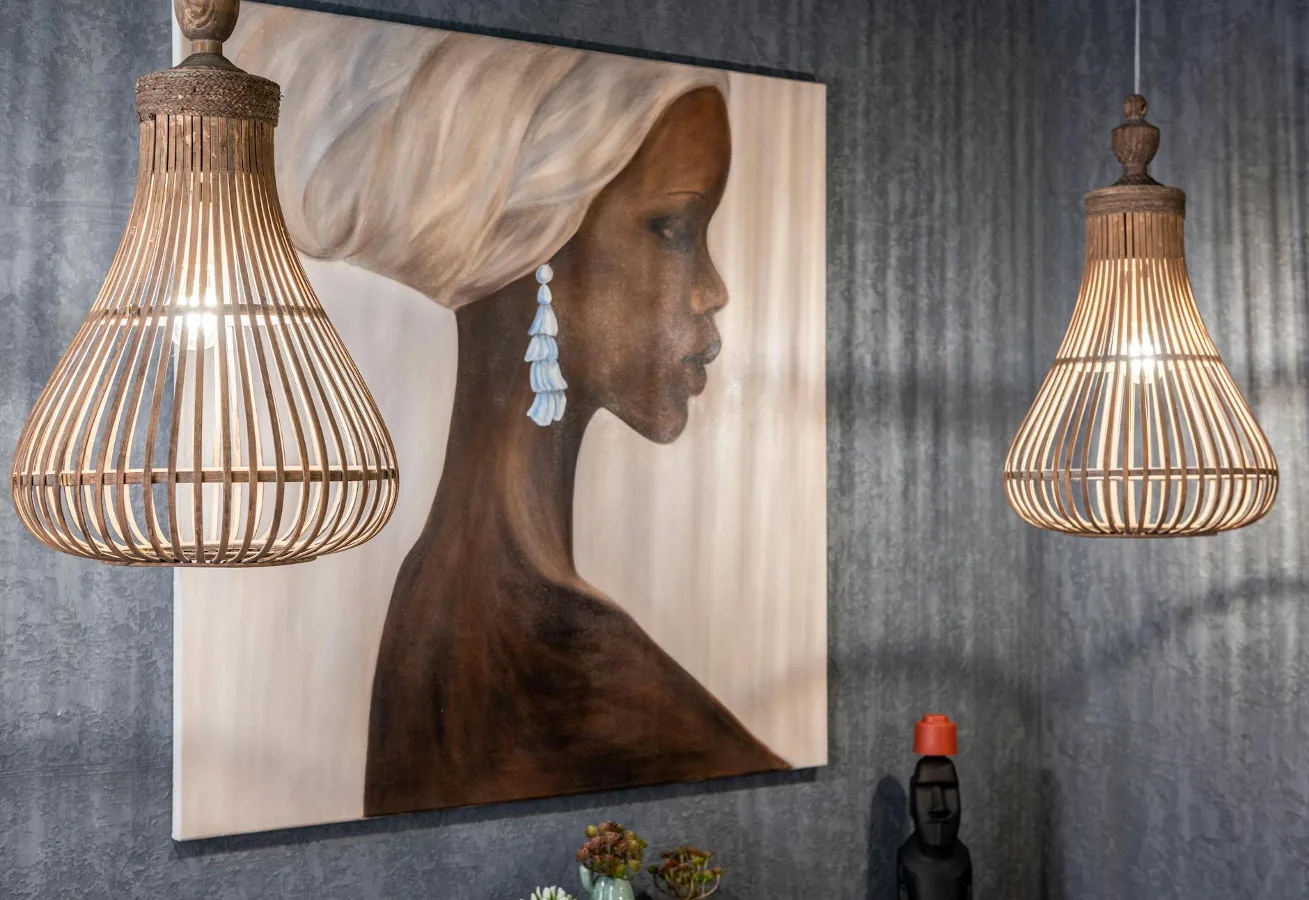
What African decoration for home really means
African decoration for home usually refers to decor inspired by the art, patterns, materials, and craft traditions found across the African continent. In practical terms, that can include woven baskets, carved wood objects, mud cloth-style textiles, beaded accents, earthy ceramics, bold geometric prints, and wall art that draws from African design languages. islamic home decor offers more detail on this point. Horse Home Decor: How to Style It Well offers more detail on this point.
The best version of this style is not about filling a room with matching “theme” pieces. It works better as a layered look: a few meaningful accents, a strong material mix, and colors that feel grounded. That approach helps the room feel curated rather than cluttered.
If you are shopping for African decoration for home, the main question is not just what looks attractive. It is whether the piece fits your room size, existing palette, lifestyle, and level of visual energy. Some decor reads as subtle and textural. Other pieces are bold and should be treated as focal points.
A common misconception is that all African-inspired decor should be colorful or highly patterned. Many of the most versatile pieces rely on natural finishes, black-and-white contrast, earthy tones, and handcrafted texture. That makes them easier to integrate into modern, minimalist, boho, transitional, or eclectic interiors.
Start with the room, not the object
The easiest way to make African decor work in a home is to decide what role it should play in the room. A living room may need a statement piece above the sofa. A bedroom may benefit more from a softer textile or a pair of accent pillows. An entryway might be better suited to a basket wall, a carved bowl, or a single sculptural object on a console.
This is where many shoppers go wrong: they buy pieces one by one because each item looks interesting, but the room does not have a clear structure. The result can feel busy. A better approach is to identify one of three roles for each piece.
- Focal point: a large wall hanging, bold artwork, or sculptural object that draws attention.
- Texture layer: baskets, woven textiles, beaded details, or natural fibers that soften a space.
- Accent piece: smaller objects that reinforce the color palette without dominating the room.
Once you know the role, choosing becomes much easier. You can evaluate whether the item should be quiet or expressive, large or small, symmetrical or intentionally irregular.
Key factors to compare before you buy
Not every African-inspired piece serves the same purpose. A smart buyer looks at a few practical factors before choosing anything for the home.
Materials and finish
Materials shape both the look and the maintenance level. Woven grass, rattan, sisal, raffia, wood, clay, glass beads, and cotton textiles all create different effects. Natural materials usually feel warmer and more authentic in a decorated room, but they can also be more delicate than synthetic alternatives.
If you want a softer, more relaxed look, woven and textile-based pieces are usually easier to live with. If you want structure and contrast, carved wood or ceramic accents may work better. A glossy finish can look polished, but matte and hand-finished surfaces usually feel more grounded and artisanal.
Color palette
Color is one of the most important decisions. Some African decor uses vivid reds, yellows, indigos, or multicolor patterning. Other pieces stay close to earth tones, black, ivory, rust, ochre, and deep brown. Neither approach is automatically better.
The right palette depends on the room. If your room already has strong colors, choose decor that reinforces rather than competes. If the room is neutral, a patterned textile or artwork can create needed energy. For smaller spaces, lighter tones and restrained contrast often feel easier to live with.
Scale and proportion
Scale matters more than many shoppers expect. A small basket may disappear on a large wall. A highly detailed textile may look crowded in a narrow hallway. Before buying, think about where the piece will live and how much visual weight it needs to carry.
For wall decor, measure the surface area first. For shelf decor, consider whether the piece has enough presence to stand alone or whether it needs to be grouped with books, ceramics, or candles. For tabletop accents, avoid pieces that are so tall or dense that they interrupt sight lines.
Cultural authenticity and respect
Another overlooked consideration is cultural context. African design is not one look, one country, or one set of symbols. The continent includes many regions, traditions, and craft histories. Choosing decor with care means learning enough to avoid flattening everything into a generic “tribal” aesthetic.
That does not mean you need to be an expert. It does mean you should read product descriptions thoughtfully, look for artisan-made work where possible, and avoid using sacred or highly specific cultural motifs without understanding their meaning. Respectful decorating often starts with curiosity and restraint.
Care requirements
Some pieces are beautiful but demand more maintenance than buyers realize. Textiles may need gentle cleaning or careful placement away from direct sunlight. Natural fibers can shift, fray, or collect dust. Wood may need occasional dusting and protection from humidity. Beaded or mixed-material pieces can be more fragile during cleaning.
If you want decor that stays low-maintenance, choose items that fit your cleaning habits. A wall hanging in a low-touch area is easier to maintain than an object that needs frequent moving and dusting.
Practical ways to style African decor at home
The most successful rooms usually use African-inspired decor as part of a larger composition, not as a standalone theme. That gives the space flexibility and helps the pieces feel intentional.
Use one strong focal point
If you are new to this style, start with a single anchor piece. That might be a large textile, a framed print, a carved mask displayed as art rather than as a costume-like prop, or a basket grouping on one wall. A focal point creates a visual center and keeps the rest of the room simple.
This approach works especially well in living rooms and dining areas, where a clear focal area helps organize furniture placement.
Layer texture into a neutral room
Many people search for African decoration for home because they want a room that feels warmer. Texture is often the easiest path. Woven trays, handmade baskets, cotton throws, linen upholstery, and carved wood can add depth without overwhelming the room.
Neutral interiors benefit from this kind of layering because it adds personality without requiring a full color overhaul. The room stays calm, but it no longer feels flat.
Mix pattern carefully
Pattern is one of the most recognizable parts of African-inspired decor, but it needs balance. If the rug, pillows, wall art, and curtains all compete, the room can feel chaotic. A better method is to let one pattern lead and keep the rest quieter.
For example, a bold patterned pillow can work well with a solid sofa, a natural-fiber rug, and simple wall decor. Or a printed textile can hang above a console while the surrounding accessories stay understated.
Repeat materials for cohesion
One practical styling trick is to repeat the same material in different ways. A woven basket, a natural-fiber lamp shade, and a textured tray can help a room feel connected even if the shapes differ. Repetition is especially useful in open-plan homes where the decor must feel unified across several zones. complete guide to gold floor lamp offers more detail on this point.
Think in pairs and groups
Some African decor pieces look best alone, but many benefit from grouping. Basket walls, grouped vessels, and clustered objects can create rhythm and make smaller items feel more intentional. When grouping, vary height, texture, and shape instead of using identical objects in a row.
Choosing the right pieces by room
Different rooms call for different levels of visual energy and practicality. A buyer who understands that can avoid pieces that look great online but feel awkward in real life.
| Room | Best types of African-inspired decor | What to watch for |
|---|---|---|
| Living room | Wall art, baskets, throw pillows, sculptural accents | Overcrowding the main seating area |
| Bedroom | Textiles, small wall pieces, soft natural textures | Too much contrast or visual noise near the bed |
| Dining room | Centerpieces, wall decor, serving pieces with artisanal character | Pieces that interfere with table use |
| Entryway | Console accents, baskets, shallow wall decor, trays | Items that are too large for narrow traffic areas |
| Home office | Controlled-pattern accessories, framed art, subtle texture | Overly busy styling that distracts from work |
In smaller rooms, restraint usually wins. One well-chosen accent can add much more sophistication than several competing pieces. In larger spaces, you can use more layering, but the decor still needs a clear hierarchy.
How to shop smarter, online or in stores
Because African decoration for home is sold through many different kinds of retailers, the quality range can be wide. Some pieces are artisan-made and thoughtfully described. Others are generic imports with little context. A careful buyer looks beyond the main photo.
Pay attention to material descriptions, dimensions, care instructions, and any mention of origin or craftsmanship. If the listing uses vague language like “tribal” without identifying materials or design source, treat it cautiously. Good product pages should help you understand what you are buying, not just how it looks.
Photographs can be misleading, especially with textiles and wall decor. Check whether the item is shown in a styled room or against a plain background. Styled photos help with inspiration, but they do not always reveal exact scale. Plain background shots are often better for judging proportions and details.
If you are buying a handmade piece, natural variation is usually part of the appeal. Slight irregularities in weave, finish, or pattern can signal craftsmanship rather than defect. Still, there is a difference between character and poor quality. Uneven edges, loose construction, or unclear materials are worth questioning.
Common mistakes to avoid
Many decorating problems happen because buyers focus on style only and ignore how the piece will function in the room.
- Buying too many statement pieces: Strong decor needs breathing room.
- Ignoring scale: A piece that looks right in a listing may feel too small or too large at home.
- Mixing every pattern at once: Too many prints can erase the impact of each one.
- Choosing decor that clashes with existing furniture: The room should feel edited, not random.
- Skipping cultural context: Respect and understanding matter, especially with symbolic or region-specific designs.
- Overlooking maintenance: Some materials need more care than buyers expect.
Another subtle mistake is treating African-inspired decor as a temporary trend. The strongest rooms use these pieces because they fit the home’s overall character, not because they are fashionable in the moment. That makes the investment more durable over time.
Deciding between bold and subtle styling
Not every home needs the same level of expression. A bold approach can be wonderful if the rest of the room is simple. Subtle styling is often better if you already have strong furniture, colorful rugs, or lots of artwork.
A useful rule is to decide whether your space needs contrast or continuity. If the room feels flat, choose a piece with pattern, texture, or strong shape. If the room already feels visually active, choose quieter pieces that support the overall look instead of competing with it.
For many homes, the most practical route is a mixed approach: one or two stronger pieces paired with several understated accents. That gives you identity without visual overload.
Where African decoration tends to work best
These pieces often work especially well in rooms that need warmth, story, or tactile interest. They can also bridge styles. A woven basket or carved wood object may fit just as easily in a modern apartment as in a boho or eclectic home.
They are less effective when the room already has too many competing motifs, or when the architecture and furnishings are extremely ornate. In those cases, simpler pieces with clean lines and natural materials are usually a better fit.
Outdoor covered spaces can also be a good match, but only if the materials are suitable for the environment. Sun, moisture, and temperature changes can affect natural fibers and untreated wood. If you are styling a porch or patio, durability and care requirements should weigh heavily in the decision.
A simple buying framework
If you want a quick way to choose, use this order of priorities:
- Decide the role of the piece: focal point, texture layer, or accent.
- Match the scale to the room and placement area.
- Check materials and care requirements.
- Choose a palette that supports the existing room.
- Consider cultural context and craftsmanship.
- Confirm the piece works with your cleaning habits and long-term plans.
This framework keeps the decision grounded. It also helps you avoid buying decor that is attractive in isolation but awkward once it is inside your home.
African decoration for home works best when it feels considered. The right piece can add warmth, history, and depth without making a room feel staged. Focus on materials, scale, context, and balance, and the result is more likely to feel timeless rather than trendy.