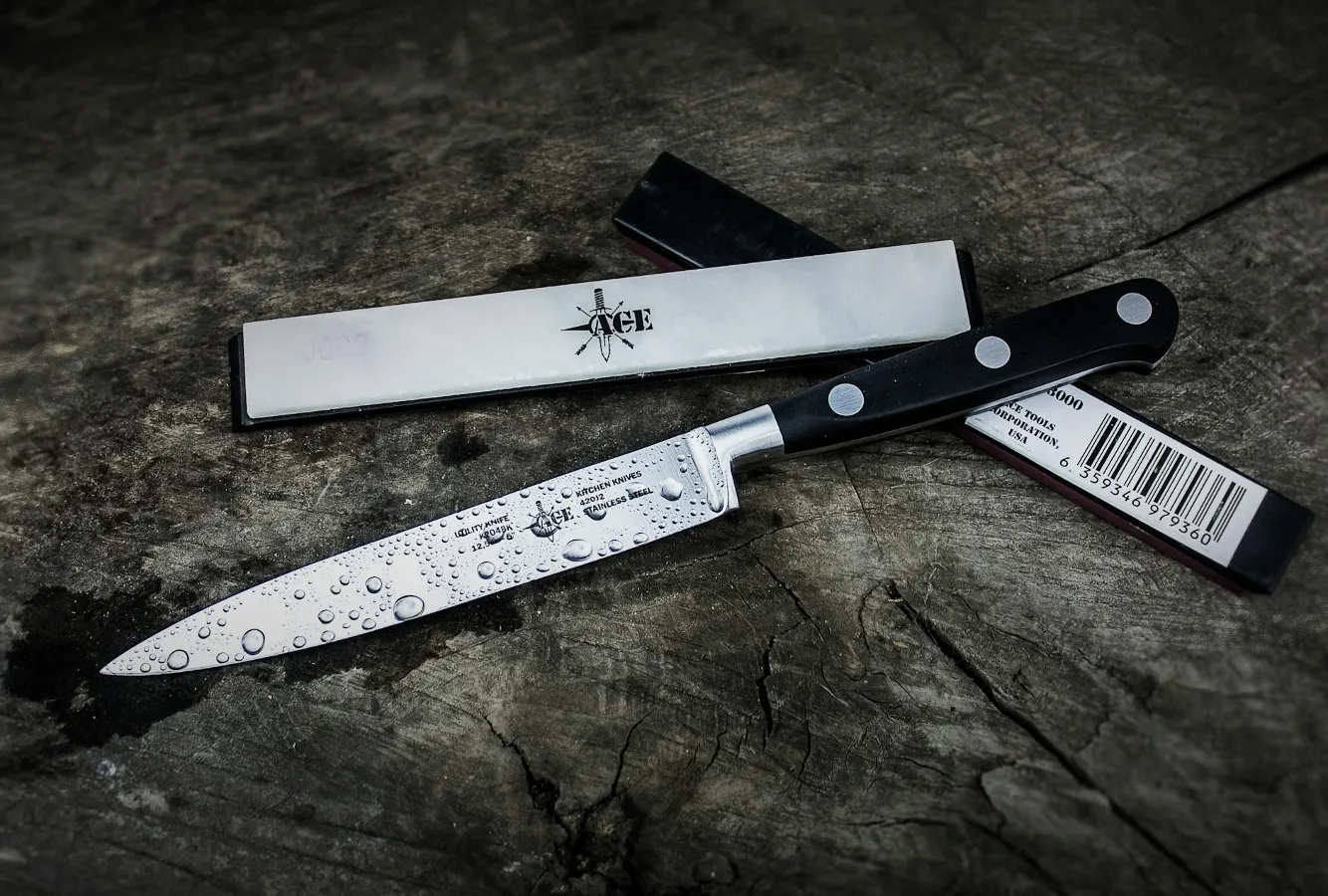
Who a JA Henckels professional knife set is for
A JA Henckels professional knife set makes the most sense for cooks who want a dependable, all-purpose cutlery setup rather than a collection of specialty knives pieced together over time. If you cook most days, prep a mix of vegetables, proteins, and bread, and want one coordinated set that covers the basics cleanly, this category is worth a close look.
These sets are usually aimed at people who value familiar kitchen essentials: a chef’s knife, a paring knife, a utility knife, and a bread knife, often with a storage block. The appeal is less about novelty and more about consistency. You get knives designed to work together, with similar balance and a common maintenance routine. common knife buying mistakes offers more detail on this point. choosing the right kitchen knife set offers more detail on this point. Damascus Kitchen Knife Set: Buyer’s Guide offers more detail on this point.
They are also a practical option if you are replacing old mixed-brand knives. A cohesive set can simplify storage, sharpening, and everyday prep. That said, a knife set is not automatically the best choice for every cook. If you already own a great chef’s knife and only need one or two specific tools, a set may include pieces you will rarely use.
The quick answer before you compare models
If you are asking whether a JA Henckels professional knife set is a sensible buy, the short answer is yes for the right user. These sets are generally a fit for home cooks who want a practical, recognizable cutlery lineup and do not want to assemble knives one by one.
The more useful question is not whether the brand is good in the abstract, but whether the set matches your cooking style. A professional-style knife set tends to be most valuable when you want:
- a strong everyday chef’s knife for general prep
- a smaller knife for trimming, peeling, and detail work
- a serrated knife for bread, tomatoes, and crusty foods
- a storage solution that keeps blades organized
- simple upkeep rather than a highly specialized knife collection
If that sounds like your kitchen, the category is a strong candidate. If you cook very lightly, prefer ultra-light knives, or already know you want specialty blades, it may be smarter to buy individually.
What usually matters most in this category
For a JA Henckels professional knife set, the real decision factors are less about marketing and more about everyday usability. The most important considerations tend to be blade type, handle comfort, balance, storage, and maintenance needs.
Blade construction and sharpening feel
Knife sets in this category may include different blade constructions depending on the model line. The main practical distinction is how the knife feels during use and how often you will need to sharpen it. Heavier forged knives often feel solid and controlled, while lighter stamped knives can feel quicker and easier to maneuver for some users.
Neither approach is universally better. A heavier knife can feel reassuring for larger prep tasks, while a lighter knife may reduce fatigue if you cook for long stretches. The key is to choose the feel that matches your hand and cutting style.
Handle comfort and grip security
Handle shape matters more than many buyers expect. A knife can look impressive on paper and still feel awkward after ten minutes of chopping. If you have the chance to compare options, pay attention to whether the handle gives you a secure, relaxed grip without forcing your wrist into an unnatural angle.
For a professional knife set, comfort should be judged by how the knife transitions between tasks: slicing, chopping, rocking, and trimming. A handle that feels only slightly off in the store can become tiring during meal prep.
Weight and balance
Balance affects control. Some cooks prefer a knife that feels blade-forward for efficient chopping, while others want a more handle-balanced feel for finer control. A set is more attractive when the pieces feel coherent in the hand instead of wildly different from one knife to the next.
This is an overlooked consideration because many shoppers focus on blade count and ignore ergonomics. In real kitchens, comfort and balance often matter more than having extra accessory knives that seldom leave the block.
Storage and kitchen footprint
Many professional-style sets come with a block, which is convenient but not always ideal for every countertop. Before buying, think about where the set will live. A block saves drawer space and keeps blades organized, but it does take up counter area and can collect dust if not cleaned regularly.
If your kitchen is small, a knife set with a compact block or alternative storage may be more practical than a larger presentation-style block.
Trade-offs to weigh before buying
Buying a JA Henckels professional knife set is usually a compromise between convenience and selectivity. The set gives you a ready-made toolkit, but not every included knife will necessarily be equally useful.
One common trade-off is value versus redundancy. Sets often include several pieces so the block looks complete, yet not every home cook needs every knife. That does not make the set a bad buy, but it does mean you should evaluate the set by the knives you will actually reach for most often.
Another trade-off is versatility versus specialization. A set is designed to cover a broad range of tasks. If you frequently cook specialized cuisines or rely on particular cutting techniques, individual knives may serve you better than a bundled package.
There is also the question of maintenance. A higher-quality knife set still needs proper care. If you want something you can toss in the dishwasher and forget, a more refined set may disappoint over time. Hand washing and proper drying are usually the safer habits for preserving edge quality and handle condition.
Materials and spec factors that deserve attention
Even without focusing on a specific model number, you can make a better buying decision by understanding the material and spec details that affect day-to-day performance.
Blade steel and edge retention
Blade steel influences how the knife sharpens, how long it keeps an edge, and how forgiving it is for regular home use. In practice, most buyers should care less about chasing the highest-sounding spec and more about whether the knife can be maintained easily with the sharpening tools they already have or are willing to use.
If you are not comfortable sharpening knives often, look for a set that fits your maintenance habits rather than assuming any blade will stay sharp indefinitely. Edge retention and sharpening frequency are linked to how you use the knife, what you cut, and how well you care for it.
Forged versus stamped construction
Forged knives often feel more substantial and may include features like a bolster, which can affect grip and weight distribution. Stamped knives are usually lighter and can be easier for some people to handle. The right choice depends on whether you value heft and a traditional feel or prefer agility and less fatigue.
A common misconception is that heavier automatically means better. In reality, a knife that feels too heavy can be less efficient for a smaller hand or for cooks who prefer quick, repetitive chopping.
Number of pieces in the set
More pieces do not always mean a better purchase. Focus on whether the set contains the core knives you need:
- chef’s knife for chopping and slicing
- paring knife for detail work
- utility knife for in-between tasks
- bread knife for crusty or delicate surfaces
- kitchen shears if they are actually useful in your cooking routine
Extra steak knives, specialty blades, or accessory tools can be helpful, but only if they fit your habits. Otherwise, they add cost and block space without much benefit.
Handle material and maintenance
Handle material affects grip feel, cleaning, and long-term wear. Smooth, durable handles are generally easier to maintain, but the best choice still comes down to comfort and confidence in the hand. If a handle feels slippery when wet or awkward after repeated use, that is a meaningful drawback no matter how good the blade is.
How to judge whether this is better than buying individual knives
A JA Henckels professional knife set is often appealing because it removes decision fatigue. You get a coordinated setup and can start cooking with a complete kit. But buying individual knives can be smarter if your priorities are very specific.
Choose a set if you want:
- a straightforward all-in-one purchase
- consistent feel across multiple knives
- organized storage in one block
- a dependable base collection for everyday cooking
Choose individual knives if you want:
- to invest more in one excellent chef’s knife
- to skip knives you will not use
- to mix brands or styles for different tasks
- to build a collection gradually
For many home kitchens, the best compromise is a set that covers the essentials and then a few carefully chosen extras later. That approach avoids overbuying while still giving you a unified core collection.
Common mistakes shoppers make
One of the biggest mistakes is buying based on appearance alone. A polished block and matching handles look nice on the counter, but they do not tell you whether the knives suit your grip or cutting style.
Another mistake is assuming every knife in the set will get equal use. Most cooks rely on a small number of blades most of the time. Before buying, think about which knives you use weekly and which ones would just fill space.
A third mistake is overlooking storage and care. If you do not have room for a block or a habit of hand washing and drying, even a solid knife set can become annoying. Knife care is part of ownership, not an optional extra.
It is also easy to underestimate sharpening. Even durable knives need maintenance. If you do not plan to sharpen or professionally service them, favor a set that is comfortable for your skill level and easy to keep in working shape.
Buyer scenario: who should lean in, and who should pause
Lean in if you are outfitting a first serious kitchen, replacing mismatched starter knives, or want a dependable set that simplifies everyday prep. A JA Henckels professional knife set is especially sensible if you value order, consistency, and a practical collection of core tools.
Pause if you are an experienced cook who already knows exactly which knife profiles you prefer. In that case, the bundle may include pieces that do not fit your workflow. You may also want to pause if you have very limited counter space or dislike maintaining a block.
Consider alternatives if your cooking is highly specialized. For example, some cooks will be better served by a focused three-knife setup, while others may prefer to buy a premium chef’s knife first and expand later.
Practical next steps before you buy
Before you choose a specific JA Henckels professional knife set, use a simple shortlist:
- List the knife types you use most often.
- Check whether the set includes those core pieces.
- Compare handle feel, weight, and balance if possible.
- Confirm that the storage block fits your counter space.
- Think through your cleaning and sharpening routine.
- Decide whether any included extras are genuinely useful to you.
This approach keeps the purchase grounded in actual kitchen use rather than visual appeal alone. The best set is the one that makes cooking easier every week, not just the one that looks complete on day one.
FAQs
Is a JA Henckels professional knife set good for beginners?
Yes, if the goal is a practical, ready-to-use cutlery setup. Beginners often benefit from a set because it provides the most common knives in one purchase and removes guesswork.
Do I need a knife block with the set?
Not necessarily. A block is convenient for countertop storage, but it takes up space. If your kitchen is small or you already use a drawer insert or magnetic storage, a block may not be essential.
Should I choose a forged or lighter knife set?
Choose based on comfort and cutting style. Heavier forged knives can feel stable and controlled, while lighter knives may be easier for longer prep sessions or smaller hands.
How many knives do I really need in a set?
Most home cooks can cover a lot with a chef’s knife, paring knife, utility knife, and bread knife. Extra pieces are useful only if they match how you actually cook.
What should I avoid when buying one?
Avoid choosing only by blade count or looks. Pay attention to handle comfort, storage needs, and whether the included knives will genuinely get used in your kitchen.
Final take
A JA Henckels professional knife set is a strong option when you want a dependable, coordinated kitchen toolset that covers daily prep without turning knife buying into a long research project. Its real value comes from fit: fit for your hand, your counter space, and the way you cook.
If you want a practical set that handles the basics well, this category is worth considering. If you want a more customized collection, buying individual knives may be the better long-term move. Either way, the smartest purchase is the one that matches your habits and stays comfortable to use after the novelty wears off.