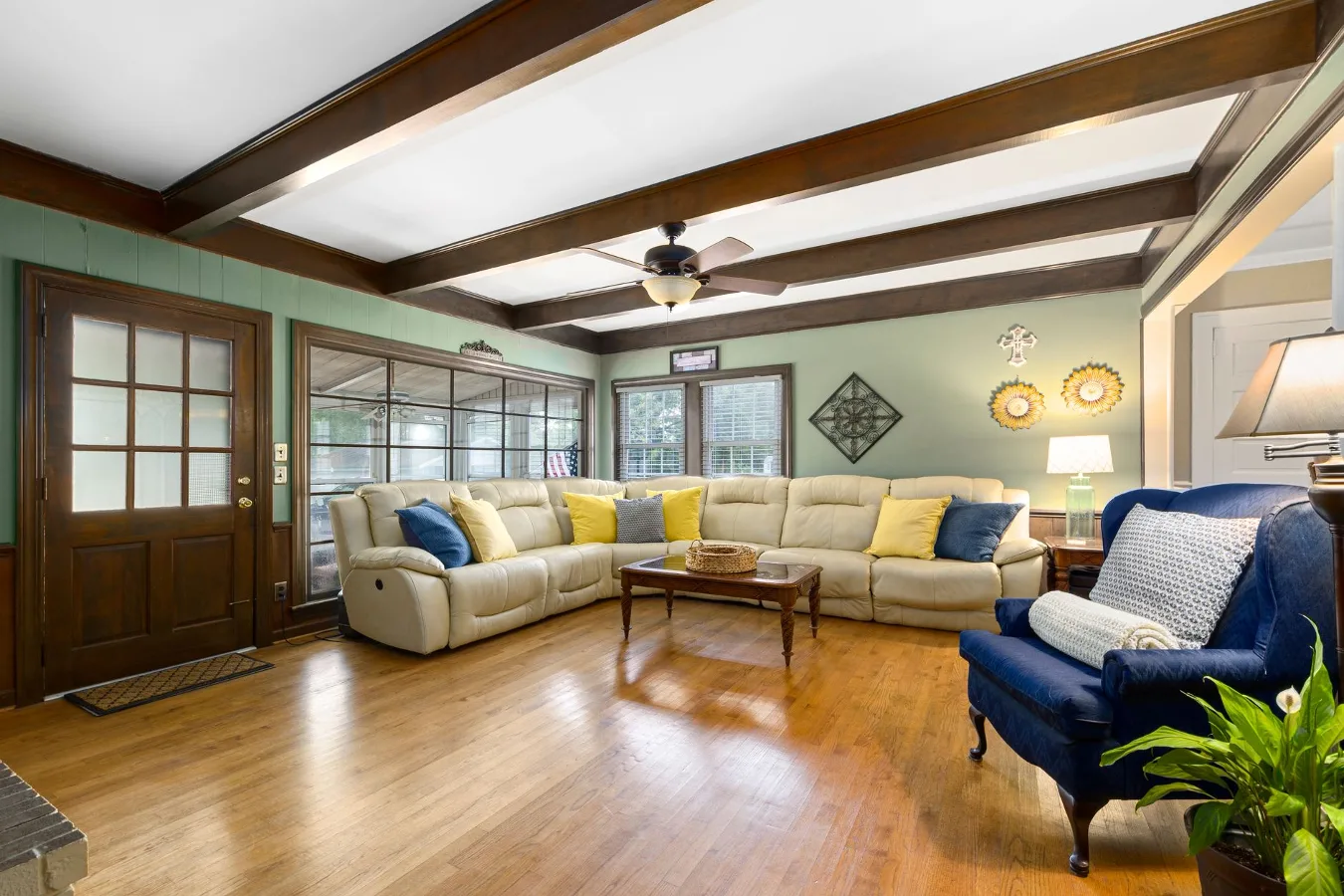
If you want a sofa that supports relaxed, everyday use, a reclining leather sofa is often a strong candidate. It combines the feel of upholstered lounge seating with the added comfort of built-in reclining, which makes it especially appealing for living rooms, family rooms, and media spaces. leather sofa buying guide offers more detail on this point.
The best choice is not just about appearance. Leather type, reclining mechanism, seat depth, frame quality, room layout, and maintenance all affect how well the sofa fits your home. A good match feels comfortable without overwhelming the room, and it should suit the way you actually use the space. how to choose a sectional for your space offers more detail on this point.
Who a reclining leather sofa suits best
This type of sofa works well for people who want a more relaxed seating position without adding separate recliners to the room. It is often a practical fit for households that use the sofa for TV watching, reading, naps, or informal gatherings.
It can also make sense if you want a cleaner look than a room full of mismatched chairs. A reclining sofa keeps the comfort built in, which can simplify the layout of a living room or den.
That said, it is not always the right answer. If your room is small, if you prefer a firmer upright seat, or if you need a very formal look, a reclining sofa may feel like too much furniture for the space.
Trade-offs to think about before buying
The biggest advantage of a reclining leather sofa is comfort. You get supported lounging without needing a separate footrest or chair. Leather can also be easier to wipe clean than many fabrics, which is helpful in busy homes.
The trade-offs are just as important. Reclining designs usually need more clearance than standard sofas, especially when the footrest extends. They can be heavier, more complex, and more difficult to move through tight doorways or up stairs. Some models also lean more casual than traditional sofas, which may matter if you want a polished, formal room.
Another practical nuance: the reclining feature can change how the sofa fits your daily routine. A seat that feels perfect when open may feel deeper or less supportive when closed, so it is worth thinking through both positions, not just the fully reclined one.
Material factors that matter most
Leather type
Not all leather upholstery behaves the same way. Top-grain leather is commonly chosen for a balance of softness, appearance, and durability. Full-grain leather keeps more of the natural character of the hide and may appeal to buyers who want a more premium, lived-in look over time. Bonded leather and faux leather can be more affordable, but they usually involve different wear patterns and maintenance expectations.
If you want a sofa that will age gracefully, it helps to understand how the finish may react to sunlight, spills, and daily contact. Some leathers develop patina, while others are more uniform in appearance. Neither is automatically better; the right choice depends on whether you prefer character or consistency.
Frame and reclining mechanism
The frame is the part you do not see, but it influences stability, longevity, and how smoothly the recliner operates. A solid frame and reliable mechanism matter more than decorative details. If the reclining function feels stiff, noisy, or uneven, the sofa will be less satisfying over time.
Manual and power reclining systems each have their own appeal. Manual models do not depend on an outlet and can be simpler in some layouts. Power recliners are often easier to adjust and may offer more precise positioning, which can be useful if multiple people use the sofa. The better choice depends on convenience, placement, and how much flexibility you want. manual vs. power recliners offers more detail on this point.
Seat structure and support
Comfort is not only about softness. Seat cushion density, back support, arm height, and seat depth all influence how the sofa feels in normal use. A sofa that is too deep can be relaxed but may make it harder for some people to sit upright comfortably. A shallower seat may feel more supportive but less lounge-friendly.
If several people will use the sofa, look for a balanced profile rather than the deepest, plushest option available. Shared seating usually works best when the cushions support a variety of body types and sitting styles.
Room layout and size considerations
Many buyers focus on upholstery first and size second, but layout deserves equal attention. A reclining sofa needs space both for the frame and for the reclined position. That means measuring the room, nearby tables, walking paths, and any obstructions like radiators, vents, or low shelves.
Wall placement is another overlooked issue. Some recliners can sit closer to a wall than others, but every model has its own clearance needs. If the room is tight, a wall-hugger style may be more practical than a deeper recliner that opens farther into the room.
Doorways, hallways, and stair turns also matter. A sofa may fit beautifully in the room and still be difficult to deliver. Before buying, compare the furniture dimensions to the narrowest access points in the home.
Comfort differences that are easy to overlook
People often assume all reclining sofas feel similarly comfortable, but small design choices change the experience a lot. Arm width affects how you rest or lounge. Cushion firmness affects whether the seat feels supportive or sink-in soft. Footrest angle affects leg comfort. Even the headrest position can influence whether the sofa works better for sitting upright or lying back.
Another common misconception is that the softest sofa is the most comfortable. In practice, a very plush reclining leather sofa may feel inviting at first but offer less support during longer sessions. A slightly firmer seat can be more versatile for daily use.
For households with mixed preferences, the most practical option is usually the one that balances support, recline range, and easy entry and exit rather than maximizing one feature alone.
Style and placement in the home
A reclining leather sofa often works best in relaxed spaces such as a family room, den, basement lounge, or home theater area. In those settings, comfort and durability usually matter more than formal styling.
Color choice affects how the sofa reads in the room. Dark leather can feel grounded and traditional, while lighter shades may look airier but can also show wear, dust, or color variation differently. Texture and stitching details also influence the final look, so it helps to think beyond the color name alone.
If you are trying to bridge comfort and style, keep the surrounding furniture simple. A reclining sofa usually looks best when paired with a coffee table, side tables, and lighting that do not crowd the room. Let the sofa do the heavy lifting instead of overfilling the space.
Maintenance and care expectations
Leather is often chosen because it is relatively straightforward to maintain, but it is not maintenance-free. Regular dusting, prompt spill cleanup, and periodic conditioning recommendations from the manufacturer can help preserve the surface. Direct sun, heat sources, and sharp objects can all shorten the life of the upholstery.
Reclining mechanisms also need attention. Keep the moving parts clear of debris, avoid forcing the seat, and make sure nothing blocks the path of the footrest. If the sofa has power controls, place it where cords and outlets can be managed neatly and safely.
Homes with children or pets should think carefully about wear patterns. Leather can be a practical choice, but claws, toys, and frequent contact with denim or rough materials may leave marks over time. If your household is especially active, a finish that is easier to maintain may matter more than a luxury feel.
Common mistakes shoppers make
- Choosing a sofa based on appearance alone and ignoring reclining clearance.
- Forgetting to measure doorways, hallways, and stairwells before delivery.
- Picking a seat that feels too deep or too soft for daily sitting.
- Assuming all leather types age and clean the same way.
- Overlooking whether manual or power reclining fits the room layout better.
- Buying a large sectional for a small room without planning traffic flow.
When a different option may be better
A reclining leather sofa is not the only way to create a comfortable seating area. If you want more flexibility, a separate sofa and recliner may allow better spacing and easier rearrangement. If your room is compact, a standard leather sofa or loveseat can offer a cleaner fit. If budget or maintenance is a concern, fabric seating or performance upholstery may better match your needs.
For some buyers, the simplest solution is also the smartest: choose the style that leaves enough room for movement, keeps the room visually balanced, and fits the way the household actually lives.
What to check before you buy
- Overall dimensions and reclining clearance
- Leather type and finish
- Manual or power reclining preference
- Seat depth and firmness
- Frame construction and mechanism quality
- Room access for delivery
- Outlet access if choosing power reclining
- Placement relative to walls, tables, and walkways
- Care requirements for cleaning and long-term upkeep
Next steps for making a confident choice
Start by measuring the room and mapping where the sofa will sit both closed and reclined. Then decide whether you want the convenience of power reclining or the simplicity of a manual design. After that, compare leather types, seat support, and maintenance needs against the way your household actually uses the room.
If you are narrowing down options across a broader furniture search, it helps to compare this category with other living room seating, sectional layouts, and easy-care upholstery choices before committing. A reclining leather sofa can be an excellent purchase, but only when the size, mechanism, and finish align with your space and routine.
FAQs
Is a reclining leather sofa good for everyday use?
Yes, if you want comfortable lounging and can accommodate the extra clearance and weight. It is especially practical in family rooms and media spaces.
What is better, manual or power reclining?
Manual reclining can be simpler and does not require an outlet. Power reclining is easier to adjust and may be more convenient if several people use the sofa.
How do I know if a reclining sofa will fit my room?
Measure the full sofa dimensions, the reclined depth, and the space needed for walkways and nearby furniture. Also check doorways and hallways for delivery access.
Is leather easier to maintain than fabric?
Often, yes, for everyday wipe-down cleaning. But leather still needs proper care, and some finishes can be sensitive to sun, heat, and scratches.
What should I avoid when buying one?
Avoid choosing the sofa without checking clearance, seat depth, delivery access, and the type of leather used. Those details have a bigger impact than many buyers expect.