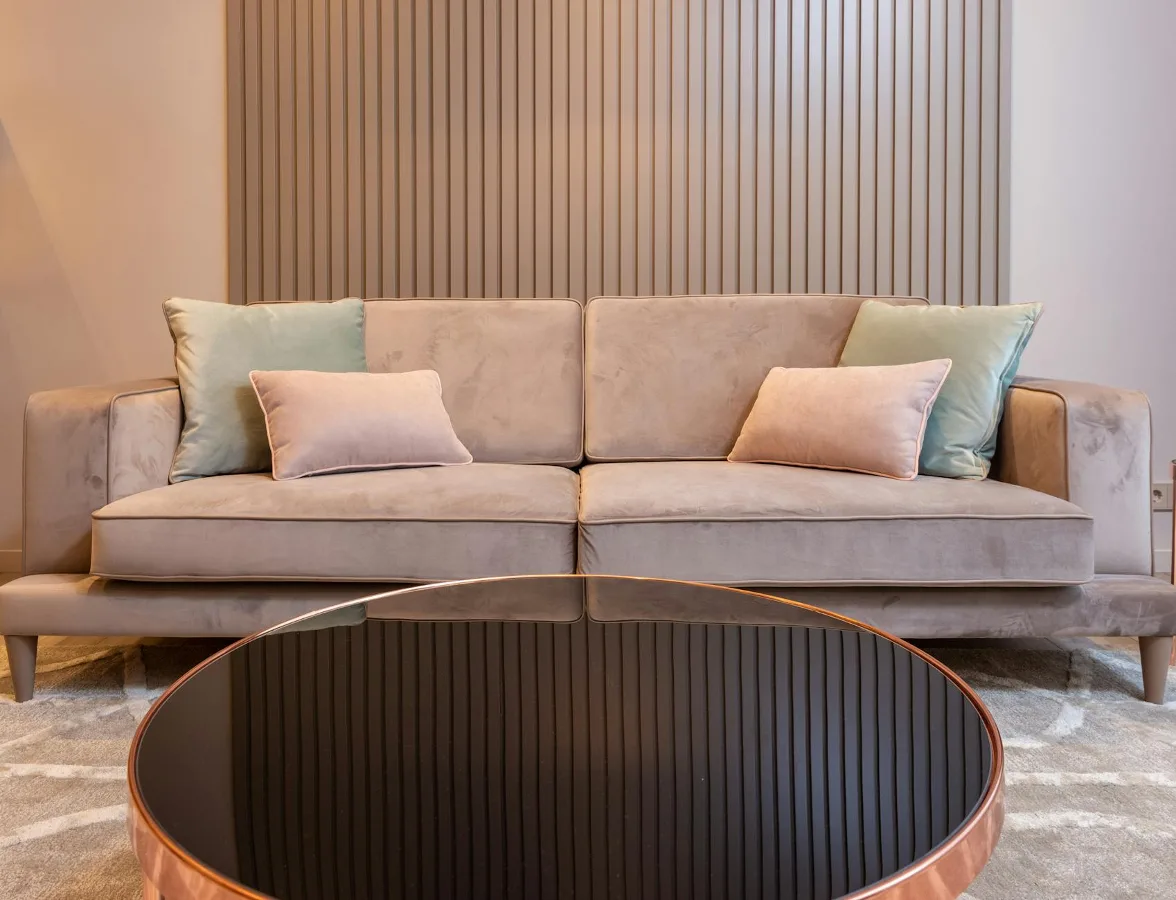
What a comforty sofa usually means
A comforty sofa is usually a sofa chosen for relaxed, everyday seating: the kind of piece you want to sink into after work, stretch out on for a movie, or use as the main gathering spot in the living room. People searching for this term are often looking for a sofa that feels genuinely comfortable without sacrificing style, durability, or fit.
That balance matters. A sofa can look soft and inviting in photos but still feel too shallow, too firm, too low, or too difficult to keep clean once it is in a real home. The best choice depends on who will use it, how the room is laid out, and whether you need a lounging piece, a formal seating option, or something in between. green dress and offers more detail on this point.
Buyer scenario: who a comforty sofa is best for
This kind of sofa makes the most sense if comfort is the top priority and the sofa will see regular use. It is especially useful in family rooms, apartments where one seating piece has to do a lot of work, and homes where guests often end up lingering for hours.
A comfort-focused sofa is also a practical choice if you tend to read, nap, stream shows, or work from the couch. In those cases, details such as seat depth, cushion fill, arm height, and back support matter more than a decorative silhouette.
On the other hand, if your space is very formal or you need a narrow sofa for a tight walkway, a deeply cushioned style may not be the best fit. Comfort is only useful if the sofa matches the room and the way you live in it.
The trade-offs behind a softer, more relaxed sofa
One common misconception is that a softer sofa is automatically better. In practice, comfort can mean very different things. Some people prefer a plush, sink-in feel; others want a supportive seat that does not collapse under them. The right choice depends on how you like to sit and how long you stay seated.
Plusher sofas often feel welcoming right away, but they can also require more effort to get in and out of, especially for taller people, older adults, or anyone with knee or back concerns. Very deep seats may feel luxurious for lounging, yet they can leave shorter users without enough foot support unless throw pillows are used as lumbar support. Reclining Sofas and Recliners: Buyer’s Guide offers more detail on this point.
More structured sofas often hold their shape better and can be easier for mixed-use spaces, but they may not deliver the relaxed feel many shoppers want from a comforty sofa. The goal is not to chase the softest option; it is to choose a support level that fits your body and your routine.
Material and spec factors that affect comfort
Comfort is not just about the cushions. The frame, suspension, upholstery, and cushion construction all change how a sofa feels and how long it keeps that feel.
Frame and support system
A solid frame helps the sofa stay stable over time. Hardwood frames are often preferred in furniture discussions because they are generally associated with better long-term stability than lightweight, loosely built alternatives. But the bigger point is consistency: a well-made frame should feel sturdy, not creaky, and should not flex excessively when you sit down.
Suspension also matters. Some sofas use springs, others use webbing or similar support systems. The feel can vary a lot, so a sofa that looks similar to another can still sit very differently. If possible, review the construction details rather than focusing only on style.
Cushion fill and seat feel
Cushion fill is one of the biggest drivers of comfort. Foam cushions tend to feel more structured and supportive, while fiber or down-alternative fills can feel softer and more relaxed. Hybrid cushion designs often try to balance both qualities.
Here the best option depends on maintenance and use. Softer fills often need more regular fluffing or reshaping. Firmer fills can keep a cleaner look and be easier to live with in high-use spaces. If you want a comforty sofa that still looks neat after daily use, look for a middle ground rather than the most plush-looking cushion profile.
Seat depth and back height
Seat depth affects whether you sit upright or lounge back. A deeper seat may feel ideal for casual relaxing, but it can become awkward if the sofa is too deep for your height. Back height and pillow placement also influence support. A low back can create a modern look, but it may not support your shoulders well during long sitting sessions.
If more than one person will use the sofa, think about the shortest and tallest users in the household. A seat that feels perfect for one person can feel oversized or undersupported for another.
Upholstery fabric
Fabric choice affects comfort in subtle but important ways. Some materials feel warmer and more inviting, while others are easier to wipe clean. Textured fabrics can hide everyday wear better, but they may also collect lint or pet hair more easily depending on the weave.
For busy households, easy-care upholstery is often more valuable than an ultra-delicate fabric. If you have pets or children, look for upholstery that fits your cleaning routine, not just your design preference. best upholstery options for busy homes offers more detail on this point.
How to match the sofa to the room
A comforty sofa should feel good and fit the space without overwhelming it. That sounds obvious, but sofa size mistakes are one of the most common reasons people end up unhappy with a purchase.
Start with the room’s practical limits: doorways, hallways, stairs, and the final placement in relation to windows, tables, and traffic paths. A large sofa may look perfect in a showroom-style photo but become frustrating once it blocks movement or leaves no room for a side table.
Also consider visual weight. A sofa with thick arms, a bulky frame, and tall cushions can make a room feel smaller, even if the measurements technically fit. A more open design can still feel comfortable while making a compact room look lighter.
If your space is small, a loveseat, apartment-sized sofa, or compact sectional may be more useful than a large lounge-style piece. If your room is open and social, a sectional or longer sofa can help define the seating zone and make the room feel more anchored.
Comfort versus durability: finding the right balance
Many shoppers want a sofa that feels soft on day one and still looks good after years of use. That is where trade-offs become unavoidable. Extremely soft cushions may break in quickly and can lose their shape sooner. Very firm options can take longer to feel inviting, even if they age better.
For everyday family use, durability often matters more than first-impression softness. A sofa that keeps its support and appearance through repeated use usually offers better long-term value than one that feels plush at first but needs constant correction.
Durability also depends on how you live. A home with kids, pets, frequent guests, or daily lounging needs tougher upholstery and sturdier cushion construction than a guest room or low-use sitting room. The best comforty sofa for one household may be a poor choice for another.
Common mistakes shoppers make
- Buying by looks alone. A stylish sofa can still be uncomfortable if the seat depth, cushion fill, or back height do not match your needs.
- Ignoring measurements. A sofa that fits the wall may still block walkways, doors, or other furniture.
- Choosing the softest option without thinking about support. Plush does not always mean comfortable for long periods.
- Overlooking upkeep. Some upholstery looks great but is difficult to clean in real life.
- Forgetting who will use it most. Tall, short, older, and younger users may all prefer different seat heights and depths.
Practical alternatives worth considering
If a classic comforty sofa is not the right match, there are a few close alternatives that may solve the real problem more effectively.
Sectionals work well when you want a lounge-friendly layout and have the floor space to support it. They can be a strong choice for family rooms, but they are less flexible if you move often or like to rearrange the room.
Loveseats are useful in apartments, guest spaces, or secondary seating areas. They can feel comfortable without taking over the room, though they offer less lounging room than a full sofa.
Modular seating can be a smart option if your needs may change over time. It gives you more flexibility, but it may cost more or require more planning than a standard sofa.
Sofa beds are worth considering when the room needs to double as a guest space. They add function, but the mattress mechanism can affect seating comfort, so they are best chosen with realistic expectations.
How to shop for one with less regret
The most reliable approach is to start with use, then narrow by construction and style. Think about the following sequence:
- Measure the room and note traffic paths, door clearances, and adjacent furniture.
- Decide whether you want a sink-in lounge feel or a more supportive everyday seat.
- Choose upholstery based on cleaning needs, pets, kids, and wear patterns.
- Look at frame and cushion construction before comparing colors.
- Check whether the sofa shape suits your height, posture, and preferred sitting style.
This order helps prevent a common mistake: falling in love with a design that looks right but works poorly in daily life. A comforty sofa should earn its place by being useful, not just attractive.
Styling tips that keep comfort from looking bulky
Comfort-focused sofas sometimes look heavier than more tailored furniture, especially in smaller rooms. A few simple styling choices can help balance that visual weight.
Use a rug large enough to connect the seating area, and choose a coffee table scale that leaves easy room for legs and walkways. Keep throw pillows intentional rather than overcrowded. Too many pillows can make the sofa look cluttered and can reduce the actual seating space.
If the sofa has a low profile or deep cushions, adding a floor lamp, slim side table, or lighter-toned accent pieces can make the whole arrangement feel more open. The goal is to let the sofa read as inviting without making the room feel packed.
Next steps before you buy
Before you commit, compare at least a few sofa options using the same criteria: comfort, size, materials, cleaning needs, and everyday fit. Do not rely on the model name alone. A comforty sofa should solve a real seating problem in your home, not just fill a blank wall.
If you are torn between two styles, choose the one that better matches your day-to-day routine. The most comfortable sofa is the one you can use easily, clean without stress, and live with for years without wishing you had chosen differently.
FAQ
What makes a sofa feel comfortable?
Comfort usually comes from the combination of seat depth, cushion fill, back support, arm height, and overall proportions. A sofa that feels good in one home may not feel right in another if the users or room layout are different.
Is a softer sofa always better?
No. Softer sofas can feel inviting, but they may be harder to get in and out of and can lose shape more quickly. Many households do better with a balanced feel that mixes softness with support.
What upholstery is easiest to live with?
That depends on your household. In general, easy-care fabrics are helpful for families, pets, and frequent use. The best choice is the one that fits your cleaning routine and wear expectations.
How do I know if the sofa is too deep?
If your feet do not rest comfortably on the floor or you need extra pillows just to sit upright, the seat may be too deep for your body type. Taller users often prefer deeper seats than shorter users.
Should I choose a sofa or a sectional?
Choose a sectional if you want to maximize lounging and have enough room to support a larger footprint. Choose a sofa if you want more flexibility, easier placement, or a cleaner fit in a smaller space.