If you’re comparing reclining sofas and recliner options, the real question is not just which feels more comfortable on a showroom floor. It’s which one fits your room, your routine, and the way you actually use your living space. Bodycon Dress Guide for Smarter Buying offers more detail on this point. shift dress offers more detail on this point. How to Choose a Sexist Dress offers more detail on this point.
A reclining sofa makes sense when you want shared seating with built-in motion. A recliner works better when one person wants dedicated comfort, support, and a smaller footprint. Many homes need both perspectives before choosing, because the right answer depends on layout, household size, and how much flexibility you want from the room.
When reclining furniture matters most
Reclining seating is worth a closer look when your living room does more than one job. It may be the main place for TV watching, reading, lounging, family time, or even occasional naps. In those settings, the right piece can improve comfort without forcing you to redesign the room around it.
The decision matters most when space is limited, traffic patterns are tight, or the sofa will be used every day. A reclining piece that seems generous in a store can feel oversized at home once it opens fully. That’s one of the most overlooked issues: you need clearance for the recline position, not just the closed dimensions.
Reclining sofa vs. recliner: the practical difference
A reclining sofa is built for multiple people and usually includes one or more seats that lean back and extend a footrest. A recliner chair is a single-seat solution designed around personal comfort and support. Both can be manual or power-operated, and both come in many styles, from classic overstuffed designs to cleaner, more tailored silhouettes.
The better choice usually comes down to use case:
- Choose a reclining sofa if you need shared seating, want a coordinated living room setup, or prefer one large piece over several smaller ones.
- Choose a recliner if comfort for one person is the priority, or if you want flexible placement in a bedroom, den, office, or reading corner.
- Choose both if the room needs a main sofa plus one dedicated relaxation seat.
People often assume a recliner is only for older buyers or a reclining sofa is only for casual spaces. That’s outdated. The real factor is how the furniture supports the room’s function.
Step-by-step criteria for choosing the right option
1. Start with the room size and layout
Before you compare upholstery or features, map the room. Measure wall length, doorway width, and the space in front of the seating area. Then think about what opens where: a recliner needs room to extend, and a reclining sofa may need even more depth once the footrests are out.
In smaller rooms, look for compact profiles, wall-hugger mechanisms, or slimmer arm designs. These details can make a noticeable difference because they preserve walkways and reduce the feeling that the furniture is taking over the room.
2. Decide how many people should benefit from the motion
If only one person will usually use the reclining function, a recliner may be the more efficient purchase. If couples or family members want to lounge together, a reclining sofa or loveseat may be the better fit. Many shoppers focus on seat count and forget that motion furniture changes the usable footprint once it opens.
Also think about whether everyone needs the same experience. Some households prefer a sofa with one reclining end seat and a fixed middle seat. Others want every seat to recline. There’s no universal best setup, only the one that matches your habits.
3. Choose between manual and power operation
Manual recliners usually rely on body pressure or a lever. They can be simple, dependable, and less dependent on electrical access. Power recliners use a motor and are easier to adjust to a precise position, which is useful if you like incremental changes or have limited strength.
The trade-off is straightforward. Manual designs may feel simpler and less fussy, while power models add convenience but introduce cords, outlets, and a bit more complexity. If you’re placing furniture away from a wall outlet, think about cable management before you commit.
4. Match the upholstery to your household
Upholstery affects more than appearance. It changes care requirements, durability expectations, and how the furniture feels in daily use. In family rooms and high-traffic spaces, durability and maintenance matter just as much as softness.
- Leather can feel polished and is often easy to wipe clean, but it can show wear differently and may feel cooler or firmer depending on the room.
- Fabric offers more texture and style variety, but cleaning needs can vary widely by weave and finish.
- Performance fabrics are often considered for busy households because they are designed with easier upkeep in mind, though the right choice still depends on the exact fabric and care instructions.
If pets, kids, or frequent snacking are part of daily life, prioritize cleanup and stain resistance alongside comfort.
5. Check the support you’ll actually feel
Comfort is not just softness. Look at seat depth, back support, cushioning feel, and how easy it is to get in and out of the seat. A recliner that feels plush for a few minutes may not support long reading sessions well. A reclining sofa may look inviting but feel too deep for shorter users.
This is where fit matters. Taller users may want more leg extension, while shorter users may prefer shallower seats and more upright lumbar support. If several people will use the same furniture, look for a balanced middle ground rather than a design that only suits one body type.
6. Think about durability and moving parts
Reclining furniture has more hardware than a standard sofa or chair, which means there are more moving parts to consider. That doesn’t make it a poor choice, but it does mean quality of construction matters. Frames, hinges, mechanisms, and upholstery all affect long-term value.
Common durability concerns include loosened mechanisms, worn upholstery at stress points, and sagging cushions. A simpler design may be easier to maintain over time, while a more feature-rich model may offer better comfort but require more careful use.
Examples of the right choice in real rooms
A compact apartment living room
If the space is tight, a full reclining sofa can crowd circulation paths. A compact recliner, a wall-hugger recliner, or a small reclining loveseat may work better. The goal is to preserve room flow while still getting the benefit of motion seating.
A family room used for everyday TV watching
Here, a reclining sofa often makes sense because it provides shared seating and a casual feel. A sofa with one or two reclining seats can balance comfort with practicality, especially if the room is used for group viewing and lounging.
A bedroom reading corner
A recliner is usually the better fit. It creates a dedicated comfort zone without overwhelming the room, and it can serve as a reading chair, relaxation seat, or quiet place to unwind.
A home theater setup
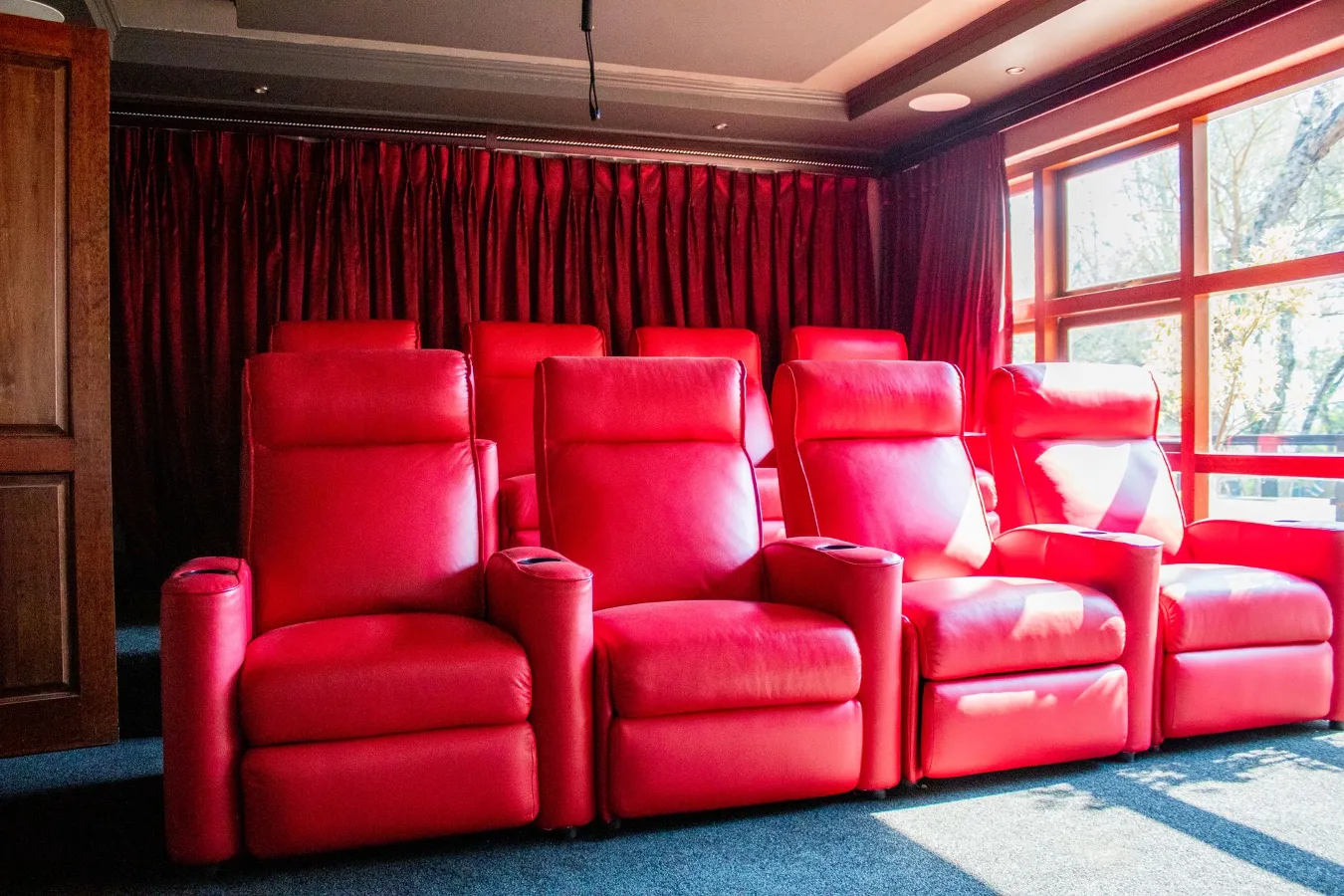
Motion furniture can work well in a media room, but spacing matters. Oversized seating can block movement or reduce aisle width. Consider whether a reclining sofa, a loveseat, or separate recliners gives you better sightlines and easier access.
Common mistakes shoppers make
- Measuring only the closed position and forgetting the room the furniture needs when fully open.
- Choosing style before fit, then discovering the seat is too deep, too bulky, or awkward in the room.
- Ignoring wall clearance and placement near doors, windows, or traffic lanes.
- Overlooking upholstery maintenance, especially in homes with pets, kids, or high use.
- Assuming all recliners feel the same, when support and seat geometry vary a lot.
- Buying for occasional use only and then expecting the piece to handle daily lounging without compromise.
One practical nuance is that a reclining piece can change the room’s visual balance even when it fits physically. A bulky silhouette may make a room feel smaller, while a slimmer profile can keep the space open.
Alternatives worth considering
If a reclining sofa or recliner is not the best fit, there are useful alternatives. A standard sofa with an ottoman can provide flexibility without built-in mechanisms. A reclining loveseat can split the difference between a chair and a full sofa. Swivel chairs, chaise lounges, and modular seating can also solve comfort needs in rooms where fixed reclining furniture would feel too heavy.
These alternatives are especially useful when you want a cleaner profile, fewer moving parts, or more arrangement flexibility. They may also be a better match for rooms that host guests often and need adaptable seating rather than dedicated lounge furniture.
Checklist before you buy
- Measure the room, doorways, and the full recline clearance.
- Decide whether you need single-seat comfort or shared seating.
- Choose manual or power operation based on convenience and placement.
- Match upholstery to cleaning needs and everyday wear.
- Check seat depth, back support, and ease of standing up.
- Think about where cords, outlets, or wall clearance will matter.
- Consider whether a reclining sofa, recliner, loveseat, or alternative will fit the room best.
Making the final decision
If your priority is one person’s comfort, a recliner is usually the simplest and most efficient answer. If you want shared lounging and a more social seating arrangement, a reclining sofa is often the better investment. For many homes, the smartest choice is not about which category is better in general, but which one solves the room’s actual constraints without creating new ones.
Look past the label and focus on fit, support, maintenance, and layout. That’s the difference between furniture that looks appealing and furniture that works well every day.