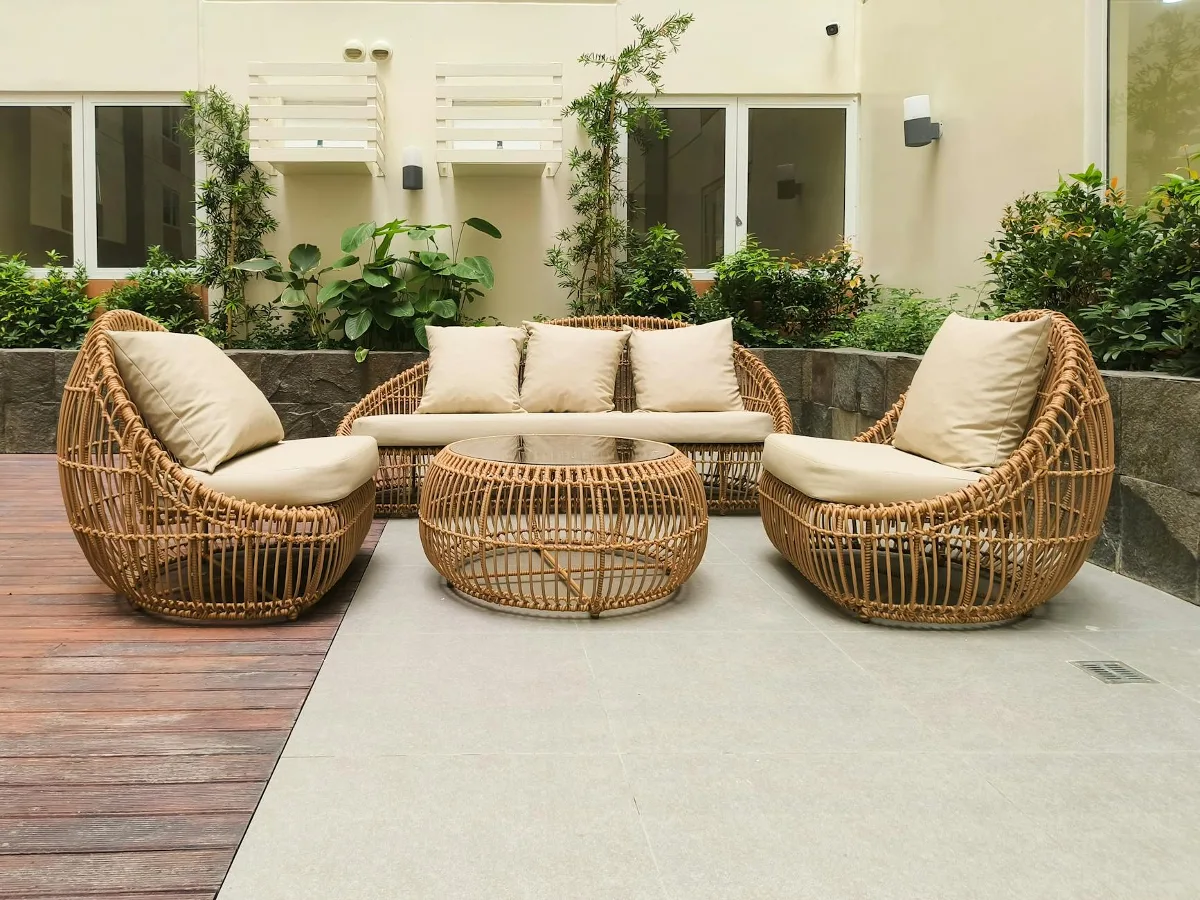
When outdoor furniture without cushions makes sense
Outdoor furniture without cushions is a practical choice when you want seating that is easier to leave outside, simpler to clean, and less fussy to manage day to day. It tends to work especially well for uncovered patios, poolside areas, rental properties, vacation homes, side yards, and homes where furniture gets used frequently and needs to dry quickly after rain.
The trade-off is straightforward: you usually gain convenience and lose some softness. That does not automatically make cushionless furniture uncomfortable, but comfort depends more on the shape of the seat, the material, and how long people will sit there. For short meals, casual conversations, and high-turnover spaces, it can be an excellent fit. For long lounging sessions, you may prefer a different setup or add optional accessories.
A common misconception is that cushionless outdoor furniture is only a budget choice. In practice, many shoppers choose it for climate, maintenance, and durability reasons rather than cost alone. The best option is the one that matches how the space is actually used.
Step-by-step criteria for choosing the right pieces
1. Start with the way the space is used
The first decision is not material or style; it is use case. A dining area, a conversation set, a balcony, a pool deck, and a covered porch all call for different priorities.
- Dining spaces: Focus on seat height, back support, and legroom. Straightforward chairs and benches often work well without cushions.
- Lounging spaces: Look for deeper seats, angled backs, or contoured frames if you want comfort without padded cushions.
- High-traffic spaces: Choose durable, easy-clean materials that can handle frequent use.
- Wet or humid areas: Prioritize quick-drying, rust-resistant, or moisture-tolerant construction.
If the furniture will be used for long reading sessions or extended entertaining, comfort matters more than most shoppers expect. A handsome chair that feels fine for ten minutes can become less appealing after an hour.
2. Match the material to the environment
Material choice is the most important factor for outdoor furniture without cushions. The ideal material depends on weather exposure, maintenance tolerance, and the style you want to achieve. outdoor furniture material guide offers more detail on this point.
Metal: Aluminum is a popular choice for outdoor seating because it is lightweight and commonly used in weather-resistant designs. Steel can feel sturdier but usually needs more protection from moisture. Metal frames often work well for dining chairs, benches, and minimalist patio sets.
Wood: Wood brings warmth and a natural look that suits gardens and porches. It typically asks for more care than metal or synthetic options. If you prefer a classic or organic style, wood can be a strong fit, but it is worth thinking about seasonal maintenance and exposure to rain and sun.
Wicker and resin wicker: Real wicker is less suited to constant outdoor exposure, while synthetic wicker is often used for weather-resistant patio furniture. Without cushions, these pieces can still be comfortable if the seat shape is supportive, though open-weave designs may feel firmer than upholstered seating. resin outdoor furniture offers more detail on this point. weather-resistant garden furniture offers more detail on this point.
Plastic and resin: These are often among the easiest materials to maintain. They are useful for casual seating, children’s areas, and low-maintenance patio setups. The main trade-off is that style and structural feel can vary widely, so quality matters.
Stone, concrete, and mixed-material designs: These can be visually striking and very durable, but they are usually less forgiving in comfort and weight. They suit permanent or semi-permanent placements more than flexible layouts.
3. Think about comfort beyond cushions
Without cushions, the frame itself does the comfort work. That makes seat shape, back angle, arm placement, and surface finish much more important.
- Seat contour: A slightly shaped seat can feel better than a flat one, especially for dining chairs.
- Back angle: Upright backs are practical for meals; reclined backs are better for relaxed seating.
- Armrests: Arms can improve comfort, but they can also make chairs bulkier and harder to tuck under a table.
- Edge smoothness: Rounded edges and well-finished surfaces matter when there is no cushion to soften contact points.
One overlooked consideration is clothing and temperature. Bare metal or sun-heated surfaces can feel hot against skin, while some materials feel cool or hard in early spring evenings. That does not rule them out, but it does affect how the furniture feels in real use.
4. Consider cleaning and storage habits
If you want a low-maintenance outdoor setup, furniture without cushions has a clear advantage. There are no removable covers to wash, no foam inserts to dry, and no fabric to bring in every time the weather changes.
Still, easier upkeep does not mean no upkeep. Dirt, pollen, bird droppings, tree sap, and mildew can still build up on frames and surfaces. The best choice is one you can realistically maintain with the tools and time you have.
- Fast cleanup: Smooth surfaces are easier to wipe down.
- Seasonal storage: Foldable or stackable pieces can be useful if winter storage is limited.
- Covering needs: Some furniture is fine outdoors year-round, but covers can still help extend its life.
If you do not want to manage cushions, think about whether you also want to manage covers, touch-up finishes, or periodic sealing. Some materials simplify one chore but add another.
5. Balance style with practicality
Cushionless furniture often has a cleaner visual profile. That can be a strength if you like modern, coastal, industrial, or minimalist outdoor spaces. It also helps smaller patios feel less crowded.
For a softer look, mix materials rather than adding bulk. For example, a wood bench with a table centerpiece, potted plants, or an outdoor rug can make a space feel finished without relying on cushions. If your goal is a more layered garden style, the furniture should support the rest of the setting rather than dominate it.
Do not overlook proportion. A slender chair may look elegant but feel too light in a large open yard. A heavy frame may feel grounded and durable, but it can overwhelm a compact balcony.
Examples of good-use scenarios
Small patio with frequent rain
Cushionless seating is often a smart solution where weather changes quickly. Dining chairs or simple benches in metal, resin, or weather-tolerant wood can stay ready for use without worrying about damp fabric.
Poolside seating
Pool areas benefit from materials that dry quickly and are easy to rinse off. Furniture without cushions avoids the common problem of damp or chlorine-exposed padding.
Rental property or vacation home
When a space needs to be easy for many different users, durability and low maintenance often matter more than luxury comfort. Straightforward, easy-clean furniture can reduce hassle between stays.
Covered porch or sunroom
These spaces give you more flexibility. You can choose cushionless seating for a streamlined look, then soften the space with textiles if needed. Because the furniture is protected, material choice can lean more toward style and comfort.
Dining area where meals happen outdoors
For shorter sitting periods, cushionless dining chairs are often enough. The key is getting the seat height and back support right so the experience feels practical rather than spare.
Common limitations to keep in mind
Outdoor furniture without cushions is not the best answer for every setup. The biggest limitation is comfort over time. A seat that feels perfectly fine during a quick lunch may feel too firm for an evening of conversation.
Another limitation is surface temperature. In strong sun, some materials can become uncomfortably warm. In cooler weather, they can feel cold at first contact. Shade, location, and material choice all affect this.
There is also a visual trade-off. Cushionless furniture can look crisp and uncluttered, but it may feel less inviting if the rest of the patio is very bare. The space can benefit from plants, lighting, rugs, and tables to create warmth without adding cushions.
Finally, not all “easy-care” furniture is equal. Some products are easy to wipe down but not especially durable in direct weather. Others are durable but heavy or difficult to move. The right choice depends on which inconvenience you are most willing to accept.
Checklist before you buy
- Will the furniture sit in full sun, partial shade, or under cover?
- Will people use it mainly for dining, relaxing, or occasional extra seating?
- Do you want lightweight pieces you can move often, or heavier pieces that stay put?
- Is the material comfortable enough without padding?
- How much cleaning and seasonal care are you willing to do?
- Does the style fit the rest of the garden or patio?
- Will the furniture need to stack, fold, or store away during part of the year?
- Do you want a piece that stands alone visually, or one that works as part of a larger set?
Alternatives if you want less maintenance but more comfort
If cushionless furniture feels too firm, you do not necessarily need to commit to thick upholstery. There are middle-ground options.
- Removable seat pads: Easier to store than full cushions and can add just enough comfort for dining chairs.
- Benches with optional pads: Useful when you want flexibility for guests or seasonal use.
- Ergonomic chairs: Contoured seats and backs can reduce the need for cushions.
- Mixed setups: Use cushionless dining chairs where cleanup matters most, and keep a more relaxed lounge chair in a protected area.
This hybrid approach works well for many households. It lets you preserve the low-maintenance advantage where it matters most while still making the space comfortable enough for longer stays.
Frequently asked questions
Is outdoor furniture without cushions comfortable?
It can be, especially for dining, casual seating, and short visits. Comfort depends on seat shape, back support, armrests, and the material itself. For long lounging sessions, it may feel too firm unless the frame is especially well designed.
What material is best for cushionless outdoor furniture?
There is no single best material. Aluminum, synthetic wicker, resin, and some woods are all common choices. The right option depends on climate, maintenance preferences, and the look you want. Moisture exposure and sun intensity should guide the decision as much as style.
Does furniture without cushions last longer outdoors?
It can be easier to maintain because there are no fabrics or foam inserts to manage, but longevity still depends on the frame material, finish quality, and weather exposure. A well-made piece with a poor finish may still struggle in harsh conditions.
Is cushionless furniture better for rainy climates?
Often, yes. Furniture without cushions removes one of the most common weather headaches: drying wet fabric. That said, the frame still needs to be suited to outdoor exposure, and some materials handle rain better than others.
Can I make cushionless furniture feel softer later?
Yes. If you want flexibility, you can add removable seat pads, throw pillows used selectively, outdoor rugs, or other soft elements nearby. That lets you keep the furniture easy to maintain while improving comfort when needed.
A practical way to choose
If you want outdoor furniture without cushions, start by asking a simple question: do you want maximum convenience, or do you need long-lasting comfort first? For many patios, the answer is somewhere in between. The best cushionless furniture is not just weather-tolerant. It is the piece that fits your climate, your routine, and the way people actually use the space.
Choose the material that suits your environment, make sure the seat is comfortable enough on its own, and think honestly about maintenance. That approach will usually lead to a better outdoor setup than focusing on looks alone.