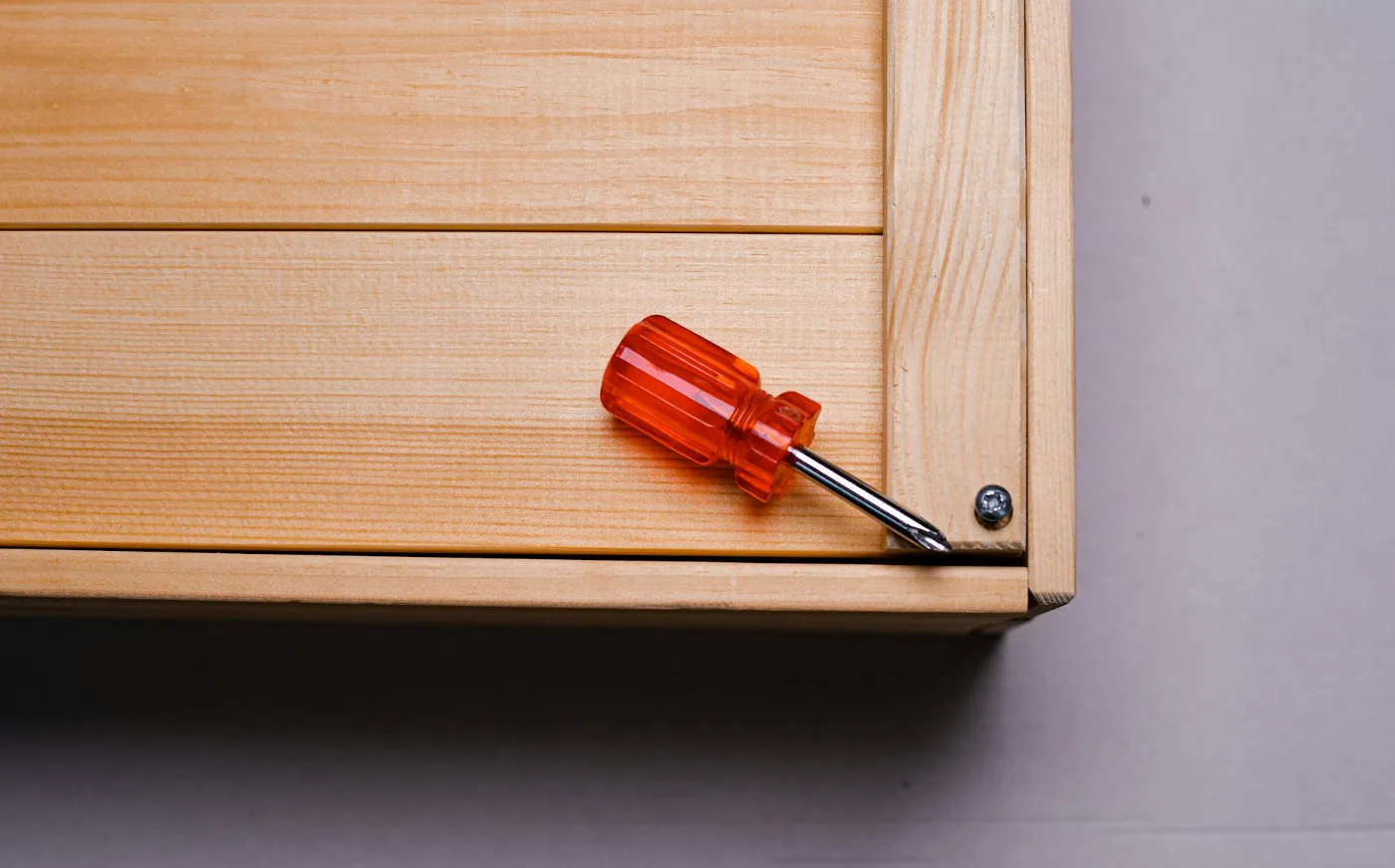
Outdoor furniture repair is worth considering when the damage is limited to a worn surface, loose joint, broken sling, faded finish, or a part that can be replaced without compromising safety. The best choice depends on the material, how the piece is built, and whether the problem is cosmetic or structural. Castelle Outdoor Furniture Buying Guide offers more detail on this point. how to assess patio furniture damage offers more detail on this point.
For many patio pieces, repair is less about making furniture look new and more about restoring stability, comfort, and weather resistance. A chair with a loose frame or a table with peeling finish may be fixable; a cracked support leg or severely rusted frame may not be worth the effort. The key is knowing where repair ends and replacement begins. learn more about ariens lawn mower offers more detail on this point.
When outdoor furniture repair makes sense
Repair is usually the better option when the frame is still sound and the damage is isolated. That often includes small splits in wood, surface rust, faded finishes, torn cushions, sagging slings, missing hardware, and loosened fasteners. These problems can make outdoor furniture look tired and feel unreliable, but they do not always mean the whole piece needs to go.
It also makes sense to repair higher-quality furniture that uses durable materials or replacement parts. Solid wood pieces, powder-coated metal frames, and modular designs are often more repair-friendly than inexpensive items that rely on light construction and glued joints. If the furniture matches an existing set, repair can also help you keep the look consistent without replacing everything at once.
A useful way to think about it is this: repair is most attractive when the structure still has value. If you can restore comfort, safety, and appearance with targeted fixes, it often beats starting over.
Start with the material, not the problem
Outdoor furniture repair works differently depending on whether the piece is wood, metal, wicker, plastic, or sling-style fabric. The material affects what can be fixed, how visible the repair will be, and how long the result is likely to last.
Wood furniture
Wood patio furniture can often be sanded, sealed, refinished, and tightened. Loose joints, splintering, and worn surfaces are common repair issues. The biggest limitation is moisture damage. If wood has softened, swollen, or begun to rot, surface repair may only provide a temporary improvement. In that case, replacement of the affected part or the whole piece may be more practical.
For wood, the important question is whether the damage is superficial or structural. A faded finish is manageable. A cracked load-bearing component is more serious.
Metal furniture
Aluminum and steel outdoor furniture can sometimes be repaired by replacing hardware, reattaching loose parts, or addressing corrosion. Rust is the main concern on steel frames, while bent sections or cracked welds raise the stakes. Surface rust can often be cleaned and protected again, but deep corrosion that weakens the frame changes the equation.
Powder-coated finishes complicate repairs slightly because matching the original surface can be difficult. A patched area may be fully functional but still visible. That trade-off matters more if the furniture sits in a prominent part of the yard or on a carefully styled patio.
Wicker and resin wicker
Wicker furniture repair depends on whether the weave is natural or synthetic. Synthetic wicker is more common outdoors because it handles weather better, but it can still fray, unravel, or become brittle over time. Small damaged sections may be patched or rewoven, though matching texture and color is rarely perfect.
One practical nuance: many people focus on the weave and overlook the frame underneath. If the frame is rusting or loosening, fixing the surface alone will not solve the problem for long.
Plastic and resin furniture
Plastic outdoor furniture is lightweight and affordable, but not all repairs are worthwhile. Cracks may sometimes be stabilized, yet the material can be difficult to restore cleanly. Sun exposure often makes plastic brittle, which means one visible crack may be a sign of broader aging. For this category, repair is usually best when the problem is minor and the piece is otherwise still sturdy.
Sling and cushion furniture
For chairs and loungers with fabric slings or cushions, the fabric is often the easiest part to replace. Torn slings, sagging seat panels, worn foam, and faded covers are common repair targets. This type of work can make furniture feel much newer without changing the frame. The limitation is fit: replacement fabric must match the frame dimensions and attachment style closely enough to work properly.
Step-by-step criteria for deciding between repair and replacement
If you are evaluating outdoor furniture repair, use the same order every time. It keeps the decision practical and prevents you from spending time on a piece that is no longer worth saving.
- Check the structure first. Sit in the chair, press on joints, open and close moving parts, and look for wobble, cracks, separation, or bending.
- Separate cosmetic damage from functional damage. Faded finish, dirty cushions, and scratched surfaces are usually cosmetic. Loose supports, broken joints, and weakened legs affect safety.
- Identify the material. Repair options depend on wood, metal, wicker, resin, or fabric. The same damage can mean something very different in each material.
- Look for replacement parts. If slings, hardware, pads, feet, or glides are easy to source, repair becomes more realistic.
- Estimate the hidden work. A simple fix can turn into sanding, stripping, repainting, or disassembly. That extra labor often determines whether a repair is truly worthwhile.
- Consider weather exposure. Furniture that stays uncovered in intense sun, rain, or freeze-thaw cycles may need more than one repair to stay serviceable.
- Judge the overall fit for your space. A repaired piece is useful only if it still suits your patio, deck, or garden layout.
This process helps avoid a common mistake: treating every worn-looking piece as a repair project. Some items only need cleanup and fresh cushions. Others have reached the point where repair would be more expensive and less reliable than replacement.
Repair examples that are often worthwhile
Some outdoor furniture problems are especially repair-friendly because they involve a single worn component rather than a failing frame.
- Loose screws, bolts, or brackets: Hardware can often be tightened or replaced, especially if threads are still intact.
- Worn chair slings: Many sling chairs can be brought back by replacing the fabric panel.
- Faded finishes: Wood can be cleaned, sanded, and resealed; some metal frames can be refreshed with the right prep and coating.
- Tired cushions: Cushion inserts and covers are often easier to replace than the furniture itself.
- Minor wicker damage: Small unraveling areas may be repaired before the rest of the weave loosens.
- Surface rust: Early rust can sometimes be removed and sealed before it spreads.
These are good candidates because the repair is targeted and the rest of the item still has usable life left.
Repairs that are often poor investments
Some damage looks fixable at first glance but usually signals a deeper problem. That is especially true when the furniture is both inexpensive and heavily weathered. A weak repair on a poor frame can fail quickly and leave you back at square one.
- Cracked load-bearing legs: If a leg carries body weight and is cracked or split, safety becomes a concern.
- Severely rusted steel frames: If corrosion has reached structural areas, surface treatment may not be enough.
- Rot in wood supports: Soft, damaged wood does not respond well to cosmetic fixes.
- Brittle plastic with multiple cracks: Widespread material fatigue usually means the piece is near the end of its life.
- Repeated joint failures: If a chair keeps loosening after tightening, the underlying construction may be worn out.
A common misconception is that every outdoor item can be “restored” if enough effort is applied. In reality, some materials and build types simply do not reward repair in a lasting way.
Maintenance choices that affect repair success
Outdoor furniture repair does not end when the visible damage is fixed. How you maintain the piece afterward affects whether the repair holds up. Clean surfaces, dry storage, seasonal covers, and occasional hardware checks all help limit repeat damage.
For wood, consistent sealing or finishing matters because bare surfaces absorb moisture more easily. For metal, the priority is stopping corrosion before it spreads. For fabric, allowing cushions and slings to dry fully can reduce mold, odor, and premature wear. For wicker and resin furniture, keeping debris out of the weave helps prevent abrasion and hidden deterioration.
Storage is another overlooked factor. Many patio pieces fail early because they are left uncovered through harsh weather, not because they were impossible to repair. Even a well-executed fix has a better chance of lasting if the furniture is protected during off-season storage or during long periods of heavy rain or direct sun.
How to shop for repair parts and services
If you are deciding whether to repair or outsource the work, focus on fit, material compatibility, and ease of installation. Replacement parts for outdoor furniture are often specific to the frame style, so dimensions and attachment points matter more than appearance alone. That is especially true for sling chairs, table feet, glides, cushions, and hardware kits.
When comparing repair services, look for the type of work they actually handle. Upholstery work, metal frame repair, wood refinishing, and wicker restoration are different skill sets. A service that handles one category well may not be the right choice for another.
It also helps to be realistic about the finish. A repaired item may be fully functional but not perfectly color-matched. For some homeowners, that is acceptable. For others, especially in a visible seating area, appearance may matter enough to justify replacement.
A practical checklist before you commit
Use this checklist to narrow the decision before buying parts or hiring help:
- Is the frame still stable when weight is applied?
- Is the damage limited to one part, or does it appear throughout the piece?
- Can the worn component be replaced without special tools beyond a typical home repair setup?
- Will the finished repair still match the way you use the furniture?
- Is the cost of parts and labor reasonable compared with replacing the item?
- Will the repaired piece hold up in your local weather conditions?
- Do you have a way to protect it after the repair?
If the answer to most of these is yes, repair is usually the more sensible route. If several answers are uncertain, replacement may save time and reduce frustration.
What outdoor furniture repair is really buying you
The value of outdoor furniture repair is not just saving money, although that is part of it. Repair can preserve a set that fits your space well, reduce waste, and keep durable materials in use longer. It can also delay a full replacement until you are ready to choose something better suited to your climate, storage space, or style.
At its best, repair is a careful decision rather than a reflex. Start with the structure, match the fix to the material, and weigh the long-term usefulness of the piece. That approach gives you a clearer answer than asking whether the furniture looks old. Some pieces are ready for a simple repair. Others are telling you, quietly but clearly, that it is time to move on.