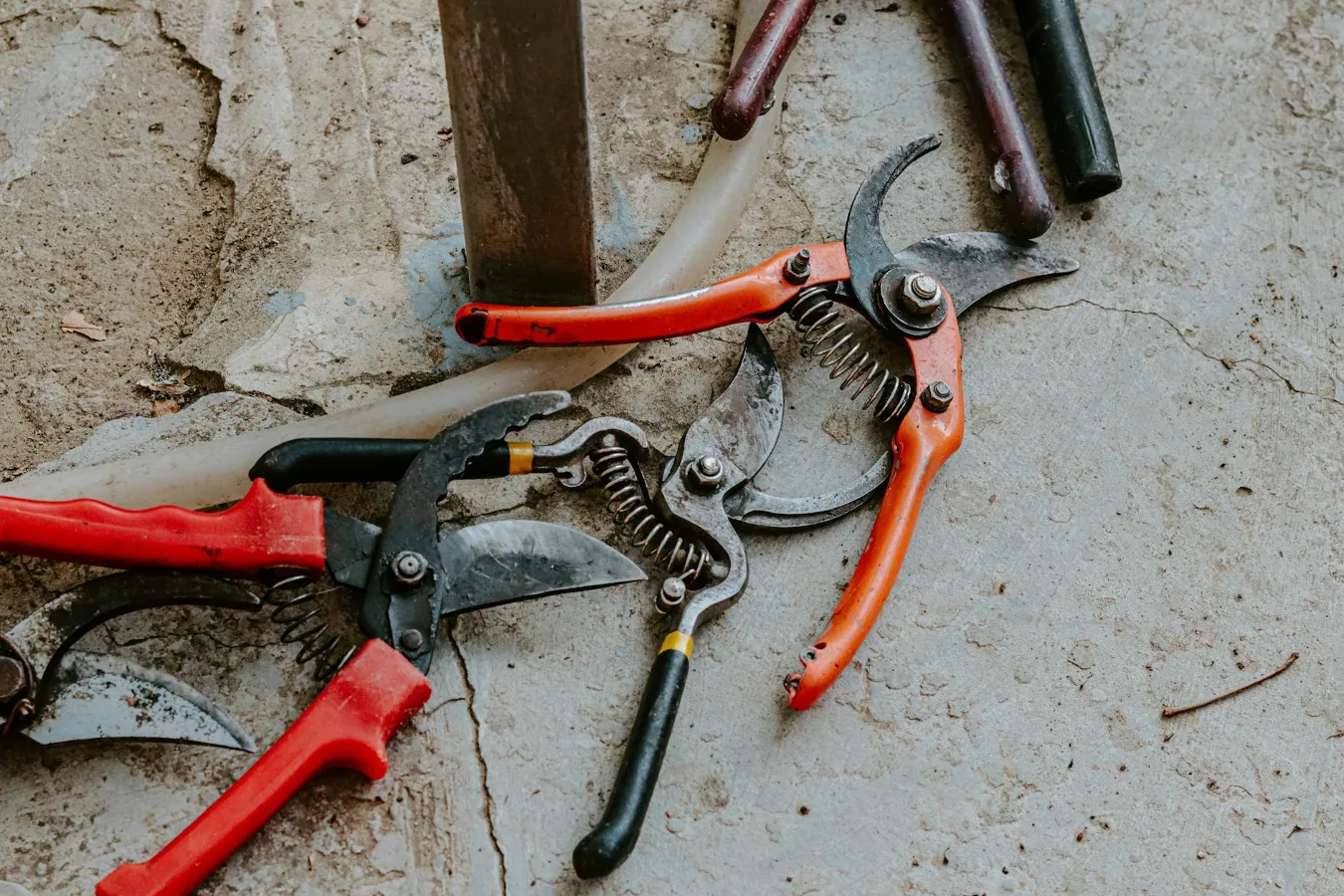
A three-pronged garden tool is a compact hand tool designed for tasks like loosening soil, lifting small weeds, and working carefully around plants in crowded beds. In practical terms, it sits somewhere between a hand fork and a cultivator: small enough for precision, but sturdy enough to break up crusted soil and tease out roots.
It is most useful in flower beds, raised beds, herb gardens, vegetable rows, and containers where a larger hoe or fork would be clumsy. If you want one hand tool that can handle light cultivation without disturbing nearby roots too much, this is often the one gardeners reach for first. raised bed garden tools offers more detail on this point.
When a three-pronged garden tool matters most
This tool earns its place when space is tight and accuracy matters. The three tines let you get into the top layer of soil without digging aggressively, which is useful around shallow-rooted annuals, seedlings, herbs, and potted plants. It is also practical after watering or rainfall, when the surface layer has started to crust over but the soil underneath is still workable.
Gardeners often choose a three-pronged tool for three main jobs: dislodging small weeds, breaking up surface compaction, and mixing in a little compost or amendment near the top of the bed. That said, it is not a heavy-duty digging tool. If the soil is packed hard, filled with roots, or full of stones, a larger fork or spade is usually the better choice.
What the three prongs actually do
The shape is the reason this tool is so versatile. The tines separate soil rather than slicing through it like a blade. That makes it useful for loosening clumps, pulling shallow weeds, and creating small channels for airflow and water movement near the surface. Because the prongs are spaced apart, they can also help shake loose soil from roots when you remove weeds or divide small plants.
For many gardeners, the real advantage is control. A three-pronged tool lets you work in short, careful motions instead of broad strokes. That makes it easier to avoid nicking stems, slicing into bulbs, or disturbing neighboring plants.
Step-by-step: how to use it well
1. Start with slightly moist soil
The tool works best when the soil is neither dusty-dry nor sticky-wet. Very dry soil can resist the tines, while wet soil tends to clump and smear. Slight moisture gives the prongs enough grip to loosen the top layer without turning the bed into a mess.
2. Angle the tines into the surface
Instead of plunging straight down, press the prongs into the top few inches of soil at a slight angle. Then pull gently toward you or lift and turn the soil a little. This motion is better for cultivation than trying to dig deep in one pass.
3. Work around plant crowns carefully
Stay a little away from stems and crowns, especially with shallow-rooted plants. Use short strokes and light pressure. A three-pronged tool is meant for precision, not force. If you feel resistance, stop and check whether you are hitting a root, rock, or buried irrigation line.
4. Lift weeds before they get established
Small weeds are easier to remove than mature ones. Slide the tines under the weed’s root zone, loosen the soil, then lift or wiggle the plant free. For taproot weeds or large infestations, you may need a dedicated weeding tool instead.
5. Finish by smoothing the area
After loosening or weeding, use the back of the tool or your hand to level the surface. This helps preserve moisture and keeps the bed looking neat. If you are adding compost or fertilizer, lightly blend it into the top layer rather than overworking the soil.
How to choose the right one
Not every three-pronged garden tool feels the same in use. Small differences in handle shape, tine material, and overall balance can matter more than brand labels or packaging language. If you are comparing options, look at how the tool fits the task you actually do most often.
Handle comfort and grip
A comfortable handle matters if you spend time in beds, containers, or borders. Some gardeners prefer a broader grip for leverage, while others want a slimmer handle for finer control. If your hands get tired quickly, a handle with better shaping or a textured grip may be worth prioritizing.
Tine shape and spacing
Closer tines can work well for loosening soil in smaller areas, while slightly wider spacing may help with grabbing weeds and combing through mulch. The best choice depends on whether you want more cultivation or more weed-pulling ability. There is no universal ideal; the shape should match the bed size and soil conditions.
Material and durability
Look for a tool built from materials that can handle repeated contact with soil and moisture. The important question is not just whether it looks sturdy, but whether the tines and handle connection seem well made. A weak joint is often the first failure point on inexpensive hand tools. best hand tools for weeding offers more detail on this point.
Weight and balance
A tool that feels too heavy can become tiring during detailed work. One that feels too light may not have enough steadiness when you are loosening compacted soil. The right balance usually depends on whether you favor quick cleanup work or longer cultivation sessions.
Storage and care
Because the tool is used close to damp soil, easy cleaning matters. A smooth finish, simple shape, and rust-resistant materials can make maintenance easier. If you garden frequently, a tool that is simple to rinse and dry tends to stay useful longer.
Common mistakes with a three-pronged garden tool
- Using it like a digging fork. It is too small for serious excavation and can bend or stall in dense soil.
- Forcing it into dry, compacted ground. That can stress both the tool and your wrist.
- Working too close to stems. The tines can nick roots or cut into plant crowns if you rush.
- Expecting it to handle mature weeds alone. Deep-rooted weeds usually need a different approach.
- Ignoring soil condition. The tool performs better when you match it to the moisture level and texture of the bed.
A common misconception is that all small hand cultivators are interchangeable. They are not. Some are better for combing mulch, some for prying, and some for light aeration. The three-pronged design is especially good when you need a balance of precision and light soil movement.
Best uses by garden type
Raised beds
Raised beds are one of the best settings for this tool because the soil is usually more accessible and the work area is compact. It helps with seasonal cleanup, shallow weed removal, and mixing amendments into the top layer without overturning the bed.
Containers and planters
In pots and planters, a three-pronged tool can help refresh potting mix, loosen the top crust, and remove seedlings of unwanted weeds before they spread. Its size makes it easier to use than larger tools that can be awkward in confined containers.
Herb and flower borders
These areas often contain closely spaced roots and delicate stems. The tool’s narrow profile makes it useful for small adjustments, but it should be used gently. A light touch matters more here than force.
Vegetable rows
It can be useful between young plants or at the edges of rows where you want to keep soil loose and weed pressure low. Once plants mature and roots spread, though, you may need a more specialized tool for wider spacing or deeper cultivation.
When another tool is a better choice
A three-pronged garden tool is versatile, but it is not the answer to every garden task. If your goal is digging holes, shifting large amounts of soil, or cutting through thick roots, a trowel, border fork, or spade may be more efficient. For serious weed infestations, a long-handled hoe or dedicated weeder can save time and reduce strain.
If you mainly garden in very rocky soil, consider whether a sturdier fork with stronger tines is a better fit. And if your beds are mostly ornamental with dense spacing, a slimmer hand tool may offer more control than a broader cultivator.
Checklist before you buy
- Does it feel comfortable in your hand for repeated use?
- Are the tines sturdy enough for your soil conditions?
- Will the size fit your beds, borders, or containers?
- Is it meant for cultivation, weeding, or both?
- Can you clean and dry it easily after use?
- Does the shape give you enough control around established plants?
- Would a different hand tool solve your main gardening problem better?
A practical way to think about it
If your garden work is mostly precise, close-up, and regular, a three-pronged garden tool is one of the more useful hand tools you can own. It is especially helpful for gardeners who spend time tending beds, containers, or small spaces and want a tool that can loosen soil without becoming too aggressive. guide to small-space gardening tools offers more detail on this point.
If you need broad coverage, heavy digging, or root-cutting power, this tool is only part of the picture. The smartest approach is to match the tool to the task rather than expecting one hand cultivator to do everything. In that sense, the three-pronged garden tool is less about replacing other tools and more about filling the gap between delicate hand work and heavier digging equipment.