Quick answer: what a Japanese garden tool is
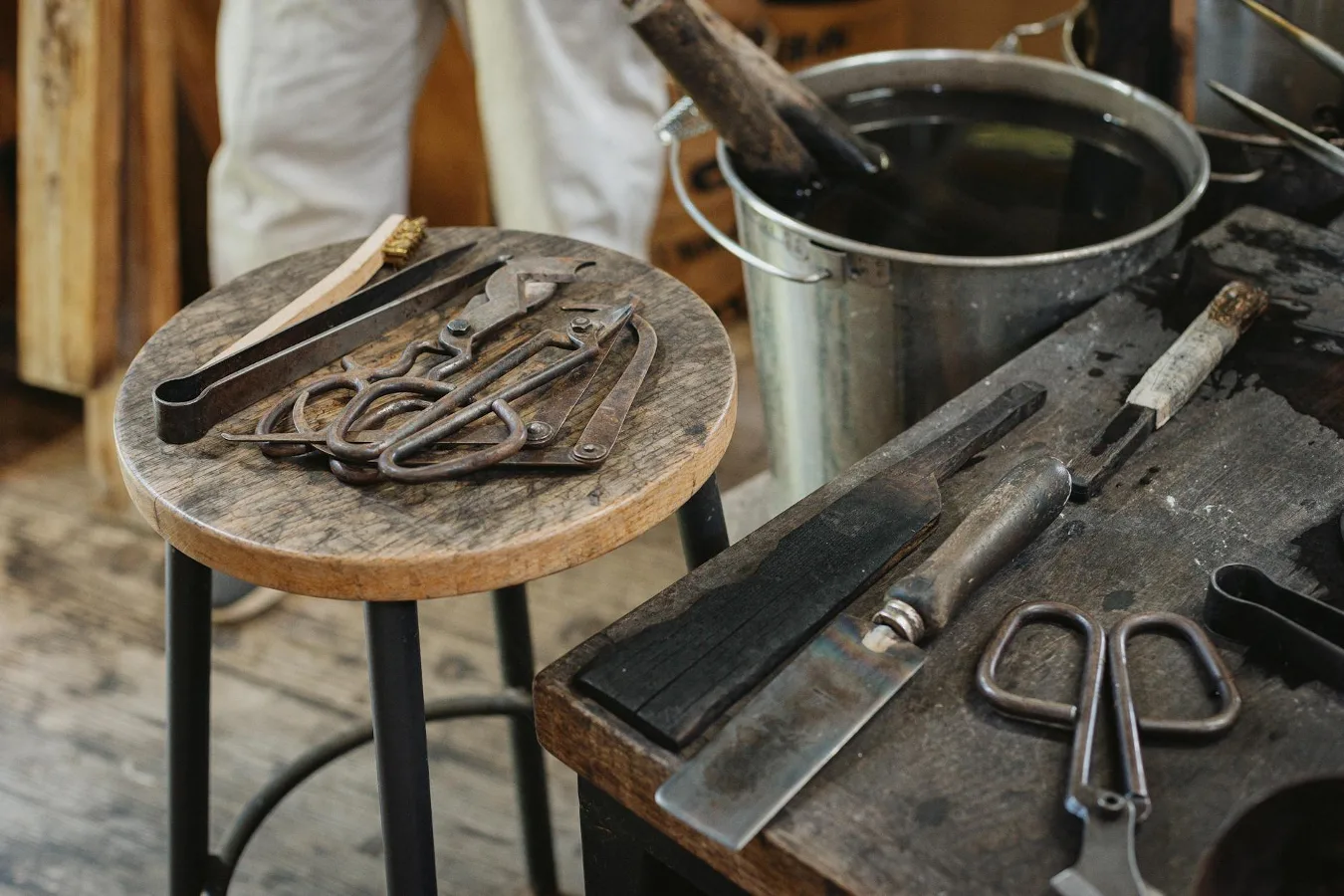
A Japanese garden tool is usually a hand tool built for precision, control, and clean cutting or digging in the garden. The term can refer to several tools rather than one single product, including a hori hori knife, hand pruners, weeding tools, small cultivators, sickles, and transplanting tools.
For most buyers in the United States, the appeal is practical: these tools are often chosen for detailed work in raised beds, containers, vegetable gardens, flower borders, and tight spaces where larger tools feel clumsy. If you want clean cuts, better control, and a tool that handles close-up garden work without much fuss, this category is worth a closer look. Sharpener for Garden Tools: A Practical Guide offers more detail on this point.
The best choice depends on the job. A gardener removing roots needs something different from someone deadheading flowers or loosening soil around seedlings. That is the main mistake many shoppers make: they search for a Japanese garden tool as if it were one universal item, when the real decision is about which type of tool fits the task.
What usually counts as a Japanese garden tool
In gardening, the phrase is broad. It commonly points to hand tools inspired by Japanese toolmaking traditions or simply sold under that label because they are compact, precise, and suited to detail work. The most common examples include: common mistakes when buying garden hand tools offers more detail on this point.
- Hori hori knives for digging, cutting roots, dividing plants, and planting bulbs
- Hand pruners for trimming stems and light branches
- Weeding tools for lifting taproots and working between tight plantings
- Small cultivators for breaking up soil at the surface
- Sickles and weed cutters for clearing grasses or rough growth
- Transplanting tools for moving seedlings and small plants
That variety matters because the phrase can describe tools with very different shapes, edge types, and maintenance needs. A knife-style tool may be excellent for one gardener and unnecessary for another.
How to compare Japanese garden tools
If you are choosing one for the first time, focus on how you actually garden rather than on the label alone. The most useful comparison points are the ones that affect daily use, not the ones that sound impressive in a product listing.
| What to compare | Why it matters | What to look for |
|---|---|---|
| Task fit | Different tools are made for different jobs | Choose a blade or head shape that matches digging, pruning, weeding, or transplanting |
| Material | Influences durability and care needs | Stainless steel for lower maintenance; carbon steel for easier sharpening and strong cutting edges |
| Handle feel | Affects comfort and control | A grip that feels secure, balanced, and comfortable in your hand |
| Size and weight | Changes precision and fatigue | Light enough for detail work, but substantial enough to cut or dig without feeling flimsy |
| Blade or edge shape | Determines how the tool works in soil or on stems | Curved, pointed, serrated, or straight depending on the task |
| Maintenance | Directly affects long-term value | Tools that can be cleaned, dried, and sharpened without trouble |
Material: stainless steel vs. carbon steel
Material is one of the biggest practical differences. Stainless steel generally offers easier care and better resistance to rust, which is useful if you garden in humid weather or do not want to baby your tools. Carbon steel is often favored for sharpness and ease of sharpening, but it usually needs more attention to prevent corrosion.
That trade-off is easy to overlook. A carbon steel tool may feel better for cutting and edging, but if it is left dirty or wet, maintenance becomes part of the routine. If your tools tend to live in a shed, garage, or potting bench and you know they may be neglected sometimes, stainless steel can be the more forgiving choice.
Handle and grip
Comfort is not a luxury with hand tools. A narrow grip, slippery finish, or awkward angle can make a simple task feel tiring. Look for a handle that allows a secure hold whether you are wearing gloves or not. Wooden handles may feel warm and natural, while molded grips may offer more texture and easier wiping. The right choice is the one that stays comfortable during repetitive use.
Blade shape and job fit
The blade or working end should match the task closely. A hori hori knife is versatile, but it is not the most specialized option for every job. A pruning tool is better when clean cuts matter. A narrow weeding tool reaches into cracks and dense plantings. A small fork or cultivator is better for loosening soil than for cutting roots. Matching shape to task improves control and reduces damage to nearby plants.
Which Japanese garden tool suits which task
Because the category is broad, the easiest way to choose is to start with your main use case.
- For planting bulbs or splitting perennials: a hori hori knife or transplanting tool can be especially useful because it handles digging and cutting in one motion.
- For trimming stems and light branches: hand pruners are the better option, since they make cleaner cuts than general-purpose knives.
- For removing weeds with roots: a weeding knife, hook-shaped weeder, or narrow blade tool gives better leverage near the root zone.
- For loosening compacted soil in containers or beds: a small cultivator or fork is more efficient than a blade-focused tool.
- For clearing tough grass or overgrowth: a sickle-style tool may be more appropriate than a standard garden knife.
If you only want one tool to start, versatility matters. A hori hori knife is often the first Japanese-style garden tool people explore because it can dig, cut, measure, and lift in a compact form. Still, versatile does not always mean ideal. If your work is mostly pruning, a dedicated pruner will usually serve you better than a multi-use blade.
Common mistakes buyers make
Several problems come up again and again when people shop for a Japanese garden tool.
Buying for the style instead of the task
Some tools look elegant but do not fit the actual job. A beautifully finished tool is still a poor purchase if it is too large for container gardening or too delicate for rooty soil. Decide what you will do most often, then choose the tool shape second.
Ignoring maintenance needs
A lot of shoppers focus on the blade but forget cleaning and storage. This matters especially for carbon steel. If you do not plan to dry and wipe down the tool after use, rust resistance becomes a real decision factor, not a minor detail.
Overlooking handle comfort
Garden tools often get used in short bursts, so comfort can seem secondary. In practice, repetitive pinching, twisting, or scraping adds up. A handle that feels slightly awkward at the store may become annoying after a few sessions outdoors.
Assuming one tool replaces all others
The biggest misconception is that a single Japanese garden tool can do everything well. Multi-use tools are helpful, but they come with limits. Fine pruning, deep digging, and heavy weed removal each benefit from different designs. The right setup is often one versatile tool plus one or two task-specific tools.
Limitations and trade-offs to keep in mind
Japanese-style hand tools are not always the best answer for every gardener. Their biggest strength is control, which also means they may be slower for large jobs. If you are clearing a big bed, moving a lot of soil, or trimming large shrubs, a larger shovel, lopper, or hoe may be more efficient.
There is also a trade-off between precision and durability. Narrow blades and fine edges can be excellent for careful work, but they are not always the right choice for hard-packed clay, rocky soil, or repeated levering. For heavy-duty tasks, a tool designed for force usually lasts longer and performs better.
Another practical point: many Japanese garden tools are best used with regular maintenance. If you want low-effort ownership, that can matter more than the brand style. A tool that stays clean, sharp, and dry will serve better than one with a premium look but poor upkeep.
How to choose for your garden style
The right tool also depends on the way your garden is set up.
- Raised beds: precision tools shine here because the work is close, controlled, and often repetitive.
- Container gardens: compact hand tools are easier to maneuver without disturbing nearby roots.
- Vegetable gardens: a versatile digging and cutting tool can help with planting, weeding, and harvesting tasks.
- Flower borders: fine pruners and weeding tools are useful for keeping plantings neat without tearing surrounding stems.
- Rocky or dense soil: choose sturdier construction and do not expect delicate tools to perform like heavy digging equipment.
If your garden changes seasonally, it may help to think in terms of a small toolkit rather than one purchase. A versatile digger, a dedicated pruner, and a weeding tool cover a lot of ground for home gardeners.
Maintenance basics that protect your investment
Even a well-made Japanese garden tool will perform better with basic care. The routine is simple:
- Remove soil after use
- Dry metal parts before storage
- Check for sap, sap-like residue, or grit around moving joints
- Sharpen edges as needed, following the tool’s shape
- Store tools in a dry place
For pruners, moving parts deserve attention. For knives and digging tools, the cutting edge should stay clean and protected. A little maintenance extends the useful life of the tool and keeps the work safer and smoother.
Useful alternatives if a Japanese-style tool is not the best fit
Sometimes the best choice is not a Japanese garden tool at all. If your work is broad, heavy, or repetitive, consider alternatives such as:
- Standard bypass pruners for stems and light branches
- Full-size hoe for larger weeding and soil cultivation jobs
- Hand trowel for general planting and transplanting
- Garden fork for loosening soil and lifting roots
- Loppers for thicker woody stems
The right tool is the one that reduces effort and protects nearby plants. A Japanese-style tool often excels at precision, but a more conventional garden tool may be better for volume or force.
FAQ
What is the most versatile Japanese garden tool?
A hori hori knife is often considered the most versatile because it can dig, cut, lift, and weed. Even so, it is not the best choice for every task, especially pruning or larger soil work.
Are Japanese garden tools good for beginners?
Yes, especially if you want simple, controlled hand tools for detail work. Beginners should focus on comfort, task fit, and easy maintenance rather than on appearance alone.
Do I need carbon steel or stainless steel?
Choose stainless steel if you want easier upkeep and better rust resistance. Choose carbon steel if you are comfortable with more maintenance and want a tool that is easier to keep sharp.
Can one Japanese garden tool replace a full set?
Usually not. A single versatile tool can cover many small jobs, but pruning, digging, and heavy weeding are better handled by different tools.
What should I avoid when buying one?
Avoid tools that feel awkward in the hand, seem too delicate for your soil, or require more upkeep than you are willing to do. The best purchase is the one that fits your real garden tasks. choosing the right hand tool for garden tasks offers more detail on this point.