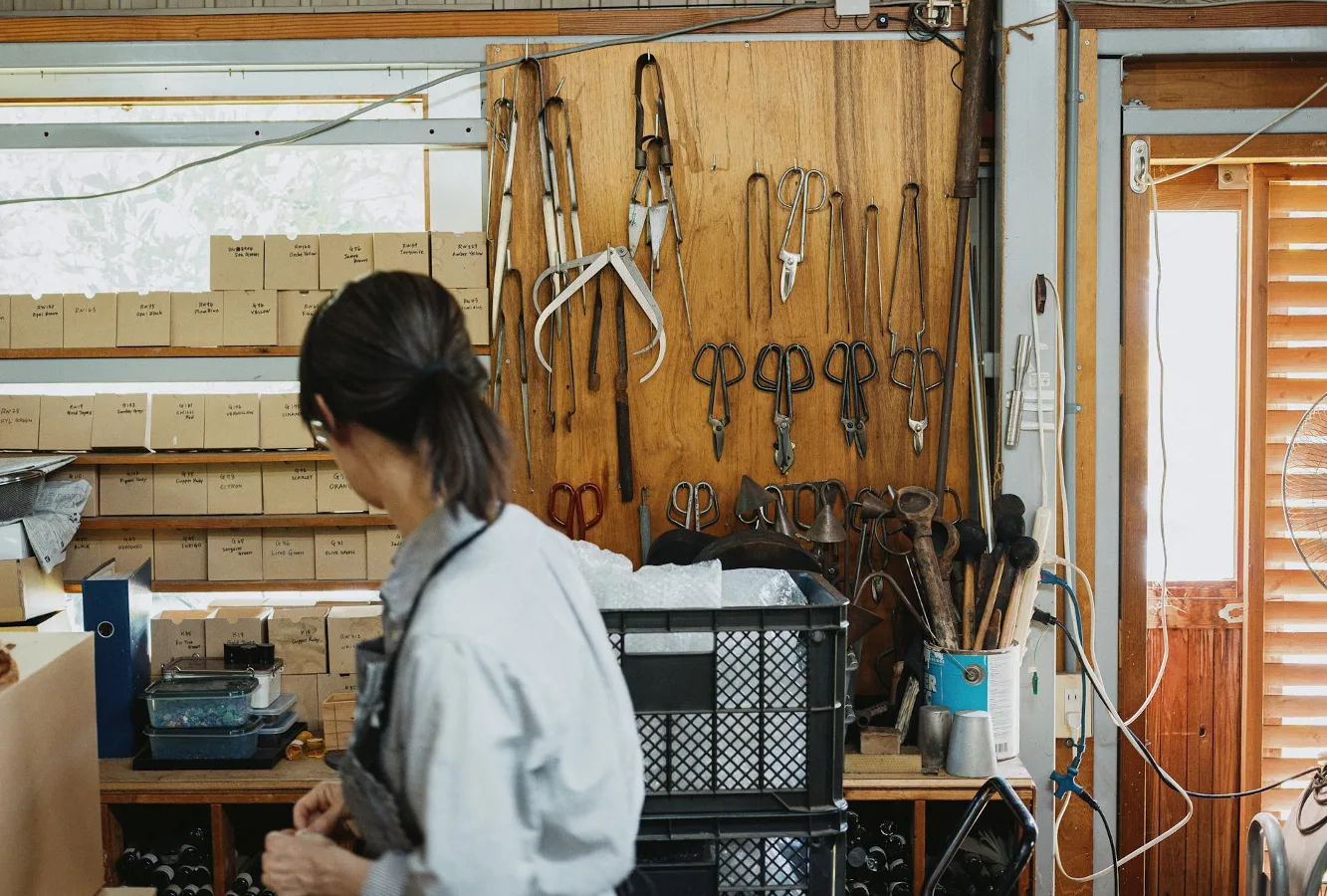
If you’re looking for japan garden tools, the appeal is usually the same: clean cutting, sensible design, and tools that feel made for detailed work rather than brute force. The category covers everything from pruning shears and hedge shears to soil knives, trowels, cultivators, and compact saws. For most buyers, the main question is not whether Japanese garden tools are good, but which style, material, and handle design makes sense for the way you garden.
This guide focuses on the buying decisions that matter most. If you garden in raised beds, prune ornamentals, maintain a kitchen garden, or simply want hand tools that offer more control than bulky alternatives, the right choice depends on a few practical factors: blade steel, edge maintenance, comfort, rust resistance, and how much hand pressure the tool requires. guide to hand tool maintenance offers more detail on this point.
Who Japan Garden Tools Usually Suit Best
Japanese garden tools tend to work best for gardeners who value precision over raw leverage. That makes them a strong fit for tasks like deadheading, light pruning, edging, transplanting, weeding between tight spaces, and shaping shrubs. They are especially appealing in small or medium gardens where careful hand work matters more than moving large volumes of soil. best hand tools for gardeners offers more detail on this point. garden tools for weeding offers more detail on this point.
They are also a good match for gardeners who prefer compact, task-specific tools instead of oversized multipurpose models. A well-made Japanese pruner or soil knife can feel more efficient because it does one job clearly. That said, they are not always the best choice for heavy digging, dense roots, or rough construction-type work. If your garden jobs lean toward large-scale excavation, a more robust Western-style tool may be the safer choice.
The Main Trade-Offs to Consider
The strongest selling point of Japanese garden tools is usually cutting performance and handling precision. The trade-off is that many of them expect more care from the user. A sharper edge can also be more vulnerable to misuse, and some traditional materials demand regular cleaning and drying to stay in good condition.
Another common trade-off is comfort versus control. Slim handles and lighter profiles can improve maneuverability, but they may not suit every hand size or every task. Gardeners with larger hands, limited grip strength, or arthritis may prefer tools with padded grips, spring-loaded action, or more substantial handles, even if that means giving up some of the refined feel associated with traditional designs.
A final consideration is availability of parts and standardization. Some imported tools are easy to love but harder to match with replacement springs, screws, or sheaths. If long-term maintenance matters to you, look closely at whether the tool can be serviced and how easy it is to find compatible accessories.
Material Choices Matter More Than the Label
For japan garden tools, the material description often tells you more about long-term satisfaction than the country of origin alone. Start with the blade or working edge, then look at the handle and any moving parts.
Carbon steel
Carbon steel is widely appreciated for sharpness and easy sharpening. Many gardeners like it because it can take a very crisp edge, which helps with pruning cleanly. The trade-off is corrosion risk. Carbon steel usually needs wiping down after use and storing dry. If you garden in humid conditions or tend to leave tools out between sessions, that upkeep matters.
Stainless steel
Stainless steel offers more rust resistance and often lower maintenance. That makes it appealing for gardeners who want convenience or who work around damp soil frequently. The trade-off is that some stainless blades are not as easy to sharpen or may not feel as refined in use as well-made carbon steel tools. Quality varies widely, so stainless steel alone is not a guarantee of performance.
Wood, resin, and composite handles
Wooden handles often provide a traditional feel and can be comfortable in hand, especially when properly shaped and finished. They can also look elegant on hand tools. However, wood requires care and may not love prolonged wet storage.
Resin and composite handles are usually lower maintenance and can improve grip in damp conditions. They may not have the same feel as wood, but they are often a practical choice for gardeners who want durability and simple cleanup.
What to Look for in a Pruner or Shear
Pruning tools are often the first purchase people make in this category, and for good reason. A good pruner can improve the cleanliness of cuts and reduce hand fatigue. But not every pruner is suitable for every task.
Blade type is the first place to look. Bypass pruners are typically better for live stems because they cut with a slicing action that helps avoid crushing. Anvil pruners are better suited to dead or dry wood where a crushing cut is less of a concern. Many gardeners focus too much on blade sharpness and ignore this distinction, which can lead to poor cuts and damaged plants.
Handle feel matters just as much. If the spring is too stiff or the handle opening is too wide, you may find yourself avoiding the tool after a few minutes of use. Test whether the grip feels secure without forcing your hand into an awkward position.
Locking mechanism is another overlooked detail. A reliable lock helps with safe storage and transport, especially if you carry tools in a pocket, pouch, or apron. It should be easy to engage and release without pinching your fingers or requiring excessive force.
Soil Knives, Hori Hori Tools, and Multi-Use Favorites
One of the most useful Japanese-style garden tools is the soil knife, often sold in the U.S. as a Hori Hori knife. It is a versatile tool for digging small holes, dividing plants, loosening roots, cutting twine, and removing weeds. Many versions include measurement markings, serrated edges, or a pointed tip, though not every model includes every feature.
The practical appeal is obvious: one tool can replace several lightweight jobs around the garden. The limitation is that it is still a hand tool, not a substitute for a spade or trowel when the job gets large. If you mostly plant in containers, raised beds, or narrow borders, the format is especially useful. If you need to move a lot of soil, it can feel underpowered.
Pay attention to sheath quality if the knife will ride on a belt or sit in a toolbox. A poorly fitted sheath can be annoying, and a sharp blade deserves secure storage. This is one of those small details that gets overlooked until after purchase.
Choosing Tools by Garden Task
Matching the tool to the task is the most reliable way to avoid buyer’s regret. Japanese garden tools often excel when the job is defined narrowly.
- Pruning shrubs and perennials: look for bypass pruners or compact shears with smooth action.
- Deadheading and light trimming: lightweight snips or floral-style cutters can reduce fatigue.
- Planting and transplanting: a trowel or soil knife is usually more helpful than a full digging tool.
- Weeding in tight spaces: a Hori Hori or narrow hand weeder gives better control near roots and stems.
- Small branch cleanup: a pruning saw is often a better choice than trying to force shears beyond their intended range.
The most common mistake is buying a beautiful tool that looks versatile but is not ideal for the work you do most often. For example, a finely made shear may be lovely, but if your main task is digging in compact soil, a knife or trowel may deliver more value.
Comfort, Grip, and Hand Fatigue
Many shoppers focus on blade material and overlook ergonomics. That can be a problem if you garden often or work for long stretches. The best tool is the one you can use comfortably enough to keep cuts accurate and control steady.
Look at the grip shape, handle length, and how much pressure the tool requires to complete its action. Spring-loaded pruners may help reduce effort, while slim-handled traditional tools can improve dexterity. There is no universal best choice here; the right design depends on hand size, wrist comfort, and whether you prioritize finesse or low-effort operation.
If you have limited grip strength, choose tools with easy-open mechanisms, soft-touch grips, or a more forgiving handle profile. If you enjoy precise work and do not mind a firmer grip, classic designs may feel more responsive.
Maintenance: The Hidden Cost of Better Tools
Maintenance is where some buyers underestimate japan garden tools. A well-made blade can last a long time, but only if you treat it like a working instrument rather than a disposable accessory.
At a minimum, clean off sap, soil, and moisture after use. Dry the tool before storage. If the blade is carbon steel, periodic oiling may help protect against rust, depending on the manufacturer’s guidance. Sharpening is also part of ownership for many cutting tools, and it is worth considering whether you have the skill or the patience to maintain an edge yourself.
Hinges, springs, and locks can accumulate grit. A quick wipe and occasional check for looseness can prevent frustration later. For tools with wooden handles, inspect the finish and avoid leaving them where they will repeatedly soak and dry, which can accelerate wear.
What to Buy First If You’re Building a Small Set
If you are starting from scratch, resist the urge to buy a large matching set. A smaller, well-chosen kit is usually more useful. For many gardeners, the best starting point is a pruner, a trowel or soil knife, and one additional tool based on the garden layout.
If your space is container-heavy or organized around raised beds, prioritize precision tools. If you maintain shrubs and ornamentals, put pruners first. If you work in dense soil or weed a lot, a Hori Hori-style tool may earn more use than a decorative hand rake. The idea is to buy around actual routines, not around an aesthetic.
A simple way to decide is to ask what you reach for every week. The best japan garden tools are the ones that become habit-forming because they make ordinary tasks easier and more accurate.
Common Mistakes Buyers Make
Choosing appearance over function is the biggest one. A traditional look can be appealing, but the tool still needs to fit the job, your hands, and your maintenance habits.
Ignoring rust care is another. If a tool needs drying and storage discipline, that should be part of the purchase decision, not an afterthought.
Buying the wrong cutting style can also cause avoidable disappointment. Bypass versus anvil matters, as does the size of the branch or stem you plan to cut.
Overestimating versatility is common with multi-use tools. A soil knife can do a lot, but it will not replace a real spade or a pruning saw.
Skipping handle comfort can make even a well-made tool unpleasant to use. A great blade on an awkward handle is still an awkward tool.
Practical Alternatives Worth Considering
Japanese garden tools are not the only good option. Depending on your needs, alternatives may be smarter.
If you want low maintenance above all else, stainless-steel hand tools from reputable makers may be more convenient than traditional carbon-steel options. If your priority is grip support, ergonomic Western-style pruners can be easier on the hands. If you mostly work heavy clay or compacted ground, sturdier digging tools may outperform the lighter Japanese-style designs.
The best buying decision is not about loyalty to one style. It is about choosing the tool architecture that matches the way you garden in the United States, where climate, soil, and storage conditions vary widely from yard to yard.
Next Steps Before You Buy
Before choosing a tool, narrow your decision using four questions: what task will it handle, how much care are you willing to give it, what handle style feels right in your hand, and whether the blade material matches your storage habits.
If you want a smart first purchase, focus on one precise tool instead of a broad set. Read the material description carefully, confirm the cutting style, and think through maintenance before checkout. That simple process will usually lead to a better result than chasing the most traditional-looking option.
For many gardeners, the best japan garden tools are the ones that disappear into the routine: sharp enough to feel efficient, simple enough to maintain, and well matched to the actual work you do most often.