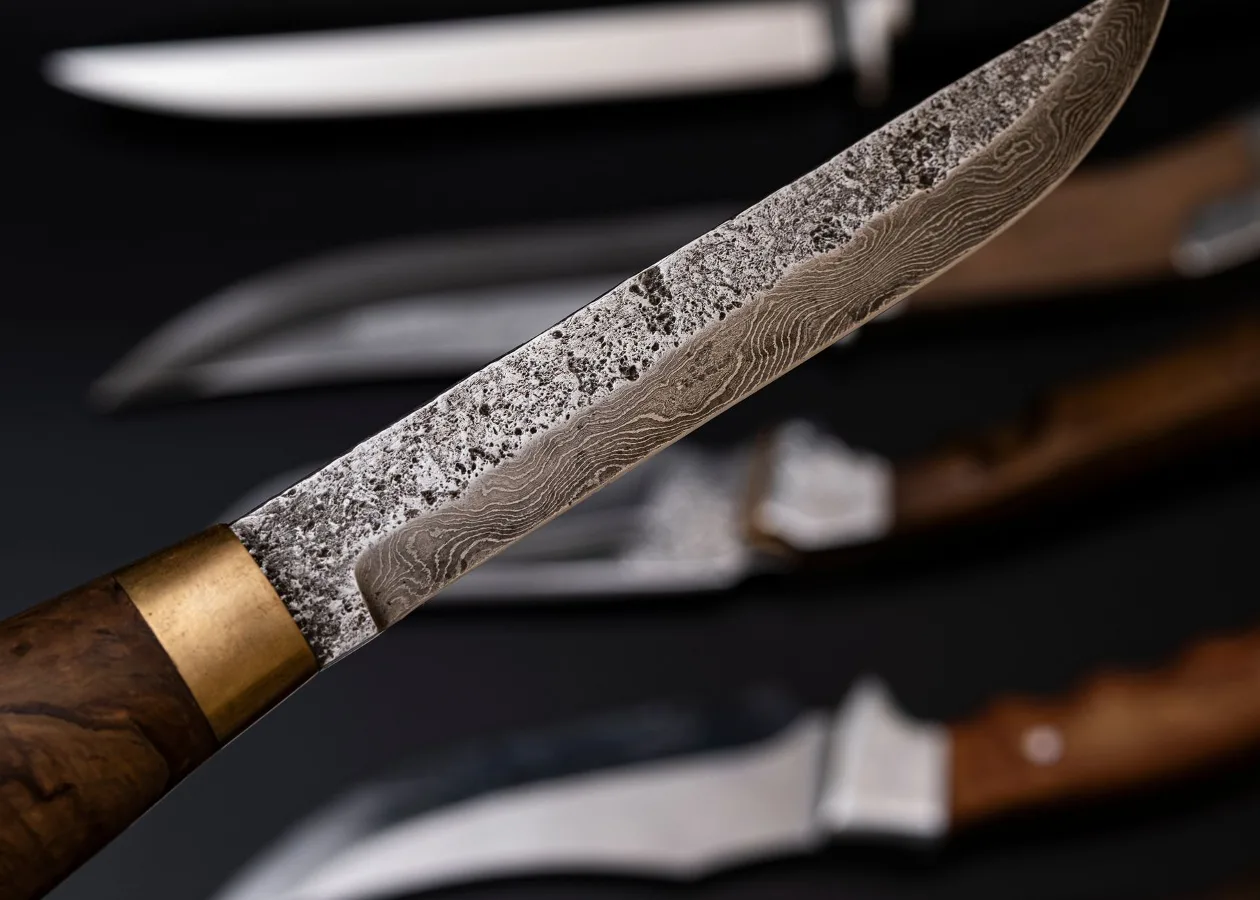
A damascus kitchen knife set is usually chosen for two reasons: the layered blade pattern and the promise of a more refined cutlery experience. For most shoppers, the real question is not whether damascus looks impressive, but whether the set offers the right balance of steel quality, edge retention, comfort, and upkeep for everyday cooking. knife steel comparison guide offers more detail on this point.
If you are comparing sets for a U.S. kitchen, start with the basics. Look closely at the blade construction, whether the set includes the knives you actually use, how the handles feel in hand, and how much maintenance you are willing to accept. A damascus pattern alone does not guarantee better performance, and that is the first misconception worth clearing up.
Who a damascus kitchen knife set is best for
This type of set makes the most sense for cooks who want a blend of function and presentation. It can appeal to home cooks upgrading from a basic starter set, gift buyers looking for something more premium, and anyone who values a more refined look on the counter or in a knife block. best knife set for home cooks offers more detail on this point.
It is also a reasonable option if you do a fair amount of slicing, chopping, and prep work and want a set that feels more precise than budget stamped knives. The best versions are designed for practical kitchen work first, with the damascus finish serving as a visual and structural feature rather than decoration alone.
That said, not every cook benefits equally. If your priority is very low maintenance, rough daily use, or maximum affordability, a simpler stainless knife set may be the more sensible choice. Likewise, if you mainly need one excellent chef knife, a full set may be less useful than buying individual knives carefully. how to choose a chef knife offers more detail on this point.
The real trade-offs behind damascus styling
One common misconception is that all damascus knives are made from the same type of steel. In reality, the term is often used in a few different ways. Some blades are made with layered steel construction, while others use a patterned surface finish over a stainless core. For buyers, the important part is understanding what the blade actually offers, not just how it looks.
Pros often associated with a damascus kitchen knife set:
- A distinctive blade pattern that can make the set feel more premium
- Often paired with sharper, more precise cutting profiles
- May include better balance and handle design than entry-level sets
- Can be an attractive gift or countertop display piece
Limitations to keep in mind:
- Appearance does not automatically mean better cutting performance
- Some sets need more careful washing and drying than standard stainless sets
- Patterned blades can make it harder to judge surface wear at a glance
- Premium styling sometimes raises the price without improving the knife you will use most often
The right mindset is to treat damascus as one part of the decision, not the decision itself. A well-designed plain stainless set can outperform a flashy option if the steel, grind, and handle are better matched to real kitchen use.
Material and construction factors that matter most
For a buyer-guide approach, the material details deserve more attention than the pattern. They help determine how a set feels, how long it holds an edge, and how demanding it will be to maintain.
Blade steel and edge behavior
Blade steel influences sharpness, corrosion resistance, and how often you need to sharpen. Many kitchen shoppers want a knife that stays usable between sharpening sessions without becoming difficult to care for. That balance matters more than chasing the hardest steel on paper.
If a set uses stainless steel construction or a stainless core, it usually offers more forgiving upkeep than high-carbon blades. That can be helpful in busy households where knives may not be dried immediately after washing. On the other hand, some cooks prefer a slightly more responsive cutting feel from knives that are designed with sharper, more performance-focused steel choices.
Handle material and grip comfort
Handles can be overlooked because the blade gets most of the attention. Yet a knife that feels awkward or slippery will slow you down and make prep work less pleasant. Look for a handle shape that fits your hand size and a finish that remains comfortable during longer chopping sessions.
Popular handle materials include wood, pakkawood, resin-based composites, and various synthetic materials. Each has trade-offs. Wood can feel warm and traditional but may need more care. Synthetic handles are often easier to maintain and more resistant to moisture. Pakkawood sits in the middle for many buyers, offering a polished look with better durability than unfinished wood.
Balance and weight
Balance affects how controlled the knife feels during slicing and rocking motions. A set can look elegant and still feel front-heavy or too light for your style. If you like a guided, steady motion, you may prefer a slightly heavier feel. If you want quick, nimble prep, a lighter knife may be better.
This is one of the most practical reasons to avoid shopping by photos alone. A damascus kitchen knife set can vary widely in hand feel even when the blade length and styling look similar.
Edge geometry and intended use
Not all knives in a set do the same job well. A chef knife should handle most prep. A paring knife suits detail work. A bread knife needs a serrated edge. If the set includes specialty pieces you rarely use, that is not automatically bad, but it can reduce real value if you are paying more for tools that will sit in the block.
The best sets for most households include the core essentials rather than a large number of decorative extras. More knives do not necessarily mean a better buy.
What to check before buying
A practical decision comes down to a few questions that are easy to overlook in product listings.
- Which knives are included? Make sure the set matches your actual cooking habits. A compact set with the essentials may be more useful than a large one with redundant pieces.
- Is the steel clearly described? Vague wording can hide the difference between a true layered construction and a patterned finish.
- How is the handle built? Look for comfortable grip, secure construction, and materials suited to your cleaning routine.
- What maintenance will it require? Some sets tolerate everyday use better than others, especially in households where handwashing habits are inconsistent.
- Will it fit your storage plan? A knife block, magnetic strip, or drawer insert all affect how convenient the set will be over time.
A useful buying insight: many people focus too much on blade count and not enough on daily workflow. A smaller, better-matched set is often easier to live with than a large collection of knives that do not support your cooking style.
When a damascus set is worth the extra attention
This kind of set is worth serious consideration if you want kitchen knives that combine visual appeal with more refined cutting performance than a basic starter pack. It also makes sense if the set will be a long-term purchase and you are willing to maintain it properly.
It may be less worthwhile if you want a truly low-fuss set for dishwasher-style convenience, if you do not sharpen knives, or if your budget would be better spent on one excellent chef knife and a few practical accessories. For some households, a premium-looking set is simply not the highest-value path.
There is also a practical nuance that matters for gift buyers: the most impressive-looking knife set is not always the easiest one for the recipient to use. If you are buying for someone else, choose a set with approachable maintenance and comfortable ergonomics rather than one that relies on specialty care.
How to care for the set once you own it
Care requirements vary, but a few habits help protect any quality kitchen knife set.
- Wash by hand rather than relying on a dishwasher, which can be hard on blades and handles
- Dry promptly after washing to reduce spotting and corrosion risk
- Store the knives in a block, sheath, or on a magnetic strip to protect the edge
- Use a cutting board made of wood or a knife-friendly composite rather than glass or stone
- Hone or sharpen as needed so the knives stay predictable and safe
Many buyers underestimate storage. A good edge can be damaged quickly if knives are tossed loosely in a drawer. For a damascus kitchen knife set, proper storage also helps preserve the appearance that made the set appealing in the first place.
Alternatives worth considering
A damascus kitchen knife set is not the only sensible option in the kitchen category. Depending on your budget and cooking style, one of these alternatives may be better.
A high-quality chef knife plus a few essentials
If you cook regularly but do not need a full block, this is often the most efficient path. A strong chef knife, a paring knife, and a bread knife cover many household tasks without committing to a larger set.
Simple stainless knife set
For busy kitchens, a plain stainless set can be easier to maintain and more forgiving of everyday use. You may lose the decorative appeal, but you can gain convenience and value.
Japanese-style individual knives
Some buyers prefer to assemble a small collection around specific tasks rather than buy a matched set. This can provide better specialization, though it usually requires more research and a clearer sense of your cooking habits.
Common mistakes buyers make
Most disappointment with knife sets comes from a handful of avoidable mistakes.
- Buying for looks only. The pattern may be attractive, but the steel and handle decide how the knives perform.
- Choosing too many pieces. Extra knives can create clutter without adding value.
- Ignoring care requirements. If you do not want handwashing and proper storage, choose a simpler set.
- Overlooking handle comfort. A knife that feels awkward will not get used as often.
- Assuming all damascus sets are equal. Construction quality varies widely, so product details matter.
A less obvious mistake is assuming a set with a dramatic pattern is automatically a better gift. For someone who cooks casually, a practical, comfortable knife may be appreciated more than a flashy one.
Next steps before you buy
Before choosing a damascus kitchen knife set, narrow your decision around how you cook, how much maintenance you want, and how many knives you will actually use. If you know you want a premium-looking set for daily prep, focus on steel description, handle comfort, and the core knife types included.
If you are still undecided, compare the set against a simpler stainless option and a smaller knife collection built around a strong chef knife. That side-by-side thinking often reveals whether you want aesthetics, convenience, or pure function most.
The best choice is the one that fits your kitchen habits without adding friction. A damascus kitchen knife set can absolutely be that choice, but only if the materials, construction, and maintenance fit the way you actually cook.
FAQ
Is a damascus kitchen knife set better than stainless steel?
Not automatically. A damascus-style set may offer a more premium look and, in some cases, better blade construction, but stainless steel sets can be easier to maintain and may provide better value for everyday use.
Do damascus knives need special care?
They often benefit from handwashing, prompt drying, and proper storage. The exact care depends on the steel and handle materials, but gentle routine care is usually the safest approach.
How many knives should a good set include?
For many households, the most useful sets include only the essentials: a chef knife, a utility or santoku-style knife, a paring knife, and a bread knife. More pieces are not always better.
Are damascus knife sets good gifts?
They can be, especially for someone who enjoys cooking and appreciates presentation. For less experienced users, a comfortable and easy-to-care-for set may be a better gift than a highly specialized one.
What should I avoid when buying one?
Avoid choosing based on looks alone, and be cautious of vague product descriptions that do not clearly explain blade materials, handle construction, or care requirements.