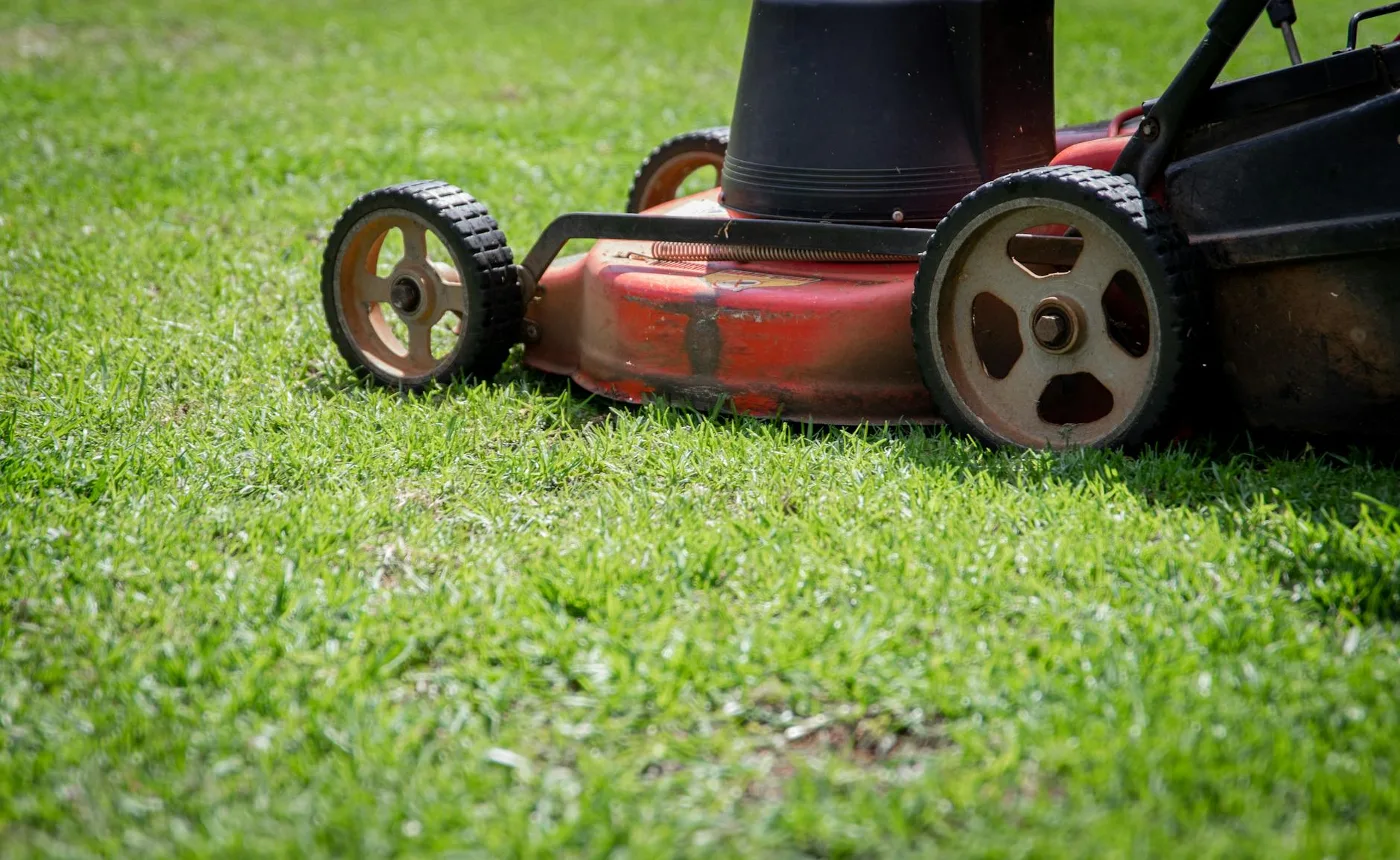
A lawn mower mulching blade is built to keep clippings moving inside the deck so they are cut into smaller pieces before they drop back onto the lawn. For many homeowners, that means less bagging, fewer visible clumps, and a cleaner-looking cut—provided the blade matches the mower and the lawn conditions. lawn mower maintenance basics offers more detail on this point. Electric Start Lawn Mower Buying Guide offers more detail on this point.
The catch is that a mulching blade is not automatically the best blade for every mower or every yard. Deck shape, mowing habits, grass length, and even how often you cut all affect whether mulching works well or becomes frustrating. If you are shopping for a replacement blade, the smartest approach is to focus on compatibility and use case first, then look at cutting style second. Best Lawn Mower Blades: How to Choose offers more detail on this point.
What a lawn mower mulching blade actually does
A mulching blade has a shape intended to create more air movement and more cutting action inside the mower deck. Instead of simply ejecting grass quickly, it helps recirculate the clippings so they are cut again before being deposited back onto the lawn as fine mulch.
That matters because smaller clippings break down more easily and are usually less noticeable on the lawn. In practical terms, a mulching setup can be useful if you want to reduce cleanup, return some organic matter to the soil surface, or avoid stopping to empty a bag as often.
There is a common misconception that any blade with a curved profile is a mulching blade. Shape alone is not enough. The blade needs to suit the mower deck, the discharge system, and the way the deck moves air. A blade that looks similar to a mulching style can still perform poorly if it is the wrong size or the wrong fit.
Key factors that matter before you buy
Compatibility with your mower
The first filter is fit. A blade must match the mower’s deck size, center hole pattern, length, width, and mounting style. Even if a blade is marketed as a universal mulching option, it still needs to be compatible with your specific mower model.
Before ordering, check the mower manual or the existing blade details. The safest approach is to compare the replacement part against the original rather than guessing based on deck size alone. Small differences in mounting pattern or blade length can make a blade unusable.
Deck design and airflow
Mulching performance depends heavily on the deck. Some mower decks are better at circulating clippings than others, and the blade can only do so much on its own. If the deck is shallow, dirty, or not designed to retain clippings long enough, mulching may be less effective.
This is one of the most overlooked considerations. People often focus only on the blade, but the mower deck is part of the cutting system. If airflow is weak, the blade may leave longer clippings behind or create uneven results, especially when the grass is damp or overgrown.
Grass conditions and mowing habits
Mulching blades tend to work best when the lawn is maintained regularly and the grass is not excessively tall. If you let the lawn grow too long between cuts, the blade may struggle to process the volume of clippings cleanly.
Wet grass is another practical limitation. Moist clippings can stick together, reduce airflow, and clog the deck more easily. That does not mean mulching is impossible in every damp condition, but it does mean the system is less forgiving when the lawn is heavy, wet, or uneven.
Cut quality versus discharge speed
Mulching blades usually trade some discharge speed for finer clipping control. That can be a plus if you want a cleaner finish and less visible residue. It can be a drawback if you need fast ejection, especially in thick or fast-growing grass.
If your yard regularly produces dense growth, you may need to decide whether you want the better finish of a mulching blade or the more aggressive clipping movement of a high-lift blade. For some lawns, the answer depends on the season rather than on the mower itself.
When a mulching blade makes the most sense
A mulching blade is usually a good fit when you mow often, prefer to leave clippings on the lawn, and want to reduce the amount of cleanup after each cut. It can also make sense if your grass grows steadily and you are working with a mower deck that supports good airflow.
Homeowners who maintain a fairly regular mowing schedule tend to get the best results. The blade has less material to process at one time, which helps it cut clippings into finer pieces instead of pushing them around the deck.
Mulching can also be appealing if you want a simpler routine. You do not have to empty a bag, and you avoid piling up clippings at the curb. That convenience is one of the main reasons people replace a standard blade with a mulching model.
Where a different blade may be the better choice
A mulching blade is not always the best option for every yard. If your lawn often gets overgrown, if you mow only occasionally, or if your grass is thick and damp, a standard or high-lift blade may handle the load more effectively.
A high-lift blade can be a better choice when strong discharge or bagging performance matters more than fine clipping recutting. That is especially relevant if you rely on a grass catcher or want to move heavy clippings out of the deck quickly.
On some mowers, switching to a mulching blade without changing anything else can produce disappointing results. The mower may leave clumps, clog more easily, or require slower mowing speeds. In those cases, the issue is not necessarily the blade quality—it is that the blade does not match the lawn routine.
How to evaluate the right replacement blade
Start with the mower manual or part number
The most reliable replacement strategy is to use the mower’s original part number or the manufacturer’s recommended blade specification. That reduces the risk of ordering a blade that fits poorly or changes the mower’s handling in an undesirable way.
If you do not have the manual, compare the old blade carefully. Measure or verify the length, center hole pattern, thickness, and any identifying markings. For many homeowners, the safest route is to replace like with like unless there is a clear reason to change blade style.
Check whether you want mulching only or multipurpose use
Some blades are designed specifically for mulching, while others are advertised as combination blades that can mulch, bag, or side-discharge. Those combinations can be convenient, but they are still compromises.
If your mowing routine changes through the year, a multipurpose blade may be more practical than a dedicated mulching blade. On the other hand, if your main goal is to improve clipping recirculation, a blade designed primarily for mulching may be the better fit.
Pay attention to blade condition and balance
A replacement blade is not just about style. A dull or damaged blade can tear grass rather than cut it cleanly, and a bent blade can cause vibration or uneven cutting. Those problems can make any mower seem worse than it is.
If you are replacing a blade because the lawn looks ragged, the issue may be wear rather than blade type. In that case, sharpening or replacing the blade may matter more than choosing a different style.
Practical trade-offs to keep in mind
The biggest advantage of a lawn mower mulching blade is convenience. It reduces visible clippings and can support a simpler mowing routine. But the trade-off is that the mower must do more work inside the deck, which can mean slower mowing speeds or less forgiveness when conditions are not ideal.
Another trade-off is cleanup versus performance. Bagging gives you a tidier removal process, especially after heavy cutting, while mulching keeps material on the lawn. Neither is universally better. The right choice depends on whether you value a cleaner surface, less maintenance, faster mowing, or easier handling of heavy growth.
It is also worth considering that mulching performance can vary by season. During periods of fast growth, you may need to mow more often to keep the system working properly. During dry or slow-growth periods, the blade may be easier to use and provide more even results.
Common mistakes buyers make
- Choosing a blade based only on the word mulching without checking fit.
- Assuming a blade will solve overgrown or wet grass problems on its own.
- Replacing the blade but ignoring deck buildup, which can reduce airflow.
- Expecting the same performance from every mower deck and blade combination.
- Using a blade that does not match the mower’s mounting pattern or length.
One especially common mistake is treating mulching as a universal upgrade. In reality, it is a better fit for some mowing habits than others. A carefully chosen standard blade can outperform a poorly matched mulching blade in the wrong yard conditions.
Simple decision guide
| If your priority is… | Mulching blade may fit | Consider another blade if… |
|---|---|---|
| Less bagging and fewer clippings to collect | Yes, especially with regular mowing | You prefer to remove clippings completely |
| Thick or overgrown grass | Maybe, if you mow slowly and often | You need fast discharge or bagging |
| Cleaner lawn surface after mowing | Yes, when the deck and grass conditions support it | You mow wet grass or allow heavy buildup |
| Easy replacement | Only if the part matches exactly | The mower requires a different blade style |
Maintenance that helps any mulching setup work better
Even the right blade will underperform if the mower is neglected. Keeping the underside of the deck clean helps maintain airflow, and a sharp blade makes a major difference in cut quality. Those are basic steps, but they matter more than many buyers expect.
If the mower vibrates, cuts unevenly, or leaves strips behind, do not immediately blame the blade type. Inspect the blade for wear, check that it is installed correctly, and look for buildup under the deck. Those issues can affect mulching more than the blade design itself.
Regular inspection also helps with safety. A blade that is damaged, loose, or unbalanced can create problems that go beyond lawn appearance. Replacing a blade at the right time is part of keeping the mower reliable, not just improving the finish.
Choosing with the lawn, not just the product, in mind
The best lawn mower mulching blade is the one that fits your mower and your mowing routine. If you cut often, prefer less cleanup, and have a mower deck that supports good recirculation, mulching can be a practical upgrade. If your lawn is frequently tall, wet, or heavily loaded, a different blade may be the smarter choice.
That is the key decision: do you want a blade that supports your existing habits, or are you willing to change how you mow to get the benefit of mulching? For many homeowners, the answer depends less on the blade itself and more on how realistically it fits everyday lawn care.