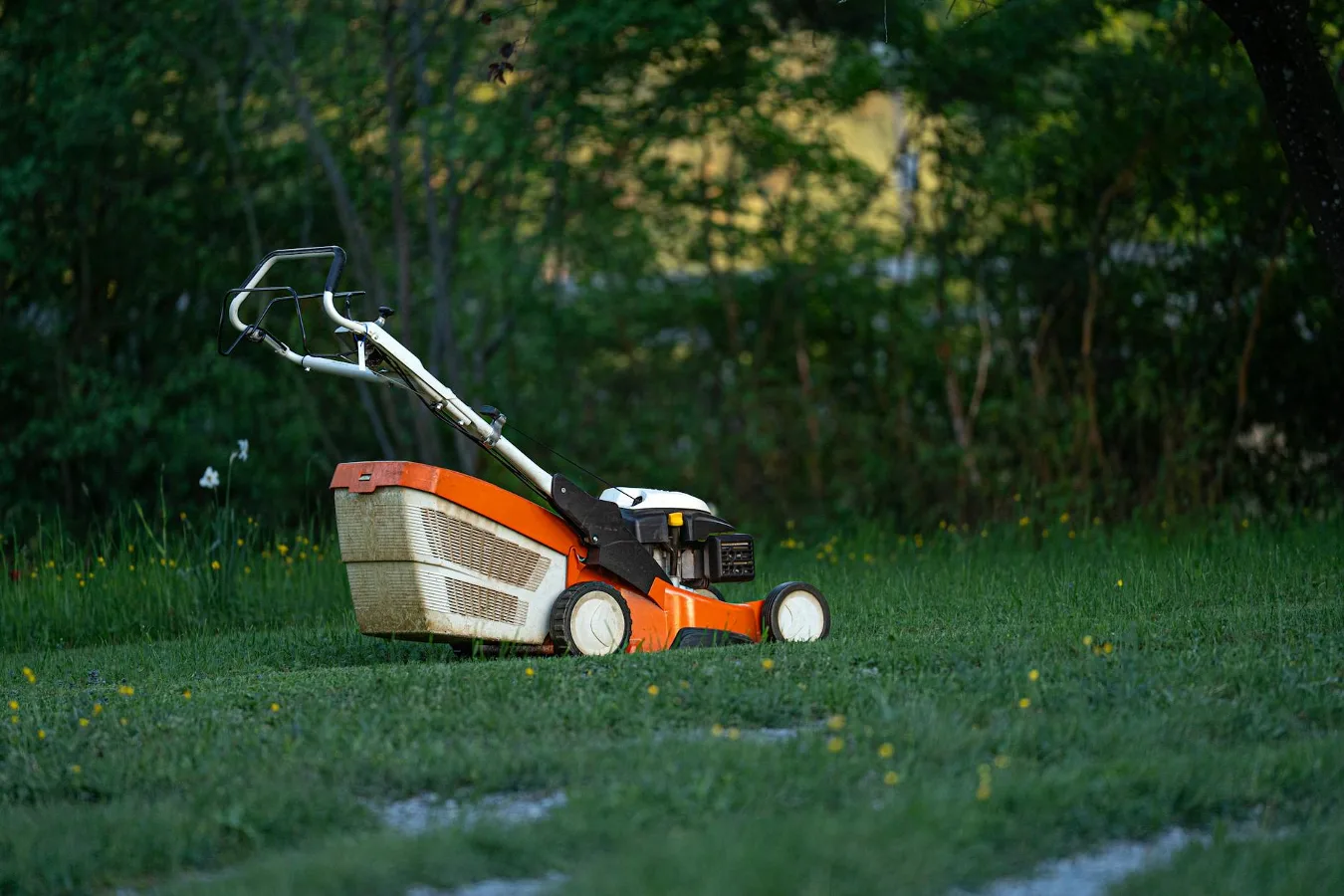
If you want a mower that starts with less effort, an electric start lawn mower is usually a strong fit. The main appeal is simple: you still get a walk-behind mower format, but you avoid the repeated pull-cord tug that some buyers find awkward, tiring, or unreliable on the first try. what to know before buying a walk-behind mower offers more detail on this point. electric reel lawn mower offers more detail on this point.
That said, electric start is not a single category. Some models use a small starter battery to turn over a gas engine, while others pair a battery-powered drivetrain with push-button starting. The right choice depends less on the label and more on your yard size, terrain, storage setup, and how much ongoing maintenance you want to handle.
Who an electric start lawn mower is best for
An electric start mower makes the most sense when convenience matters as much as cutting performance. It is especially worth considering if you want a mower that is easier to start after storage, less frustrating for users who dislike recoil starting, or better suited to shared households where more than one person may need to operate it.
- Homeowners who want less starting effort: Push-button ignition can remove one of the most annoying parts of mowing.
- Older users or anyone with limited hand strength: The reduced physical demand can make routine mowing more manageable.
- People with seasonal use patterns: If the mower sits for stretches, easy starting becomes more valuable.
- Buyers comparing gas and battery options: Electric start can be a bridge between traditional gas mowing and newer battery-powered platforms.
It is not automatically the best choice for every yard. If you have a very small lawn, a lightweight battery mower without a gas engine may be simpler overall. If you have a large or uneven yard, you may care more about propulsion, deck size, fuel range, and traction than the starter type alone.
What electric start actually changes
The biggest change is the starting process, not the mower’s entire character. An electric start system helps initiate the engine with a battery-powered starter or electronic ignition. That means less pulling, less strain, and fewer repeated attempts when a machine is cold or has been idle.
What it does not change is the basic upkeep of the mower. If the model uses a gas engine, you still have fuel management, oil checks, air filter care, spark plug maintenance, and seasonal storage to think about. A lot of buyers assume electric start means “maintenance-free,” but that is a common misconception.
In practical terms, the convenience is real, but it comes with another component to monitor. If the starter battery is weak, neglected, or stored poorly, the easy-start advantage can disappear right when you need it most.
Trade-offs to weigh before you buy
The trade-off question is straightforward: are you willing to accept a little more system complexity in exchange for easier starting?
Benefits
- Less physical effort: No repeated pull starts.
- More approachable for occasional users: Helpful if the mower is used by multiple family members.
- Better match for convenience-focused buyers: Especially useful if you prioritize easy operation over minimal parts.
- Can reduce startup frustration: This matters more than many buyers expect, especially after winter storage.
Limitations
- More components: A starter battery or start-assist system adds another thing to maintain.
- Potential for battery-related issues: A weak battery can create the very problem you were trying to avoid.
- Usually not the lightest option: Some electric start gas mowers are heavier than basic push models.
- Starting ease does not equal mowing ease: If the mower is hard to push, steer, or turn, electric start will not fix that.
One overlooked consideration is storage. A mower that starts easily in spring can still disappoint if the starter battery has been left uncharged or forgotten over the off-season. Buyers who want low hassle should think about storage habits as part of the purchase decision, not after the fact.
Material and specification factors that matter most
For this keyword, the most relevant buying factors are not decorative features. They are the practical details that affect how the mower starts, cuts, handles, and holds up in real use.
Power source
Start by deciding whether you want a gas mower with electric start or a battery-powered mower with push-button operation. Gas models can suit larger lawns and longer mowing sessions, while battery models often appeal to buyers who want less routine engine maintenance and quieter operation.
If you are comparing both, think about yard size, charging access, runtime needs, and how much you want to avoid fuel and oil management.
Deck size
Deck width influences how many passes it takes to finish the lawn. A wider deck can reduce mowing time, but it may be harder to maneuver around tight landscaping, narrow gates, or irregular corners. Smaller decks tend to be easier to store and steer.
The best choice depends on how open your yard is. For compact suburban lawns with obstacles, maneuverability may matter more than raw width. For broader open areas, a larger deck can be a practical time saver.
Self-propelled or push
Electric start does not mean the mower moves itself. Some models are push mowers, while others are self-propelled. This distinction matters a lot if your yard has hills, thick grass, or a layout that makes pushing tiring.
If ease of use is your priority, self-propelled drive can be more important than the starter system. A mower that starts effortlessly but is hard to push may still feel cumbersome.
Terrain and traction
Slopes, damp ground, and uneven patches change the buying equation. Traction, wheel size, and drive system can matter more than the starting method once the mower is moving. For sloped yards, a stable self-propelled model is often more useful than an easy-start push mower.
Cutting options
Many mowers offer mulching, bagging, and side discharge. These are worth comparing because they affect cleanup, lawn appearance, and how the mower handles heavier clippings. If you prefer a cleaner finish, bagging may be attractive. If you want fewer stops, mulching may be more convenient. If your grass grows quickly, side discharge can help manage volume.
Starter battery access and care
If the mower uses a separate starter battery, look for a design that makes charging and replacement straightforward. Easy access matters because a hidden or awkward battery compartment can turn a convenient feature into a nuisance. A clear charging routine is also important for seasonal storage.
When an electric start mower makes sense versus alternatives
Buying a mower is easier when you compare it with the most likely alternatives rather than treating it as a standalone decision.
Electric start gas mower
This is the best-known version of the category. It is often a good fit for buyers who want easier starting but still prefer the range and traditional feel of gas power. The trade-off is ongoing engine maintenance and the extra battery-related component.
Battery-powered mower
If your main goal is low starting effort, a battery mower may be even simpler. Many start with a button and remove fuel, oil, and carburetor concerns. The limit is runtime, which can matter on larger yards or in thicker grass.
Manual recoil-start gas mower
These are often less expensive and mechanically straightforward, but the pull-start can be the deciding drawback for buyers who want comfort and ease. If you are comfortable with recoil starting and want a simpler system, it may still be worth considering.
The practical question is not which mower is “best” in the abstract. It is which one fits your yard, your storage habits, and how much effort you want to spend every time you mow.
Common mistakes buyers make
- Focusing only on electric start: Starting convenience is helpful, but deck size, drive type, and terrain fit often matter more in daily use.
- Ignoring storage needs: If the battery is hard to access or maintain, the feature loses value quickly.
- Choosing a mower that is too heavy: A convenient starter does not make a bulky mower easier to maneuver.
- Assuming all easy-start systems are equal: Some use battery assistance, some use electronic ignition, and some still depend on engine condition.
- Overlooking yard layout: Tight spaces, slopes, and obstacles can make the wrong mower feel frustrating regardless of starting method.
How to narrow the choice before checkout
A good shortlist starts with your yard and ends with the maintenance you are willing to accept. Use the following questions to sort models quickly:
- Is my yard small, medium, or large enough to require a wider deck or longer runtime?
- Do I want gas power, battery power, or a hybrid convenience approach?
- Will I need self-propelled drive for hills or thick grass?
- How important is easy storage and light handling?
- Am I comfortable keeping up with charging, oil, fuel, and seasonal maintenance?
If you can answer those clearly, the right mower type becomes much easier to identify. Electric start is best treated as one part of the decision, not the whole decision.
Next steps before you choose a model
Before buying, compare the starter system, propulsion, deck size, and maintenance requirements side by side. Then check whether the mower’s storage setup and battery access match how you actually keep tools between mowing seasons.
If you are still undecided, start by separating your options into three groups: easy-start gas mowers, battery mowers, and basic recoil-start models. From there, the best fit usually becomes obvious once you weigh convenience against runtime, upkeep, and yard conditions.
For many homeowners, an electric start lawn mower is the most balanced answer when they want less startup effort without giving up the familiarity of a walk-behind mower. The key is making sure the feature solves a real problem in your yard rather than adding complexity you do not need.
FAQ
Is an electric start lawn mower the same as a battery mower?
No. Some electric start mowers are gas-powered with a battery-assisted starting system, while battery mowers run on rechargeable packs and usually start with a button.
Do electric start mowers still need maintenance?
Yes. If the mower has a gas engine, you still need to handle fuel, oil, air filters, spark plugs, and seasonal storage. The start system does not remove normal upkeep.
What is the main advantage of electric start?
The main advantage is convenience. It reduces or removes the need to pull a recoil cord, which can make mowing easier for frequent, occasional, or less physically demanding use.
Should I choose electric start or self-propelled?
They solve different problems. Electric start makes the mower easier to start, while self-propelled drive makes it easier to move across the yard. For hills or heavier grass, self-propelled may matter more.
What should I check first when buying one?
Start with your yard size, terrain, and preferred power source. Then compare deck width, drive type, battery access, and storage convenience so the mower fits your routine, not just your wishlist. mower deck size and cutting width explained offers more detail on this point.