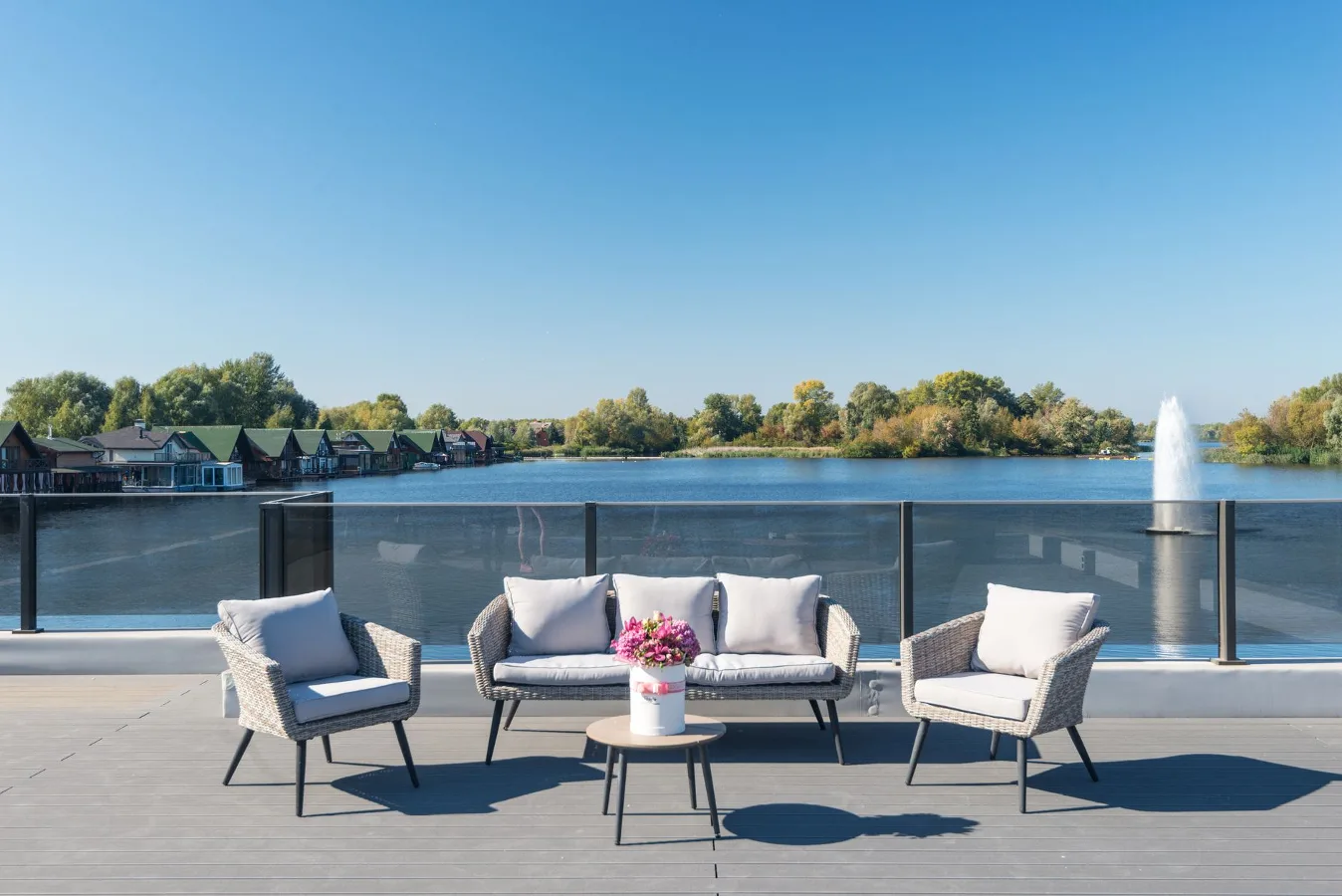
Quick answer: what Beachcroft outdoor furniture usually means
If you’re searching for Beachcroft outdoor furniture, you’re most likely looking for a coastal-inspired outdoor seating collection or a similar furniture style rather than one universal product category. The safest way to shop for it is to focus on the same decision factors you would use for any patio collection: frame material, cushion comfort, weather resistance, size, and how well the pieces fit your space. outdoor paint furniture offers more detail on this point.
That matters because outdoor furniture is rarely a one-size-fits-all purchase. A set that looks right in a catalog can feel too bulky on a small deck, too low-maintenance for a sunny climate, or too delicate for a high-use family patio. If you want the Beachcroft look, the real question is not just style. It is whether the construction and dimensions match how you plan to use the space.
For most shoppers, the smartest approach is to compare Beachcroft-style pieces against other patio seating options with similar silhouettes and materials. That gives you a clearer picture of comfort, upkeep, and long-term value before you commit.
What to compare before you buy
Because the phrase can point to a collection or style, the most useful comparison is between core outdoor furniture features rather than brand names alone. Start with the frame, then move to cushions, scale, and care requirements. These are the details that affect everyday use far more than finish photos.
Frame material and structure
Outdoor frames are usually chosen for durability, weight, and appearance. Aluminum is often favored for lighter weight and rust resistance, while resin wicker offers a woven look that can read as relaxed or coastal. Powder-coated metal can be sturdy and clean-looking, but the finish quality and maintenance needs matter. The frame should feel suited to your climate and your storage habits, not just your style preference.
A common misconception is that heavier always means better. In outdoor furniture, weight can help with stability, but it can also make rearranging or seasonal storage harder. If you frequently move pieces around for entertaining, cleaning, or winter storage, portability may matter as much as sturdiness.
Cushion comfort and fabric
Comfort is one of the biggest differences between outdoor collections. Cushion depth, seat height, and back support all shape how the furniture feels after ten minutes versus an hour. If the set will be used for lounging, look closely at whether the cushions appear thick enough for extended sitting. For dining-adjacent seating, slimmer cushions can be more practical.
Fabric choice is equally important. Outdoor fabrics are selected for exposure tolerance and easier care, but they still vary in feel and upkeep. Some fabrics dry faster and handle routine splashes better, while others prioritize softness or a more premium look. If the space is uncovered, the maintenance burden rises quickly, especially in humid or rainy areas.
Scale and layout fit
One of the easiest mistakes is buying outdoor furniture that fits the style of the space but not the scale. A deep sectional can overwhelm a compact balcony. A modest loveseat can look undersized on a large patio. Measure the area, then map out walking space, table placement, and any door swings or grill clearance before you shop.
If you are comparing Beachcroft-style seating for a smaller garden or terrace, prioritize modular pieces, armless chairs, or a compact sofa-and-chair pairing. For larger patios, sectionals and ottomans can help anchor the space and make it feel intentional instead of scattered.
Maintenance and storage
Outdoor furniture should match your willingness to maintain it. Some finishes and fabrics are more forgiving than others, but no piece is truly maintenance-free. Cushions may need to be brought in during storms. Frames may need regular wiping. Woven textures can collect debris. If you want low-friction upkeep, choose materials and silhouettes that are easy to clean and easy to cover. outdoor furniture materials guide offers more detail on this point. best fabrics for outdoor cushions offers more detail on this point.
Storage is often overlooked until the first weather change. Before buying, ask whether you have room for cushion storage, whether furniture covers will fit, and whether the pieces can be stacked, nested, or moved without help. Those practical details often decide whether a set feels effortless or frustrating.
How Beachcroft-style furniture compares with other patio options
Rather than judging a collection by appearance alone, compare it against the ways people actually use outdoor spaces. The Beachcroft look is generally associated with soft lines, casual comfort, and a relaxed backyard feel. That can be a strong fit for entertaining, lounging, or creating a more residential look on a patio or lanai.
Here is a practical way to think about the trade-offs.
| Option | Best for | Main advantage | Possible limitation |
|---|---|---|---|
| Beachcroft-style seating | Relaxed outdoor living | Comfortable, inviting look | Can be bulky in small spaces |
| Metal patio sets | Lower-profile layouts | Often lighter and cleaner-lined | May feel less lounge-friendly |
| Resin wicker sets | Coastal or casual patios | Decorative and versatile | Texture can collect debris |
| Modular sectionals | Flexible entertaining | Can adapt to different layouts | More pieces to maintain |
The key difference is not whether one is universally better. It is whether the furniture matches the role of the space. A family patio used for movie nights, afternoon reading, and weekend guests needs a different setup than a minimalist balcony or a formal dining terrace.
Mistakes to avoid when shopping for Beachcroft outdoor furniture
Most regrets with outdoor furniture come from fit, not style. A set may look attractive online and still be wrong for the space, climate, or daily routine. These are the mistakes worth avoiding.
- Buying by appearance alone. A coastal look can be appealing, but comfort, cushion quality, and scale matter more in daily use.
- Skipping measurements. Always measure the full footprint, including walkways and clearance around doors or planters.
- Ignoring weather exposure. An uncovered patio has different needs than a screened porch or shaded deck.
- Overlooking cushion storage. Cushions often need protection even when the frame can stay outside.
- Choosing a set that is too large. Oversized seating can make a patio feel cramped and harder to use.
- Not thinking through cleaning. Textured materials and light colors may look appealing but require more routine care.
A practical nuance that gets missed often: furniture can look proportionate in a photo and still leave too little room for movement. Leave enough space to pull out chairs, walk around an ottoman, and open nearby storage or grill lids without constant rearranging.
Who Beachcroft outdoor furniture tends to suit best
This style is usually a good fit for homeowners who want an approachable, casual, and comfortable outdoor room rather than a rigid formal layout. It often works well in family gathering spaces, covered patios, backyard conversation areas, and garden seating zones where the furniture is meant to feel inviting.
It may be less ideal if your main priority is ultra-lightweight furniture, very compact footprints, or minimal upkeep. In those cases, simpler aluminum sets, sling seating, or smaller bistro arrangements may be easier to live with. The best choice depends less on trend and more on how the space functions week after week.
Practical buying checklist
If you are narrowing down Beachcroft outdoor furniture options, use a checklist that reflects real use rather than showroom appeal.
- Does the seating fit the exact dimensions of your patio or deck?
- Will the material hold up reasonably well in your local weather conditions?
- Are the cushions comfortable for the amount of time you plan to sit?
- Can you clean the surfaces without special tools or complicated care?
- Do you have a plan for storage or weather protection?
- Does the style work with the rest of your garden or exterior space?
If you are choosing between two similar collections, the better option is usually the one that is easier to maintain and better scaled to your space. Outdoor furniture that fits your routine will almost always age better in daily life than a more decorative set that is difficult to manage.
Common questions about Beachcroft outdoor furniture
Is Beachcroft outdoor furniture meant for large patios only?
Not necessarily. The look can suit a large patio well, but smaller spaces may still work if you choose compact seating, fewer pieces, or a modular layout. The important factor is scale, not just style.
What should I prioritize first: material or comfort?
For most buyers, start with material suitability for your climate, then evaluate comfort. A very comfortable set that is hard to maintain may become a burden, while a durable set that is uncomfortable will not get used often.
Can this style work in a coastal climate?
It can, but coastal environments are demanding. Salt air, humidity, and strong sun can all affect outdoor furniture over time. That makes frame material, cushion care, and storage habits especially important.
Is modular seating better than a fixed sofa setup?
Modular seating is often better if your layout changes or you entertain in different ways. A fixed sofa can be simpler and more streamlined, though, so the better choice depends on flexibility versus simplicity.
What is the biggest mistake buyers make?
The most common mistake is choosing a set that looks right without checking dimensions and maintenance requirements. Outdoor furniture should support your space, your weather, and your routine, not just your taste.
Final perspective
Beachcroft outdoor furniture is best approached as a style and use-case decision. If you want a relaxed, inviting outdoor seating area, the look can be a strong fit. But the real value comes from choosing the right scale, materials, and upkeep level for your space.
That is why the smartest buyers compare more than finishes. They compare comfort, weather exposure, storage needs, and how the pieces will function through an entire season. If you keep those factors front and center, you are much more likely to end up with outdoor furniture that feels good to use, not just good to look at.