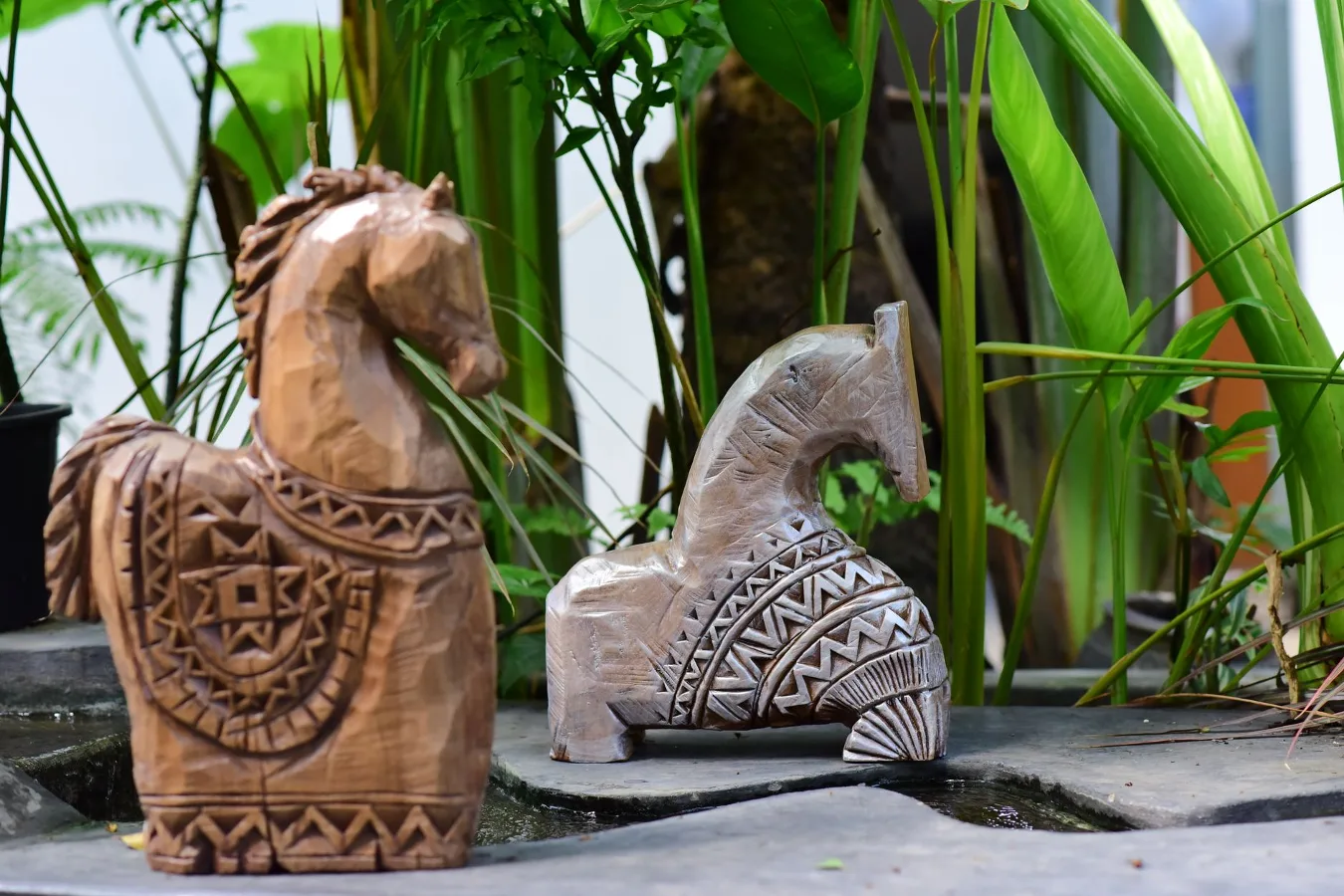
Equine home decor is a good fit if you want a room to feel personal, refined, and a little more characterful than standard farmhouse or rustic styling. The category covers everything from horse wall art and sculptural accessories to textiles, lamps, and decorative objects that reference equestrian life without turning a room into a themed space. complete guide to gold floor lamp offers more detail on this point. southwestern home decor offers more detail on this point. horse wall art ideas offers more detail on this point.
The strongest equine decor choices usually do three things well: they fit the room’s scale, they match the material language of the space, and they keep the horse motif tasteful rather than literal. If you are shopping for a living room, entryway, bedroom, office, or barn-adjacent space, the best buy is rarely the most obvious horse design. It is the piece that feels integrated with the rest of your decor.
What equine home decor is best for
Equine decor works especially well in spaces that already lean warm, natural, or collected. Think wood furniture, leather seating, woven textures, vintage-inspired finishes, and neutral color palettes. A single horse portrait, a metal silhouette, or a pair of equestrian bookends can bring in the theme without overpowering the room.
It is also a flexible style. Some buyers want a subtle nod to the equestrian world, while others prefer a more overt western or stable-inspired look. That difference matters, because the best product for one room may feel too literal in another.
If you are aiming for a more polished interior, look for pieces with restrained lines, muted colors, and quality framing or finishing. If you want a casual or rustic feel, distressed wood, aged metal, linen, and natural fibers can support the look more comfortably.
How to choose equine decor that looks intentional
The easiest mistake is buying a horse-themed item because it fits the subject, not because it fits the room. A good piece should pass a simple design test: would it still make sense if the horse motif were removed?
Start with the room’s style
Equine decor can lean traditional, rustic, western, modern farmhouse, cottage, or transitional. Matching the piece to the room’s style is usually more important than matching it to a specific horse aesthetic.
- Traditional rooms often suit framed prints, classic horse portraits, brass accents, and polished wood.
- Modern farmhouse rooms pair well with black-and-white artwork, simple silhouettes, and natural textures.
- Rustic or western spaces can handle weathered finishes, leather details, and more expressive horse imagery.
- Minimal rooms usually do better with a single sculptural object or understated line art.
Consider scale before theme
Scale is one of the most overlooked considerations in decorative shopping. A large horse canvas can anchor a sofa wall, but the same piece may feel heavy in a narrow hallway. A small figurine may look elegant on a shelf, yet disappear on a long console.
For wall decor, measure the available space before choosing. For tabletop pieces, pay attention to surrounding objects so the decor does not look crowded or undersized. Equine motifs are strong enough visually that they do not usually need a lot of additional styling to register.
Choose materials that suit the room’s use
Material choice affects both the look and the upkeep. Framed prints are easy to live with. Metal wall art can feel more durable and graphic. Wood pieces add warmth but may need a little more care in humid areas. Textiles can soften the theme, but they may require more frequent cleaning depending on placement.
If you are decorating a high-traffic area, prioritize finishes that are easy to dust and less likely to show wear quickly. For bedrooms or low-traffic sitting areas, you can be more decorative and less utilitarian.
Popular equine decor categories and how they differ
Horse-inspired decor is not one single look. The main categories serve different rooms and different design goals.
| Category | Best for | Style effect | Watch for |
|---|---|---|---|
| Wall art and prints | Living rooms, bedrooms, offices | Easy way to set the theme | Size, frame quality, image tone |
| Metal silhouettes or wall sculpture | Entries, hallways, rustic rooms | Graphic and architectural | Finish quality, weight, hanging needs |
| Figurines and statuettes | Shelves, consoles, mantels | Collected and decorative | Proportion and visual clutter |
| Textiles with horse motifs | Bedrooms, reading nooks, casual spaces | Softens the theme | Pattern scale, fabric care |
| Functional decor | Entry tables, desks, sideboards | Practical but styled | Does it earn its place beyond the theme? |
Wall art is usually the easiest starting point because it can set the tone without requiring a large commitment. Sculptural pieces tend to read as more design-forward. Textiles are best when you want the theme to feel comfortable rather than decorative-only.
Style choices that make equine decor look elevated
One common misconception is that equine decor must be rustic, western, or lodge-like. That is not true. The motif can work in a range of interiors if you edit it carefully.
For a more elevated look, keep the palette restrained. Black, white, tan, saddle brown, charcoal, and muted greens are easier to integrate than loud novelty prints. Framing also matters. A clean mat and a simple frame often make a horse image feel more like art and less like novelty decor.
Mixing textures can help too. A smooth print, a woven throw, and a metal accent create contrast without overcomplicating the room. This is especially useful in neutral spaces, where the horse motif needs supporting elements to feel finished.
If you prefer a stronger equestrian identity, look for details such as tack-inspired hardware, bridles, reins, stable references, or classic stable silhouettes. Even then, a more curated approach usually works better than covering every surface with themed objects.
Mistakes to avoid when shopping
- Buying novelty instead of decor. A playful horse item can be fun, but it may not age well if the room needs a more enduring look.
- Ignoring scale. Many decorative horse pieces look good individually but fail when placed too small or too large for the surface.
- Mixing too many equine references. If every item is horse-related, the room can feel forced rather than collected.
- Choosing a finish that fights the room. Shiny, rustic, matte, and polished surfaces all send different signals.
- Forgetting practical upkeep. Textiles, intricate carvings, and open shelving all need more care than a simple framed print.
Another practical nuance is sightline. A bold horse piece placed directly opposite an entrance can dominate a room faster than expected. Sometimes the better choice is to place the motif where it supports the overall layout instead of becoming the first thing everyone sees.
Where equine decor tends to work best
Entryways are a natural fit because they can handle a memorable first impression. Living rooms benefit from larger wall art or a well-chosen sculpture. Bedrooms often do best with softer interpretations, such as muted prints or textile accents. Offices and studies can support more classic equestrian imagery, especially when the room already includes books, leather, or wood furniture.
Kitchens and bathrooms are more limited. You can still use the theme there, but the pieces should be more restrained and practical. Small framed art, a single decorative object, or a subtle print usually works better than a heavy theme.
For homes with an actual equestrian lifestyle, the decor can also bridge indoors and outdoors. That said, a space does not need to be rural to suit the theme. Urban homes can use equine accents successfully if the styling stays edited and the materials feel intentional.
What to compare before you buy
Instead of shopping by image alone, compare a few concrete factors:
- Style compatibility with your existing furniture and finishes
- Scale relative to walls, shelves, and tabletops
- Material and maintenance requirements
- Color palette and whether it blends or contrasts
- Level of theme intensity from subtle to obvious
- Placement flexibility if you want to move it later
- Longevity beyond one seasonal refresh
If you are torn between two pieces, the more versatile one is usually the better buy. A horse-inspired item that works in multiple rooms is more useful than a highly specific piece that only fits one arrangement.
Alternatives if full equine decor feels too specific
Some shoppers like the spirit of the style but do not want an obvious horse theme. In that case, consider broader decor that still feels adjacent to equestrian design.
- Natural materials such as leather, linen, wool, and wood
- Vintage or antique-inspired accessories
- Western and farmhouse pieces with no animal imagery
- Black-and-white photography in classic frames
- Stable-inspired hardware and utility-style accents
These alternatives can give you the same warm, grounded feeling while keeping the room more flexible if your style evolves later.
Final buying perspective
The best equine home decor is not simply decorative; it is proportioned well, made from suitable materials, and matched to the mood of the room. A restrained horse print, a well-made sculpture, or a carefully chosen textile can add character without making the space feel overly themed.
If you are shopping for a cluster of decor ideas, think in layers rather than one isolated purchase. Start with one strong anchor piece, then add supporting textures or smaller accents only if they improve the room. That approach usually leads to a space that feels more polished, more personal, and easier to live with over time.