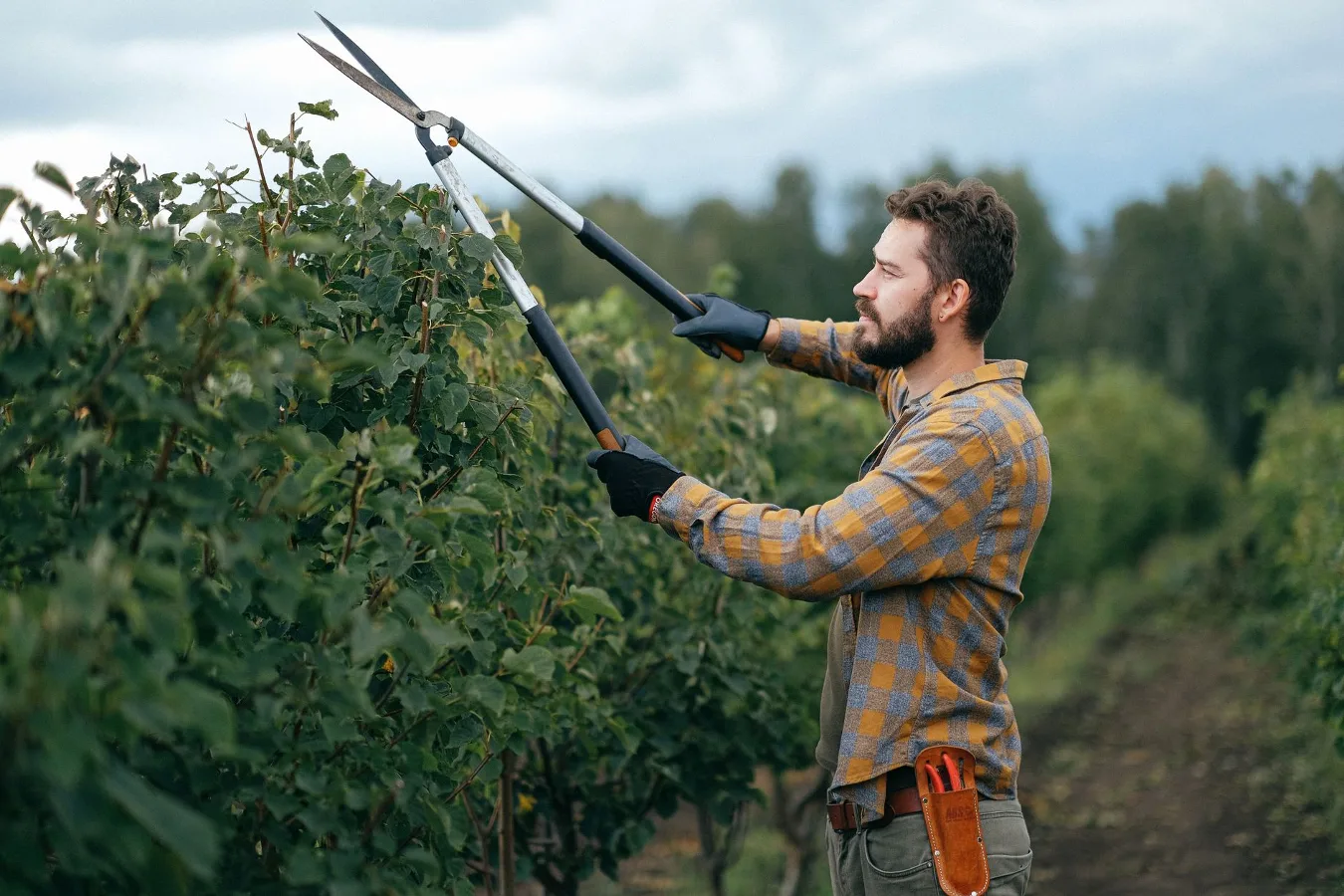
Felco garden tools: what they are best for
If you are searching for Felco garden tools, you are most likely looking for reliable cutting tools for pruning, shaping, and general garden maintenance. Felco is especially associated with hand pruners, loppers, and related cutting tools built for clean, controlled cuts. For most gardeners, the main appeal is not flashiness; it is precision, replaceable parts, and a design philosophy centered on long-term use. sharpener for garden tools offers more detail on this point.
That makes Felco a strong fit for gardeners who prune regularly and want a tool that feels stable in the hand. It is less about buying a single tool for occasional trim jobs and more about choosing a cutting tool you can keep maintaining over time. If you garden in a climate with active seasonal pruning, or if you work with roses, shrubs, vines, or fruiting plants, Felco often belongs on the shortlist. learn more about ariens lawn mower offers more detail on this point.
The right purchase still depends on the job. A Felco hand pruner is not the same decision as a Felco lopper, and a premium tool is not automatically the best choice for every gardener. The key is matching the tool to branch size, hand comfort, and how often you expect to use it.
Buyer scenario: who should consider Felco
Felco garden tools make the most sense for gardeners who value clean cuts and dependable mechanics. That includes homeowners who prune ornamentals, rose gardeners who need control around thorny stems, and anyone maintaining trees, shrubs, or espaliered plants where precision matters. They also appeal to gardeners who dislike replacing cheap tools every season.
If you prune lightly a few times a year, a less expensive tool may be enough. But if your garden routine involves recurring trimming, deadheading, and branch cleanup, the cost of a better tool can be easier to justify over time. The strongest case for Felco is usually a combination of frequent use, comfort concerns, and the desire for a tool that can be serviced instead of discarded.
There is also a practical angle many buyers overlook: tool consistency. Once you get used to a pruner that opens smoothly, locks securely, and cuts cleanly, that feel becomes part of your workflow. Gardeners who are particular about control often find that more valuable than simple price comparisons.
Which Felco tools to look at first
For most shoppers, the best starting point is a bypass pruner. That is the everyday tool for green stems, live wood, flowers, and general maintenance cuts. Bypass pruners work like scissors, which helps reduce crushing on living material and usually gives a cleaner finish on the plant.
From there, consider whether you need a lopper for thicker branches. Loppers provide more leverage and reach, which matters when pruning shrubs or small branches that are too large for hand pruners. They are not a substitute for a saw on large limbs, but they fill an important middle ground.
Some gardeners also look for hedge shears, depending on the shape of their landscape. Those are better suited to formal hedges and repetitive shaping work than to selective pruning. The important thing is not to buy by brand alone. Buy by task.
- Bypass pruners for live stems, flowers, and routine pruning
- Loppers for thicker branches and extra leverage
- Hedge shears for shaping hedges and topiary-style work
- Replacement blades and springs for long-term maintenance
Trade-offs to weigh before you buy
Felco’s reputation comes with trade-offs. The biggest one is usually price relative to basic garden tools. If your pruning needs are occasional, you may not fully benefit from the durability and serviceability that help justify the premium. For some buyers, a modest pruner that gets used lightly is the more sensible purchase. Stainless Steel Garden Tools: Buyer Guide offers more detail on this point.
Another trade-off is that premium cutting tools tend to reward proper use. They work best when matched to the right material and kept clean. A high-quality bypass pruner still has limits, and using it on oversized, dry, or overly hard material can dull the blade or create unnecessary strain. In other words, the tool is excellent, but it does not replace judgment.
Handle fit can also matter more than buyers expect. A tool that feels excellent in one hand may feel too large, too small, or too firm in another. If you have smaller hands, arthritis concerns, or a preference for lighter tools, it is worth paying attention to grip shape, spring feel, and locking action rather than assuming all premium pruners feel the same.
Material and build factors that matter most
When comparing Felco garden tools, focus on the parts that affect real use: blade quality, handle design, locking mechanism, and serviceability. Gardeners often get distracted by brand reputation, but these practical details determine whether the tool is comfortable in daily use.
Blade design
For pruning living plants, a sharp bypass blade matters because it reduces tearing and helps make precise cuts. The goal is not only a neater look; it is also better plant handling. Clean pruning cuts are easier to place accurately near buds, stems, or branch junctions.
Handle comfort
Handle shape influences fatigue. Metal handles are common in premium tools because they can feel sturdy, but comfort depends on how the grip is shaped and whether it suits your hand size. If you prune for long stretches, hand fatigue becomes a real decision factor, not an afterthought.
Locking and opening action
A pruner should lock securely for storage and open smoothly when you need it. That sounds basic, but it becomes important when you are moving between plants or working with gloves on. A awkward lock can slow you down or make the tool feel clumsy in the field.
Replaceable parts
One of the most practical reasons people choose Felco is the ability to maintain the tool rather than replace it entirely. Replaceable blades, springs, and wear parts can extend the life of the pruner if you are willing to do basic upkeep. That is a real long-term value advantage, especially for gardeners who prefer repair over disposal.
How to match the tool to your garden tasks
The best Felco choice depends on the plants you prune most often. If your garden is full of roses, perennials, and soft woody growth, a bypass pruner with a comfortable grip will likely do most of the work. If you are managing shrubs, fruit trees, or denser woody stems, a lopper becomes more relevant.
For gardeners with mixed landscapes, the smart approach is to think in layers. Use hand pruners for small, controlled cuts. Move up to loppers when leverage is needed. Save larger cutting tasks for a pruning saw or another tool designed for that purpose. That layered approach helps preserve tool life and keeps the work safer and more efficient.
There is a common misconception that one premium pruner can replace the rest of the cutting toolkit. In practice, that is rarely true. A well-chosen Felco tool is excellent within its range, but the range still matters.
Maintenance and care considerations
Maintenance is part of the value proposition. If you buy a tool you intend to keep, you should expect to clean sap and debris, dry the tool after use, and check moving parts periodically. These habits are not complicated, but they matter for cutting performance and longevity.
Garden tools that are left dirty or damp can become harder to use and less precise over time. Even a good pruner can feel sticky or sluggish if it is not maintained. For buyers comparing premium tools with cheaper options, this is one of the real distinctions: better tools often reward upkeep with better long-term performance.
If you dislike maintenance entirely, that is worth considering honestly. A premium tool with replaceable parts still needs attention. If you prefer a buy-and-forget approach, the value equation changes.
Alternatives worth considering
Felco is not the only good choice for garden cutting tools, and a smart buyer should understand the alternatives. Some gardeners prefer other premium pruner brands for different handle shapes, weight, or locking systems. Others choose midrange tools that cost less upfront and work well for lighter use.
There are also situations where another tool type is simply better than a Felco pruner. If your main job is cutting larger branches, a lopper or pruning saw may be the right first purchase. If you garden only occasionally, a more basic pruner may be enough and easier to justify financially.
That does not diminish Felco’s appeal. It just means the best purchase depends on how you garden, not on brand reputation alone.
Common mistakes buyers make
- Buying the wrong tool type for branch size or plant material
- Choosing by brand only without checking hand fit
- Ignoring maintenance and expecting premium tools to stay sharp forever
- Overestimating cutting capacity and using pruners on material that needs loppers or a saw
- Skipping replacement-part availability when long-term ownership matters
- Assuming one pruner works equally well for every gardener, glove type, and hand size
Practical next steps before you buy
Start with the plant work you do most often. Write down whether you need precision cuts, more leverage, or both. Then think about your hand size, grip preference, and how often you will use the tool in a season. That simple filter is usually more helpful than chasing the most popular model.
If you want a single everyday tool, a bypass pruner is the most logical starting point. If you regularly face thicker stems, add a lopper to the plan. If your garden is mostly light maintenance, a smaller, simpler setup may be enough. The right choice is the one that fits your actual workload.
For buyers interested in long-term ownership, check whether the tool supports replacement parts and easy servicing. That feature can matter more than small differences in finish or branding. For buyers focused on comfort, prioritize the shape and feel of the handles over assumptions about what a premium tool should be.
Felco garden tools are strongest when you need accuracy, durability, and a tool you can keep in service. If that describes your gardening style, they are worth serious consideration. If your needs are lighter or more occasional, the better buy may be a simpler tool that matches the task without overspending.
Best fit in one sentence: choose Felco when you want a pruning tool built for regular use, clean cuts, and long-term maintenance, and choose something simpler when your garden work is light or infrequent.