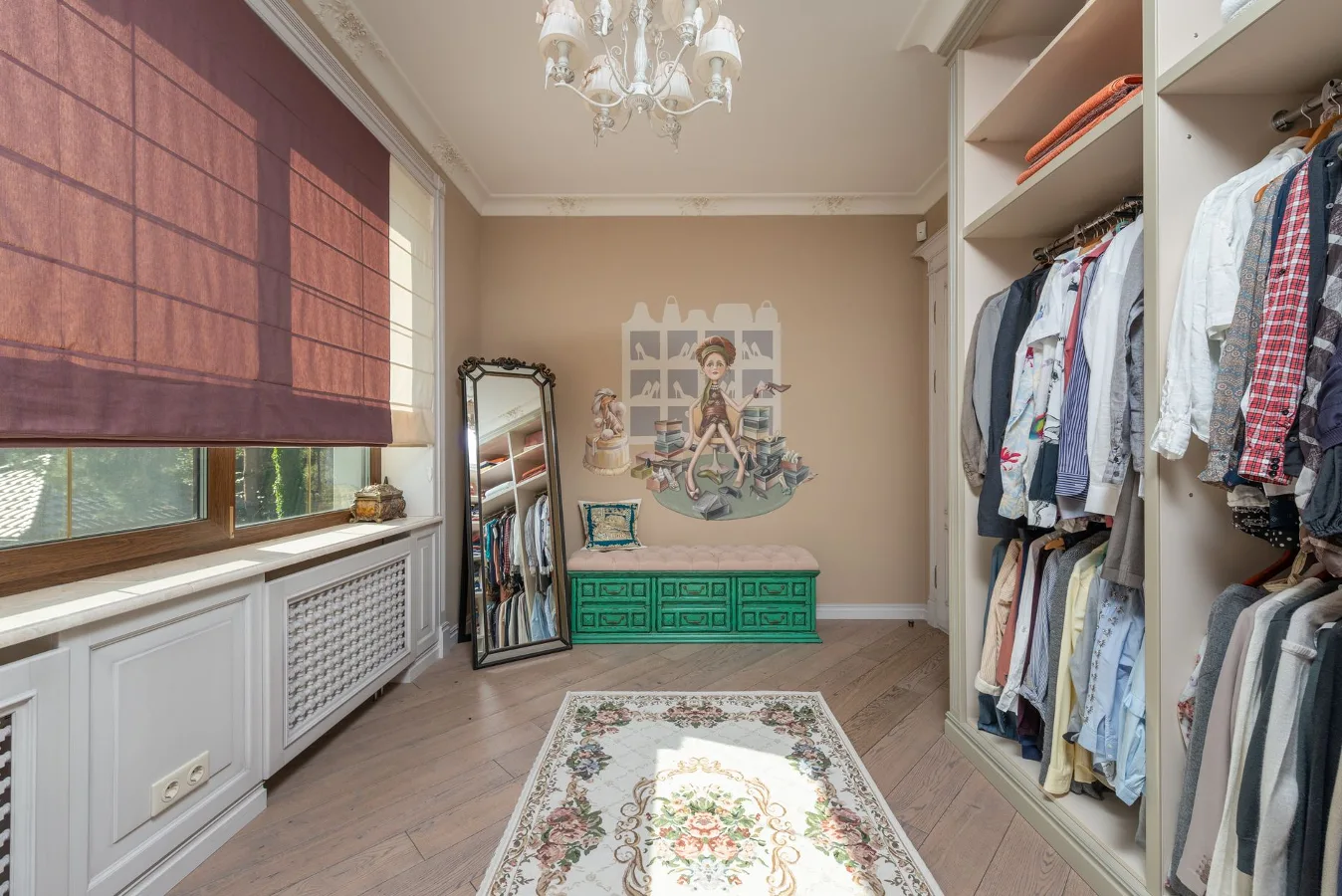
Quick answer: what cloth decoration for home really means
Cloth decoration for home is any use of fabric to improve the look, texture, or function of a room. That can include curtains, table runners, throw pillows, blankets, slipcovers, fabric wall hangings, bed accents, chair covers, and seasonal textile pieces. fabric decor ideas for every room offers more detail on this point.
If you want the most useful approach, choose cloth decor for the job it needs to do first, then style it for color and texture. A beautiful fabric that is hard to clean, too delicate for daily use, or mismatched to the room’s lighting will usually feel less successful over time than a simpler option that fits the space well.
For most homes, the best cloth decoration is the kind that does at least two things: it adds visual softness and it serves a practical purpose. Curtains filter light, throws add warmth, and table linens protect surfaces while making a dining area feel more finished. That balance is what makes fabric decor so flexible. African Decoration for Home: A Practical Buyer Guide offers more detail on this point.
How to choose cloth decoration by room
The right fabric accents depend on where they will live. The same textile that works well in a bedroom may feel out of place in a busy kitchen or family room.
Living room
The living room usually benefits from layered softness. Throw pillows, blankets, upholstered accents, and window treatments help break up hard edges from wood, metal, glass, and electronics. If the room already has a lot of visual activity, use cloth decoration to calm it down with solid colors or subtle texture. If the room feels plain, add contrast with woven, nubby, or patterned fabrics.
Common choices include:
- curtains or drapes for height and softness
- throw pillows for color and pattern
- blankets for comfort and seasonal change
- fabric baskets or slipcovers for a softer look
Bedroom
Bedrooms tend to work best with fabrics that feel restful and easy to coordinate. Bedding layers, bed skirts, curtains, and upholstered headboards or panels can make the room feel cohesive. A practical mistake here is over-layering with too many competing prints. Bedrooms usually look better when the color story is simple and the textures do the heavy lifting.
Dining room and kitchen
In dining spaces, cloth decoration often shows up in table runners, placemats, napkins, chair ties, and simple seasonal center accents. In kitchens, fabric should be selected with cleaning in mind. Smaller textile pieces are often more practical than large decorative drapes if the room sees steam, splashes, or frequent movement.
For dining areas, a useful guideline is to think in terms of surface protection and mood. A cloth table cover can soften a formal room, while a runner adds a decorative layer without hiding the table completely.
Entryway and hallway
These areas can benefit from cloth in restrained ways. A small wall textile, a bench cushion, or a narrow runner can make a transitional area feel intentional. Because these spaces are high-traffic, choose fabrics that are durable and easy to maintain.
Comparison: the most common cloth decor options
Different fabric pieces solve different design problems. Choosing the right one is less about trend and more about the effect you want.
| Cloth decor type | Best use | Main advantage | Watch out for |
|---|---|---|---|
| Curtains and drapes | Windows, privacy, light control | Strong visual impact and room softening | Wrong length, poor fullness, difficult maintenance |
| Throw pillows | Living rooms, bedrooms, reading areas | Easy color and pattern updates | Too many pillows can create clutter |
| Blankets and throws | Sofas, chairs, beds | Comfort and seasonal flexibility | Looks messy if not placed intentionally |
| Table runners and linens | Dining tables, consoles, sideboards | Simple way to add polish | Stains and frequent washing |
| Slipcovers | Chairs, sofas, accent seating | Helps refresh worn furniture | Fit and maintenance can be tricky |
| Wall textiles | Feature walls, bedrooms, boho spaces | Adds softness where art feels too rigid | Can collect dust and need secure hanging |
One overlooked consideration is scale. A small fabric accent can disappear in a large room, while a bold textile may overwhelm a compact space. The size of the room, ceiling height, and the amount of natural light all affect how cloth decor reads from across the room.
What to compare before you buy or choose fabric decor
Commercial search intent usually means the reader wants help making a decision. For cloth decoration, the most useful comparison points are not just style-related. They also include use, upkeep, and durability. related advice on gold floor lamp offers more detail on this point.
Material and feel
Different fabrics create different visual effects. Cotton often feels casual and approachable. Linen can look relaxed and textured. Velvet brings depth and a more formal mood. Synthetics may be easier to care for, depending on the item and finish. There is no single best fabric; the right choice depends on how the room is used and how polished you want it to feel.
Maintenance and cleaning
This is where many people underestimate the trade-off. A decorative textile that needs special cleaning may be fine for a guest room or low-touch space, but frustrating in a family room or dining area. Before choosing a fabric piece, think about whether it will need machine washing, spot cleaning, steaming, or periodic professional care.
Color and pattern
Fabric decor can either blend in or become the focal point. Solid colors are easier to integrate and usually age better visually. Patterns work well when a room needs personality, but they can create clutter if the space already has patterned rugs, artwork, or upholstery. A practical rule is to let one or two elements lead, then keep the rest quieter.
Texture
Texture matters as much as color. Smooth fabrics can make a room feel clean and tailored, while woven or brushed textiles add warmth and comfort. In neutral rooms, texture often does more work than color. This is especially helpful if you want interest without committing to a strong palette.
Placement and function
Ask what the cloth item is supposed to do. Is it for privacy, warmth, sound softening, decoration, or surface protection? A fabric that looks beautiful but does not support the room’s actual use will usually become a temporary accessory rather than a lasting part of the design.
Practical ways to style cloth decoration without overdoing it
One common misconception is that cloth decor only works when everything matches. In reality, the most appealing rooms usually mix related tones, varied textures, and a few intentional contrasts. Matching sets can feel flat if every fabric looks identical.
- Use one main fabric color and repeat it in smaller accents.
- Mix one smooth fabric with one textured fabric for depth.
- Keep large pieces simple if the room already has strong patterns.
- Use cloth to echo the color of rugs, artwork, or wood tones.
- Limit decorative layers in small rooms so the space still feels open.
If you are decorating on a budget, start with the pieces that change the room most: curtains, a throw, or pillow covers. Those items often make a bigger visual difference than many smaller accessories. If your goal is a seasonal refresh, swap one or two fabric elements rather than replacing everything.
Good combinations to consider
A linen curtain with cotton cushions feels relaxed and light. A velvet pillow against a neutral sofa adds richness without a full-room commitment. A simple runner on a wood table brings texture without hiding the material underneath. These combinations work because they create contrast without competing for attention.
Mistakes to avoid with cloth decoration for home
Fabric decor is flexible, but a few mistakes can make it feel unfinished or inconvenient.
- Choosing style before function. A beautiful cloth piece that is hard to clean or awkward to use often becomes a regret.
- Ignoring scale. Oversized pillows, undersized runners, or curtains that are too short can throw off the whole room.
- Using too many patterns at once. Pattern layering works best when at least one element stays calm.
- Forgetting maintenance. Decorative fabrics gather dust, wrinkle, and fade differently depending on placement and exposure.
- Matching everything too closely. Exact matches can make a room feel flat instead of coordinated.
- Picking delicate materials for high-traffic spaces. A formal fabric may belong in a guest room more than a busy living area.
A practical nuance that gets overlooked is how natural light changes textile color. A fabric that looks warm in a store can appear cooler at home, especially near north-facing windows or under artificial lighting. If possible, compare fabric swatches or samples in the actual room before committing.
When cloth decoration is the better choice than hard decor
Cloth decoration is especially useful when a room feels too echoey, too stark, or too rigid. Soft textiles absorb some visual hardness and help a home feel more livable. They are also easier to update than built-ins, painted finishes, or major furniture pieces.
Fabric decor is often the better choice if you want:
- a lower-commitment style update
- more comfort and softness in a room
- seasonal flexibility
- a way to coordinate old and new furniture
- some visual warmth without a full redesign
That said, cloth decoration is not always the answer. In spaces with heavy moisture, grease, or constant wear, hard surfaces and easy-clean finishes may be more practical. The smartest interiors usually combine both: durable foundations with carefully chosen textiles layered on top.
FAQ
What are the most popular types of cloth decoration for home?
Common choices include curtains, throw pillows, blankets, table runners, bedding layers, slipcovers, and wall textiles. The best option depends on whether you want comfort, color, privacy, or surface protection.
How do I choose fabric decor that matches my room?
Start with the room’s existing colors, lighting, and furniture finish. Then decide whether the cloth item should blend in or stand out. Texture is often the easiest way to add interest without creating visual clutter.
Is cloth decoration hard to maintain?
It depends on the item and fabric. Smaller pieces like pillow covers or table linens are usually easier to manage than large drapes or slipcovers. Always consider cleaning requirements before buying.
Can cloth decoration make a room look more expensive?
It can make a room look more finished and intentional when the fabrics are coordinated and well placed. Good results usually come from fit, proportion, and texture rather than from ornate details.
What is the easiest cloth decor to change seasonally?
Throw pillows, blankets, table runners, and lightweight curtain panels are usually the easiest to swap. These pieces let you update color and mood without changing the whole room.