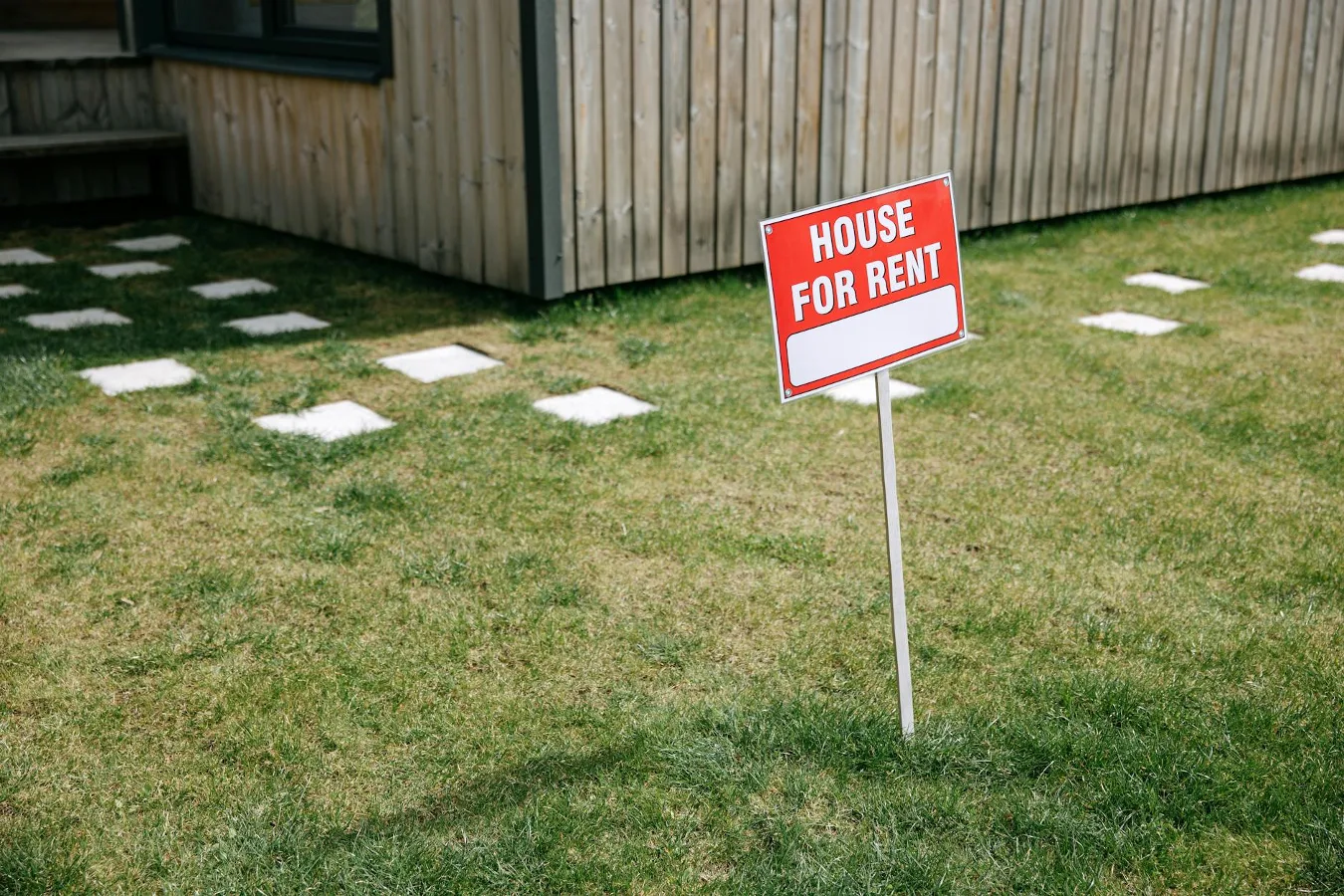
Lawn and garden tool rental is usually the best fit when you need a specialized machine for a short project, a seasonal task, or a job that would be expensive to buy for occasional use. The key is not just finding a rentable tool, but choosing the right category, size, and power source for the work you actually need to do. choosing the right lawn tools for seasonal jobs offers more detail on this point. Choosing a Lawn Mower Mulching Blade offers more detail on this point.
For homeowners, rental often makes the most sense for equipment used once or a few times a year, such as aerators, dethatchers, tillers, sod cutters, stump grinders, and pressure washers. For larger properties or recurring maintenance, buying may be the better long-term move. The right answer depends on project scope, frequency of use, storage space, and your comfort level with heavier equipment.
When renting is the smarter move
Rental is a practical choice for projects that are too big for hand tools but not frequent enough to justify ownership. A homeowner renovating a patchy lawn, clearing compacted soil, or cutting new bed lines may only need one machine for a day or weekend. Renting avoids the upfront cost of buying, plus the ongoing burden of storage, maintenance, fuel, blade replacement, and seasonal upkeep.
It can also be helpful when you are not sure which machine is the right fit. A short rental lets you match the tool to the task without committing to a purchase. That flexibility matters in gardening and lawn care, where the wrong tool can waste time or create more cleanup later.
Where rental makes less sense
Rental is not always the cheapest option. If you use the same tool several times a season, or if the task is part of regular property maintenance, ownership may cost less over time. A homeowner who aerates a large lawn every year, for example, may eventually find that repeated rental fees and trip time add up.
There is also the practical inconvenience of pickup, transport, and return windows. Larger equipment may require a truck, trailer, or a vehicle with enough capacity to move it safely. If you cannot easily haul the machine or do not have time to return it during business hours, the convenience advantage starts to shrink.
What to compare before you rent
The best rental decision usually comes down to a few core factors rather than brand names alone. Focus on the machine’s size, the type of task, and the condition requirements for the area you are working on.
Project type and ground conditions
Different tasks require different equipment. Aerators help relieve compacted soil. Dethatchers remove dead grass buildup. Tillers break up soil for planting or bed prep. Sod cutters remove sections of turf cleanly. Stump grinders handle leftover stump material after tree removal. Each machine solves a different problem, and choosing the wrong one can leave you with extra labor and a poor result.
Ground conditions matter just as much. Wet soil, sloped yards, rocky ground, and tight garden spaces can affect how well a machine performs. Some tools are better suited to open, level areas, while others are easier to control in confined spaces. The terrain should influence your choice as much as the task itself.
Power source and handling
Most lawn and garden rentals are either gas-powered or electric. Gas equipment is often better for larger, less accessible jobs because it does not depend on a cord and can handle long sessions more easily. Electric tools, including battery-powered models, may be lighter, quieter, and easier to start, but they can be less suitable for extended work or remote parts of a property. Long Handled Garden Tools: A Practical Guide offers more detail on this point.
Handling is another overlooked factor. A machine that is manageable in a parking lot can feel very different on uneven ground or around landscaping edges. If you are new to the equipment, choose something with a learning curve you are comfortable managing. A simpler machine can be a better rental than a more powerful one you are unsure how to control.
Working width and project size
Tool size should match the area you need to cover. A narrow machine may be easier to maneuver around beds, trees, and fences, but it can take longer on larger lawns. A wider machine can save time on open areas, yet it may be harder to turn and transport. For residential projects, the right balance between coverage and control usually matters more than maximum output.
Think about access too. Gates, side yards, and steps can limit the type of equipment you can reasonably rent. A machine that cannot fit through your access points may create more hassle than it solves.
Rental period and project timing
Rental timing affects both cost and stress. If your project needs more than a few hours, consider whether a half-day, full-day, or multi-day rental is the most practical choice. Rushing through yard work to beat the clock often leads to uneven results, skipped cleanup, or missed steps.
Weather is another real-world constraint. Lawn work often depends on dry conditions, soil moisture, and temperature. If there is a chance of rain or muddy ground, build some flexibility into your plan so you are not forced to return equipment unused or work in poor conditions.
Trade-offs you should expect
Rental comes with advantages, but it also brings trade-offs that are easy to overlook.
- Lower upfront cost, but no ownership value. You avoid buying expensive equipment, yet you do not keep the tool for future use.
- Convenience, but limited availability. Popular equipment can be booked when demand is high, especially during peak spring and fall seasons.
- Access to specialized tools, but limited familiarity. You may get a better machine than you would buy, but you may also need time to learn how to use it correctly.
- Flexibility, but transport responsibility. Pickup and return are usually on you, and larger tools may require more planning than expected.
A common misconception is that rental is always cheaper than buying. That is only true when the tool is used infrequently or when storage and maintenance would otherwise be a burden. Another misconception is that a more powerful machine is automatically better. For many garden tasks, the best choice is the tool that is easy to control and sized appropriately for the area.
Material and specification factors that matter
Because lawn and garden tools are often exposed to moisture, dirt, vibration, and repeated transport, build quality and practical design matter more than glossy features. You usually cannot inspect every detail before rental, but you can still evaluate the most important specs.
Weight and maneuverability
Heavier machines may offer more stability or power, but they are harder to load, turn, and steer. If you are working alone, lighter handling can reduce fatigue and improve control. For sloped or uneven yards, a machine that is too heavy can become difficult to manage safely.
Cutting, digging, or agitation components
For equipment such as tillers, dethatchers, and stump grinders, the working part of the machine matters as much as the frame. Tines, blades, teeth, and wheels should be appropriate for the job. If the component is worn or poorly matched to your soil or turf condition, the machine may struggle even if the engine or motor is strong.
Adjustability
Adjustable depth, height, handle position, or speed can make the machine easier to adapt to your yard. This matters especially when moving between open areas and tight corners. A rental with simple adjustment options can save time and reduce the chance of damaging turf or digging too aggressively.
Maintenance condition
Even for short-term use, a well-maintained rental is easier and safer to handle. Before leaving the rental counter, check basic condition points such as fluid levels where applicable, visible wear, sharpness of cutting parts, tire condition, and whether controls move smoothly. If anything looks off, ask for clarification or a different unit before you leave.
What to ask the rental counter
A few practical questions can prevent frustration later. Ask what the tool is best suited for, what type of fuel or power source it uses, whether accessories are included, and what you need for transport. If the machine has a learning curve, ask for a quick operating overview before you leave.
It also helps to ask about the return condition policy. Some rental locations expect the machine to be cleaned before return, while others may charge separate cleaning or damage fees if it comes back overly muddy or clogged. Understanding those expectations ahead of time reduces surprises.
When buying may be the better option
If a machine is part of your regular yard routine, ownership may offer better value and convenience. Buying can make sense for tools you use repeatedly, especially if the machine is easy to store, easy to maintain, and simple enough that you would rather keep it on hand than schedule rentals each time.
Buying also makes sense when you need a tool immediately and cannot wait for availability, or when the project will be spread out over several weekends. If you have to stop mid-project and return to the rental shop for more time, rental can become more cumbersome than it first appeared.
A simple way to decide
If you are undecided, use this approach: identify the exact task, estimate how often you will repeat it, check whether you can transport the equipment, and compare the effort of rental against the long-term responsibility of ownership. If the job is specialized, occasional, and time-limited, rental is usually the practical choice. If the tool will become part of recurring maintenance, buying may be the better investment.
That decision is less about finding the “best” machine in a general sense and more about matching the tool to the real conditions of your yard, your schedule, and your storage space.
Common mistakes to avoid
- Renting before measuring gates, paths, or vehicle space for transport
- Choosing a machine that is too large for the yard layout
- Ignoring soil moisture or weather conditions
- Assuming all rentals include the same accessories or attachments
- Not allowing enough time for setup, operation, and cleanup
- Skipping the operating instructions because the machine looks familiar
Next steps before you reserve a tool
Start with the task, not the equipment listing. Write down what you are trying to fix or build, the size of the area, and any access limits around the property. Then compare rental options based on fit, handling, power source, and rental duration. If the project is seasonal, reserve early enough to avoid peak-demand shortages.
For homeowners building out a broader yard care plan, lawn and garden tool rental can also work alongside other cluster topics such as seasonal lawn maintenance, soil preparation, outdoor cleanup, and equipment selection. The most useful approach is to treat rental as one part of a larger garden strategy rather than a one-off transaction.
FAQ
What lawn and garden tools are most commonly rented?
Common rentals include aerators, dethatchers, tillers, sod cutters, stump grinders, pressure washers, and sometimes hedge or landscaping equipment for larger projects.
Is it better to rent or buy lawn equipment?
Rent if the tool is needed occasionally, for a specialized job, or for a one-time project. Buy if you will use it regularly and can store and maintain it easily.
Do I need a truck to rent yard equipment?
Often, yes for larger machines. Some smaller tools may fit in an SUV or trailer, but you should check size, weight, and transport requirements before reserving.
How do I know which rental tool is right for my yard?
Match the tool to the task, then factor in yard size, terrain, access points, and your comfort level with operating the machine.
What should I inspect before leaving the rental shop?
Look at visible wear, controls, fuel or power setup, attachments, and overall condition. If anything seems unclear, ask for a demonstration or clarification before you load it up.