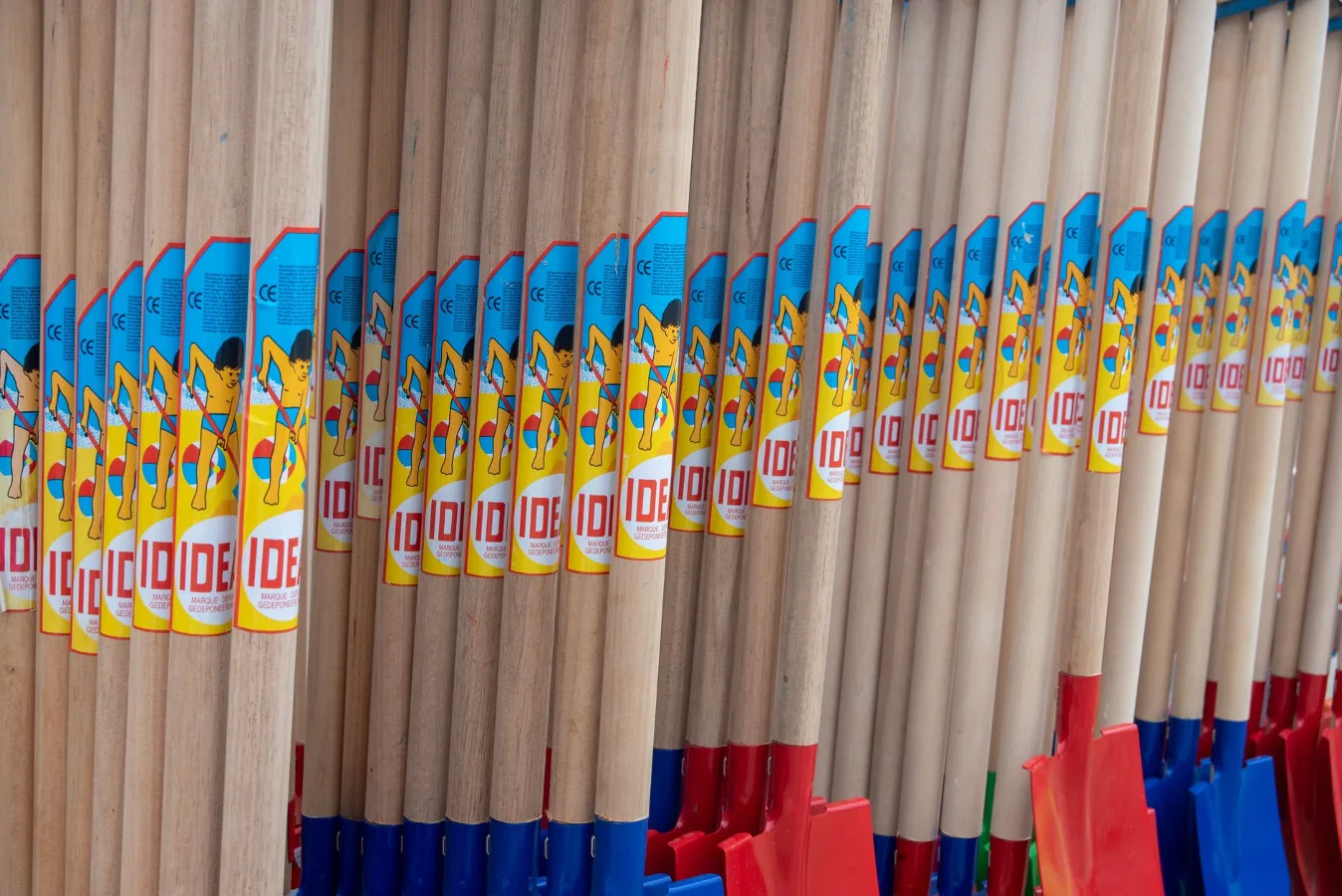
Long handled garden tools are designed to give you more reach, reduce how often you bend, and make common yard jobs feel less punishing on the back, knees, and shoulders. They are especially useful for weeding, cultivating, raking, edging, and light digging in spaces where kneeling or crouching is inconvenient. common mistakes when buying garden tools offers more detail on this point. ergonomic garden tools offers more detail on this point. ergonomic gardening tools offers more detail on this point.
The right tool depends less on the label and more on how you garden. Handle length, weight, grip shape, shaft material, and the head design all affect comfort and control. A tool that feels perfect for a wide border may be awkward in a raised bed or tight vegetable row.
Which long handled garden tools make sense for your yard?
The best place to start is the job itself. Long handled garden tools are not a single category so much as a family of tools built around standing use and extended reach. Some are meant to cut down on bending, while others are designed to let you work from the edge of a bed instead of stepping into it.
If your main challenge is recurring weeding, a long handled hoe or stand-up weeder may be the most practical choice. If you need to loosen soil or break crusted ground, a long handled cultivator or garden fork may fit better. For general cleanup, a long handled rake is often more useful than a smaller hand tool because it covers more ground with less effort.
There is a useful misconception to avoid: longer is not automatically better. A very long tool can help with reach, but it can also feel harder to steer, especially in dense plantings or narrow paths. The best option is usually the one that matches your height, the depth of the bed, and the kind of motion required.
Buyer scenario: choose by task, not by category name
Different gardeners need different levels of support. A homeowner maintaining a small front bed has different needs from someone managing a large vegetable patch or a sloped yard. Thinking through the task first makes the choice much easier.
For frequent weeding
Weeding tools with long handles work best when the cutting edge or claw can get under the root without excessive twisting. Look for a design that lets you apply pressure comfortably from a standing position. If your weeds are shallow-rooted and scattered, a hoe may be enough. If you deal with more stubborn growth, a stand-up weeder or long handled hoe with a sharper working edge may be more efficient.
For raised beds and border maintenance
Raised beds can be surprisingly awkward with oversized tools. A long handle still helps, but the head should be compact enough to work without striking plants or bed edges. In this setting, a balanced cultivator, small rake, or narrow hoe is often more practical than a broad one.
For leaves, mulch, and debris
Long handled rakes and lightweight brooms are useful for moving loose material without repeated crouching. Here, the main decision is usually between coverage and control. Wider heads clear more area, but narrower heads are easier around shrubs, paths, and tight corners.
For light digging and soil preparation
Long handled digging tools can help with shallow trenching, edging, and loosening compacted spots. But for heavy clay or deep excavation, a long handle alone will not make the work easy. In those cases, blade shape, head strength, and leverage matter more than reach.
Material and spec factors that change the feel of the tool
With long handled garden tools, the material choices often matter as much as the design. A tool that looks sturdy on paper may be tiring in use if the balance is off or the shaft transfers too much vibration into your hands.
Handle material
- Wood can feel comfortable and warm to the touch, with a traditional grip that many gardeners prefer. It may need more care over time, especially if exposed to moisture.
- Steel often adds strength and durability, but it can increase weight. That extra weight may help with leverage in some tasks and become tiring in others.
- Aluminum is commonly chosen for lighter handling. That can make a noticeable difference during longer sessions, though a lighter tool may not feel as planted in the soil.
- Fiberglass is often selected for a balance of lightness and durability. It can be a practical choice if you want something less maintenance-heavy than wood.
Grip and shaft design
A comfortable grip matters more than many buyers expect. If the handle diameter is too large or too slim, your hands may fatigue quickly. Textured grips can improve control, especially if you garden with gloves or in humid conditions. Some tools also have a slight curve or angled shaft, which can improve leverage and reduce wrist strain.
One overlooked detail is how the tool feels during repeated motion, not just during a brief lift. A slightly heavier tool may feel stable for the first few minutes and tiring later in the session. If you garden for long stretches, balance often matters more than raw sturdiness.
Head shape and width
The working end should fit the task. A wide head clears more area, but it is not ideal near roots, edging stones, or delicate plantings. A narrower head gives better precision but may take longer to cover a large space. For many gardeners, owning two long handled tools with different head styles is more useful than trying to force one tool to do everything.
Comfort and ease of use: where long handles help, and where they do not
Long handled garden tools are often described as back-friendly, but that does not mean they remove strain entirely. They mainly shift the workload. Instead of constant bending, you may feel more shoulder, arm, and core engagement. That can be a good trade if your lower back or knees are the main issue.
These tools are especially helpful for gardeners who want to stay standing longer, have limited mobility, or prefer not to kneel on hard ground. They can also make routine maintenance more approachable, which sometimes matters more than speed. A tool that makes it easier to start the task is often the one that gets used consistently.
That said, a long handle can make precise work harder. Pulling a weed from between closely spaced plants, for example, may be easier with a compact hand weeder than with a standing tool. This is a practical limitation, not a flaw. The right setup usually combines long handled tools for broad tasks and smaller hand tools for detail work.
Durability and maintenance considerations
Durability depends on both the shaft and the joint where the head meets the handle. That connection takes a lot of stress, especially when tools are used for prying, scraping, or cutting roots. A solid connection and well-made fastening points generally matter more than decorative finishes.
Maintenance is usually simple, but it should not be ignored. Clean off soil after use, dry the tool before storage, and check for loose heads or worn grips. Wooden handles may benefit from occasional care to reduce drying or splintering. Metal parts should be inspected for rust or wear, especially if the tool is stored in a damp shed or garage.
If you are choosing between two similar tools, the one that is easier to clean and store is often the better long-term value. Garden tools tend to last longer when they are used and maintained regularly rather than stored with caked-on soil.
Trade-offs to weigh before you buy
| Factor | What you gain | What you give up |
|---|---|---|
| Longer handle | More reach, less bending, easier standing use | Less precision in tight spaces |
| Lighter material | Less fatigue during longer sessions | May feel less forceful in compact soil |
| Heavier material | More planted feel and leverage | Can tire arms and shoulders faster |
| Wide tool head | Faster coverage | Harder to use near plants or borders |
| Narrow tool head | Better control and detail work | Slower on large areas |
These trade-offs explain why the best tool is rarely the most feature-rich one. A gardener focused on weed control in open beds may want reach and coverage. Someone tending dense plantings may need more control and a shorter working head, even if the handle is still long.
Common mistakes when shopping for long handled garden tools
- Buying by height alone. Handle length should suit your body and the job, but the head design and overall balance matter just as much.
- Choosing the lightest option automatically. Very light tools can be easy to swing, but they may not perform well in firmer soil or heavy debris.
- Ignoring grip comfort. A handle that looks fine in the product photo can feel awkward after a few minutes of work.
- Using one tool for every task. A long handled hoe, rake, and cultivator each solve different problems. One tool is rarely enough.
- Overlooking storage needs. Long tools need more vertical or wall space than compact hand tools, which can matter in small sheds or garages.
Another easy mistake is assuming long handled tools are only for people with mobility concerns. They can be useful for anyone who wants to reduce repetitive bending during routine maintenance. The point is not just comfort; it is also efficiency and consistency.
Good alternatives when a long handle is not the best fit
Some jobs are better handled differently. If you need precision around seedlings, a compact hand fork or trowel may be the better tool. If your garden is mostly container-based, long handled equipment may not offer much advantage because the work area is already elevated.
For gardeners dealing with very limited mobility, a mix of long handled tools and raised beds may be more effective than relying on tools alone. Raised planting areas reduce the need to reach down, while standing tools can handle surface tasks like weeding and raking.
There are also situations where powered equipment or specialty tools make more sense. Thick root mats, large debris, or seriously compacted soil may call for tools designed specifically for those conditions rather than a general-purpose long handled option.
How to narrow down the right choice
If you are shopping for long handled garden tools, start with three questions: what task do you do most often, how much reach do you actually need, and how much weight can you comfortably control for an entire session?
From there, compare the tool head, handle material, grip shape, and overall balance. If possible, look for a tool that feels stable in motion rather than simply strong on paper. The goal is not just buying something that works once. It is choosing a tool you will want to keep using.
For many gardeners, the smartest approach is to buy the long handled tool that solves the most repetitive, physically awkward job first, then build out the rest of the toolkit as needed. That usually leads to better value than trying to find one universal option.
Next steps for choosing with confidence
Before buying, make a short list of the tasks you want to make easier: weeding, raking, cultivating, edging, or light digging. Then compare long handled garden tools based on reach, comfort, head shape, and maintenance needs rather than brand language alone.
If your garden changes through the season, think in terms of a tool set instead of a single purchase. A long handled hoe may be ideal for one phase of the year, while a rake or cultivator becomes more useful later. Matching tools to the job is the most reliable way to get comfort and performance at the same time.
That approach also helps avoid the most common disappointment with long handled garden tools: expecting one design to do everything well. A better fit for the task almost always leads to better results in the yard.