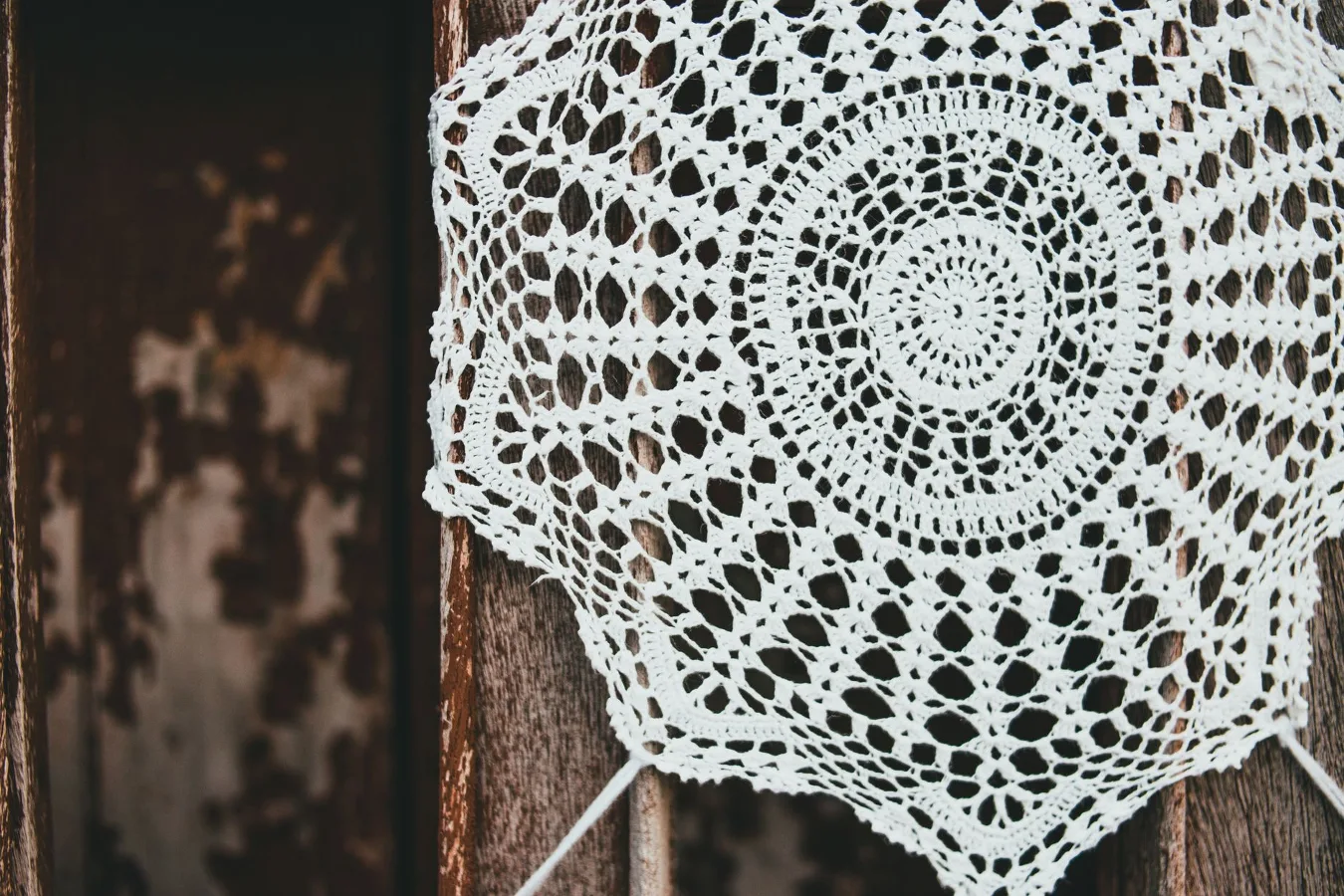
Crochet home decor is best understood as soft, handmade textile decor that adds texture, warmth, and personality to a room. If you are shopping for it, the main question is not just what looks nice, but what will hold up, fit your style, and stay practical in everyday use. choosing washable home textiles offers more detail on this point. western decor for home offers more detail on this point.
The strongest crochet decor pieces usually serve one of three purposes: they soften a space, add visual texture, or solve a small storage or styling problem. That could mean a throw blanket over a sofa, a pillow cover that changes the feel of a room, a basket that helps organize clutter, or a wall hanging that fills an empty wall without feeling heavy.
Because crochet decor varies widely in material, stitch density, and construction, the best choice depends on where you plan to use it. A piece that looks perfect on a styled shelf may not be a good fit for a busy family room or a high-traffic entryway.
When crochet home decor makes the most sense
Crochet decor works especially well when a room needs softness, character, or a more lived-in feel. It is a strong option for spaces that rely on textiles to create comfort, such as bedrooms, reading corners, nurseries, and relaxed living rooms. textured decor for living rooms offers more detail on this point.
It also makes sense when you want decor that feels handcrafted rather than polished and mass-produced. That appeal is part of the charm, but it can also create limitations. Handmade texture can be beautiful, yet it may collect dust more easily than smooth decor, and some pieces require gentler care than machine-made alternatives.
For buyers, the practical question is whether the piece will be decorative only or used often. A wall hanging has different demands than a pillow cover, and a table runner has different care needs than a basket or blanket.
How to evaluate crochet decor before buying
Material matters first
The fiber content affects appearance, comfort, care, and durability. Cotton is commonly associated with a crisp, natural look and tends to be easier to maintain than delicate fibers. Acrylic can be lighter and more budget-friendly, though it may not have the same tactile feel as natural fibers. Blends can offer a middle ground, depending on how the piece is made.
If you are buying for a space that gets frequent use, look closely at the fiber and the care instructions. A decorative item that can only be spot cleaned may be fine for a shelf or wall, but less practical for a sofa or dining area.
Construction changes how it will wear
Two crochet pieces can look similar online and behave very differently in real use. Stitch tightness, yarn thickness, and finishing details all matter. Tighter stitches generally help a piece keep its shape better, while looser stitches can create a softer drape but may be more fragile or prone to snagging.
Pay attention to seams, backing, closures, and edges. For items like pillow covers or baskets, these details determine whether the item feels sturdy or merely decorative.
Size should match the room, not just the product photo
One of the most common mistakes is choosing a piece based on how it looks in a styled listing rather than how it will scale in your space. Crochet decor often has an airy, textural look that can disappear if it is too small. On the other hand, an oversized piece can dominate a compact room or make the decor feel cluttered.
Before buying, compare the item’s dimensions with the surface or area where it will live. This matters especially for wall hangings, runners, and baskets, where proportion affects both style and usefulness.
Care needs are easy to overlook
Many buyers focus on color and style first, then realize later that the piece needs delicate washing or careful reshaping. That can be fine for a purely decorative item, but it matters more for anything that will be touched often.
If you want low-maintenance decor, favor pieces with straightforward cleaning instructions and designs that can handle everyday dusting or gentle washing. If an item is likely to be handled by children or pets, durability and easy care become even more important than novelty.
Choosing the right type of crochet home decor
Throws and blankets
Crochet throws are useful when you want immediate softness and a layered look. They work on sofas, chairs, benches, and beds. The trade-off is that they may be heavier, more delicate, or less convenient to wash than a plain woven throw.
For a buyer, the key decision is whether the throw is meant to be used regularly or displayed most of the time. If it will get daily use, prioritize a weave that feels sturdy and a fiber that matches your care routine.
Pillow covers
Pillow covers are one of the easiest ways to bring crochet into a room without committing to a large piece. They are especially useful if you want seasonal changes or want to introduce texture without overwhelming the rest of the decor.
Watch for fit, closure type, and whether the fabric has enough structure to keep the insert looking full. A lovely cover can still look limp if the insert is undersized or the yarn is too loose.
Wall hangings
Crochet wall decor works well when a room needs a softer alternative to framed art. It can add movement and handmade character, especially in neutral interiors, boho-inspired rooms, and bedrooms.
The main limitation is dust and shape retention. Wall hangings are often more decorative than functional, so choose a design that complements the room’s scale and can be hung securely without stretching.
Baskets and storage pieces
Crochet baskets can combine texture with utility, but they are not all equally rigid. Some are best for light storage such as throws, kids’ items, or accessories, while others are more decorative than structural.
If storage matters, check whether the basket holds its form on its own or needs internal support. That overlooked detail can make the difference between a useful organizer and a floppy accent piece.
Table runners, doilies, and shelf accents
These smaller pieces can add detail without dominating the room. They are useful on consoles, side tables, nightstands, and seasonal displays.
Their advantage is flexibility. Their drawback is that they can quickly feel dated or overly delicate if they do not suit the rest of the room. In modern interiors, a simpler pattern usually feels easier to integrate than highly intricate lacework.
Step-by-step criteria for choosing a piece that fits your space
- Start with the function. Decide whether the item should soften, store, decorate, or protect a surface.
- Match the scale. Measure the space and compare it with the product dimensions before you buy.
- Check the fiber and care instructions. Choose a material you are willing to maintain.
- Review the stitch structure. Tighter, more stable construction generally suits everyday use better.
- Look at color in context. Consider the existing wall color, wood tone, upholstery, and lighting.
- Think about traffic. Choose sturdier pieces for busy rooms and more delicate ones for low-touch areas.
- Decide how long you want it to stay relevant. Neutral pieces usually offer more flexibility than highly trend-driven colors or motifs.
Style considerations that make crochet decor feel intentional
Crochet home decor works best when it is balanced with other materials. Pairing it with wood, ceramic, linen, metal, or glass helps the room feel layered rather than theme-heavy. Too many soft textures in one space can make a room feel fuzzy or visually crowded.
Color choice matters as much as texture. Cream, oatmeal, sand, and muted earth tones are easy to blend into many interiors. Brighter colors can be effective, but they usually work best when they repeat elsewhere in the room.
Pattern is another point to weigh. Highly detailed crochet can become the focal point, while simpler stitches act more like a supporting texture. If your room already has patterned rugs, drapery, or wallpaper, a more restrained crochet piece may be easier to live with.
A common misconception is that crochet decor only suits boho interiors. It can also work in coastal, cottage, farmhouse, Scandinavian, and eclectic spaces when the shape and fiber feel appropriate to the room.
Common mistakes to avoid
- Choosing decor that is too small for the space.
- Buying a decorative piece without checking cleaning requirements.
- Mixing too many handmade textures in one room.
- Assuming all crochet pieces are equally durable.
- Using delicate items in high-contact areas.
- Ignoring whether the color will clash with existing upholstery or finishes.
- Picking a style trend without considering how long you want to keep it visible.
A practical checklist for buyers
- Does the piece solve a styling or organization problem?
- Will it fit the room’s scale and proportion?
- Is the fiber suitable for the space and the amount of use?
- Can you clean it the way it needs to be cleaned?
- Does the texture complement the other materials already in the room?
- Is the piece decorative, functional, or both?
- Will it still feel right if the room changes slightly later?
Alternatives worth considering
If you like the softness of crochet but want different maintenance or styling options, consider knit accents, woven cotton textiles, tufted pillows, macramé, or linen blends. These can deliver some of the same visual warmth with different levels of structure and care.
For buyers who want the handmade feeling without committing to a strongly decorative look, a single understated item is often enough. A small pillow cover or neutral throw can bring the texture you want without making the room feel overly themed.
What to buy first if you are new to crochet home decor
If you are just starting, begin with one versatile piece rather than several matching items. A neutral throw, a simple pillow cover, or a small wall accent usually offers the best balance of impact and flexibility.
From there, look at how the piece interacts with the rest of the room. If it feels too visually busy, choose simpler textures next time. If the room still feels flat, add one more crochet element in a different scale or form.
Crochet home decor is at its best when it feels deliberate rather than decorative for its own sake. The right piece should fit the room, suit your upkeep habits, and add texture without creating extra work.