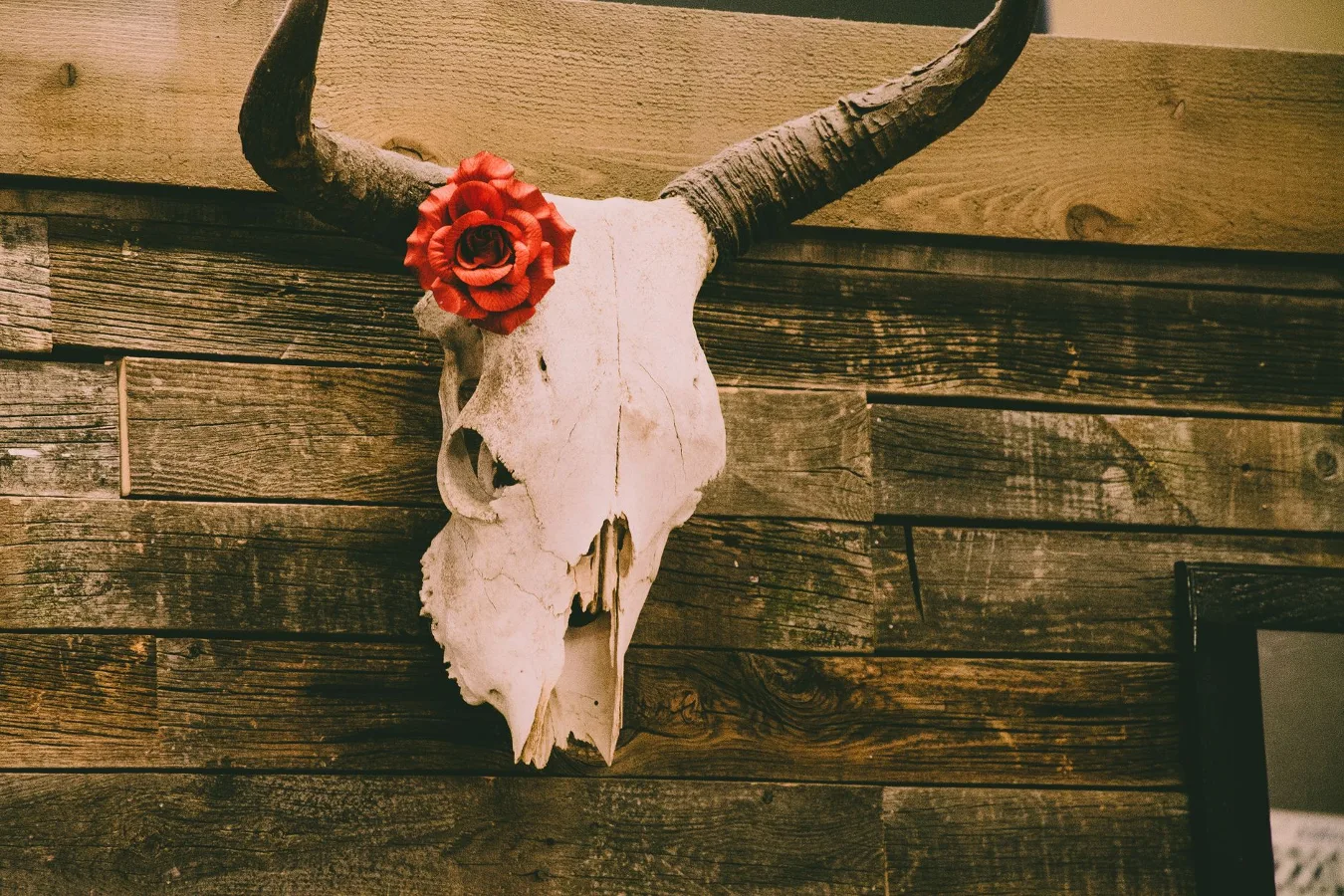
What western decor for home really means
Western decor for home usually combines rustic materials, warm neutrals, leather, wood, metal, and textile patterns that feel rooted in ranch, desert, and frontier-inspired design. It can lean traditional, Southwestern, modern rustic, or quietly refined. The most effective versions feel collected rather than themed. Decor guide offers more detail on this point.
If you are trying to style a room, the key is not filling it with obvious cowboy motifs. It is choosing a clear visual direction and repeating it through finishes, textures, and a few meaningful accents. That keeps the room cohesive and livable.
For a commercial search like this, the real question is usually: How do I make western decor look intentional in my home without making it feel kitschy? The answer starts with restraint, then builds through material choice and layering.
When western decor works best
Western decor works especially well in homes that already have some natural warmth: wood floors, stone details, exposed beams, leather seating, or a neutral color base. It also suits rooms that need more texture or a stronger sense of character.
It may be less effective if your home is already highly ornate, ultra-minimal, or filled with glossy finishes that clash with rustic materials. That does not make the style impossible, but it means you should use fewer western cues and focus on only one or two dominant elements.
Some of the strongest uses of western decor are:
- a living room that needs a more grounded, welcoming feel
- a bedroom that would benefit from softer textiles and earthy colors
- an entryway that needs personality without clutter
- a den, study, or family room where relaxed materials fit naturally
Step-by-step criteria for choosing the right pieces
1. Decide how literal you want the style to be
Western decor can be subtle or highly specific. A subtle approach might use weathered wood, a cowhide accent, and desert-toned textiles. A more literal approach might include horseshoe motifs, boots, rodeo art, or more obvious ranch imagery.
For most homes, the subtle version is easier to live with. It reads as layered and thoughtful, while a literal theme can quickly feel one-note if every piece points in the same direction.
2. Build from a neutral base
A neutral base gives western decor room to breathe. Cream, sand, camel, taupe, tobacco brown, charcoal, and dusty clay tones often work well because they echo natural materials without fighting them.
This does not mean every room must be beige. It means the foundation should be calm enough to support stronger textures and patterns. If you prefer color, use it in controlled doses through pillows, art, or a rug instead of painting every surface to match the theme.
3. Choose materials before accessories
Material selection does more for western style than decorative objects do. Wood, leather, wool, linen, iron, terracotta, cane, jute, and stone all support the look because they feel tactile and honest.
An overlooked consideration is finish. Distressed, matte, and worn finishes often suit western decor better than overly polished surfaces. Too much shine can make the room feel disconnected from the style.
4. Use pattern with restraint
Western decor often includes stripes, geometrics, checks, Navajo-inspired motifs, tribal-inspired prints, and saddle blanket references. Pattern can add character, but it works best when balanced with solid textures.
Too many competing patterns create visual noise. One strong patterned rug or pillow group is usually enough to establish the style. After that, let texture carry the rest of the room.
5. Think about scale and weight
Many western-inspired pieces have visual weight: thick wood frames, heavy sofas, layered textiles, iron hardware, or large art. That can create a cozy feeling, but it can also overwhelm smaller rooms.
If your space is compact, look for slimmer silhouettes and lighter visual contrast. You can still use western elements, but you may need to reduce the size of furniture, limit dark finishes, and keep wall decor more open.
Examples of western decor elements that work in real homes
Not every western piece needs to be obvious. In fact, the most useful items are often the ones that bridge style and function.
- Leather seating adds warmth and pairs well with wood and metal.
- Wood coffee tables anchor a room and reinforce the rustic base.
- Woven throws soften harder materials and make the room feel more layered.
- Desert-inspired artwork can suggest the style without using literal imagery.
- Iron or black metal details add contrast and keep the room from becoming overly soft.
- Terracotta or clay accents help introduce earthy color in a controlled way.
- Textured rugs connect furniture groupings and add comfort underfoot.
One practical nuance: a single statement piece can do more than several small themed objects. A strong rug, a carved sideboard, or a well-chosen piece of wall art may be enough to set the tone.
Room-by-room ways to use western decor
Living room
The living room is usually the easiest place to use western decor because the style benefits from layered seating, visible textures, and larger focal points. Start with a neutral sofa or a leather piece, then add a wood table, a textured rug, and a mix of pillows in earthy colors. rustic living room decor ideas offers more detail on this point.
Keep the room from feeling heavy by balancing darker materials with lighter walls or lighter upholstery. If you use a cowhide rug or bold pattern, let the rest of the room stay visually quiet.
Bedroom
A western bedroom should feel restful first. Focus on bedding, lighting, and a few expressive accents rather than packing the room with decor. Linen, cotton, woven throws, and warm-toned wood help create a relaxed ranch-inspired look.
Bedrooms are a good place to use understated western references such as landscape art, framed leather details, or a bench with a rustic finish. Avoid making the room too busy, since sleep spaces usually work best with fewer focal points. best wall art styles for rustic rooms offers more detail on this point.
Entryway
An entryway can carry western style quickly because it only needs a few strong elements. A console table, mirror, bowl, hook rack, or framed print can establish the mood without requiring a full room makeover.
This is also a smart place to prioritize durability. Since entryways see daily use, materials that are easy to clean and not too delicate tend to age better.
Dining area
Western decor in a dining area often works best through the table, chairs, lighting, and wall art. Natural wood, woven seat details, and iron lighting can bring the style into the room without overdecorating it.
If you want the room to feel less rustic and more polished, keep the tabletop simple. That allows the furniture and lighting to define the look.
What to watch for before you buy
Buying for western decor is easier when you separate style from impulse. A piece may look appealing on its own but still fail in your room if it clashes with scale, finish, or existing colors.
- Compatibility: Will the piece fit the style you already have, or will it force a full redesign?
- Maintenance: Will the material age the way you want, especially in high-traffic rooms?
- Comfort: Does the item look rustic but still function well for daily use?
- Color balance: Does the new item add warmth, or does it make the room too dark?
- Long-term value: Will you still like the piece if the room evolves beyond a strict western theme?
A common mistake is buying several small western-themed accessories before choosing the larger anchor pieces. Usually, the anchor pieces should come first: sofa, rug, bed, table, or art. Accessories should support those decisions, not compete with them.
Alternatives if full western decor feels too strong
Not every home needs a fully western look. If you like the mood but do not want a ranch-themed room, there are easy alternatives that borrow the same warmth.
- Modern rustic: keeps the wood, texture, and earth tones but drops the more specific western references.
- Southwestern-inspired: emphasizes pattern, clay tones, and desert colors with a more regional feel.
- Farmhouse with western accents: uses a softer base and adds one or two rugged pieces for contrast.
- Organic modern: keeps the palette muted and relies on texture rather than theme-heavy decor.
This approach is often the best choice for homeowners who want flexibility. You can add western character without locking every room into one style.
Checklist for styling a western-inspired room
- Choose a clear direction: subtle, modern rustic, Southwestern, or traditional ranch-inspired.
- Start with a neutral base in walls, flooring, or large furniture.
- Repeat natural materials such as wood, leather, wool, linen, iron, or stone.
- Limit bold patterns to one or two key places.
- Add texture through rugs, throws, pillows, baskets, and upholstered pieces.
- Use art and accessories to support the room, not overwhelm it.
- Balance darker rustic elements with lighter finishes if the room feels heavy.
- Leave some visual space so the decor can breathe.
Common mistakes to avoid
The biggest mistake is leaning too hard into literal western symbols. Hats, boots, buckles, horses, ropes, and rodeo motifs can be fun in small doses, but too many make the room feel more like a costume than a home.
Another frequent issue is mixing too many rustic styles at once. A weathered farmhouse table, Southwestern textiles, industrial metal lighting, and lodge-style antlers can all belong in a home, but they do not always belong in the same room. Keep the mix edited.
Finally, many people forget comfort. A room can look right in photos and still feel awkward to use if the seating is stiff, the rugs are scratchy, or the layout is too crowded.
FAQ
How do I make western decor look modern?
Use cleaner silhouettes, fewer accessories, and a restrained color palette. Keep the rustic materials, but remove anything overly themed or overly ornate.
What colors work best for western decor for home?
Earth tones usually work best: cream, sand, tan, brown, charcoal, clay, rust, and muted sage. A small amount of black metal can add definition.
Can western decor work in a small apartment?
Yes, but the style should stay light and edited. Use one focal piece, keep the palette simple, and avoid crowding the room with oversized rustic furniture.
Is western decor the same as farmhouse decor?
Not exactly. Farmhouse decor tends to feel softer and more neutral, while western decor usually includes more leather, stronger texture, and references to ranch or desert style.
What is the easiest room to start with?
A living room or entryway is usually the easiest because you can change the mood with a rug, art, pillows, and one anchor piece without redesigning the whole house.
Final styling checklist
If you want western decor for home to feel polished instead of themed, keep these decisions in order: choose the version of western style you want, establish a neutral base, repeat natural materials, and use accessories sparingly. The best rooms feel warm, grounded, and personal, not decorated all at once.
That balance is what makes western style work long term. It should feel like a home with character, not a showroom built around one idea.