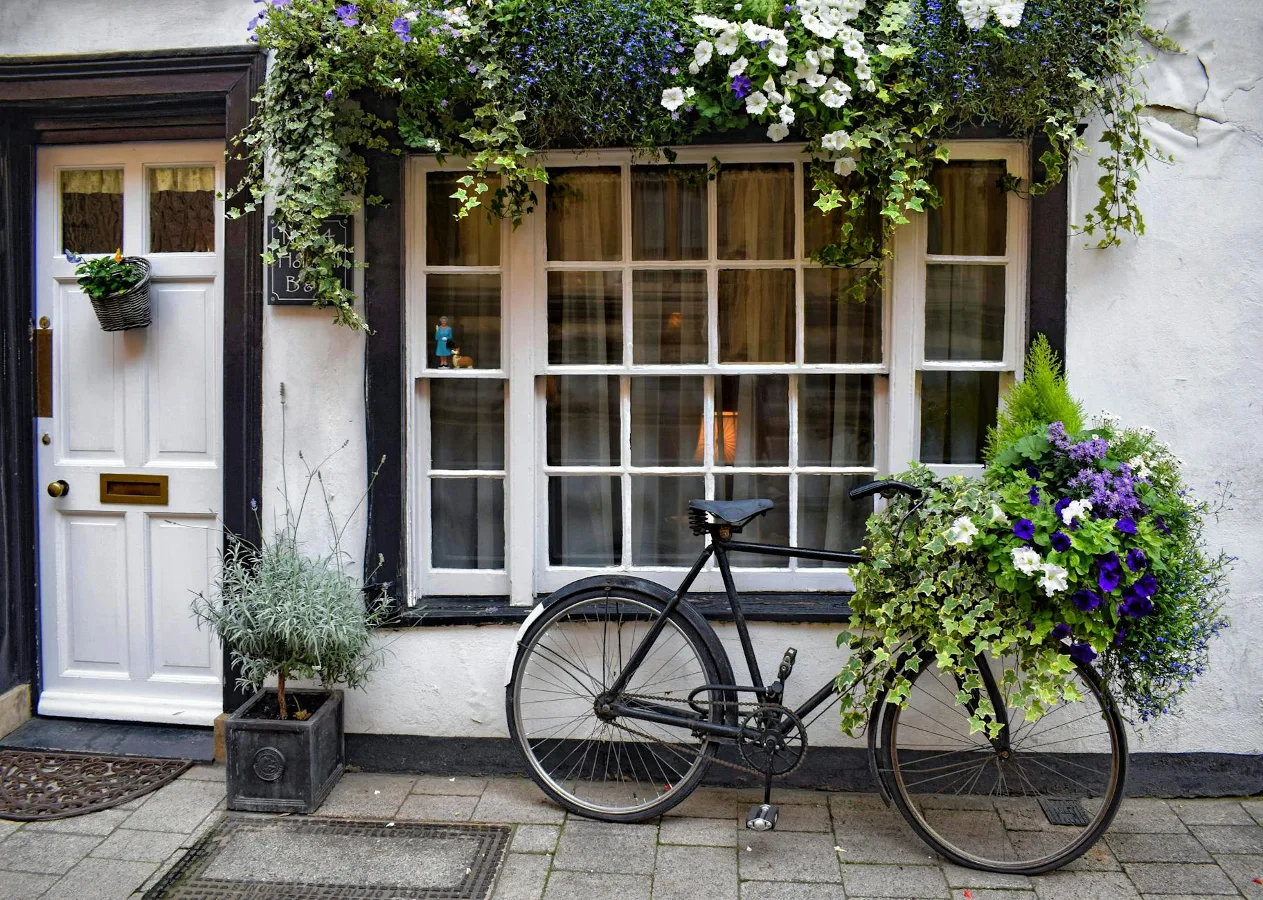
English country home decor is a comfortable, layered style built around warmth, pattern, and pieces that feel collected over time. If you want the look in a real home—not a staged picture—you need a mix of soft fabrics, lived-in finishes, practical furniture, and a restraint that keeps the room from feeling cluttered. blue and white home decor offers more detail on this point. Pink Home Decor Accessories: A Buying Guide offers more detail on this point.
The style works best for people who want rooms that feel welcoming rather than showroom-perfect. It can suit a farmhouse, a suburban house, or even an apartment, as long as the materials, colors, and proportions are chosen with care.
What English country home decor actually looks like
At its core, English country style combines comfort and tradition. Think slipcovered or upholstered seating, wood furniture with a modest profile, floral or striped textiles, books, ceramics, lamps with fabric shades, and a palette that leans warm, muted, and natural. guide to upholstered furniture styles offers more detail on this point.
What makes it different from other traditional looks is the way it feels layered rather than matched. The room should look as though it developed gradually, with a few inherited pieces, a few practical additions, and enough restraint to keep the mix cohesive.
If you are deciding whether this style is right for your home, ask one simple question: do you want a room that feels polished, or one that feels comfortable and collected? English country decor usually favors the second.
Best fit: who this style works for
This style is a strong choice if you want interiors that are inviting, soft-edged, and forgiving of everyday life. It works especially well for households that use their rooms often, because the style does not depend on hard-to-maintain surfaces or overly delicate styling.
- Good fit: homeowners who prefer traditional furniture and a layered look
- Good fit: families who want a room that feels cozy without becoming overly casual
- Good fit: people who like florals, checks, stripes, and natural textures
- Less ideal: those who want minimalism, sharp lines, or a high-gloss modern finish
A common misconception is that English country style must be antique-heavy or overly feminine. In practice, it can be balanced, practical, and fairly neutral if you choose the right foundation pieces.
How to build the look without making it feel forced
The easiest way to create English country home decor is to start with the larger pieces and keep the rest flexible. Furniture, wall color, and textiles should set the tone first. Decorative objects come later.
Start with a warm base
Paint colors usually work best when they feel soft and natural rather than bright or stark. Cream, mushroom, dove gray, muted green, dusty blue, and warm white are all common directions because they support the layered look without fighting the furniture.
Finish matters too. A flat or matte wall finish can feel more relaxed than a glossy one, especially if the room has traditional trim, paneling, or older architectural details.
Choose furniture with gentle character
Look for pieces that have presence without being oversized. Upholstered sofas, club chairs, skirted tables, painted cabinets, spindle-back chairs, and wood frames with a classic profile all fit naturally.
The biggest mistake here is choosing pieces that are too ornate or too trendy. English country style depends on familiarity and ease. A room can quickly lose that feeling if the furniture competes for attention.
Layer textiles thoughtfully
Textiles do a lot of the work in this style. Linen, cotton, wool, chintz-inspired florals, ticking stripes, checks, and subtle plaids all contribute to the layered feel. The key is to vary scale and keep the colors in conversation with one another.
A large floral sofa with a busy patterned rug and several bold pillows can overwhelm the room. A better approach is to let one pattern lead and use the others more quietly.
Material and finish choices that matter most
Because this style relies on texture and character, material selection is one of the most important decisions you will make. The wrong finish can make the room feel overly slick, while the right one creates depth and softness.
| Element | Better choices | Why it helps |
|---|---|---|
| Seating | Linen, cotton blend, wool blend, slipcovered upholstery | These materials support a relaxed, lived-in feel |
| Wood furniture | Painted wood, lightly worn finishes, medium-toned natural wood | They add warmth and visual history |
| Lighting | Fabric shades, brass, ceramic bases, glass with soft detailing | They soften the room and reduce harshness |
| Windows | Lined curtains, café curtains, Roman shades | They suit the traditional, layered aesthetic |
| Accessories | Ceramics, woven baskets, books, framed art, floral arrangements | They make the room feel collected rather than staged |
One overlooked consideration is wear pattern. English country decor often looks best when materials age gracefully. That does not mean everything should look distressed, but it does mean you should prefer finishes that still look good after regular use.
Trade-offs to expect before you commit
Every interior style has compromises, and this one is no exception. English country home decor can feel rich and inviting, but it also asks for some discipline.
It can look busy if you add too much too fast
Pattern layering is part of the appeal, but it is also the easiest way to lose the look. If you bring in floral wallpaper, patterned curtains, a patterned rug, and several decorative pillows, the room can become visually noisy.
To avoid that problem, use one or two clear focal patterns and let the rest of the room support them.
It may require more maintenance than ultra-minimal decor
Soft furnishings, curtains, lampshades, and layered accessories naturally collect dust and need regular care. If you want a low-maintenance home, you may prefer a lighter version of the style with fewer accessories and easier-to-clean fabrics.
It can feel dated if the palette is too literal
Some people associate English country decor with heavy florals and dark wood. That version can feel old-fashioned rather than timeless. A fresher interpretation usually uses lighter walls, simpler silhouettes, and a calmer palette.
A practical rule: if the room looks like a themed set, step back and remove one layer.
How to adapt the style to different rooms
English country home decor works in more than one setting, but the emphasis changes from room to room.
Living room
This is the easiest place to start. A sofa in a durable neutral fabric, two upholstered chairs, a wooden coffee table, a patterned rug, and a mix of table lamps can establish the mood without making the room too precious.
Keep the layout comfortable. This style should invite conversation and reading, not formal display.
Kitchen
In kitchens, the look often comes through in cabinetry, hardware, ceramics, open shelving, and window treatments. Painted cabinets, aged brass or iron details, and simple dishware support the aesthetic without demanding a full renovation.
If your kitchen is modern, you can still borrow elements from the style through curtains, pottery, framed botanical art, and wood accents.
Bedroom
Bedrooms benefit from the softer side of the style: layered bedding, a classic headboard, bedside lamps, floral or striped accents, and curtains that make the room feel settled.
Here, restraint matters. Too many decorative pillows or too many competing patterns can make the room feel fussy rather than restful.
Entryway or hallway
These smaller spaces are useful for introducing the theme. A narrow console, mirror, runner, wall sconce, and a basket for practical storage can set the tone without requiring a lot of furniture.
Common mistakes to avoid
- Mixing too many eras at once: Keep the room anchored with a clear traditional foundation.
- Using only dark wood: Heavy finishes can make the style feel dated and visually dense.
- Overdecorating surfaces: The collected look depends on editing, not filling every shelf.
- Choosing patterns without a color link: Patterns work better when they share a few common tones.
- Ignoring scale: Small accessories can disappear in a large room, while oversized pieces can overwhelm a modest one.
Another practical nuance: English country decor often looks best when some elements are understated on purpose. Not every piece needs to announce itself.
Smart ways to start if you do not want a full redesign
You do not need to replace everything to get the look. A few targeted changes can shift a room in the right direction.
- Choose one room to begin with, usually the living room or bedroom.
- Set a gentle color palette before buying accessories.
- Replace one hard or overly modern element with something softer, such as an upholstered chair or a linen shade.
- Add one patterned textile, then build slowly.
- Use books, ceramics, baskets, and framed art to create a collected feel.
If you already have modern furniture, focus on softening the room instead of fighting it. Curtains, pillows, a rug, and lamp choices can do more than people expect.
Alternatives if you want a similar mood
If English country home decor feels too detailed or traditional, a few related styles may fit better.
- Modern farmhouse: simpler, cleaner, and more casual
- French country: lighter and often more rustic in feel
- Classic traditional: more formal and structured
- Cottage style: softer, smaller-scale, and more whimsical
These styles overlap, but they are not the same. English country decor is usually the most layered and the most dependent on pattern balance.
FAQ
What colors work best for English country home decor?
Soft whites, warm creams, muted greens, dusty blues, mushroom tones, and gentle grays are all strong choices. The goal is a grounded palette that supports wood, fabric, and pattern without feeling stark.
Can English country decor work in a modern home?
Yes. You can adapt it with textiles, furniture silhouettes, lamps, and accessories rather than relying on architectural details. The look often works best when you keep the structure simple and let the materials carry the style.
Do I need floral prints for this style?
No. Florals are common, but they are not required. Checks, stripes, plaids, botanicals, and textured solids can all fit if they feel balanced and traditional.
How do I keep the room from looking cluttered?
Edit aggressively. Limit the number of patterns, repeat a few colors throughout the room, and leave some surfaces open so the eye can rest.
What is the easiest way to begin?
Start with one upholstered piece, one or two textiles, and a warm neutral wall color. Then add accessories gradually so the room feels collected rather than decorated all at once.
Next steps
If you are building an English country home decor scheme, begin with the pieces that set the strongest tone: paint, seating, curtains, and one main textile pattern. After that, add layers slowly and keep checking whether the room still feels easy to live in.
The most successful versions of this style are not the most decorated. They are the ones that balance comfort, character, and restraint well enough to feel natural every day.