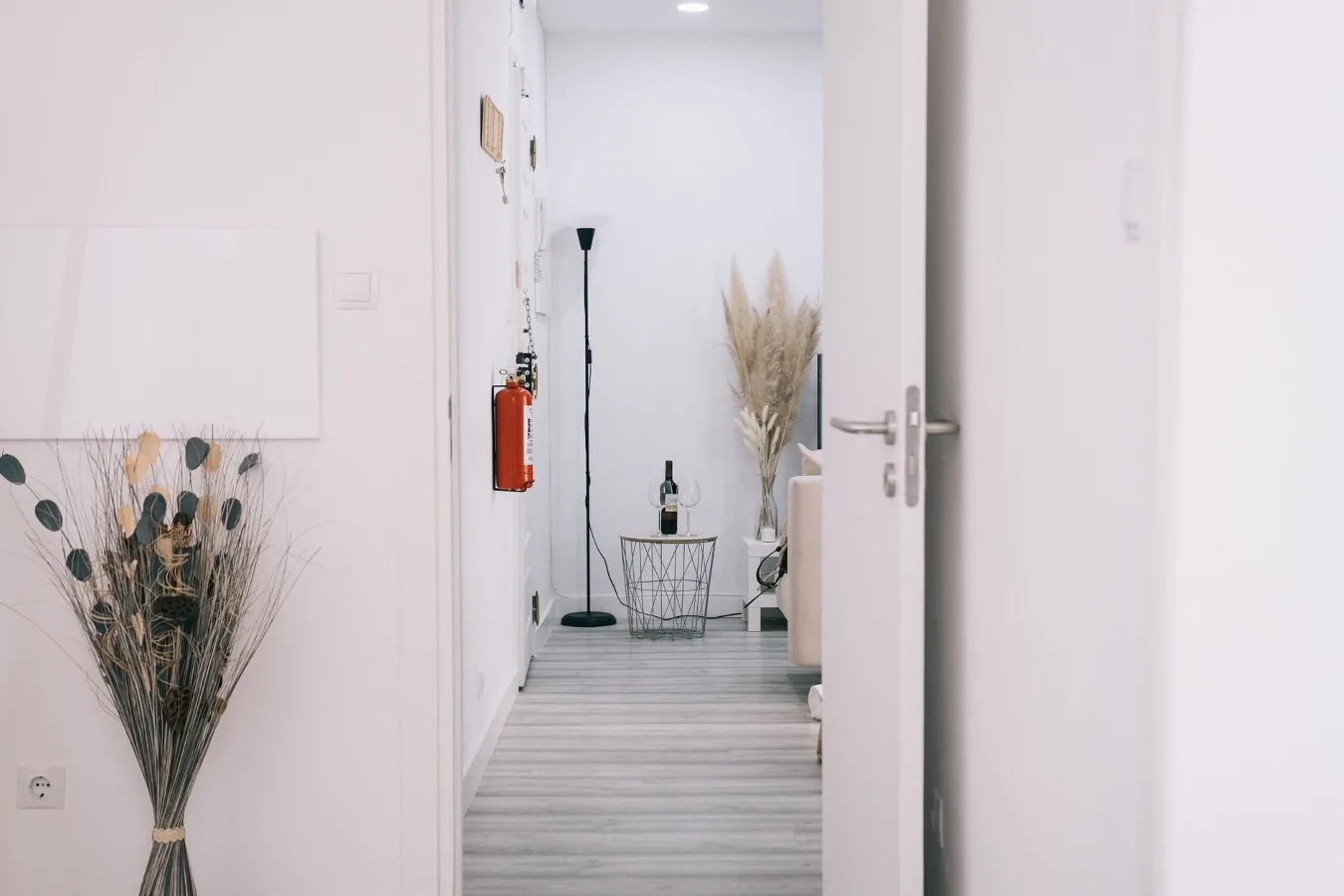
A glass floor lamp is a strong choice when you want lighting that feels lighter visually than a wood or metal lamp, but still adds presence to a room. It can work as ambient lighting, a decorative accent, or a subtle statement piece depending on the shape of the glass, the shade, and the overall finish. lamp shade styles and materials offers more detail on this point. Bronze Floor Lamp Buying Guide offers more detail on this point.
The best glass floor lamp is not simply the prettiest one. For a commercial purchase, the real question is whether it fits the room, the lighting job, and the way people actually use the space. Stability, cleaning, brightness control, and how much visual weight the lamp adds all matter just as much as style.
Who a glass floor lamp suits best
A glass floor lamp is usually a good fit for rooms that need softness without clutter. Because glass tends to feel lighter and more reflective than solid materials, it can help open up a space visually. That makes it appealing for living rooms, bedrooms, entryways, and sitting areas where you want the lamp to feel decorative rather than heavy.
It is especially useful if you are trying to balance a room with a lot of wood furniture, darker upholstery, or matte finishes. Glass introduces contrast. In a more minimal room, it can add interest without overwhelming the layout.
That said, glass is not automatically the best choice for every setting. In homes with active children, large pets, or narrow high-traffic paths, the same qualities that make a glass floor lamp elegant can also make it less forgiving than a more rugged design. The right choice depends on placement and construction, not just appearance. floor lamp placement tips offers more detail on this point.
What to weigh before you buy
For most shoppers, the decision comes down to five practical factors: stability, glass type, shade style, scale, and maintenance. These are the details that determine whether the lamp feels refined and functional or simply fragile and hard to live with.
1. Stability and base design
A floor lamp needs a steady base, and this matters even more with glass because many shoppers are choosing the lamp for its clean, airy look. A visually delicate lamp should still feel secure. Look for a wide enough footprint, a balanced center of gravity, and a design that does not feel top-heavy.
If the lamp will sit near a sofa, chaise, or walkway, stability becomes a practical safety issue. A narrow or lightweight base may look elegant in photos, but it can be less ideal in a room where people regularly brush past it.
2. Type of glass
Not all glass floor lamps look or behave the same. Clear glass can feel crisp and contemporary. Frosted or opal-style glass tends to soften the light and make glare less noticeable. Colored or textured glass can add visual interest and help the lamp act as a decor feature even when it is turned off.
The type of glass also affects how much the bulb is seen. If you prefer a cleaner, more diffused look, frosted glass or a shade that hides the bulb may be more comfortable than exposed clear glass. If you want sparkle and reflection, clear glass creates that effect more easily.
3. Shade style and light quality
Many people focus on the glass body and overlook the shade, but the shade often determines how the lamp behaves in the room. A drum shade can spread light more evenly. A tapered shade can feel more traditional. An open or partially open design can create stronger contrast and more decorative impact.
If the lamp is meant for reading, the shade should direct light where it is needed. If it is meant for mood lighting, softer diffusion is usually more comfortable. A glass floor lamp with the wrong shade can look beautiful but still fail at the job you need it to do.
4. Scale and proportion
Size is one of the easiest places to make a mistake. A lamp that is too tall can feel awkward beside a low sofa, while a lamp that is too narrow can disappear in a larger room. Measure the space where the lamp will stand and think about the furniture around it.
A useful mental check is proportion. The lamp should relate to nearby seating, tables, and ceiling height in a way that feels intentional. In a compact room, a slimmer glass floor lamp may help preserve openness. In a larger room, a more substantial silhouette may be needed so the lamp does not feel under-scaled.
5. Maintenance and cleaning
Glass is attractive partly because it reflects light, but it also shows dust, fingerprints, and smudges more readily than many other materials. If the lamp is in a place where it will be handled often, choose a design that is easy to wipe down and does not have too many hard-to-reach surfaces.
Textured or patterned glass can disguise minor marks better than perfectly clear glass, though it may also alter the light output. If easy upkeep matters, simple forms often age better in daily use than highly detailed ones.
Material and spec details that matter most
Because this is a buyer guide, the best approach is to focus on the material and specification details that affect everyday use. The right details depend on the room, but a few are consistently worth checking.
- Glass finish: clear, frosted, textured, tinted, or patterned each changes the look and light quality.
- Frame material: metal, brass-tone, painted steel, or mixed materials affect stability and style.
- Shade material: fabric, linen, paper, or glass shades all create different levels of diffusion.
- Bulb compatibility: confirm the lamp accepts the bulb type and wattage range you intend to use.
- Switch placement: foot switch, inline switch, or rotary switch can make a big difference in convenience.
- Cord length: important if the lamp is not near an outlet or if you want cleaner placement.
- Safety listing: a recognized safety listing is worth checking for any plug-in lamp.
One common misconception is that a glass floor lamp is mostly decorative and therefore less practical to evaluate. In reality, the practical details matter more because glass can make a lamp feel visually simpler than it is. Hidden construction choices often determine whether it works well every day.
Open bulb versus covered bulb
Some glass floor lamps leave the bulb visible, while others conceal it with a shade or diffuser. The open-bulb look can feel modern and airy, but it may create glare depending on bulb brightness and eye level. Covered bulbs usually produce a softer result, which can be more comfortable in a living room or bedroom.
If the lamp will be near a television, a reading chair, or a frequent seating spot, consider whether you want the bulb itself to become part of the design. What looks elegant from across the room can feel harsher up close.
Finish and color temperature
Glass interacts with light differently depending on the bulb. Warm light tends to feel more inviting in seating areas, while cooler light can look cleaner but sometimes feels less relaxed. Because glass reflects and transmits light, the bulb choice has a stronger visual effect than shoppers sometimes expect.
A practical approach is to choose the lamp first for shape and scale, then match the bulb to the room’s mood. That avoids the common mistake of buying a visually striking lamp that ends up feeling too bright, too cool, or too reflective at night.
Where a glass floor lamp works best
The strongest use cases are rooms where the lamp can add atmosphere without competing with heavy furniture or dense visual patterns. Living rooms are the most obvious choice, especially next to a sofa, reading chair, or accent table. A glass floor lamp can also work well in a bedroom where you want soft layered lighting and a more polished look than an overhead fixture alone provides.
In entryways or open-plan areas, the lamp can help define a zone without blocking sightlines. That is one reason glass is so useful in smaller homes and apartments: it can introduce a decorative element while still keeping the room feeling open.
It is less ideal where the lamp is likely to be bumped often or where hard use outweighs decor value. In those settings, a sturdier material may be a better long-term choice even if it is less visually refined.
Trade-offs to expect
Every glass floor lamp involves a compromise. The biggest advantage is the balance between style and lightness. It can feel more elegant than a chunky lamp and more substantial than a small table lamp. But that same lightness can come with practical trade-offs.
- Pros: visually open, decorative, easy to coordinate with many interior styles, good for layered lighting.
- Cons: may show dust and fingerprints, may be less forgiving in busy areas, and may require more attention to shade and bulb choice.
Another trade-off is between personality and flexibility. A highly styled glass floor lamp can become a focal point, but that may limit how easily it fits future decor changes. A simpler version is often more adaptable over time.
Style directions that pair well with glass
Glass is versatile, but it does not look the same in every style. A few directions tend to work especially well.
- Modern and minimalist: clean lines, clear glass, simple metal accents, and restrained silhouettes.
- Art Deco-inspired: geometric shapes, richer finishes, and glass that adds a more tailored decorative feel.
- Transitional: understated forms that bridge traditional and contemporary furniture.
- Soft glam: glass paired with brass, champagne, or polished details for a more refined look.
What matters most is restraint. Because glass already catches the eye, too many competing finishes can make the lamp feel busy. A quieter base or a neutral shade often lets the material do the work.
Common mistakes when choosing one
Shoppers often get the aesthetics right and the practical details wrong. The most common mistake is choosing a lamp that looks good in isolation but does not suit the room’s scale. Another is ignoring how the light will actually feel at night, especially if the bulb is exposed.
Other frequent missteps include placing the lamp where it can be knocked over, selecting a finish that shows every mark, and assuming all glass floor lamps create the same effect. Clear glass, frosted glass, and textured glass can look and perform very differently.
One overlooked consideration is visual reflection. In a room with mirrors, glossy furniture, or lots of shiny surfaces, a glass floor lamp may amplify brightness and reflection more than expected. That can be appealing, but it can also create glare if the lamp is not positioned thoughtfully.
Alternatives worth considering
If you like the lighter look of glass but are not fully convinced, a few alternatives may solve the same design problem with fewer trade-offs.
- Metal floor lamps: better if you want durability and a more architectural look.
- Wood floor lamps: warmer and often better for traditional or organic interiors.
- Paper lantern-style lamps: soft and airy, though usually less durable.
- Mixed-material lamps: a good middle ground when you want glass accents without a fully glass-forward design.
These alternatives are useful if you are furnishing a family room, rental property, or a space that needs to tolerate more daily wear. Glass is beautiful, but beauty is only part of the equation.
How to make the right choice quickly
If you are narrowing options, start with the room rather than the lamp. Ask what the space needs most: ambient light, a reading light, a decorative accent, or a way to soften a room with hard edges. Then use that answer to filter the design.
- Decide whether the lamp is mainly decorative or functional.
- Check whether the room needs diffused light or more direct light.
- Confirm the lamp’s scale against nearby furniture.
- Look at how easy the glass and shade will be to clean.
- Choose a finish that suits the room’s existing materials.
- Confirm the lamp placement will not create a safety issue.
If two lamps seem equally attractive, the better long-term choice is usually the simpler one. Glass already brings character. A design that is easy to live with often ages better than one that depends on a very specific trend.
Final buying perspective
A glass floor lamp is best chosen as a balance of design and function. Its appeal comes from the way it adds brightness, texture, and elegance without visual heaviness. But the most satisfying choice is the one that fits how the room is used, how much maintenance you are willing to handle, and how much visual impact you want.
For a decor-focused home, that often means prioritizing proportion, shade quality, and glass finish over novelty. If you get those right, the lamp can feel both practical and polished instead of merely decorative.