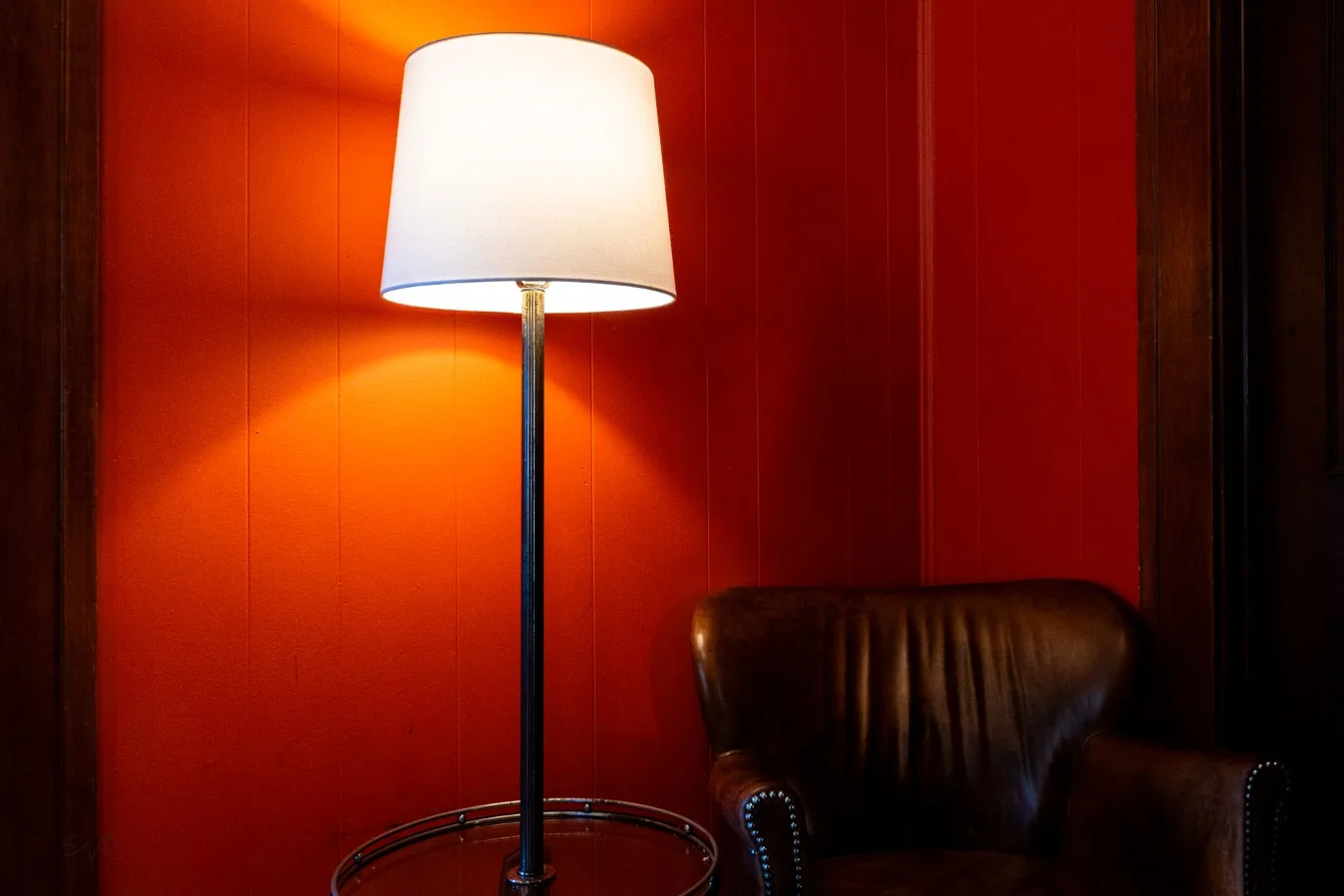
Quick answer: what to look for in a vintage floor lamp
A good vintage floor lamp should do two things well: look intentional in your room and work comfortably for the way you use the space. Start with the style you want—mid-century, traditional, industrial, Art Deco, or antique-inspired—then check the practical details that often matter more than the finish: height, shade direction, base stability, bulb compatibility, and whether the lamp gives ambient light, reading light, or both. complete guide to gold floor lamp offers more detail on this point.
The most common mistake is choosing a lamp for its character alone. A visually appealing lamp can still feel awkward if it is too tall beside a sofa, too dim for a reading chair, or too top-heavy for a busy household. For a commercial search like this, the best vintage floor lamp is usually the one that fits the room’s scale, complements the existing furniture, and supports the kind of lighting you actually need.
How to compare vintage floor lamps
Vintage floor lamps are often bought as décor pieces first, but they still need to perform like functional lighting. A thoughtful comparison usually comes down to style, materials, and real-world use rather than price alone.
Style and period influence
The phrase vintage floor lamp can mean a genuine older piece, a reproduction, or a modern lamp with vintage cues. That distinction matters because each option brings a different level of authenticity, maintenance, and convenience.
- Mid-century styles tend to feel cleaner and lighter, which works well in contemporary interiors.
- Traditional and antique-inspired lamps bring more visual weight and suit classic rooms, libraries, and formal living spaces.
- Industrial designs often use darker metals, exposed hardware, and utilitarian shapes that fit loft-style or eclectic decor.
- Art Deco-inspired lamps lean into geometry, polished finishes, and stronger visual presence.
A common misconception is that all vintage-looking lamps automatically blend into older homes. In practice, the lamp still has to coordinate with the rest of the room. A highly ornate lamp can overwhelm minimalist furniture, while a streamlined lamp may feel too quiet in a richly layered space.
Materials and finish
Materials affect both the look and the long-term practicality of the lamp. Brass, bronze, wood, iron, and mixed-material designs are all common in vintage-inspired lighting. The finish should support the atmosphere you want, but it should also make sense for the room’s wear and tear.
- Brass or brass-tone finishes usually add warmth and a more classic feel.
- Dark metal finishes can hide minor wear and work well in moody or industrial rooms.
- Wood accents soften the look and help a lamp feel less formal.
- Painted or enameled surfaces can provide color contrast, but they may be less forgiving if the lamp sits in a high-traffic area.
If you are shopping for a genuine older lamp, check whether the finish shows age in a way you enjoy. Patina can be part of the appeal, but uneven wear, flaking surfaces, or repairs may affect both appearance and upkeep. With reproductions, the challenge is different: some look convincing in photos but feel too polished or too lightweight in person.
Height, proportions, and placement
Scale is one of the most overlooked parts of choosing a vintage floor lamp. A lamp that is technically attractive can still look out of place if it is too short next to a tall sectional or too tall for a small reading nook.
Think about where the lamp will live:
- Next to a sofa: the lamp should feel visually balanced, not tower over the seating.
- Beside an armchair: shade placement matters more than raw height, especially for reading.
- In a corner: a taller lamp can help fill vertical space and keep the room from feeling empty.
- Behind seating: make sure the lamp does not crowd movement paths or create glare.
The overlooked consideration here is visual weight. Two lamps of the same height can feel very different if one has a heavy base and thick shade while the other has a slim stem and open silhouette. That difference affects how crowded or airy the room feels.
Shade shape and light quality
The shade is not just a decorative detail. It changes how the lamp distributes light and how the piece reads in the room. Drum shades, empire shades, globe shades, and cone-shaped shades each create a different effect.
- Fabric shades usually soften the light and create a warmer, more relaxed feel.
- Opaque shades direct light more selectively and can work well for reading if the bulb and angle are right.
- Glass shades can be beautiful, but they may allow more glare and reveal bulb choice more clearly.
- Open or torchiere-style tops are better for ambient light than for focused task lighting.
If your goal is to create atmosphere, a softer shade often works better than a highly reflective one. If you need task lighting, the lamp should direct light where you sit rather than just upward or outward into the room.
Stability and everyday use
Stability is easy to ignore when shopping online, especially if the lamp has a graceful shape. But a vintage floor lamp with a narrow base or high center of gravity may not be the best choice for homes with kids, pets, or narrow walkways.
Look for a design that feels solid and grounded. If a lamp appears top-heavy, sits on an especially narrow footprint, or uses a tall, arched arm, consider whether it will stay secure in the intended location. This is one area where a more restrained design can be the better decorative choice, even if it is less dramatic.
What makes a vintage floor lamp worth buying
The right lamp should solve a room problem, not just add decoration. For many buyers, the best vintage floor lamp is the one that helps layer the lighting in a room that otherwise feels flat or over-reliant on overhead fixtures.
Good reasons to choose one
- It adds character quickly without requiring a large furniture change.
- It helps define a seating area and makes the room feel more finished.
- It can soften modern interiors that feel too clean or sparse.
- It often works well in layered lighting plans alongside table lamps and ceiling fixtures.
Where the trade-offs show up
Vintage-inspired lighting is not always the simplest option. Genuine older lamps may need rewiring, replacement parts, or careful cleaning. Some reproductions capture the look but lose some of the texture that makes vintage pieces appealing. And if the design is unusually ornate, it may limit where you can move it as your room changes.
There is also a practical limit to how much a decorative lamp can do. A striking floor lamp can anchor a corner, but it will not replace the need for good ambient lighting throughout the room. Think of it as part of the lighting plan, not the entire plan.
Common mistakes to avoid
Because the style is so appealing, buyers often focus on the finish first and the function later. That order can create problems once the lamp arrives.
- Choosing by appearance only: A beautiful lamp that gives poor light will disappoint quickly.
- Ignoring proportions: A lamp that is too small can look accidental, while one that is too large can dominate the room.
- Overlooking the shade: A weak shade can make the entire lamp look unfinished.
- Forgetting bulb compatibility: Always confirm what bulb type, base type, and wattage range the lamp supports.
- Placing it where glare is unavoidable: Especially near TVs, glossy tables, or mirrors.
- Buying a fragile piece for a busy area: Decorative appeal matters less if the lamp cannot handle everyday use.
Another practical nuance: some vintage-style lamps photograph beautifully because the light is soft and flattering, but that same softness may be too dim for actual reading. If the lamp will serve more than one purpose, make sure it can handle the brighter setting you expect from it.
Choosing the right vintage floor lamp for your room
The best choice depends on the room’s role. A vintage floor lamp for a living room sofa may need to work differently from one placed in a bedroom corner or study.
| Room use | What to prioritize | What to avoid |
|---|---|---|
| Living room accent | Style balance, scale, warm ambient light | Overly bright glare, awkward proportions |
| Reading corner | Shade direction, bulb compatibility, stable base | Diffused light that is too weak for tasks |
| Bedroom | Softness, compact footprint, calming finish | Bulky silhouettes that crowd the space |
| Entryway or hall | Visual impact, narrow footprint, safe placement | Top-heavy designs in tight traffic areas |
If you are decorating a room with mixed styles, a vintage floor lamp can act as a bridge. Brass can warm up cooler neutrals. Wood can make metal furniture feel less severe. A black industrial lamp can steady a room with too many soft shapes. The key is choosing one with enough presence to matter, but not so much personality that it fights everything around it.
Alternatives if a vintage floor lamp is not the best fit
Sometimes the vintage look is right, but a floor lamp is not the best format. That happens more often than shoppers expect.
- Vintage table lamps work better if you already have floor space crowded with furniture.
- Wall sconces are a smart option when you need atmosphere but want to keep surfaces clear.
- Arc lamps can solve seating layouts that need light to reach over a sofa or side table.
- Torchiere lamps can add ambient glow in rooms that need upward light rather than task lighting.
If the room already has enough visual complexity, a simpler lamp shape may be the better move. In a more restrained interior, a detailed vintage floor lamp can become the right focal point. The room should decide the lamp, not the other way around.
Final check before you buy
Before committing to a vintage floor lamp, ask a few practical questions: Does the style truly fit the rest of the room? Is the scale appropriate beside the furniture? Will the shade create the kind of light you need? Is the base stable enough for the location? Will the finish age gracefully in your home?
Those questions matter because this is one of the few décor pieces that has to perform at eye level, support daily use, and still feel decorative. A well-chosen vintage floor lamp does not just decorate a room. It helps the room feel finished, intentional, and easier to live with.