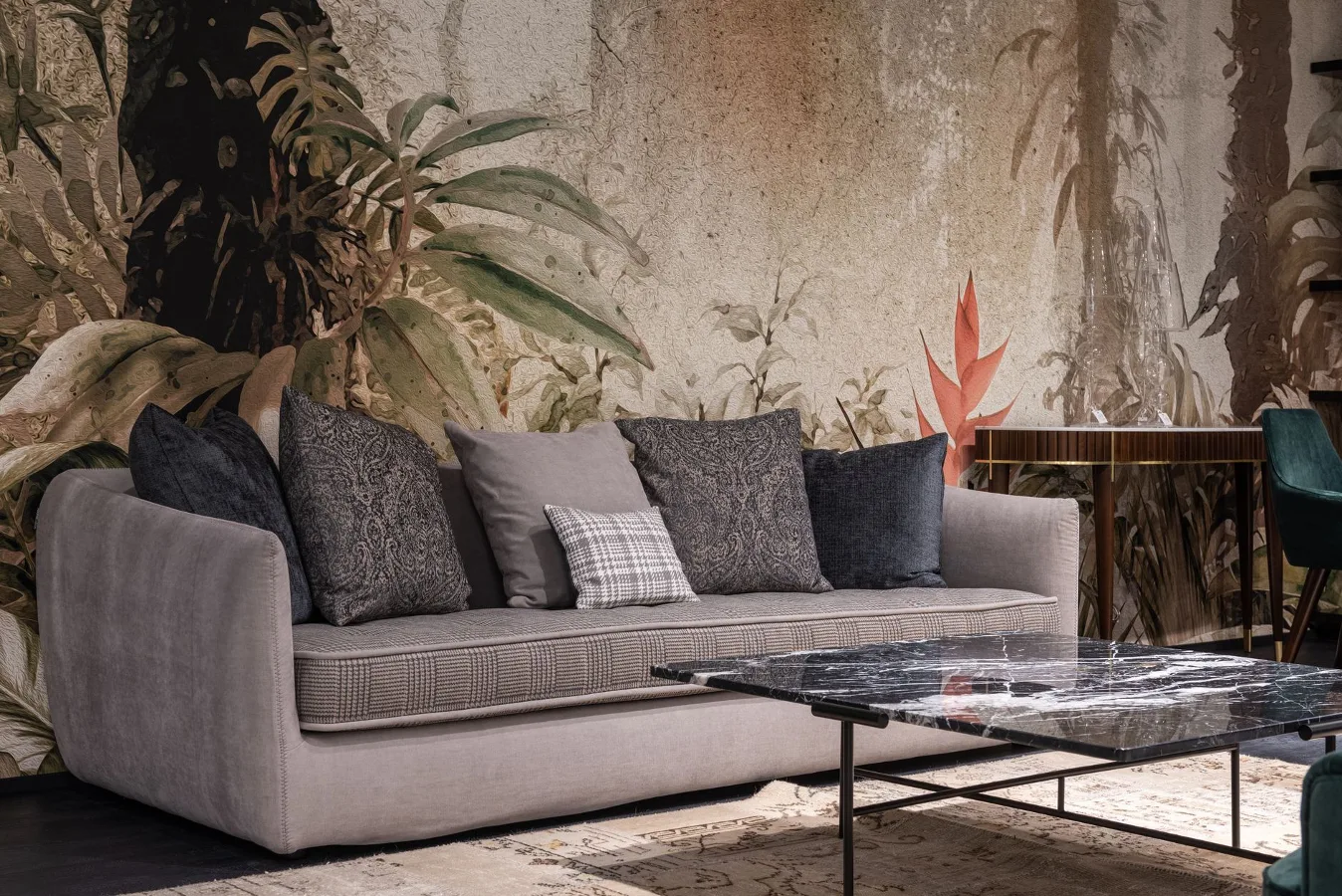
If you’re shopping for a dune sofa, you’re usually looking for a sofa with a soft, sandy, or warm neutral look that feels calm rather than stark. The appeal is simple: it can work in many interiors, but only if you choose the right fabric, scale, and silhouette for your room. comforty sofa offers more detail on this point.
The mistake many buyers make is treating a dune sofa as a purely visual choice. In practice, the right one has to fit your space, suit your daily use, and hold up to the kind of wear your home actually sees. A pale neutral sofa can look elegant in a showroom and still be the wrong fit for a busy household.
Quick answer: what to look for in a dune sofa
The best dune sofa is one that balances color, comfort, and maintenance. Look for a warm neutral upholstery tone that complements your flooring and wall color, then compare the seat depth, cushion feel, frame shape, and cleaning requirements before deciding. best upholstery fabrics for everyday use offers more detail on this point.
If you want the simplest buying rule, start with this: choose a dune sofa for the mood it creates, but buy it for the way you live. That means thinking through how often it will be used, who will use it, and whether you want a relaxed, tailored, or modular look. sectional vs. sofa buying guide offers more detail on this point.
How dune sofa styling usually reads in a room
“Dune” is not a strict technical category. In furniture, it usually points to a soft neutral palette somewhere between beige, tan, oat, sand, or greige. The exact look can shift a lot depending on the fabric and the light in your home.
A dune sofa often works well in rooms that already lean warm and natural. It pairs easily with wood, boucle, stone accents, woven textures, and low-contrast color schemes. That makes it attractive for buyers who want a calm focal point without committing to a bold color.
Still, there’s a common misconception that every neutral sofa is low-risk. A very light dune tone can show dirt more readily, while a deeper beige may read unexpectedly yellow or brown in certain lighting. Always check the fabric swatch in the actual room where the sofa will live.
Comparison factors that matter most
Because a dune sofa is usually chosen for both style and function, the most useful comparison is not brand versus brand. It is how each option handles real-life use.
Upholstery and texture
The upholstery changes everything. A smooth woven fabric, a linen-look textile, velvet, chenille, or performance upholstery will all give a dune sofa a different character. Smooth fabrics tend to look more tailored, while textured fabrics feel softer and more casual.
Texture also affects upkeep. Heavily textured fabric may hide small marks better, but it can trap lint and pet hair more easily. Smoother fabrics are often easier to wipe, but imperfections may be more visible.
Comfort and seat feel
Many shoppers focus on color and ignore comfort until the end. That can be a mistake. A dune sofa that looks beautiful but feels too firm, too shallow, or too structured may not suit daily lounging.
Consider how you use your seating. If you watch movies, stretch out, or host guests often, a deeper seat and softer cushion profile may be better. If you want an upright conversation area, a more tailored seat can be the right fit.
Size and visual weight
Neutral sofas can look larger or smaller depending on the shape. A boxy dune sofa with wide arms may feel substantial in a room, while a slimmer frame with raised legs can make the space feel lighter.
This matters especially in apartments, open-plan homes, and narrow living rooms. A sofa that is technically the right length can still overwhelm the room if its arms, back height, or bulk are too heavy.
Maintenance and cleaning
A major overlooked consideration is how visible everyday wear will be on your chosen tone. A dune sofa sits in an awkward middle ground: it is forgiving compared with pure white, but not as forgiving as mid-tone gray or patterned upholstery.
Before buying, ask how the cover or fabric should be cleaned, whether cushions are reversible, and how much effort the material typically needs to stay presentable. For family homes, that practical side often matters more than the color name itself.
Room compatibility
A dune sofa works especially well with natural materials and warm finishes, but it is not universally flattering. In a room with very cool gray walls, blue-toned accents, or glossy black furniture, it may look disconnected unless you bridge the palette with rugs, wood, or textiles.
If the rest of your room is already soft and neutral, a dune sofa can blend in beautifully. If you need the sofa to act as a stronger focal point, you may want richer contrast, darker legs, or more sculptural lines.
Best use cases for a dune sofa
A dune sofa is often a good fit if you want one of the following:
- A calm, timeless centerpiece for a living room
- A neutral base for changing pillows, rugs, and wall art over time
- A soft contemporary look without a stark white sofa
- A piece that works across seasonal decor changes
- A warm alternative to gray in a transitional or modern home
It can also be a practical choice for buyers who like to redecorate often. Because the sofa color stays flexible, you can change the mood of the room with accessories instead of replacing the main furniture piece.
Common mistakes to avoid
People often choose a dune sofa based on one photo and forget how much the final result depends on context. That leads to disappointment more often than it should. A few avoidable mistakes come up repeatedly.
Choosing the wrong undertone
Some dune shades lean pink, some lean yellow, some lean taupe, and some lean gray. The difference can be subtle online and obvious in person. If the undertone clashes with your flooring, wall color, or nearby wood finish, the sofa can feel off even if the color is technically neutral.
Ignoring the fabric’s real-life behavior
Many buyers assume all light neutrals are equally easy to maintain. They are not. A woven performance fabric, a plain linen-look textile, and a plush chenille will age differently and show use in different ways.
If your home has kids, pets, or frequent guests, skip the purely decorative approach. Prioritize durability, cleanability, and cushion construction first, then style.
Buying too large a silhouette for the room
A dune sofa with a broad, low profile can look luxurious, but it may make a compact room feel cramped. Large armrests and deep frames are common culprits. Always think about clearance around coffee tables, walkways, and adjacent chairs.
Forgetting the impact of light
Natural light changes neutral upholstery dramatically. A dune sofa may look creamy in a north-facing room, warmer near a bright window, and flatter under artificial lighting at night. A showroom sample rarely tells the whole story.
Assuming neutral means low maintenance
This is one of the biggest misconceptions. Neutral furniture is versatile, but it is not automatically forgiving. Dust, pet hair, spills, and body oils can still become visible, especially on smoother or lighter fabrics.
Alternatives worth considering if dune feels too specific
If you like the overall idea but are not fully sold on a dune sofa, a few alternatives may fit better.
- Greige sofa: A little cooler and often easier to pair with gray-based interiors.
- Taupe sofa: A slightly deeper, earthier option that can hide wear better.
- Oatmeal sofa: Light and airy, but best when you are comfortable with more visible upkeep.
- Textured beige sofa: Useful if you want warmth with more visual depth.
- Soft sectional in a mid-neutral tone: A good compromise if you want flexibility and comfort in a larger room.
The best alternative depends on what problem you are trying to solve. If your main goal is visual softness, dune is still compelling. If your priority is concealment of everyday wear, a slightly darker or more textured neutral may be the smarter choice.
How to shop smarter for a dune sofa
Before you buy, compare more than the product photos. A good purchase decision usually comes down to a handful of practical checks.
- Measure the room and the delivery path. A sofa that fits the living room can still be impossible to move through a stairwell, hallway, or elevator.
- Check the seat depth and cushion style. These determine comfort more than the color ever will.
- Review the fabric description carefully. Look for clues about texture, cleanability, and whether the upholstery is meant for everyday use.
- Study the frame shape. Slim legs, track arms, tufting, and loose cushions each change the visual weight.
- Think about the rest of the room. Rug, curtains, wood tone, and lighting all affect how the sofa will read.
One practical nuance that gets overlooked: a dune sofa can look more expensive when the surrounding pieces are simple. Too many competing textures, patterns, or colors can make the sofa seem less intentional.
Who a dune sofa suits best
A dune sofa is a strong choice for someone who wants a neutral anchor without the coolness of gray or the starkness of white. It tends to suit homeowners and renters who prefer a warm, layered look and want room for changing decor over time.
It is also a good option for people designing around natural wood, muted metal finishes, and soft textiles. If your style leans coastal, organic modern, transitional, or relaxed contemporary, the look usually feels easy to live with.
By contrast, if you want a highly dramatic sofa, a dark contrast piece, or a color that hides heavy use better, dune may not be the best long-term answer. The right sofa is not always the most beautiful one in isolation; it is the one that keeps working after the room evolves.
Making the final choice
If you are narrowing down a dune sofa, focus on three things in order: fit, fabric, and feel. Fit keeps the room functional. Fabric determines upkeep and longevity. Feel determines whether you will actually enjoy using it every day.
The strongest dune sofa is usually the one that looks quiet but solves a lot of practical problems at once. That is why it remains such a popular furniture choice: it can be adaptable, calm, and timeless, but only when the details are chosen with care.