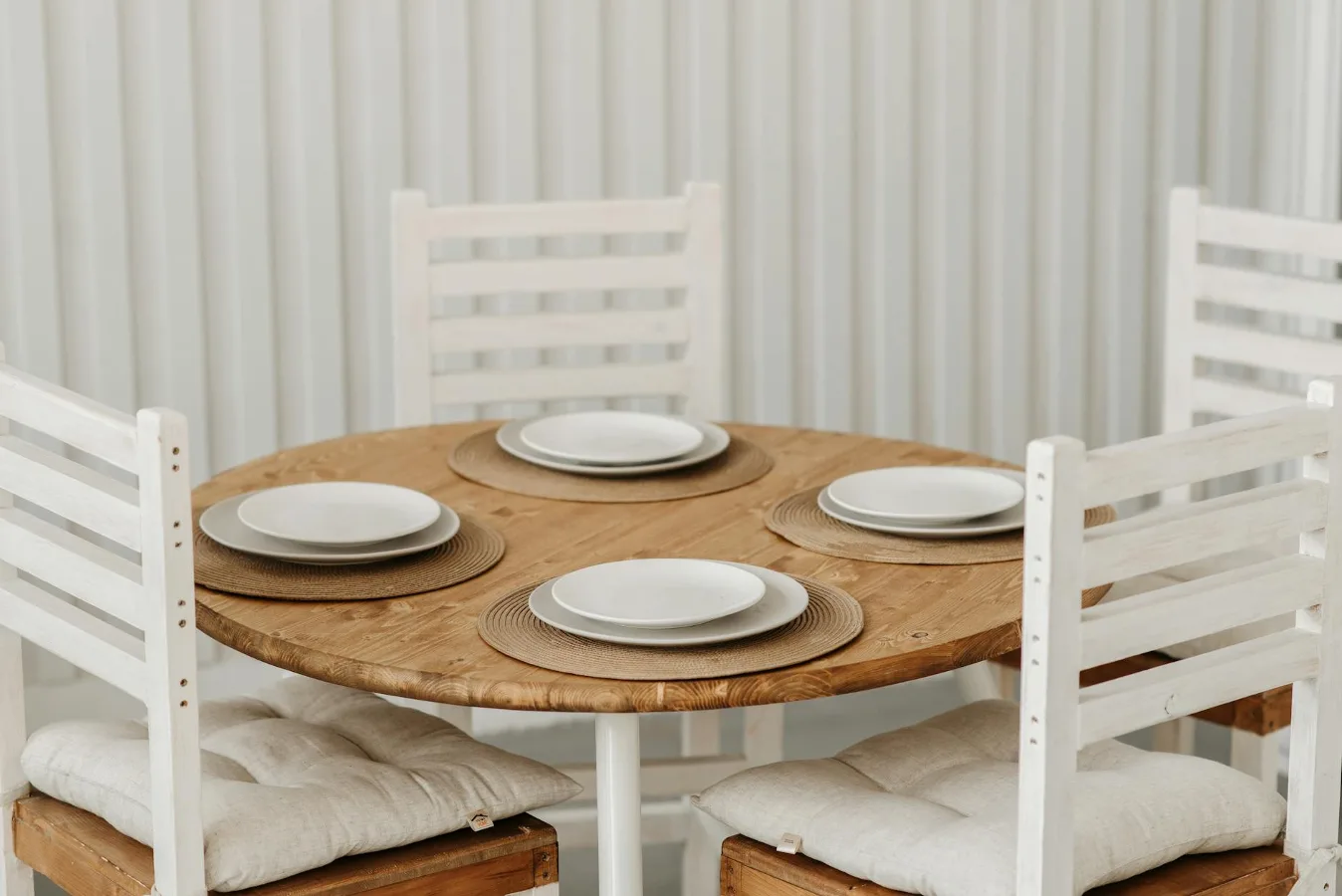
Why white oak is such a popular dining table choice
A white oak dining table appeals to buyers who want a piece that feels substantial, ages well, and works in more than one design style. The draw is not just appearance. White oak has a reputation for a balanced look: visible grain, a natural warmth, and a finish that can feel casual or refined depending on the table shape and base.
For many shoppers, the appeal is practical as much as visual. A dining table has to handle daily use, spills, chair movement, and changing decor. White oak is often chosen because it can fit into modern, transitional, farmhouse, Scandinavian, and classic interiors without looking overly trendy.
If you are comparing dining tables, the main question is usually not whether white oak looks good. It does. The real decision is whether the construction, finish, size, and style suit your household, your room, and how you actually use the table.
What matters most before you buy
White oak tables can vary a lot in quality and feel, even when they look similar in photos. Start with the factors that affect everyday use, not just the finish color.
Construction and wood type
Not every table described as a white oak dining table is built the same way. Some use solid white oak for the top, apron, and legs. Others combine white oak veneer over engineered wood. Veneer can still be a good option if it is well made, but it changes how the table responds to wear and refinishing. Solid wood is often preferred for its traditional feel and repair potential, while veneer can offer more stability in certain constructions. wood finish options for dining furniture offers more detail on this point. Oval Wood Dining Table Buying Guide offers more detail on this point. solid wood dining table options offers more detail on this point.
Look closely at the product details. Terms like solid wood, white oak veneer, and oak-finished do not mean the same thing. That distinction matters when you care about longevity, refinishing options, and how the surface will age.
Shape and room layout
The table shape should follow your room, not just your preference. Rectangular white oak dining tables work well in longer dining rooms and open-plan spaces. Round or oval tables can soften a room and improve flow in tighter layouts. An extendable table may make sense if you host occasionally but do not want a larger footprint every day.
Shape also affects conversation and seating. Round tables encourage a more compact, social arrangement. Rectangular tables usually seat more people more efficiently and tend to work better with benches or multiple chair styles.
Finish and tone
White oak can be left light and natural, warmed slightly, or deepened with darker finishes. The finish changes both the mood and the upkeep. A matte or natural-looking finish often feels relaxed and contemporary. A richer stain can make the table feel more formal, but it may show scratches, dust, or crumbs differently depending on the sheen.
One overlooked point: the finish can influence how well the table blends with your floors and cabinets. White oak’s grain is noticeable enough that a poorly matched tone can feel accidental rather than intentional. If your room already has wood floors or cabinetry, compare undertones in daylight before choosing.
Edge profile and base design
The edge and base may sound like small details, but they change the entire character of the table. A softened edge feels more casual and can be easier on elbows and small children. A sharper edge looks cleaner and more tailored, but it may feel less forgiving in daily use.
The base matters for legroom and chair placement. Pedestal bases can improve flexibility for seating, while trestle bases offer a grounded, architectural look. Four-leg tables are straightforward, but the leg placement can affect how many people you can seat comfortably.
Practical benefits of white oak for dining spaces
White oak is popular for reasons that go beyond style trends. It gives buyers a balance of durability, warmth, and versatility that is hard to ignore.
- Versatility: It works across several design styles, from rustic to modern.
- Visual texture: The grain adds interest without feeling busy.
- Long-term appeal: A white oak table usually does not feel tied to one passing trend.
- Everyday practicality: The material and finish options can suit busy households.
- Repair potential: In some constructions, surface wear can be refreshed more easily than with synthetic materials.
That said, white oak is not a magic solution. It still needs care, and the best outcome depends on how the table is built and finished. A well-designed table in a less expensive wood can outperform a poorly built white oak table in daily use.
Common trade-offs buyers should think about
Commercial search intent often leads people to compare appearance and durability, but the real trade-offs are usually more nuanced.
Solid wood versus veneer
Solid white oak can feel like the premium choice, but it may respond more to humidity changes than a veneered top. Veneer over a stable core can reduce some movement concerns and sometimes improves consistency across a wide tabletop. The trade-off is that refinishing or sanding must be handled more carefully.
If you expect heavy wear, think about what kind of damage you are most trying to avoid. If the concern is dents and surface marks, solid wood may offer more repair flexibility. If the concern is warping or consistency in a large table, a well-made veneer construction may be a practical alternative.
Natural character versus uniform appearance
White oak grain is part of the appeal, but not everyone wants visible variation. Boards can differ in tone and grain pattern, especially in a natural finish. That variation helps the table look authentic, but it may not suit someone who wants a very clean, nearly uniform surface.
A common misconception is that a more natural-looking finish automatically means higher quality. In reality, the finish style and the construction quality are separate decisions. A table can look rustic and still be well built, or look sleek and still be flimsy.
Light finishes and maintenance expectations
Lighter finishes are popular because they feel airy and modern, but they can make daily marks more noticeable. Darker finishes can sometimes hide certain blemishes better, though they may also show dust and fingerprints in a different way. The best finish depends on how often the table will be used for meals, homework, work-from-home tasks, and craft projects.
How to choose the right white oak dining table for your home
Use your room and routine as the decision filter. A beautiful table that crowds the room or complicates seating quickly becomes frustrating.
Start with size and clearance
Measure the room, then measure the circulation space around the table. Chairs need room to pull out, and people need room to walk behind seated guests. In a compact dining area, a slightly smaller table with a better shape can feel more spacious than a larger table that dominates the room.
Consider how many people you want to seat most of the time, not just on holidays. If your everyday use is for four people and you occasionally host six, an extendable table can be more sensible than buying a permanently large one.
Match the table to your lifestyle
Households with young children, frequent guests, or daily multitasking needs usually benefit from easy-clean finishes and sturdy construction. If the dining table is mostly for formal meals, you may prioritize a more refined silhouette or a more delicate edge profile.
Think about whether the table will double as a desk, puzzle station, homework area, or serving surface. That matters because white oak tables are often purchased for the dining room but used like utility furniture.
Choose a tone that fits the rest of the room
White oak pairs well with many materials, but the room still needs visual balance. It can look sharp with black metal, upholstered chairs, boucle seating, leather, or painted case goods. It can also work with more traditional styling when the shape is classic and the base is substantial.
If your room already includes a lot of wood, avoid assuming that all wood tones will blend naturally. White oak can either unify a room or create a mismatch, depending on undertone and finish.
Think about chair compatibility
Table height, apron depth, and leg position all affect which chairs work best. Wide chair arms may bump into an apron or table legs. A pedestal table can solve some seating issues, but it may not suit every base style or room size. Before buying, check the actual clearance under the table and the space between legs.
Styling a white oak dining table without making the room feel predictable
White oak is flexible, which is useful, but it can also disappear into a room if everything else is equally neutral. The goal is to create contrast, texture, or shape so the table feels intentional.
- Use mixed materials: Pair the table with upholstered chairs, woven seats, or metal accents.
- Add contrast thoughtfully: Dark chairs, black lighting, or textured rugs can keep the room from feeling flat.
- Consider the table base: A pedestal or trestle base can become a visual feature on its own.
- Keep the centerpiece flexible: A simple bowl, vase, or runner usually works better than crowded decor.
One practical nuance: white oak often looks best when the rest of the room is not competing with it. If the table has strong grain or a prominent base, avoid overloading the space with other busy patterns.
Care and maintenance expectations
Care depends on the finish and construction, but most buyers should expect basic routine maintenance rather than special treatment. Use placemats or coasters where practical, wipe spills promptly, and avoid harsh cleaners that may damage the finish.
Dust and everyday residue are easier to manage when handled regularly. For deeper care, always follow the manufacturer’s recommendations, since different finishes may respond differently to wood-safe products. A matte finish may need a gentler approach than a more sealed, glossy surface.
If you want low-maintenance furniture, ask yourself whether you are comfortable with the natural signs of use. A dining table often develops a lived-in character over time. For some buyers, that is part of the appeal. For others, it becomes a source of frustration.
Alternatives worth considering if white oak is not the best fit
White oak is a strong all-around choice, but it is not the only sensible option. If your priorities are different, another material or construction may fit better.
- Walnut: Often chosen for a darker, richer look with a more dramatic feel.
- Maple: Can suit buyers looking for a lighter, smoother appearance.
- Oak with a different finish: A different tone may better suit your room if undertones are the main issue.
- Engineered wood with quality veneer: Can be a practical option when stability and price matter more than refinishing potential.
Alternatives are worth considering if you care more about a very specific color match, maximum scratch concealment, or a lower-cost entry point. The best dining table is the one that matches your actual room and routines, not just the material people recommend most often.
Common mistakes to avoid
White oak dining tables are straightforward to shop for once you know what to watch for, but a few mistakes come up often.
- Ignoring scale: A table that looks great online may overwhelm the room in person.
- Overlooking leg placement: Bad leg geometry can make seating awkward.
- Choosing finish by photo alone: Wood tone changes with light, screen settings, and surrounding colors.
- Assuming all white oak is solid wood: Construction details matter more than the label alone.
- Forgetting everyday use: A formal-looking table may not suit a busy household.
The biggest mistake is buying for the catalog image instead of the room. A white oak dining table should feel proportionate, comfortable, and easy to live with.
How to decide if white oak is the right buy
Choose white oak if you want a dining table that can feel warm, durable, and design-friendly without being overly trend-driven. It is especially appealing if you want a natural wood look that can adapt as your decor changes.
It may not be the best fit if you need a very dark finish, want the lowest possible maintenance, or need a surface that must hide wear with minimal effort. In those cases, another material or finish may serve you better.
A good rule of thumb is simple: the right white oak dining table should suit your room size, your chair setup, your finish preferences, and your tolerance for natural wood variation. If those factors line up, it is often one of the most dependable choices for a dining room.
FAQ
Is a white oak dining table good for everyday use?
Yes, provided the table is well built and finished appropriately. White oak is often chosen for everyday dining because it offers a balance of strength, style, and versatility.
Does white oak show scratches easily?
It can show wear depending on the finish, sheen, and amount of use. Lighter finishes and matte surfaces may make some marks more visible, while heavier use can leave natural signs of aging over time.
Should I choose solid white oak or veneer?
Choose based on priorities. Solid white oak is often preferred for refinishing potential and traditional appeal, while veneer can be a smart option if you want a stable surface and a lower-maintenance construction.
What chair styles work with a white oak dining table?
Many styles work well, including upholstered chairs, woven seats, and metal-frame chairs. The best choice depends on the table base, apron clearance, and the overall look you want.
How do I keep a white oak dining table looking its best?
Use coasters and placemats when practical, clean spills promptly, and follow the care instructions for the finish. Gentle routine care usually matters more than occasional deep cleaning.