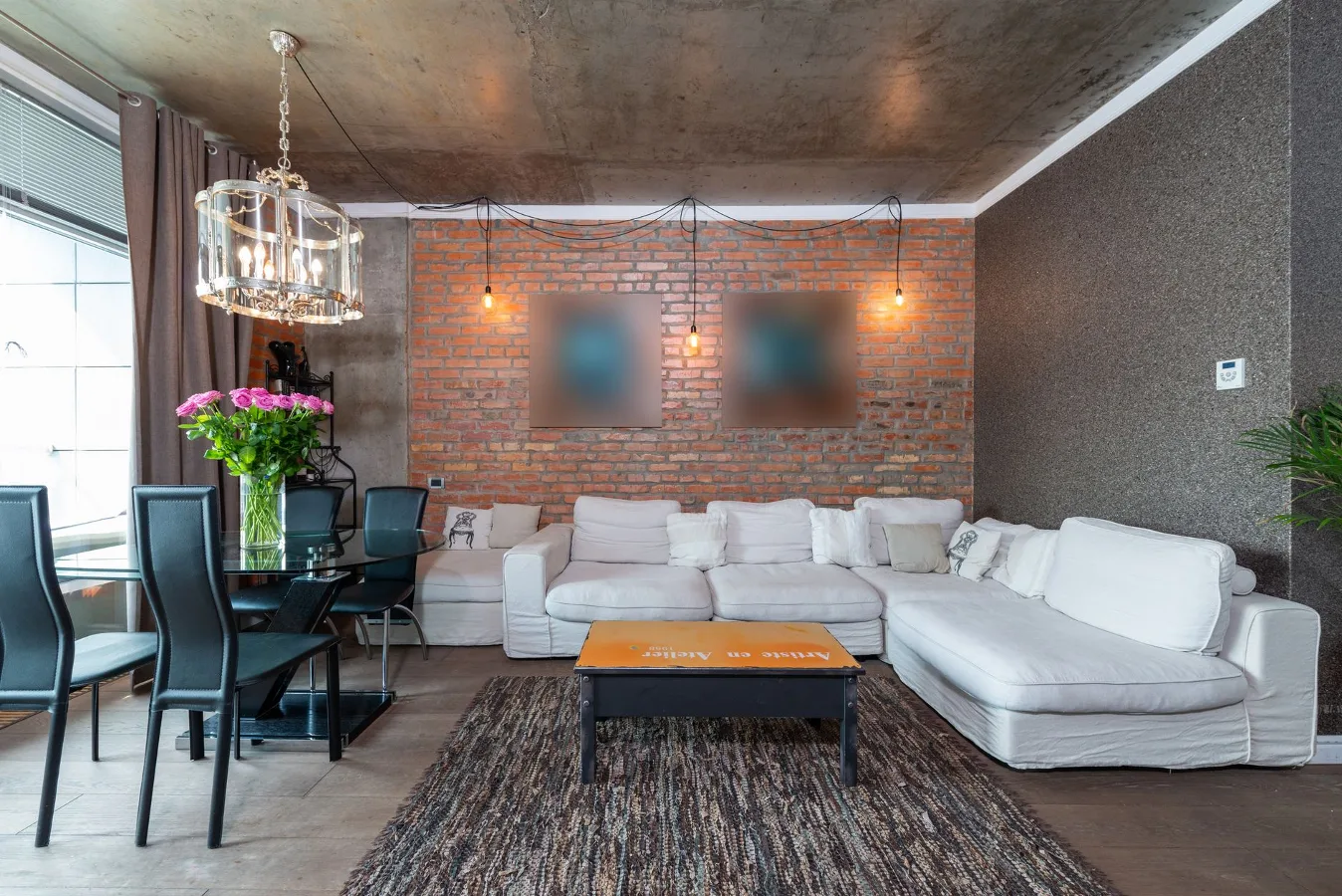
A concrete dining table makes sense when you want a dining piece that feels architectural, substantial, and visually grounded. It is especially appealing in modern, industrial, minimalist, and mixed-material interiors, but it is not a casual purchase. Weight, finish, sealing, room layout, and day-to-day maintenance all matter more than they do with a typical wood or veneer table. stone dining table offers more detail on this point. modern dining table set for 6 offers more detail on this point.
If you are comparing options, the most important question is not whether a concrete dining table looks good in photos. It is whether the table fits your space, your floor, your seating plan, and the way your household actually uses the dining area. That is where many buyers get tripped up: a concrete table can be beautiful, but it can also be difficult to move, more demanding to maintain, and less forgiving in small or frequently rearranged rooms.
When a concrete dining table makes the most sense
A concrete dining table is a strong choice if you want the dining area to feel permanent, grounded, and design-forward. It works well as a focal point in open-plan homes, loft-style interiors, and rooms where the table is meant to anchor the space rather than disappear into it. statement tables for open-plan rooms offers more detail on this point.
This type of table is often a better fit than wood or glass when you want visual mass and a surface that feels distinct from standard dining furniture. It also pairs naturally with materials such as oak, walnut, linen, leather, steel, and boucle, which makes it useful in mixed-material design schemes.
Where it is less ideal is in homes that rely on frequent rearrangement, tight stairways, delicate flooring, or households that need a lighter, more forgiving table. The material itself is only part of the decision; the practical footprint matters just as much.
What to evaluate before you buy
Weight and placement
Concrete is heavy by nature, and that changes the buying process. A table that looks manageable online may be difficult to carry through a narrow hallway, around a corner, or up stairs. Before buying, think through delivery access, room entry points, and the final location of the table.
Weight also affects flexibility. If you like to reconfigure furniture often, host events in different parts of the home, or plan to move soon, a concrete dining table may be more commitment than you want. For many buyers, that permanence is part of the appeal. For others, it is a hidden limitation.
Finish and surface texture
The finish affects both appearance and upkeep. A smoother sealed surface usually feels more formal and is easier to wipe down, while a textured or honed finish can emphasize the material’s character but may show marks differently. Small variations in surface tone are common in concrete furniture, and that is part of the look rather than a flaw.
It helps to decide whether you want the table to read as refined and polished or as intentionally raw. That choice influences how the piece works with your chairs, lighting, and overall room style.
Sealing and stain resistance
One of the most overlooked considerations is sealing. Concrete can be porous, so a proper seal matters if the table will be used for meals, drinks, and everyday family traffic. A sealed concrete dining table is usually easier to live with than an unsealed one, especially in households that use sauces, wine, coffee, or oily foods regularly.
Even with sealing, concrete is not a maintenance-free surface. The right mindset is to treat it as durable but not invincible. Quick cleanup still matters, and coasters, placemats, and trivets are sensible habits rather than optional extras.
Edge profile and comfort
Many buyers focus on slab thickness and forget the edge profile. That is a practical mistake. Square, sharp-looking edges can be visually striking, but they may feel less comfortable at seated height, especially for children or in tighter dining layouts. Softer edges or lightly eased corners often make a table easier to use every day.
Comfort also depends on how the base is shaped. A pedestal base may improve legroom, while a substantial plinth or monolithic base can reduce flexibility for seating. If you entertain often, check how many people can actually sit comfortably without fighting the structure underneath.
Flooring and room compatibility
Concrete tables are not only heavy; they are also demanding on floors if the base is not properly protected. Hardwood, luxury vinyl, tile, and polished concrete floors each have different sensitivities. Felt pads, glides, or other protective supports are worth confirming before purchase.
The room itself matters too. In a small dining nook, the visual heft of concrete can dominate the space. In a larger room, that same heft can be exactly what makes the table feel intentional. Scale is the difference between a statement piece and a room that feels crowded.
Why buyers choose concrete over other materials
Concrete dining tables are often chosen for their visual character as much as for their durability. They bring a grounded, substantial look that works especially well in contemporary interiors. Unlike glossy surfaces, concrete tends to feel more matte and tactile, which can make a room feel calmer and less reflective.
Compared with glass, concrete offers more visual presence and less concern about fingerprints and constant wiping. Compared with many wood finishes, it can offer a more architectural look and less obvious pattern matching. Compared with metal, it usually feels warmer and more livable in a dining setting.
That said, concrete is not the universal best choice. It can be less forgiving than wood when it comes to impact, and it is usually harder to move. If you want a table that is easy to rehome later, a lighter alternative may be smarter.
Common trade-offs to think through
- Durability versus portability: Concrete feels substantial and stable, but that same quality makes it difficult to move.
- Statement value versus flexibility: The table can define a room, but it may limit how easily you change the layout later.
- Easy upkeep versus careful upkeep: A sealed surface can be practical, but it still needs sensible daily care.
- Visual impact versus softness: The material can add drama, but it may need softer chairs, textiles, or lighting to keep the room balanced.
- Natural variation versus uniformity: Surface differences can add character, but buyers wanting a perfectly consistent look may prefer another material.
Step-by-step criteria for choosing the right one
- Measure the room and circulation space. Leave enough room for chairs to pull out comfortably and for people to pass without squeezing around the table.
- Decide how permanent the table should be. If the room layout may change often, think carefully about the practical burden of a heavy piece.
- Choose the shape based on use. Rectangular tables suit longer rooms and larger gatherings. Round or oval versions can soften the look and improve flow in tighter spaces.
- Inspect the finish and sealing approach. Confirm whether the surface is sealed and how the manufacturer recommends cleaning it.
- Check the base design. Make sure there is enough knee and leg clearance for the chairs you plan to use.
- Match the table to your seating style. Upholstered chairs, wooden chairs, and metal-frame chairs all create different visual and practical results.
- Plan for floor protection. Confirm that the feet or base are suitable for your flooring type.
- Consider how the room is lit. Concrete absorbs light differently than glossy materials, so the dining area may benefit from layered lighting or a softer fixture overhead.
Examples of where it works well
A concrete dining table can be especially effective in an open-plan living and dining area where the table needs to act as an anchor. In that setting, the material helps define the eating zone without relying on walls or heavy visual cues.
It also works well in minimalist rooms where a single substantial piece does more work than several smaller decorative choices. The table can serve as the visual center while the surrounding pieces stay understated.
Another strong use case is a mixed-material interior. A concrete top with a wood base, or a concrete-style surface paired with warmer chairs, can balance hardness with comfort. That combination often feels more approachable than an all-concrete look.
By contrast, very small dining areas, rental spaces with frequent moves, and homes where furniture needs to be light and adaptable may benefit from a different material. In those situations, the table should support flexibility rather than dominate the room.
Maintenance habits that make the difference
Concrete dining tables usually reward simple, consistent care. Wiping spills promptly is a smart habit, especially around acidic foods or colored liquids. Mild cleaning methods are generally safer than aggressive scrubbing, which can dull the finish over time.
Coasters, placemats, and trivets are useful not because the table is fragile, but because they reduce avoidable wear. That matters if the table will host hot dishes, repeated family meals, or casual entertaining.
Another practical nuance: surface appearance can change subtly with use. For some buyers, that adds character. For others, it is a reason to choose a different material. If you prefer a table that stays visually uniform with very little attention, concrete may not be the best match.
Common mistakes buyers make
- Ignoring delivery logistics: The table may fit the room on paper but still be difficult to get inside.
- Choosing style before scale: A striking design can still overwhelm a small dining area.
- Overlooking chair clearance: Some bases reduce legroom more than buyers expect.
- Assuming all concrete surfaces are alike: Sealing, texture, and finish can vary significantly.
- Forgetting floor protection: Heavy furniture without proper support can create unnecessary damage risk.
- Expecting zero maintenance: Concrete is practical, but it still benefits from regular care.
Alternatives worth considering
If you like the look but not the weight, a concrete-look dining table or a table with a concrete-style top can offer some of the same aesthetic with easier handling. These alternatives may be a better fit for apartments, renters, or households that move furniture often.
If you want warmth and easier upkeep, a wood dining table may be a more versatile choice. Wood is often easier to move, easier to rework stylistically, and more adaptable to changing interiors.
If your main goal is a clean, modern surface, quartz or other engineered materials may offer a different balance of appearance and maintenance. The best choice depends on whether you value material authenticity, lighter handling, or lower daily friction more highly.
A practical checklist before purchase
- Measure doorways, hallways, and stair access before ordering.
- Confirm the table’s final weight and whether professional delivery is needed.
- Check the sealing and cleaning instructions.
- Verify the base allows comfortable seating on all sides.
- Match the table size to the room, not just the number of seats advertised.
- Choose chairs that soften the visual weight of the table.
- Protect the floor beneath the base.
- Decide whether you want a raw, textured look or a smoother, more refined finish.
How to know if it is the right choice
A concrete dining table is a strong buy if you want a durable, design-led centerpiece and you are comfortable planning around its practical demands. It rewards buyers who value presence, texture, and permanence.
It is a weaker choice if you need lightness, mobility, or highly forgiving maintenance. That is the real dividing line. The best concrete dining table is not simply the one that looks most impressive; it is the one that fits the room, the household, and the way the table will actually be used.
For the right space, the material can bring depth and quiet drama that few other dining table options match. For the wrong space, it can become an expensive obstacle. Treat the purchase as a design decision and a usability decision at the same time, and you are far more likely to choose well.