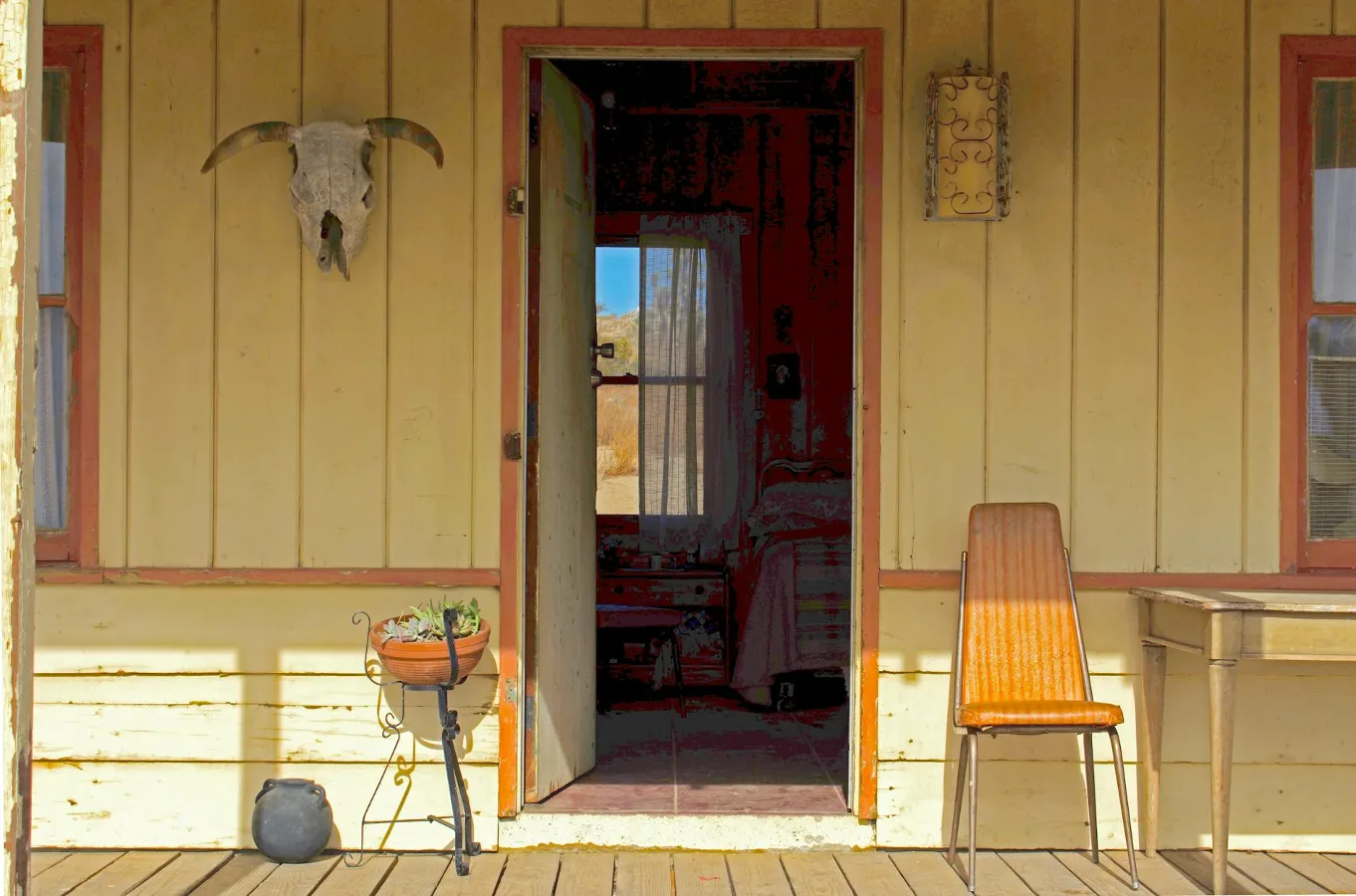
Western home decor is a style built around natural materials, weathered finishes, warm color, and details that suggest ranch life, open landscapes, and traditional craftsmanship. The best versions feel layered and livable, not like a costume set. If you are decorating for a home in the United States and want a western look, the key is choosing a few strong signals—wood, leather, woven textures, iron, earth tones, and heritage-inspired patterns—then keeping the room balanced.
For most shoppers, the main challenge is not finding western pieces. It is deciding how much western style a room can handle before it starts to feel overly themed. That is why the smartest approach is to treat western decor as a design language rather than a checklist of cowboy motifs. Start with the overall mood you want, then build from there.
What defines western home decor
Western decor usually pulls from several related looks: rustic ranch style, Southwestern influence, cabin-inspired warmth, and classic American frontier details. It often includes materials and forms that feel practical rather than polished. Think leather upholstery, reclaimed or distressed wood, wrought iron, stone textures, fringe accents, cowhide patterns, woven textiles, and earthy finishes.
The style can lean in different directions. Some homes use a traditional western look with darker woods and richer textures. Others aim for a softer modern western feel with cleaner lines, lighter neutrals, and fewer decorative objects. Both can work well, but they create very different results.
A common misconception is that western decor has to include obvious cowboy imagery. Hats, boots, saddles, and novelty signs are not required. In fact, overusing those motifs is one of the fastest ways to make a room feel dated or overly literal. Strong western style can be expressed more subtly through material choices, shape, and color.
Key factors to consider before buying pieces
Materials and texture
Western interiors depend heavily on texture. A room with smooth surfaces and little variation will not carry the style well. Look for materials such as wood with visible grain, top-grain or faux leather, wool-like textiles, linen blends, terracotta, ceramic, jute, and metal with matte or hand-finished character.
The practical question is whether a material works for the room, not just whether it looks right. For example, leather can suit a high-use living room because it tends to develop character over time, while a heavily textured woven throw may be better in a low-traffic bedroom where it will not snag as easily. If you have pets, small children, or frequent guests, durability and maintenance matter as much as style.
Color palette and visual weight
Western decor usually sits in a warm, grounded palette. Browns, tans, cream, rust, tobacco, clay, saddle tones, charcoal, deep green, and muted blue are all common. The exact mix depends on the room and how much contrast you want.
Visual weight matters. Dark wood, leather, and patterned textiles can make a room feel rich, but too many heavy elements in one space can make it feel crowded. If your furniture is already substantial, use lighter walls, simpler window treatments, or more open negative space to keep the room from feeling closed in.
Patterns and motifs
Patterns help western decor feel authentic, but they need restraint. Geometric Southwestern motifs, blanket-inspired stripes, subtle animal hide patterns, and woven designs can all fit well. Use one or two strong pattern families, then repeat them intentionally instead of mixing every motif you like.
One overlooked consideration is scale. Large bold patterns can dominate a room, especially in smaller spaces. If you want the western feel without visual overload, choose patterned pillows, a rug, or one statement textile and let the rest of the room support it.
Room size and layout
Western decor often works best when the room has enough visual breathing room. That does not mean it requires a large space, but small rooms need more discipline. Too many chunky pieces, dark tones, and layered accessories can make a compact room feel tighter than it is.
In smaller rooms, focus on a few clear anchors: one substantial wooden piece, a simple neutral base, and one or two accent materials. In larger rooms, you can build more texture and depth without overwhelming the space, but keep circulation and sightlines open.
How to build a western look without making it feel staged
Start with the big surfaces
Before adding decor accessories, look at the largest elements in the room: sofa, bed, rug, curtains, wall color, and main furniture finishes. These elements set the tone more than any small object. If they are too modern and sleek, the room may resist western styling. If they already have warmth and texture, the rest becomes much easier.
A practical rule is to let one or two pieces carry the strongest western identity. For example, a leather sofa, a carved wood console, or a patterned rug can establish the mood without needing every item to match.
Layer texture instead of copying motifs
Western style is strongest when it feels tactile. A woven throw, a distressed wood tray, a ceramic lamp, and a leather accent pillow may seem understated on their own, but together they create a convincing layered effect. That approach usually ages better than relying on novelty items. gold floor lamp offers more detail on this point. vintage floor lamps offers more detail on this point. Vintage Floor Lamp Buying Guide offers more detail on this point.
Try to vary texture across matte, soft, rough, and slightly reflective surfaces. If every object has the same finish, the room flattens out. Texture is what gives western decor its warmth and depth.
Use restraint with themed objects
There is a difference between western-inspired and western-themed. A room can comfortably include horses, longhorn imagery, boots, or rope details, but those elements work best when used sparingly and with intention. One well-chosen statement item often says more than a collection of small decorative nods.
If you want the room to appeal broadly or remain flexible over time, lean toward materials and pattern rather than overt symbols. This also makes it easier to refresh the space later without redoing everything.
Practical solutions for common rooms
Living room
The living room is often the easiest place to introduce western home decor because it can handle a mix of strong materials and layered accents. A leather or leather-look sofa, a natural fiber rug, reclaimed wood tables, and a few patterned pillows can establish a solid base.
For balance, avoid making every surface rustic. If the furniture is heavily textured, keep lamps, wall art frames, or curtains simpler. If your sofa is modern and streamlined, bring in western character through a woven rug, rustic accent table, or artwork with desert and ranch references.
Bedroom
Bedrooms benefit from a softer version of western style. Heavy visual texture still works, but comfort should lead the decisions. Bedding in warm neutrals, a wood bed frame, a wool-like throw, and a pair of simple bedside lamps can create the right atmosphere without feeling busy.
Bedrooms are also where people often overdecorate. A few strong choices are usually enough. If your headboard is substantial or your bedding has a strong pattern, keep the wall decor quieter. The room should feel restful first and decorative second.
Dining area
Western decor fits naturally in dining spaces because wood and handcrafted details feel appropriate there. A substantial table, chairs with simple silhouettes, and a pendant light with an iron or aged-metal finish can anchor the room. Add a runner, pottery, or woven place settings if you want more warmth.
Try not to overmatch everything. A dining room becomes more interesting when it includes a mix of tones and finishes, as long as the palette stays cohesive.
Entryway or hallway
These transitional areas are ideal for subtle western touches. A narrow wood console, a mirror with a weathered frame, a bench, or a simple woven basket can create an immediate sense of place without requiring a large investment.
Because these spaces are often limited in size, edit carefully. Choose one strong focal point and a few useful supporting pieces rather than filling every wall or corner.
What to prioritize when shopping
If you are comparing western decor items online or in stores, focus on a few practical dimensions rather than the label alone:
- Material quality: Does the piece look and feel like it will hold up in daily use?
- Finish and texture: Does it complement your existing furniture, or will it clash?
- Scale: Will it suit the size of your room and the other pieces around it?
- Maintenance: Can you realistically clean or care for it?
- Flexibility: Can it work if your style evolves beyond western decor?
One practical nuance many shoppers miss is that some pieces read as western only because they are paired with other western items. A single object may look generic in isolation. Before buying, picture where it will live and what it will sit next to. Context matters more than product photography.
Common mistakes to avoid
- Using too many literal symbols. Horses, boots, stars, and rope details can become repetitive fast.
- Ignoring comfort for style. Western decor should still work for everyday living.
- Mixing too many rustic substyles. Ranch, cabin, Southwestern, and farmhouse can blend, but only if the palette stays controlled.
- Choosing matching sets. A room often feels more authentic when pieces look collected over time.
- Overloading small rooms. Heavy furniture and dark finishes need visual relief.
The most common styling error is not the wrong decor piece, but the wrong ratio. A little western character goes a long way if the room already has strong architectural features or distinctive furniture.
Western decor versus related styles
Western decor is often compared with farmhouse, rustic, and Southwestern styles, and the overlap can be useful. The differences are mostly in emphasis.
| Style | Main feel | Typical look | Best use |
|---|---|---|---|
| Western | Ranch-inspired, grounded, heritage-driven | Leather, wood, iron, earthy neutrals, statement textiles | Living rooms, dens, entryways, dining spaces |
| Rustic | Natural and weathered | Rough textures, aged wood, simple forms | Any room needing warmth and informality |
| Farmhouse | Light, approachable, relaxed | Painted finishes, pale neutrals, practical furnishings | Kitchens, family rooms, casual bedrooms |
| Southwestern | Desert-inspired and pattern-rich | Geometric motifs, terracotta tones, woven textiles | Rooms that can support more color and pattern |
If you like the western look but want something quieter, borrowing from rustic or farmhouse styles can soften the result. If you want more personality and regional character, Southwestern influences can add depth. The best choice depends on how bold you want the space to feel.
How to decide what actually belongs in your home
Start with what you already have. If your furniture is dark and heavy, you may only need a few lighter textiles and wall pieces to make the room feel intentional. If your space is minimal and modern, you may need one or two grounding materials before the western style shows up at all.
A useful decision test is this: does the piece help the room feel more layered, more comfortable, or more coherent? If it only adds a theme, it may not be worth buying. Western home decor works best when it improves the room first and signals style second.
For shoppers building a home over time, prioritize versatile items that can move between rooms. A good rug, a neutral throw, a wood side table, or a simple textured lamp often has more long-term value than novelty accents tied to one seasonal idea.
FAQ
What colors work best for western home decor?
Warm neutrals usually form the base: cream, tan, brown, rust, clay, charcoal, and muted green. You can add deeper accent colors, but the palette should still feel earthy and grounded.
Can western decor look modern?
Yes. Modern western decor usually reduces the number of motifs and focuses on shape, texture, and restrained color. Clean-lined furniture paired with wood, leather, or woven accents can create that balance.
What is the easiest way to start decorating in western style?
Begin with one anchor piece, such as a rug, sofa, bed frame, or wall art, then add supporting textures. Starting with too many small items often makes the room feel scattered.
How do I keep western decor from looking too themed?
Limit the obvious symbols and focus on materials, color, and texture. A room feels more authentic when the western influence is subtle and integrated rather than repeated everywhere.
Does western decor work in small spaces?
It can, as long as the room is edited carefully. Use fewer large pieces, keep the palette lighter where possible, and choose one or two strong accents instead of layering too many heavy elements.
Western home decor is most successful when it feels collected, practical, and lived-in. If you focus on natural materials, thoughtful scale, and a restrained use of motifs, you can create a room that feels rooted in the style without being limited by it.