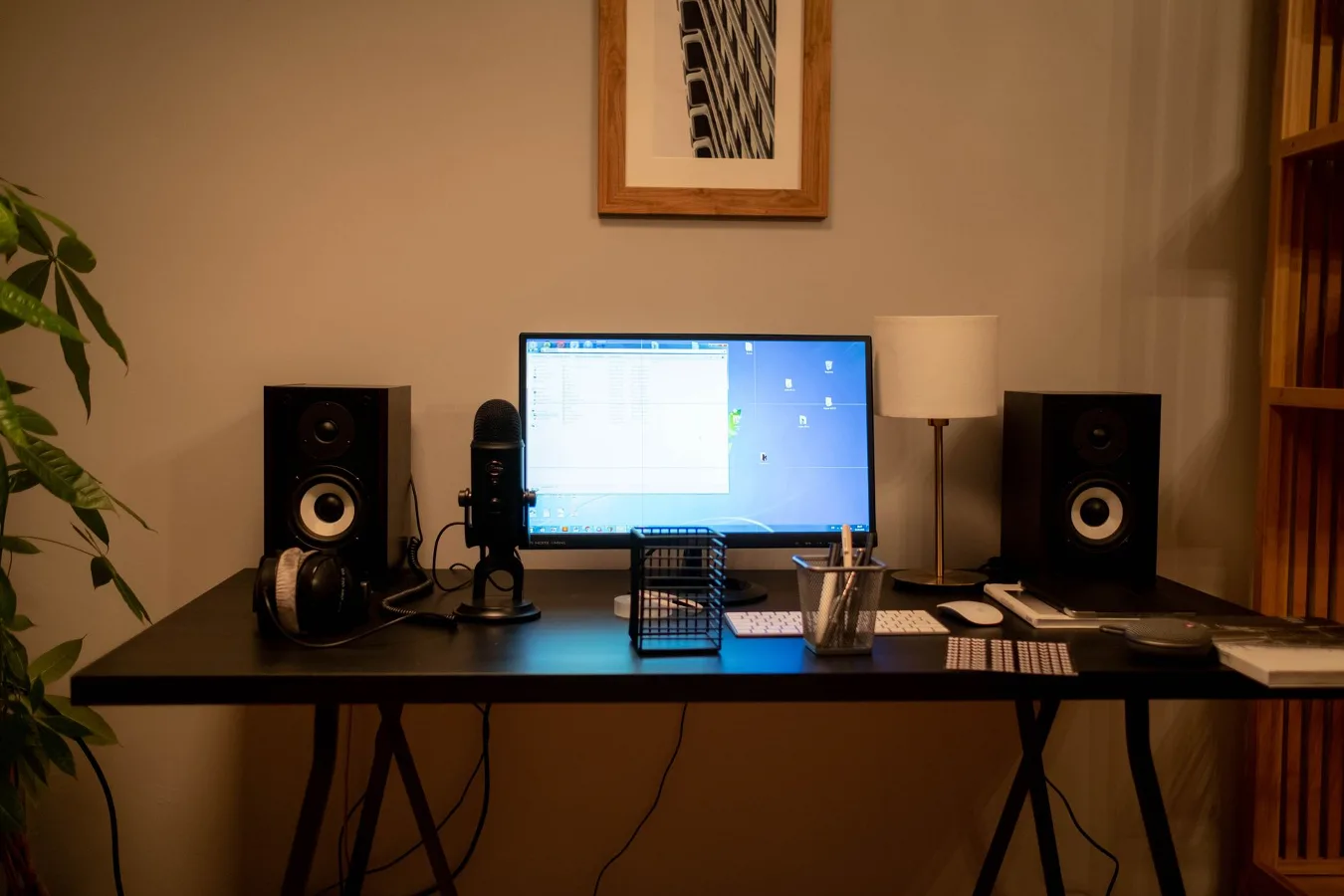
Quick answer: is a Walker Edison computer desk a good fit?
A Walker Edison computer desk can be a smart choice if you want a style-forward desk that works well in a home office, bedroom corner, apartment, or multipurpose room. The brand is often associated with contemporary, practical furniture, so the appeal is usually a mix of visual design, compact footprint, and everyday usability. best furniture for apartment work areas offers more detail on this point. under desk computer mount offers more detail on this point. Solid Wood Computer Desk Buyer Guide offers more detail on this point.
The right choice depends less on the name on the box and more on how the desk matches your room, your equipment, and how you actually work. If you need a desk for a laptop, paperwork, and light storage, this category can make sense. If you need heavy-duty support for multiple monitors, oversized gear, or a highly adjustable ergonomic setup, you should compare the specific desk design carefully before buying.
The fastest way to judge a Walker Edison computer desk is to look at four things: the footprint, the work surface layout, the storage style, and whether the design fits the room’s traffic flow. That matters more than the aesthetic alone.
What makes this desk category appealing
Walker Edison desks are often chosen for their balance of modern styling and practical everyday use. That combination makes them especially relevant for shoppers who want furniture that looks intentional in a living space, not just utilitarian office equipment.
The main advantages usually come from how these desks fit into common real-world spaces:
- Compact layouts: useful for apartments, bedrooms, and corners where a full office setup would feel too large.
- Versatile styling: easier to blend with contemporary, transitional, or minimalist interiors.
- Simple functionality: suitable for laptop work, homework, bills, creative work, and general computer use.
- Space efficiency: many buyers want a desk that serves a purpose without visually dominating the room.
That said, a good-looking desk is not automatically the best desk for every workflow. The most common mistake is buying for the finish and shape first, then realizing the desk is awkward for your chair, monitor, printer, or cable setup.
How to compare Walker Edison computer desks
If you are comparing options in this category, start with use case rather than style. A desk that works for occasional laptop use may feel cramped for a full workday. A desk that looks clean in a product photo may not leave enough room for the items you use daily.
1) Size and footprint
Measure the room before you shop. That sounds obvious, but it is where many buyers run into trouble. Consider not just the desk width and depth, but also the space needed to sit comfortably, pull out a chair, and move around it.
A narrower desk can work well in a small room, but it may limit monitor placement and leave little surface area for notebooks or accessories. A deeper desk gives you more breathing room, which is helpful if you use an external keyboard, a monitor stand, or reference materials.
One overlooked detail is the relationship between desk depth and seating. A shallow desk may fit the wall well but still feel awkward if your chair position puts you too close to the screen.
2) Surface layout
Some desks prioritize a clean open top, while others include shelves, drawers, side compartments, or a return-style layout. The best choice depends on whether you want a minimalist workspace or a more organized command center.
An open surface is easier to personalize and usually gives you more freedom to arrange equipment. Built-in storage can reduce clutter, but it may also limit how you place larger items like a printer or docking station. If you tend to spread out when working, a cleaner top often feels more flexible than a desk with fixed compartments.
3) Storage needs
Think through what actually needs to live at the desk. If you mainly use a laptop and a notebook, heavy storage may be unnecessary. If you need paper files, charging accessories, pens, headphones, and office supplies, storage becomes much more important.
Storage is useful, but more storage is not always better. Extra shelves and drawers can reduce legroom or make the desk feel busier in a small space. A good rule is to match the desk’s storage to the items you use weekly, not the items you might keep “just in case.”
4) Materials and finish
In this category, the finish matters for both appearance and maintenance. Many buyers want a wood-look surface or a modern mixed-material design that can hold up visually in a home setting. The practical question is how the finish will behave in daily use.
Look for a surface that fits your tolerance for fingerprints, dust, and occasional spills. Darker finishes can feel polished, but they may show dust more easily. Lighter finishes can brighten a room, though they may need more attention to keep looking clean. If the desk will sit near sunlight, think about how much fading or visual wear you are comfortable with over time.
5) Stability and everyday feel
A desk does not have to be heavy to feel stable, but it should feel secure during normal use. If you type frequently, write by hand, or move equipment around, stability matters more than a dramatic design feature.
For most shoppers, the practical test is whether the desk seems suited to their routine. A lightweight desk may be fine for laptop work in a low-traffic room. A more substantial setup may be a better fit if the desk will hold a monitor, office chair, lamp, and accessories all at once.
Best use cases for a Walker Edison computer desk
This desk category tends to make the most sense in a few specific settings.
- Apartment home office: when you need a real workspace without giving up too much floor area.
- Bedroom workstation: when the desk must look good alongside other furniture and stay visually light.
- Student setup: when the desk needs to handle study sessions, a laptop, and school supplies.
- Hybrid work nook: when you split time between office tasks, personal computer use, and household admin.
- Minimalist workspace: when you want a cleaner layout without a bulky executive desk.
These desks are usually less compelling for buyers who need a highly specialized ergonomic station, a very large dual-monitor setup, or maximum heavy-duty storage. In those cases, you may want to compare larger office desks, modular storage systems, or a standing desk platform depending on your needs.
Common mistakes to avoid before buying
Most regret around computer desks comes from mismatched expectations. The desk itself may be fine, but not for the way the room is actually used.
Buying only for style
A sleek profile can be appealing, but a desk should serve your workflow first. If the surface is too small, the setup will feel cluttered even if the furniture looks great in photos.
Ignoring chair clearance
People often measure the desk and forget the chair. Make sure you have enough legroom and enough room to pull the chair in and out without bumping nearby furniture.
Forgetting cable management
Even simple computer setups create cords. If the desk has no obvious cable path, cords can quickly make the workspace look messy. Plan for a power strip, charger placement, and where the monitor cable will run.
Underestimating storage trade-offs
Drawers and shelves are helpful, but fixed storage can reduce flexibility. A desk that looks organized in a listing may not be the best fit if your equipment is bulky or you change layouts often.
Not thinking about the room as a whole
In a living room or bedroom, the desk is part of the furniture mix. A good fit is one that supports the room’s visual balance, not just the work task. A desk that feels oversized can make a small room feel crowded fast.
Better-fit alternatives if this style is close but not quite right
If you like the general direction of a Walker Edison computer desk but are unsure about the exact setup, it helps to compare a few nearby categories.
- Writing desk: a better fit if you mainly use a laptop and want a simpler profile.
- L-shaped desk: useful when you need extra surface area for monitors, peripherals, or paperwork.
- Standing desk: worth considering if adjustability is a priority.
- Console-style desk: a good option for very narrow spaces or hallways where depth is limited.
- Desk with hutch: useful if vertical storage matters more than open floor space.
Choosing between these styles is less about which one is “best” overall and more about which one fits your habits. A compact desk with a neat profile is ideal for some rooms and frustrating in others.
Who should be cautious
A Walker Edison computer desk may not be the best first choice if you need maximum load confidence, a highly adjustable work surface, or a desk that will anchor a full-scale office setup with multiple large accessories. The more your work resembles a technical workstation, the more careful you should be about dimensions, storage access, and overall structure.
You should also be cautious if your room has unusual layout constraints. Tight door swings, baseboards, angled walls, vents, and low outlets can all affect how usable a desk feels once it is assembled. In small spaces, the real limitation is often not the desk size on paper, but how it interacts with the rest of the room.
Practical buying checklist
Before you choose a model, work through this simple checklist:
- Measure the available wall or corner space.
- Confirm chair clearance and legroom.
- Decide whether you need open surface area or built-in storage.
- Think about your cable setup and power access.
- Match the finish to the room’s lighting and existing furniture.
- Consider whether your current or future equipment may need more room.
If you can answer those points clearly, you are much more likely to choose a desk that feels right for everyday use rather than just for the product page.
Final take
A Walker Edison computer desk is usually most appealing for shoppers who want a practical, attractive desk that works in real homes rather than a strictly office-style environment. The best version for you will depend on how much surface area you need, how much storage you want, and how the desk fits with your room layout.
If you shop with measurements and workflow in mind, this category can be a solid match. If you skip those details, even a well-designed desk can end up feeling cramped, cluttered, or out of place.