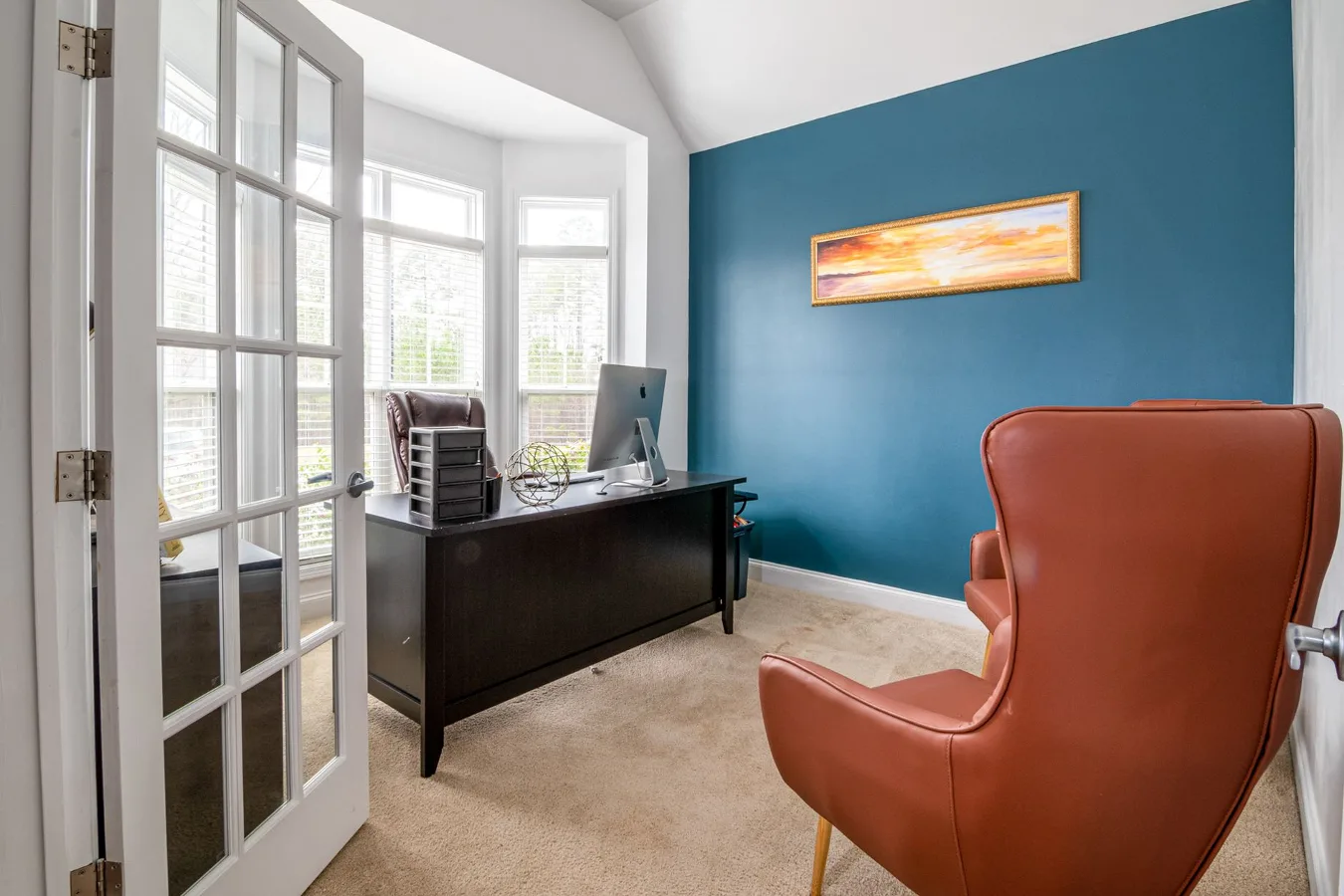
When a genuine leather office chair makes sense
A genuine leather office chair is worth considering if you want a seat that feels more refined than standard fabric upholstery and can fit naturally in a home office, executive office, or client-facing workspace. It is not automatically the best choice for every user, but it can be a strong option when appearance, long-term wear, and everyday comfort all matter. executive furniture for a polished workspace offers more detail on this point. executive leather office chair offers more detail on this point.
The phrase genuine leather is often used broadly, so the first decision is to look past the label and focus on the full chair. Upholstery quality matters, but so do the frame, cushioning, armrests, tilt mechanism, casters, and overall fit. A well-built chair with modest leather can be more useful than a premium-looking chair with poor support.
For commercial search intent, the real question is usually not whether leather looks good. It is whether a genuine leather office chair suits your work habits, climate, maintenance tolerance, and seating needs better than mesh, fabric, or bonded leather alternatives.
What to check before you buy
Leather type and what the label really means
Not all leather upholstery performs the same way. A chair described as genuine leather may still vary widely in feel and durability depending on the grade and how much of the chair is actually covered in leather. Some chairs use leather on the seating surfaces and a matching material on the sides or back. Others use leather only where it is most visible.
That is not automatically a drawback, but it is something to understand before comparing prices. If you want the look and tactile feel of leather, ask whether the chair uses top-grain leather, split leather, or a mixed construction. If the listing is vague, be cautious and look for clearer material descriptions.
Support matters more than appearance
A common mistake is to choose a chair mainly for the upholstery and ignore posture support. A genuine leather office chair should still provide the fundamentals: stable lumbar support, a seat depth that fits your legs, a backrest that matches your working posture, and adjustability that suits your desk height. how to choose the right desk chair offers more detail on this point.
If you sit for long stretches, test whether the chair supports the lower back without forcing you forward. Leather can feel substantial and polished, but that does not guarantee ergonomic design. A beautiful chair that encourages slouching is usually a poor value.
Cushioning and seat feel
Leather upholstery changes how a chair feels over time, but the cushioning underneath is what you experience first. Some chairs feel firm and supportive; others feel plush at first and then compress too quickly. What you want depends on your body and work style.
If you prefer an upright posture, a firmer seat can help. If you move around frequently or use the chair for shorter sessions, a softer cushion may feel more inviting. The key is balance: too soft and you may sink; too firm and the chair can become tiring.
Climate and everyday comfort
Leather can feel less breathable than mesh or many woven fabrics, especially in warm rooms or during long workdays. That does not make it a bad choice, but it is a practical limitation worth acknowledging. In cooler offices, leather often feels more comfortable and visually cohesive. In hotter environments, it may trap more heat and require more frequent breaks or better room cooling.
If your workspace gets warm, consider whether ventilation, room temperature, and your typical sitting duration make leather a sensible fit. For some buyers, this single factor matters more than color or style.
Step-by-step criteria for choosing the right chair
- Start with your use case. A chair for full workdays needs different support than one used for occasional computer tasks. Executive styling may matter in a client office, while adjustability may matter more in a home office.
- Check the fit to your body. Seat height, seat depth, and armrest height should allow you to sit with your feet supported and shoulders relaxed. The best material will not compensate for the wrong proportions.
- Review the lumbar design. Built-in lumbar support, adjustable lumbar features, or a well-shaped backrest can help the chair feel supportive instead of merely padded.
- Look at the tilt and recline behavior. A chair that tilts smoothly and locks where needed is often more useful than one with decorative styling and limited movement.
- Inspect the construction details. Frame stability, caster quality, and armrest strength can influence how the chair feels after months of use, not just on day one.
- Match the leather finish to your environment. If the chair will sit in a formal office, richer leather tones may work well. If it is for a multipurpose room, a more understated finish may be easier to integrate.
- Consider maintenance honestly. Genuine leather typically needs more care than mesh. If routine upkeep is unlikely, a different upholstery may be a better fit.
Benefits that make leather appealing
The most obvious advantage of a genuine leather office chair is the look. Leather often brings a more tailored, professional presence to a room, which is why it remains popular in executive offices and polished home workspaces. It can visually elevate a desk area without needing much else in the room.
There is also a tactile advantage. Some users prefer the feel of leather because it seems smoother and more substantial than synthetic upholstery. A quality chair can also age in a way that many shoppers find appealing, developing character rather than simply looking worn.
From a practical standpoint, leather is often easier to wipe clean than deeply textured fabric. That can be useful in offices where spills, dust, or regular daily use are part of the equation. Still, easy cleaning is not the same as no maintenance.
Trade-offs worth weighing carefully
Leather seating usually asks more of the owner than many buyers expect. It can require periodic conditioning, careful cleaning, and more attention to placement. Direct sunlight, heat, and dry indoor air can all affect how the material looks and feels over time.
Another trade-off is breathability. Fabric and mesh chairs are often better for airflow, especially if you run warm or sit for long uninterrupted periods. If you choose leather mainly for appearance, make sure the rest of the chair is strong enough to justify the compromise.
There is also the issue of what counts as value. A genuine leather office chair may cost more than many alternatives, but the higher price only makes sense if the frame, padding, and ergonomics are equally solid. Leather alone does not create durability or comfort.
Examples of buyer fit
Best for a polished executive setup
If you want the chair to visually anchor a room, genuine leather is a natural fit. It can complement wood desks, bookcases, and more traditional office decor. In that setting, appearance and presence are part of the job, not just decoration.
Best for a home office with mixed use
For a home office that also serves as a study, guest room, or shared living space, leather can help the chair look intentional rather than purely utilitarian. The key is choosing a design that does not overpower the room. Slimmer profiles often work better than oversized executive styles in smaller homes.
Less ideal for hot or high-mobility workdays
If your day includes frequent movement, standing desk transitions, or a warm workspace, a leather chair may not be the most comfortable long-session option. Breathability and quick temperature adjustment may matter more than visual appeal in those situations.
Alternatives if leather is not the right match
If you like the upscale look of leather but want a different balance of comfort and upkeep, there are several alternatives worth considering.
- Mesh office chairs offer airflow and often work well for long sitting sessions in warm rooms.
- Fabric upholstered chairs can feel softer and more casual, with broad style options.
- Bonded leather chairs may be more budget-friendly, though they are not the same as genuine leather and may wear differently.
- PU leather chairs can mimic the leather look with easier cleaning, but the feel and aging characteristics are different.
The right choice depends on whether you value breathability, easy care, cost control, or a more traditional executive appearance. Many shoppers compare these options after realizing that upholstery alone does not determine comfort.
Common mistakes people make
Choosing by appearance only. A chair can look expensive and still be poorly shaped for daily work. Always check the support features.
Ignoring the size of the chair. Large executive chairs can overwhelm a small workspace or prevent proper desk clearance.
Overlooking maintenance. Leather care is manageable, but it should not be treated as optional if you want the material to stay attractive.
Confusing genuine leather with premium comfort. Leather is a material, not a guarantee of ergonomics. Padding, seat geometry, and adjustability matter just as much.
Forgetting the room itself. Sun exposure, heating vents, and humidity levels can all affect how well a leather chair holds up in everyday use.
A practical checklist before you commit
- Does the chair fit your desk height and body size?
- Is the lumbar support useful, not just decorative?
- Does the seat feel supportive without being overly rigid?
- Is the leather description specific enough to be meaningful?
- Will the chair be comfortable in your room’s temperature conditions?
- Are the base, wheels, and armrests built to match the chair’s price level?
- Can you maintain the material consistently?
- Does the style fit the room without sacrificing function?
Choosing the right balance of style and function
The best genuine leather office chair is not necessarily the most expensive or the most traditional one. It is the chair that fits your workspace, supports your posture, and matches the way you actually work. For some buyers, that means a classic executive silhouette with a leather finish. For others, it means walking away from leather after realizing breathability or adjustability matters more.
A smart purchase starts with the chair’s structure, not the upholstery label. If the support is sound, the sizing is right, and the material suits your room and upkeep habits, genuine leather can be a strong choice for a refined, long-lasting office setup.