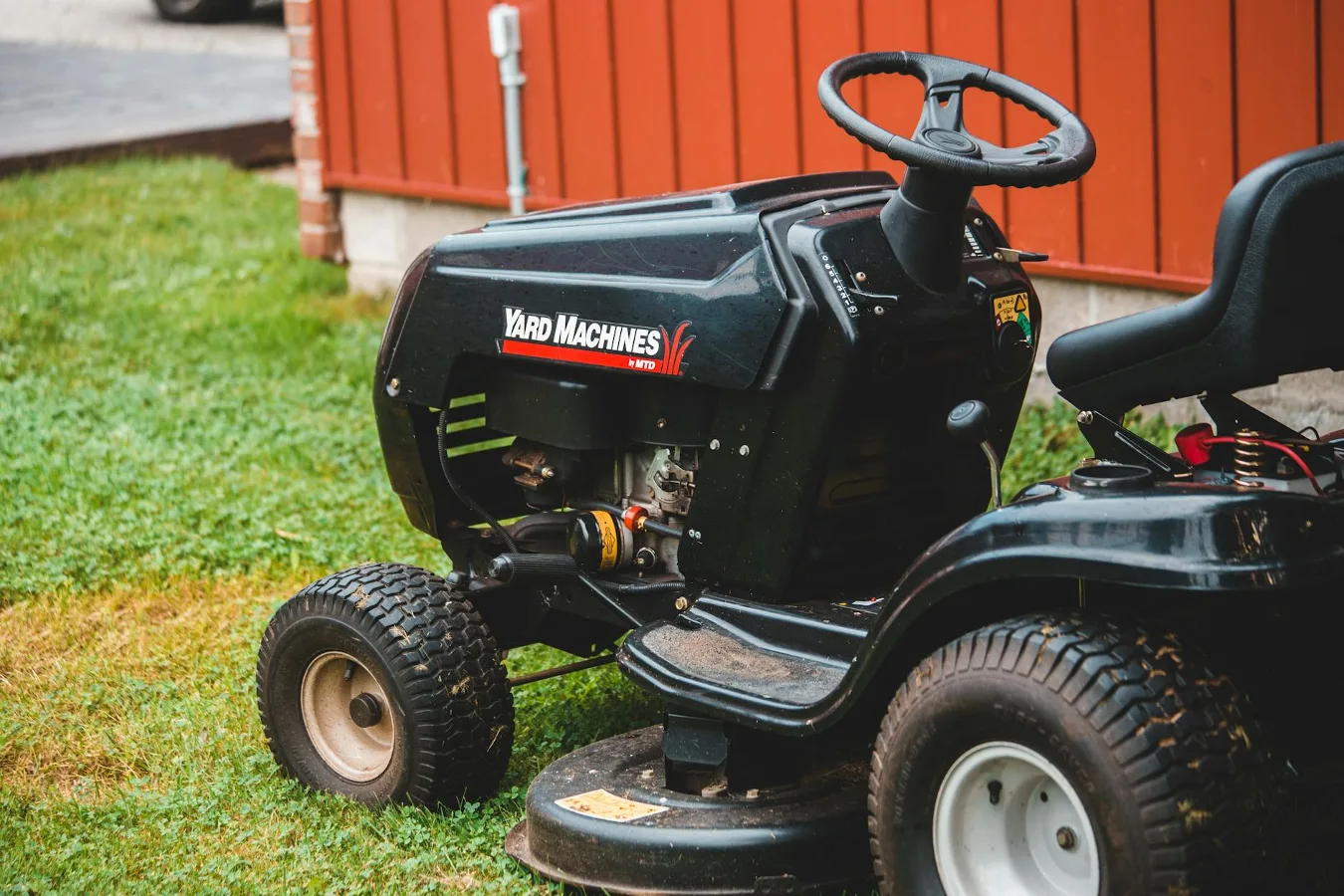
If you’re searching for riding lawn mower repair near me, the goal is usually simple: find someone who can diagnose the problem correctly, fix it without unnecessary delay, and service the mower in a way that matches its age, brand, and condition. The best repair option is not always the closest one. A good shop or technician should be able to handle common issues like starting problems, belt wear, blade damage, battery failures, deck problems, and drive or steering concerns. mobile lawn mower repair near me offers more detail on this point.
The smartest way to choose local repair is to look past location alone. Parts access, diagnostic skill, turnaround time, pickup availability, and whether the shop works on your mower type all matter. A riding mower that needs a basic tune-up has different service needs than a zero-turn with transmission trouble or a lawn tractor with electrical faults.
What local riding mower repair usually covers
Most repair searches start because the mower is no longer cutting properly, starting reliably, or moving as it should. A local repair provider may handle one issue or several at once, depending on the machine and the symptoms.
- Starting and ignition issues: battery, starter, solenoid, spark plug, switch, or wiring problems.
- Cutting problems: dull or damaged blades, deck buildup, belt wear, spindle trouble, or uneven deck height.
- Drive issues: slipping belts, traction problems, hydrostatic concerns, or transmission-related symptoms.
- Fuel and engine issues: stale fuel, clogged filters, carburetor problems, or poor combustion.
- Maintenance service: oil changes, filters, blade sharpening, belt inspection, tire checks, and lubrication.
A common misconception is that a mower only needs repair when it completely stops working. In practice, many service calls begin with smaller symptoms: longer start times, rough idling, poor cutting quality, or unusual vibration. Addressing those early can prevent bigger failures later.
How to judge whether a repair shop is a good fit
Not every lawn equipment shop is equally equipped for every mower. Before scheduling service, it helps to compare a few practical factors that affect both the repair outcome and your overall experience.
1. Type of mower they service
Some shops focus on riding mowers and lawn tractors. Others also service zero-turn mowers, garden tractors, and broader outdoor power equipment. If your machine uses a specific transmission type, fuel system, or electronic component, make sure the shop regularly handles that category. Garden guide offers more detail on this point.
2. Diagnostic approach
Good repair starts with a real diagnosis, not a guess. A reliable shop should be able to explain whether the issue is mechanical, electrical, fuel-related, or maintenance-related. If the initial explanation sounds vague, ask what tests or checks they perform before recommending parts replacement.
3. Parts availability
Parts access can make the difference between a quick repair and a long wait. For older mowers, some parts may need to be ordered. For newer models, dealer support may matter more. Independent shops can still be a strong option if they source parts efficiently.
4. Pickup, delivery, or mobile service
Riding mowers are bulky, so transport is a real consideration. Some repair businesses offer pickup and delivery; others may send a mobile technician. That can be especially useful if the mower does not run or you don’t have a trailer. The trade-off is that mobile service may be limited to certain repairs rather than full-shop work.
5. Communication and estimate clarity
A clear estimate should separate diagnosis, labor, and parts as much as possible. You do not need a rigid price promise to make a good decision, but you do need enough information to understand what is being repaired and why.
Practical ways to narrow down the right option
If you want the best result from a local search, use the mower’s symptoms to narrow the field. That makes it easier to find a shop that is actually prepared for your problem.
- Won’t start: look for small engine repair or lawn equipment service with electrical and fuel-system experience.
- Won’t move: choose a shop that works on belts, pulleys, drive systems, and transmissions.
- Bad cut quality: look for deck, blade, spindle, and leveling service.
- Smoking or running rough: seek diagnostic help for engine and fuel-system issues.
- Seasonal tune-up: a general mower maintenance shop may be enough if the machine is otherwise working.
If your mower is under warranty or you need manufacturer-specific parts, an authorized dealer may be the safer choice. If the mower is older and out of warranty, an independent shop may offer more flexible repair options, especially for routine mechanical issues. The better choice depends on the machine’s age, the problem, and how quickly you need it back in service.
What to ask before booking repair
A few direct questions can save time and prevent misunderstandings. You don’t need a long conversation, but you do want enough detail to know whether the shop is a match.
- Do you service my mower brand and model type?
- Can you handle both diagnosis and repair?
- Do you offer pickup, delivery, or mobile service?
- How do you handle parts ordering for older units?
- Will you contact me before replacing anything major?
- Do you work on zero-turn mowers, lawn tractors, or just basic ride-ons?
One overlooked consideration is how a shop handles authorization for repairs. Some customers assume a diagnostic visit automatically includes repair approval. Others assume the shop will pause before ordering parts. Make sure you understand the process so there are no surprises.
When repair makes sense, and when replacement may be smarter
Not every riding mower is worth extensive repair. That does not mean it is time to rush into replacement, but it does mean you should think about the machine’s overall condition. A well-maintained mower with one or two failed components is often a good repair candidate. A mower with repeated failures, major engine damage, or severe deck and frame wear may be harder to justify.
Repair is often the better choice when the problem is limited to a specific part, such as a battery, belt, blade spindle, starter, or switch. Replacement becomes more reasonable when multiple systems are worn, parts are difficult to source, or the mower has reached a point where each repair only buys a short extension of service life.
A practical decision-making rule is to ask whether the repair restores dependable use for the seasons ahead, not just for the next mow. If the answer is no, it may be time to compare repair cost, downtime, and replacement options more carefully.
Common mistakes people make when searching locally
Local repair searches can go wrong in a few predictable ways. Avoiding these mistakes can improve both turnaround and repair quality.
- Choosing only by proximity: the closest shop is not always the best fit for your mower type.
- Describing the problem too vaguely: “It doesn’t work” is less useful than describing symptoms, noises, smells, or when the problem started.
- Ignoring maintenance issues: a mower that “just needs a part” may also need cleaning, lubrication, or fuel-system attention.
- Delaying service after early symptoms: small problems often become more expensive if the mower keeps running poorly.
- Skipping questions about parts and turnaround: waiting on an uncommon part can change your decision.
Another practical nuance: if your mower has been sitting unused for a long time, the problem may not be a single broken part. Stale fuel, degraded hoses, and battery issues often appear together. That is why a shop with broad small-engine knowledge can be more useful than a general handyman service.
Alternatives if a repair shop is not convenient
If local repair options are limited, there are still a few paths to consider. Some homeowners use a mobile mower mechanic for straightforward service. Others prefer a dealer if the mower is newer, specialized, or still under warranty. For simpler issues, you may only need routine maintenance such as battery charging, blade replacement, air filter changes, or fuel system cleanup.
That said, do not assume a tutorial-style fix is the best route for every problem. Deck alignment, drive system issues, or electrical faults can involve overlapping components, and a mistaken repair can make diagnosis harder later. If the mower is expensive or central to your property maintenance, professional service is often the more reliable choice.
How to prepare a mower for service
A little preparation can make local repair smoother and may help the technician diagnose the issue faster.
- Write down the symptoms and when they happen.
- Note the mower brand, model, and approximate age if available.
- Remove loose debris from the deck and exterior if safe to do so.
- Empty the bagging system or attachments if the shop requests it.
- Make sure the technician can access the mower easily for pickup or inspection.
- Tell the shop about prior repairs, recent storage, or fuel problems.
This information matters because many mower problems are context-dependent. A machine that starts fine cold but stalls after warming up points in a different direction than one that clicks but will not crank at all.
What a useful local repair plan looks like
The most effective approach is to match the repair path to the problem, not just the location. For a basic seasonal service, a nearby small engine shop may be enough. For a no-start condition, choose a provider that can diagnose electrical and fuel issues. For cutting or drive problems, make sure the shop works on mower decks, belts, and transmissions. For newer or warranty-covered machines, a dealer may be the safer option.
If you need fast turnaround, ask about pickup availability and parts timing before committing. If you want the most economical choice, compare how each shop explains the fault and what each repair actually includes. And if the mower has multiple issues, ask whether they recommend a prioritized repair plan so you can decide which fixes are urgent and which can wait.
Searching for riding lawn mower repair near me is really about finding the right match between equipment, problem, and service provider. The closest shop may be fine, but the best shop is the one that understands your mower, explains the repair clearly, and handles the job without guesswork.
FAQ
How do I know if my riding mower needs repair or just maintenance?
If the mower is hard to start, cutting unevenly, slipping, vibrating, or losing power, it may need repair rather than routine upkeep alone. Simple maintenance usually covers blades, filters, oil, and battery care. Persistent symptoms often point to a deeper issue.
Should I use a dealer or an independent repair shop?
Use a dealer when you need model-specific knowledge, warranty support, or access to manufacturer parts. An independent shop can be a strong choice for older machines, general repairs, and routine service, especially if they regularly work on riding mowers.
Can a repair shop pick up my mower if it does not run?
Many local shops offer pickup and delivery, but not all do. This is worth asking early because transport is often one of the biggest practical barriers with riding mower repair.
What information should I give the repair shop?
Share the mower brand and model if you know it, the symptoms, when the issue started, what sounds or smells you noticed, and any recent maintenance or storage history. Clear details can help speed up diagnosis.
Is it worth repairing an older riding mower?
Sometimes yes, especially if the problem is isolated and parts are available. If multiple systems are wearing out or the mower has repeated failures, compare repair cost, downtime, and long-term value before deciding.