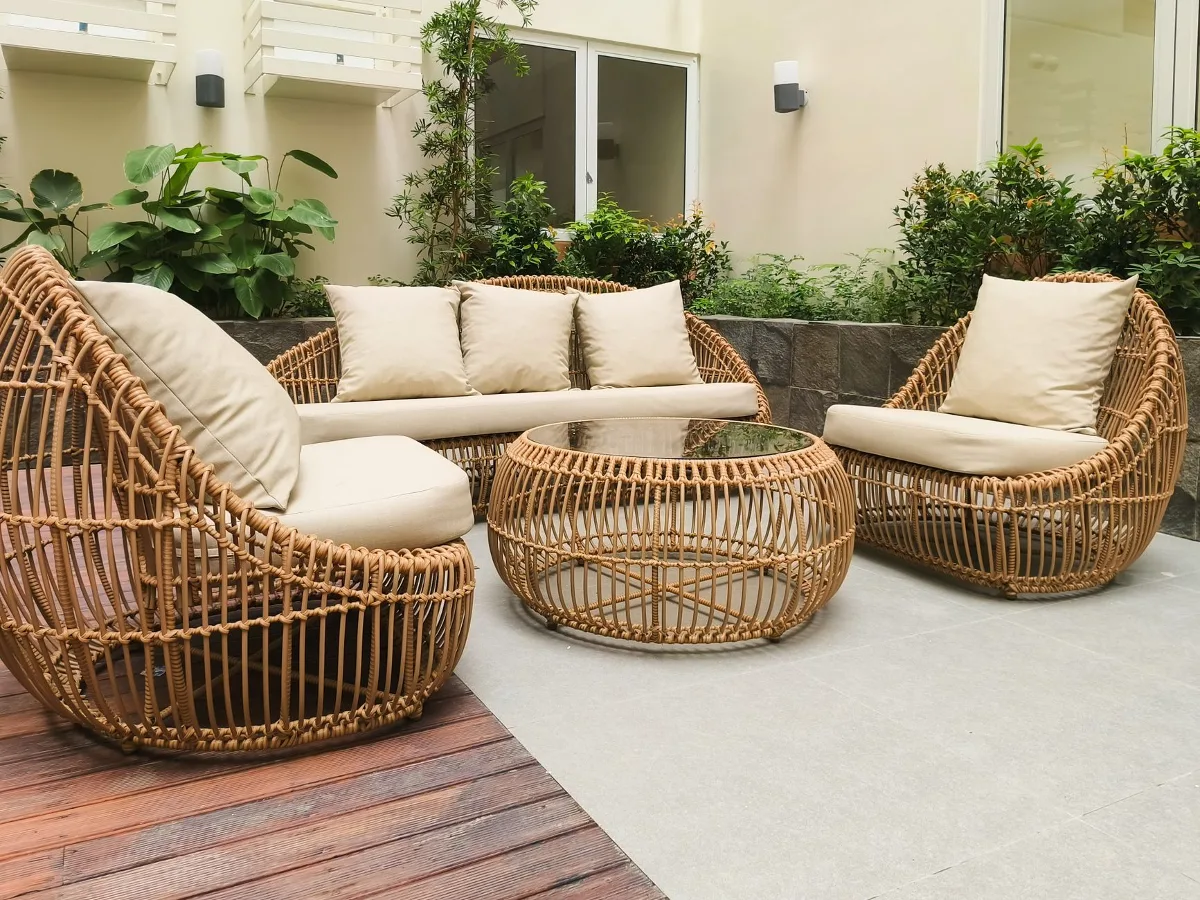
An outdoor furniture outlet is usually the right place to look if you want to furnish a patio, deck, porch, or backyard with less guesswork around price. The appeal is simple: outlet stores often bring together discontinued styles, overstock, closeout pieces, and seasonal markdowns. That can create real value, but only if you shop with a clear eye for materials, comfort, and long-term use. nautica outdoor furniture offers more detail on this point.
If you are comparing options for a garden or outdoor living space, the smartest approach is not to focus on the deepest discount. Focus on whether the piece fits your climate, your space, and the way you actually use the area. A bargain that fades quickly, rusts early, or feels uncomfortable after twenty minutes is not much of a bargain at all.
What an outdoor furniture outlet is best for
An outlet is often best for shoppers who are flexible about style and willing to compare a few options before buying. Unlike a full-price showroom built around the latest collection, an outlet may carry a mix of current items and older designs. That can be useful if you care more about function than matching a specific season’s trend.
Outlet shopping can make sense for several common needs:
- Furnishing a new patio without paying full retail prices
- Replacing a few worn pieces instead of buying a full set
- Finding durable basics such as dining chairs, lounge chairs, or side tables
- Shopping for backup seating or guest-friendly outdoor pieces
- Looking for neutral styles that can work in different garden layouts
The trade-off is selection. You may not find matching items in the exact finish or cushion fabric you had in mind. Outlet inventory changes quickly, so shoppers who need a very specific size, color, or collection may prefer broader retail selection or special ordering.
How to judge value beyond the discount tag
A lower price only matters if the furniture fits your use case. For outdoor furniture, value depends on a few practical questions that are easy to overlook in a busy store.
Material comes first
The frame material and surface finish usually tell you more about long-term usefulness than the sale sign does. Aluminum is often appealing for its lighter weight and resistance to rust, while steel can feel sturdier but may need more attention in damp or coastal environments. Wood can bring warmth and character, but it also asks more in terms of upkeep. Resin wicker and other synthetic weaves can be popular for their weather resistance, though quality varies and the weave should feel secure rather than brittle.
For tabletops and chairs, think about how the material will behave outdoors. Surfaces that handle moisture well tend to be easier to live with. If a piece looks beautiful but needs careful covering, frequent refinishing, or constant shade, that may be fine for a protected porch but less practical for an exposed deck.
Comfort is easy to underestimate
In an outlet setting, shoppers sometimes focus on frame construction and ignore how the piece actually feels. For lounge seating, depth, seat height, arm height, and cushion firmness affect day-to-day comfort more than a style label. Dining seating needs a different kind of comfort: upright posture, enough legroom, and a table height that works for real meals rather than just a display setup.
If the outlet has floor models, sit for long enough to notice whether the seat angle feels relaxed or awkward. A chair that looks refined may not be pleasant for reading, conversation, or family dinners. That is especially relevant for outdoor sectionals and deeper lounge pieces, where one uncomfortable angle can affect the whole setup.
Weather resistance should match your environment
Not every outdoor piece is built for the same conditions. A covered porch, shaded courtyard, and fully exposed backyard all place different demands on furniture. Sun exposure can affect cushion fading and material wear. Moisture can influence rust, mildew, and wood movement. Strong wind can make lightweight pieces hard to keep in place unless they are anchored, stacked, or stored.
A common misconception is that any piece sold in an outdoor furniture outlet is equally suited to all outdoor spaces. That is rarely true. The right choice depends on where it will live most of the time and how often you are willing to move, cover, or store it.
Outlet shopping comparison: what usually matters most
Different outdoor furniture types call for different priorities. A quick comparison can help narrow your decision before you get overwhelmed by inventory.
| Furniture type | What to prioritize | Common trade-off |
|---|---|---|
| Dining sets | Table size, chair comfort, easy-clean surfaces | Less lounging comfort |
| Lounge seating | Cushion comfort, frame strength, weather resistance | More space required |
| Sectionals | Layout flexibility, cushion quality, modular pieces | Harder to move and store |
| Chairs and benches | Weight, durability, stackability, storage ease | Less visual impact than a full set |
| Side tables | Stability, surface material, easy portability | Usually less comfort-related but easy to overlook |
If you are shopping for a smaller outdoor area, separate pieces may be the better outlet buy than a large coordinated set. A pair of chairs and a table can be easier to place on a porch or balcony than a bulky dining set that swallows the whole space.
If you have a larger backyard and want a social setup, sectionals or dining sets can be more efficient. The catch is that large pieces can be harder to fit through doors, around corners, or into storage spaces. That logistical issue is easy to forget until delivery day.
What to inspect before buying
Outlet furniture often rewards careful inspection. A small defect may be acceptable on a clearance item, but only if you understand exactly what you are accepting.
- Frame stability: Check whether the piece feels solid when moved or seated on. Wobble can signal weak joints or uneven assembly.
- Finish quality: Look for chips, flaking, uneven coating, or exposed metal that may be vulnerable to wear.
- Cushion construction: Review the fabric, stitching, and zipper quality if cushions are included.
- Fasteners and hardware: Make sure screws, bolts, and connectors are present and compatible.
- Cleaning needs: Consider whether the surfaces can be wiped down easily after pollen, spills, or dust.
- Storage reality: Think about where cushions or smaller furniture will go during storms or off-season months.
One overlooked consideration is replacement availability. If a cushion cover, leg cap, or hardware piece is missing from an outlet purchase, it may be harder to replace than on a current full-line item. That does not make the purchase wrong, but it does make documentation and inspection more important.
Common mistakes shoppers make at an outdoor furniture outlet
Outlet pricing can create urgency, and urgency leads to shortcuts. The most common mistakes are not dramatic, but they can make the furniture feel disappointing after the first season.
Buying for the discount instead of the space
It is easy to fall for a great-looking chair or table that does not actually suit the area you have. Measure your space before you shop and think about walking room, door clearance, and how people will move around the furniture once it is placed.
Ignoring the local climate
A piece that performs well on a covered terrace may struggle on an uncovered patio in a humid or sun-intense environment. Climate matters. If you live where summers are harsh or rain is frequent, put more weight on weather resistance and maintenance than on visual appeal alone.
Assuming cushions are all the same
Cushions can change the experience of a set dramatically. Thin, flat cushions may look acceptable on the floor but feel underwhelming after use. Fabric type, drainage, and ease of cleaning matter too. Outdoor cushions should be comfortable, but they should also be realistic for the level of exposure they will face. guide to weather-resistant outdoor cushions offers more detail on this point.
Forgetting about storage
Some buyers only think about the patio in peak season. In practice, storage often determines whether furniture stays in good shape. If you do not have a shed, garage, or protected closet area, favor pieces that are stackable, foldable, or easy to cover.
Mixing too many styles at once
Outlet shopping often means buying pieces separately. That can be a strength if you like an eclectic look, but it can also become visually messy. Try to keep one visual thread consistent, such as frame color, cushion tone, or material family, so the space feels intentional.
Where outlet shopping works especially well
An outdoor furniture outlet can be a strong fit for certain buyers and spaces. It often works best when the goal is practical, attractive seating rather than a highly customized design scheme. best furniture layouts for small patios offers more detail on this point.
- Starter patios: Great for homeowners or renters who want functional pieces without a large upfront commitment.
- Secondary seating zones: Useful for a front porch, side yard, or reading corner where a smaller setup is enough.
- Seasonal refreshes: Helpful if you want to replace just one category, such as chairs, cushions, or a table.
- Flexible styling: Good for shoppers who can adapt to available finishes and still create a cohesive look.
On the other hand, outlet shopping can be frustrating if you need a full matching collection, a custom configuration, or exact fabric coordination across several pieces. In that case, the outlet may still be useful for accents, but not for the entire project.
Alternatives worth considering
If the outlet selection is thin, or if the available styles do not fit your space, there are a few practical alternatives to keep in mind. These are not better in every case, but they can solve different problems.
- Regular retail collections: Better for matching sets, broader finish options, and easier replacement parts.
- End-of-season sales: Good for shoppers who can wait and want a wider markdown window.
- Secondhand local listings: Potentially useful for budget projects, especially if you are comfortable inspecting condition carefully.
- Mix-and-match buying: A smart option when you only need chairs, a table, or one anchor piece rather than a full set.
Each option comes with trade-offs. Retail may cost more. Secondhand pieces may need cleanup or repairs. End-of-season shopping may require patience. The best choice depends on how quickly you need the furniture and how much consistency matters to you.
How to make outlet furniture work harder for you
Once you choose a piece, a few simple habits can help stretch its useful life. Use covers when the furniture sits exposed for long periods. Clean surfaces regularly so dirt, pollen, and moisture do not build up. Rotate or store cushions if they are not designed for constant exposure. If the furniture is modular, reconfigure it occasionally so wear is not concentrated in one spot.
Also, think about accessories as part of the purchase. A side table, outdoor rug, umbrella, or storage bench can improve the entire setup without requiring a complete furniture overhaul. Sometimes the most practical outlet strategy is to buy a few strong foundational pieces and build around them over time.
The best outdoor furniture outlet purchase is usually the one that solves a real space problem, not the one with the loudest markdown. If you start with your layout, climate, and comfort needs, the outlet becomes a useful source of value rather than a gamble.