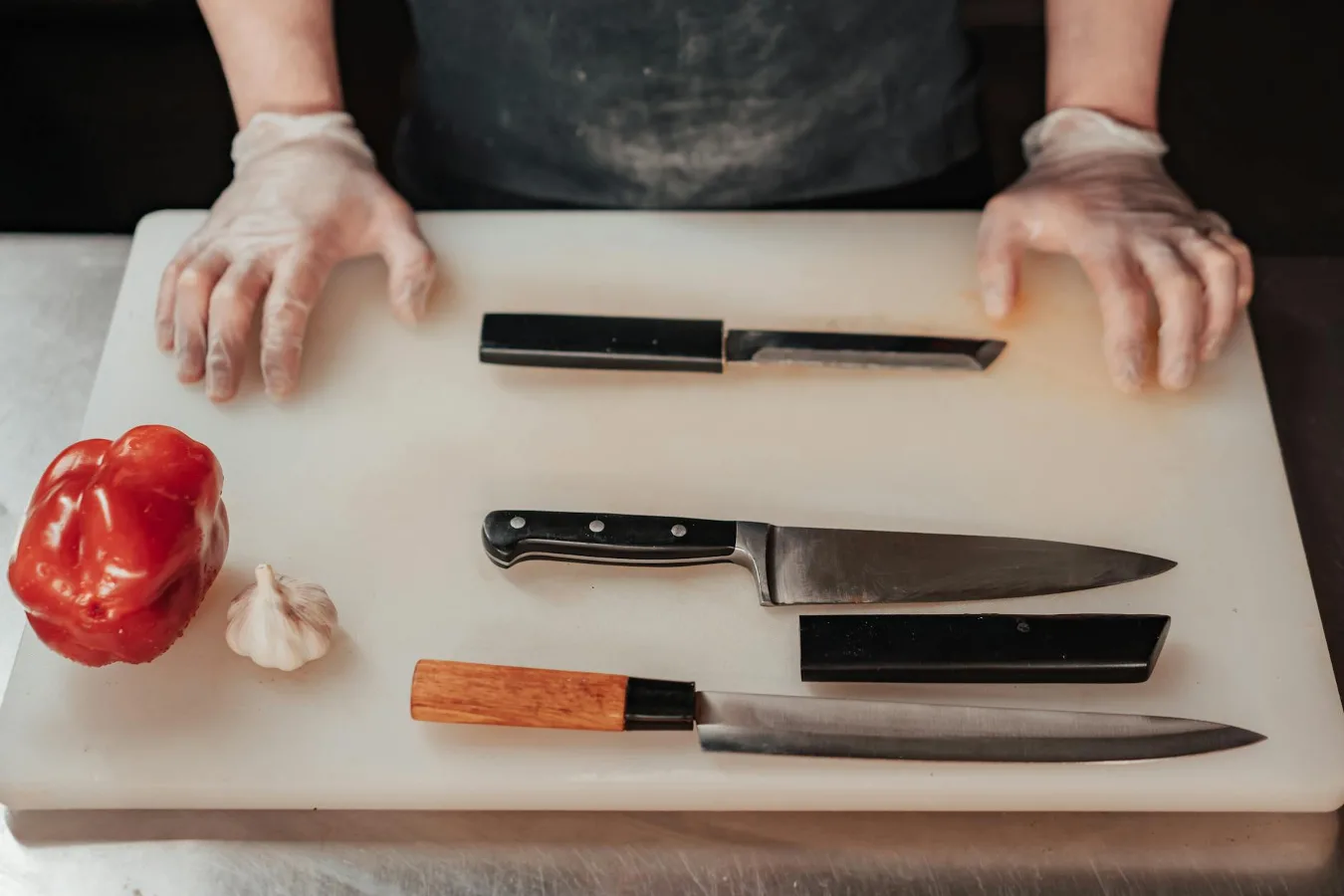
What an imarku knife set is best for
If you’re searching for an imarku knife set, you’re usually looking for a practical kitchen cutlery set that can handle everyday prep without requiring a steep learning curve. For most home cooks, that means a set should cover the core jobs: slicing vegetables, trimming proteins, chopping herbs, and handling general meal prep with reasonable comfort and control. knife materials explained offers more detail on this point.
The right way to judge an imarku set is not by the number of pieces alone. It’s about whether the included knives match how you cook, how much maintenance you’re willing to do, and how much counter or drawer space you can spare. That matters more than a long piece count, especially in a home kitchen where a few well-chosen knives often do more than a crowded block of rarely used extras.
If you want a set for daily family cooking, first-apartment use, or as a gift for someone building a kitchen from scratch, this category can make sense. If you already own a few quality knives and only need one excellent chef’s knife or paring knife, a full set may be less efficient than buying individual pieces. common mistakes when buying knives offers more detail on this point.
When an imarku knife set makes sense
An imarku knife set tends to appeal to buyers who want a balanced entry point into better kitchen cutlery. The main advantage of a set is consistency: the knives are designed to work together, and the storage solution usually keeps them organized in one place. That can be helpful for households that want a tidy countertop and a simple routine for meal prep.
It also suits people who cook a wide range of foods but do not want to research every knife individually. A set can cover the most common tasks in one purchase, which reduces decision fatigue. For a new kitchen, that convenience is real value.
Still, a set is only useful if the included knives overlap with your actual habits. If you mostly chop produce, you’ll care more about the chef’s knife, utility knife, and paring knife than about specialty blades you may use occasionally. If you mostly carve roasts or break down large ingredients, the shape and balance of the larger knife matter more than the overall assortment.
Step-by-step criteria to evaluate before buying
1. Start with the knives you will use most
Before comparing finishes or block styles, identify your core cooking tasks. Most home kitchens benefit from a chef’s knife, a smaller prep knife, and a serrated option for bread or tomatoes. If a set does not give you tools that match those everyday jobs, the rest of the pieces may not add much value.
Look at the set as a workflow tool, not a display item. A knife that feels awkward on the board will matter more than an attractive block.
2. Check the blade material and care expectations
Blade material affects maintenance, resistance to corrosion, and how often you may need to sharpen. Many buyers compare stainless steel sets because they are generally easier to care for than high-maintenance alternatives. That does not mean they never need attention; all knives eventually dull and benefit from proper sharpening or honing.
What matters most is matching the maintenance level to your routine. If you prefer low-fuss tools and do not want to baby your knives after each use, choose a set that fits that reality. If you are comfortable with more careful drying, hand washing, and periodic edge maintenance, you can prioritize performance over convenience.
A common misconception is that “stainless” means maintenance-free. It does not. It usually means more forgiving care, not no care at all.
3. Evaluate handle comfort, grip, and balance
A knife can look impressive and still feel wrong in the hand. Handle comfort is one of the most overlooked decision factors, especially for buyers focused on looks or piece count. If the handle is too slick, too bulky, or poorly balanced, prep work becomes tiring faster.
Balance is especially important for an everyday chef’s knife. A well-balanced knife feels controlled during repetitive chopping and slicing. That can reduce strain during longer prep sessions. If you cook often, comfort will usually matter more than decorative details.
For households with multiple users, a neutral, easy-to-control handle shape is usually safer than a highly stylized design. Shared kitchens benefit from broad usability.
4. Think about storage before the set arrives
Many knife sets include a block, but that does not automatically make them a good fit for your counter. A block can be convenient, yet it takes space and can feel cluttered in a smaller kitchen. Drawer storage may save space, but only if you use a knife tray or protective organizers to avoid dulling the edges and risking accidents.
If you are buying an imarku knife set for a compact kitchen, storage deserves as much attention as blade quality. An oversized block can become an annoyance fast. On the other hand, if you want everything visible and easy to grab, a block may be the more practical choice.
5. Consider sharpening and long-term upkeep
Every knife set needs upkeep. The question is how much effort the set will ask of you. A practical buying decision includes not only how sharp the knives arrive, but how realistic it is to keep them performing well over time.
If you are not already sharpening knives regularly, choose a set with a care routine you can actually sustain. That may mean using a honing tool between sharpenings, washing by hand, and drying promptly. If a set requires more attentive maintenance than you are likely to provide, the value drops regardless of its initial appeal.
What to expect from a knife set at this level
At a practical level, a knife set in this category is usually meant to bridge the gap between basic starter cutlery and more specialized kitchen knives. The appeal is versatility. You get a coordinated group of tools that should cover general cooking without having to build a collection piece by piece.
The trade-off is that set pieces are not always equally useful. Some knives will likely become favorites, while others may see occasional use. That is normal. The mistake is assuming every included item must justify itself equally. In reality, the best value often comes from the main workhorses: the chef’s knife, the utility knife, and the storage setup. best knife storage options offers more detail on this point.
Another nuance: a well-presented set can make a kitchen feel more organized, but organization is not the same as utility. Buy for function first, appearance second.
Practical examples of the right fit
For a new home or first apartment
If someone is starting from zero, an imarku knife set can be a sensible way to cover the essentials in one purchase. The key benefit is simplicity. There is less need to research separate pieces, and the block or storage system helps keep tools together. This is especially useful for people who cook at home often but are not ready to build a premium cutlery collection.
For everyday family cooking
For a busy household, the set works best when it provides dependable basics and easy cleanup. The main questions are comfort, maintenance, and storage. If the knives feel easy to reach for during weekday cooking and simple to put away afterward, the set is more likely to earn regular use.
For someone upgrading from bargain knives
If you are moving up from very cheap cutlery, the biggest improvement is often not a dramatic technical leap but a better overall experience: steadier slicing, more comfortable handles, and a more orderly kitchen setup. A midrange set can feel like a meaningful upgrade when the old knives were dull, uneven, or uncomfortable.
Where buyers often go wrong
The most common mistake is choosing a set because it looks complete. A large block can create the impression of value, but unused specialty pieces do not help if the essentials are mediocre. Another common error is focusing only on sharpness out of the box. Initial sharpness matters, but it is only part of the story. Comfort, balance, and edge maintenance determine whether the knives stay useful.
Many buyers also overlook how they store knives. Tossing them loosely into a drawer will shorten their useful life and create safety issues. Even a good knife set benefits from disciplined storage.
Finally, some people assume a set is the best option by default. It is not. If you already know you prefer a Japanese-style chef’s knife, for example, you may be better off buying one primary knife and adding a paring knife or serrated blade later. Sets are convenient, but they are not always the most efficient path.
Checklist before you choose an imarku knife set
- Does the set include the knives you will use most often?
- Will the handle shape feel comfortable during longer prep sessions?
- Is the storage solution realistic for your kitchen space?
- Are you willing to follow the care routine the set requires?
- Does the set give you enough utility without too many extras?
- Would a smaller set plus one or two individual knives serve you better?
- Do you want a countertop block or a more compact storage setup?
- Will the set fit your cooking style, not just your kitchen decor?
Alternatives worth considering
An imarku knife set is not the only sensible option. If you cook simply and want to keep things minimal, a single chef’s knife, a paring knife, and a serrated knife may cover most tasks. That approach can be more flexible and less cluttered than buying a larger block set.
If you already have a good chef’s knife, consider adding only the missing pieces rather than replacing your entire cutlery collection. This often gives better long-term value and avoids paying for duplicates. For smaller kitchens, a pared-down knife selection can also be easier to store safely.
For buyers who enjoy kitchen organization and want everything in one place, a complete set still has clear appeal. The right answer depends on whether you value convenience or customization more.
How to decide quickly
If you want a simple decision framework, use this: choose an imarku knife set if you want a coordinated, practical starter or upgrade set, you like the convenience of bundled knives, and you are comfortable with routine care. Skip the set if you only need one or two specific knives, you have limited storage, or you prefer to build a collection slowly and selectively.
The strongest reason to buy a set is coverage. The strongest reason not to is redundancy. Once you know which side matters more for your kitchen, the choice becomes much clearer.