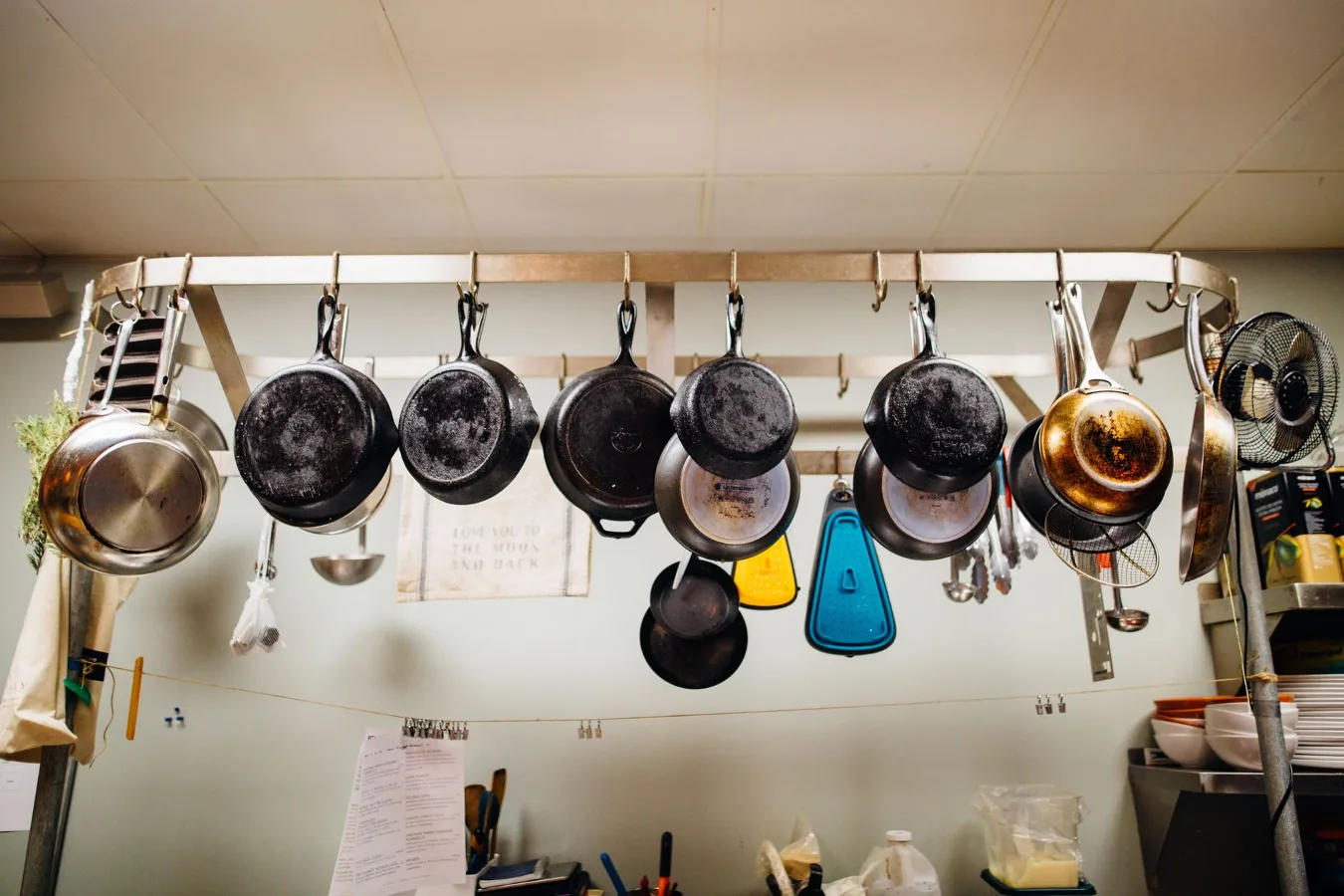
Cookware organizers are storage solutions designed to keep pots, pans, lids, and bakeware easy to reach, protected from scratches, and less likely to slide into a messy pile. For most kitchens, the best choice depends less on the organizer itself and more on how your cookware is shaped, how much cabinet depth you have, and whether you want to store items vertically, horizontally, or on a pull-out system. best storage for heavy cookware offers more detail on this point. keeping cookware easy to reach offers more detail on this point.
If you are shopping with a commercial intent, the key is to match the organizer to the problem you are actually trying to solve. A lid rack is useful for one type of clutter, while a heavy-duty pot and pan divider solves a different one. The most effective cookware organizers reduce friction in daily cooking: less digging, less stacking, less scratching, and less wasted space.
When cookware organizers matter most
Cookware organizers matter most when your cabinet setup makes everyday cooking slower or more frustrating than it needs to be. That usually happens in a few situations: deep base cabinets where pots disappear into the back, narrow cabinets that invite awkward stacking, or shelves that create too much vertical space above shorter items.
They are also worth considering if you own cookware with delicate finishes. Nonstick pans, enameled cast iron, and polished stainless steel can all get marred when they are stacked loosely. A organizer that separates pieces or supports them vertically can reduce contact points and make storage less stressful. ceramic versus stainless steel cookware offers more detail on this point.
Another common use case is shared kitchens. If more than one person cooks, a storage system that keeps lids, skillets, and stockpots visible tends to work better than a “just stack it” approach. Visibility matters because cookware is used often and should not require rearranging half the cabinet every time you want a frying pan.
Step-by-step criteria for choosing the right one
1. Start with the cookware you own
Before comparing organizer styles, look at what needs to be stored. A set of nested saucepans behaves differently from oversized skillets or a mix of baking sheets, Dutch ovens, and lids. The more varied the collection, the more useful an adjustable organizer becomes.
Think about weight too. Lightweight pans can be stored on simple dividers, but heavier cookware may call for a sturdier base or a rack that sits securely in the cabinet. A setup that works for aluminum pans may not be the best fit for cast iron or stoneware.
2. Measure the cabinet opening and usable depth
Cookware organizers are only useful if they fit the cabinet as installed, not just on paper. A deep cabinet may seem ideal, but plumbing, hinges, toe-kick height, and shelf placement can reduce usable space. Measure the width, depth, and height of the actual storage area, then compare those dimensions with the organizer layout.
For pull-out systems, pay attention to how far the tray can extend without blocking nearby doors or drawers. For vertical dividers, check whether the tallest pans and lids can slide in and out without catching on the shelf above.
3. Decide whether you want vertical, horizontal, or pull-out storage
Vertical storage is one of the most popular approaches for cookware because it lets you store pans like files in a cabinet. This can make each piece visible and easier to grab. It works especially well for skillets, lids, and baking sheets that are used frequently.
Horizontal storage still has a place, particularly for heavier items that are easier to support when stacked in a stable arrangement. Some households prefer a simple stack with separators because it uses less setup and can feel less fussy.
Pull-out cookware organizers are often the easiest to access, especially in deep lower cabinets. The trade-off is that they usually require more planning, more installation effort, and more cabinet compatibility than a basic rack or divider.
4. Match the organizer to the finish of your cookware
The organizer should help protect the cookware, not add abrasion. Soft-coated contact points, smooth edges, and stable spacing matter more than flashy features. If your pans have a delicate nonstick surface, look for configurations that reduce direct rubbing. If your cookware is heavier, look for a sturdy frame and stable support rather than lightweight wire that can flex under load.
A common misconception is that all cookware organizers are interchangeable. They are not. A lid holder can be excellent for glass or metal lids, but less helpful for oversized lids with unusual handles. Likewise, a pan rack may look efficient yet be awkward for saucepans with long handles if your cabinet is narrow.
5. Consider how often you cook
Frequent cooks usually benefit from the fastest access possible. If you use your skillet every day, it should not require removing two Dutch ovens and a stack of sheet pans first. In that case, the best organizer is the one that makes the most-used pieces easiest to reach.
If you cook less often, a simpler storage solution may be enough. You may not need an elaborate pull-out system if your cookware is used mainly on weekends or for occasional entertaining. A basic divider or shelf organizer can be the better value when convenience matters less than straightforward storage.
Common cookware organizer types and how they differ
Pan and pot dividers
Dividers separate cookware into upright sections so each item has its own slot. They are useful for skillets, sauté pans, sheet pans, and lids. The main advantage is visibility. The drawback is that they can consume more space than stacking if your cabinet is very small.
These are often a strong choice for people who want a cleaner system without installing hardware. They are also easy to rearrange if your cookware collection changes.
Lid organizers
Lid organizers are designed to keep lids from sliding around or nesting awkwardly inside stacks. They are especially helpful because lids are often the most frustrating part of cookware storage. A loose lid can turn a cabinet into a noisy pile, and mixed lid sizes are hard to stack neatly.
The main limitation is that lid organizers solve only one part of the storage problem. If your pots and pans are still piled elsewhere, you may need a broader system.
Pull-out cabinet inserts
Pull-out organizers improve access in deep cabinets by bringing cookware toward you. They are especially useful when cabinet depth makes the back half hard to reach. This style can be one of the most ergonomic options for lower cabinets, but it usually requires more careful measurement and may involve hardware installation.
For homeowners who value convenience and are willing to set up a more permanent solution, pull-out inserts can be worth the added effort.
Countertop or wall-mounted racks
Not every cookware organizer lives inside a cabinet. Open racks, rails, and wall-mounted solutions can work if you want fast access and have the visual space for them. They are often better suited to frequently used items than to a full cookware collection.
The trade-off is visible clutter. Open storage can look tidy when used selectively, but it can also make a kitchen feel crowded if too many items stay out all the time.
What to check before you buy
- Cabinet dimensions: Width, depth, height, and any obstructions such as pipes or hinges.
- Cookware mix: Pans, stockpots, lids, bakeware, or a combination.
- Weight support: Whether the organizer can handle heavier cookware without wobbling.
- Accessibility: How easily you can lift items in and out during daily cooking.
- Adjustability: Whether slots, dividers, or shelves can be repositioned later.
- Surface protection: Smooth contact points that help minimize scuffing.
- Installation level: Tool-free setup versus a more permanent mounted system.
- Cleaning: Whether the organizer can be wiped down easily if dust, oil, or crumbs collect inside the cabinet.
Practical examples of the right fit
If you have a deep lower cabinet: a pull-out system or a vertical divider setup often makes the space far more usable. The goal is to stop cookware from disappearing into the back.
If you mainly store nonstick pans: choose a layout that keeps surfaces separated and prevents rough stacking. Gentle spacing matters more than maximizing capacity.
If you have lots of lids: a dedicated lid organizer usually gives a bigger improvement than a general-purpose rack, because lids tend to create the most awkward clutter.
If your kitchen is small: compact vertical organizers can free up space without forcing a complete cabinet overhaul. In tight kitchens, flexibility often matters more than a large all-in-one storage system.
If you store heavy cookware: stability should come before density. A simple, sturdy divider may be better than a complex organizer that makes lifting awkward.
Overlooked considerations that change the result
One overlooked issue is how cookware is removed, not just how it is stored. A cabinet may look organized until you realize that the easiest-to-grab pan is the one you use least. Good storage should reflect your cooking habits, placing everyday items at the front or in the most accessible slots.
Another practical nuance is shelf height. Some organizers only work well if the cabinet has enough vertical clearance above the stored pieces. If the shelf above is too low, pans may scrape, lids may tilt, and the organizer may become annoying rather than helpful.
Noise is another small but real factor. Loose metal racks, sliding pans, and shifting lids can create clatter every time you open a cabinet. A stable organizer can make the kitchen feel calmer even when it does not increase capacity dramatically.
Common mistakes to avoid
- Buying before measuring: The most common issue is assuming the cabinet is large enough without checking the usable interior space.
- Choosing capacity over access: A storage system that holds more items is not always better if it makes them harder to reach.
- Ignoring cookware shape: Long handles, oversized lids, and odd-shaped pots can break an otherwise good layout.
- Overfilling the organizer: If every slot is packed, daily use becomes slower and the setup loses its benefit.
- Using fragile contact points for heavy cookware: Light-duty organizers may not be a good match for dense or bulky pieces.
How to decide quickly
If you want the simplest answer, choose the organizer based on the problem that bothers you most.
- For messy stacks: use vertical dividers or a rack that separates each piece.
- For hard-to-reach cabinets: choose a pull-out organizer.
- For lid chaos: add a dedicated lid holder.
- For mixed cookware collections: use an adjustable system that can change as your storage needs evolve.
- For heavy pans and daily cooking: prioritize stability and easy access over maximum capacity.
The best cookware organizers are not the fanciest ones. They are the ones that fit your cabinet layout, protect the finishes you care about, and make everyday cooking slightly easier every time you open the door.
Checklist before you order
- Measure the cabinet opening and internal depth.
- List the cookware you want to store there.
- Separate daily-use items from occasional items.
- Decide whether vertical, horizontal, or pull-out access makes the most sense.
- Check whether the organizer supports the weight and shape of your cookware.
- Confirm that lids, handles, and tall pieces will clear nearby shelves or doors.
- Choose a setup that can adapt if you replace or add cookware later.
For a kitchen organization system to work long term, it needs to match both the cabinet and the cooking habits of the household. Cookware organizers are most effective when they make the right pieces easier to find, easier to lift, and easier to return after use. That simple improvement often matters more than adding another storage product.