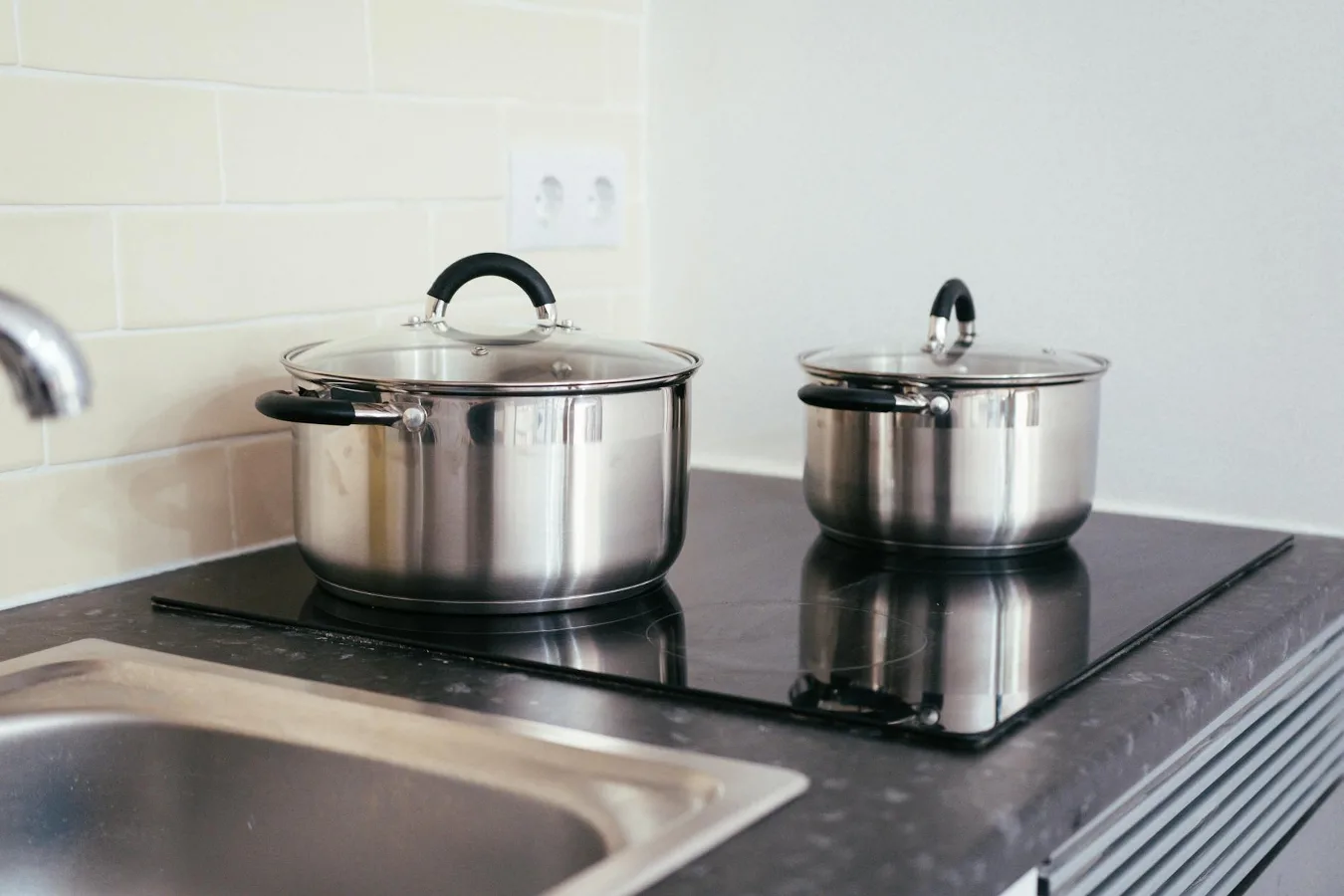
If you are comparing ceramic versus stainless steel cookware, the short answer is that neither is universally better. Ceramic cookware is appealing for easy release and straightforward cleanup, while stainless steel is usually the stronger long-term choice for browning, durability, and flexible everyday cooking. best cookware for everyday cooking offers more detail on this point.
The better option depends on what you cook most often. If you want a pan that handles searing, deglazing, sauces, and frequent use with fewer concerns about wear, stainless steel usually has the edge. If your priority is low-fuss cooking for eggs, delicate foods, or lighter meals, ceramic cookware can feel more forgiving—at least while its coating remains in good condition.
Choose based on how you actually cook
Many cookware comparisons focus on features in isolation, but the real question is whether the material fits your kitchen habits. A home cook who makes one-pan dinners, pan sauces, and browned proteins will likely value stainless steel more than someone who mainly cooks scrambled eggs, vegetables, and simple breakfast dishes. how to choose the right cookware material offers more detail on this point.
There is also a practical difference in patience. Stainless steel rewards a little technique: preheating, using enough fat, and knowing when to let food release naturally. Ceramic cookware is often more approachable at first because foods are less likely to stick when the coating is fresh. That convenience can make it attractive for beginners or for cooks who want a smoother cleanup routine.
What ceramic cookware does well
Ceramic cookware is often chosen for its slick cooking surface and lighter feel. In everyday use, that can make it helpful for foods that tend to cling, such as eggs, fish, pancakes, and tender vegetables. It is also a familiar option for people looking to move away from older conventional nonstick pans without giving up the easy-release experience.
Where ceramic tends to fit best
- Light sautéing and quick breakfasts
- Low- to medium-heat cooking routines
- Delicate foods that benefit from easy release
- Homes where simple cleanup matters more than heavy searing
One overlooked point is that ceramic cookware is usually more dependent on gentle care than many shoppers expect. Abrasive scrubbers, overheated pans, and metal utensils can shorten the usable life of the cooking surface. That does not make ceramic a bad choice, but it does make it a more lifestyle-sensitive choice.
Another practical nuance is that “ceramic” in cookware discussions often refers to a ceramic-based nonstick coating, not a fully ceramic pan. Buyers sometimes assume it will behave like a heavy, stone-like vessel. In reality, its cooking performance is tied closely to the coating and how well that coating is preserved.
What stainless steel does well
Stainless steel is the workhorse option for many kitchens. It is valued for durability, versatility, and its ability to handle higher-heat cooking. A good stainless steel pan can move from stovetop to oven in many cases, and it is well suited to browning meat, building fond, making pan sauces, and cooking a broad range of recipes.
Why many cooks prefer stainless steel
- Better for searing and browning
- More forgiving over the long term
- Handles frequent use well
- Better suited to deglazing and sauce making
- Less dependent on coating integrity
Stainless steel also has an advantage that is easy to underestimate: it stays useful even when it is no longer pristine. A scratched stainless pan can still perform its job. By contrast, a worn ceramic coating can lose much of the convenience that made it attractive in the first place.
That said, stainless steel is not naturally nonstick. For some cooks, that learning curve is the biggest downside. Foods like eggs or flaky fish may stick if the pan is not heated and used correctly. This is not necessarily a flaw in the material—it is part of how stainless steel works.
The trade-offs that matter most
The decision usually comes down to four trade-offs: release, durability, heat handling, and maintenance.
Food release versus technique
Ceramic typically offers easier release out of the box. Stainless steel can also release food well, but it often depends on proper preheating and fat management. If you want an easier surface for delicate foods and do not want to think much about technique, ceramic feels simpler. If you are comfortable learning a few pan-management basics, stainless steel can be just as satisfying and far more versatile.
Durability versus convenience
Stainless steel is usually the stronger pick for long-term durability. Ceramic may be easier on day one, but its coating is more vulnerable to wear from high heat, heavy scrubbing, and frequent use. For households that cook often, that difference matters. A cookware set that starts out easy to use but degrades quickly can become frustrating over time.
Heat handling and cooking range
Stainless steel is better suited to higher-heat tasks like searing, reduction sauces, and browning aromatics. Ceramic tends to be better when gentle heat is enough. Overheating ceramic can shorten its lifespan and reduce its performance, so it is not usually the best match for aggressive cooking styles.
Cleaning and care
Ceramic is often easier to wipe clean after everyday meals, especially if food is not burned on. Stainless steel may require a little more technique and effort, but it is more resilient when you need to scrub, deglaze, or restore a pan after a sticky recipe. If you dislike babying cookware, stainless steel usually asks less of you over time.
Material and spec factors to check before buying
Material labels can be misleading if you do not look at the construction details. The way a pan is built affects performance more than the marketing language on the box.
For ceramic cookware
- Coating type: Look for clear descriptions of the ceramic surface rather than vague claims about “natural” or “healthy” cooking.
- Base construction: A thin base may heat quickly but can also create hot spots.
- Handle comfort: Lightweight ceramic cookware should still feel balanced when full.
- Care guidance: Follow the maker’s instructions for heat limits and cleaning methods.
For stainless steel cookware
- Clad construction: Multi-layer or fully clad pans usually distribute heat more evenly than very basic options.
- Core material: Heat conductivity depends heavily on what is layered inside the steel.
- Rivets and handle design: These affect comfort and cleaning access.
- Compatibility: Confirm whether the pan works on induction cooktops and in the oven if those matter to you.
One common misconception is that stainless steel is automatically the same across all price levels. In practice, construction quality can vary a great deal. A well-built stainless pan can feel dramatically different from a thin, budget version that warps or heats unevenly.
Which material works better for specific foods?
Different foods highlight different strengths. Thinking in terms of use cases is often more useful than comparing abstract advantages.
| Cooking task | Ceramic cookware | Stainless steel cookware |
|---|---|---|
| Eggs and delicate foods | Usually easier to manage | Can work well, but often needs more technique |
| Searing meat | Less ideal for high-heat browning | Better suited to browning and fond development |
| Pan sauces | Usable, though less optimal for heavy reduction | Excellent for deglazing and sauce building |
| Everyday reheating | Convenient for quick meals | Reliable and durable |
| Acidic dishes | Generally fine if the coating remains intact | Nonreactive and widely used for tomato-based recipes |
For acidic recipes, stainless steel is a particularly practical choice because it is nonreactive. Ceramic cookware is also commonly used for tomatoes, wine reductions, and citrus-based dishes, but its overall durability and coating condition become more important over time.
Common mistakes shoppers make
Buyers often focus too much on the nonstick feel of ceramic and too little on how long that surface will stay useful. A pan that performs beautifully for a short stretch but declines quickly may not be the better value if you cook often.
Another mistake is assuming stainless steel is only for professional cooks. That idea leads some home cooks to avoid a material that would actually suit their routine very well. Stainless steel is not hard to use once you understand the basics of preheating and heat control.
It is also easy to overlook cookware compatibility. If you use induction, you need to confirm that the pan is induction-ready. If you rely on the oven, check the handle and lid temperature limits. These details matter more than color or finish.
Who should lean toward ceramic?
Ceramic cookware makes sense for cooks who want an easy-release surface and mainly prepare moderate-heat meals. It can be a good match for someone building a simple starter set, someone replacing worn nonstick pans, or someone who prioritizes easy cleanup over high-heat versatility.
It is also worth considering if you do not cook every day and want pans that feel intuitive from the first use. In that case, ceramic can be a comfortable middle ground between classic nonstick and more technique-driven cookware.
Who should lean toward stainless steel?
Stainless steel is usually the better pick for cooks who want one pan to do many jobs. If you make sautés, sauces, skillet meals, braises, and seared proteins, stainless steel is easier to justify because it handles a wider cooking range and tends to hold up longer.
It is also a stronger choice for households that use cookware heavily. Frequent cooking puts stress on coatings, handles, and finishes. Stainless steel generally tolerates that routine better, which is why it often becomes the backbone of a durable kitchen set.
If you want the most practical setup, don’t force an either-or choice
For many kitchens, the best answer is not ceramic or stainless steel alone. A mixed set often makes more sense. Stainless steel can cover the demanding jobs—searing, sauces, and high-heat cooking—while one or two ceramic pieces handle eggs, pancakes, and other delicate foods where easy release matters most.
This approach is especially useful if you are building a cookware collection from scratch or replacing pieces gradually. You do not need every pan to do everything. Matching each material to its strengths is often the most cost-conscious and frustration-free strategy.
Next steps before you buy
Before choosing, ask three simple questions: What do I cook most often? How much maintenance am I willing to accept? Do I value short-term convenience or long-term durability more?
If your answers point toward versatility, heat control, and lasting performance, stainless steel should be at the top of your list. If your priorities are easy release, lighter cleanup, and uncomplicated everyday use, ceramic may fit better. And if your kitchen does a little of everything, combining both materials is often the smartest path.
That framing helps you avoid buying cookware for an idealized version of your cooking life. The best set is the one that fits the meals you actually make, the heat levels you actually use, and the amount of care you are realistically willing to give it. best cookware for electric stove offers more detail on this point.