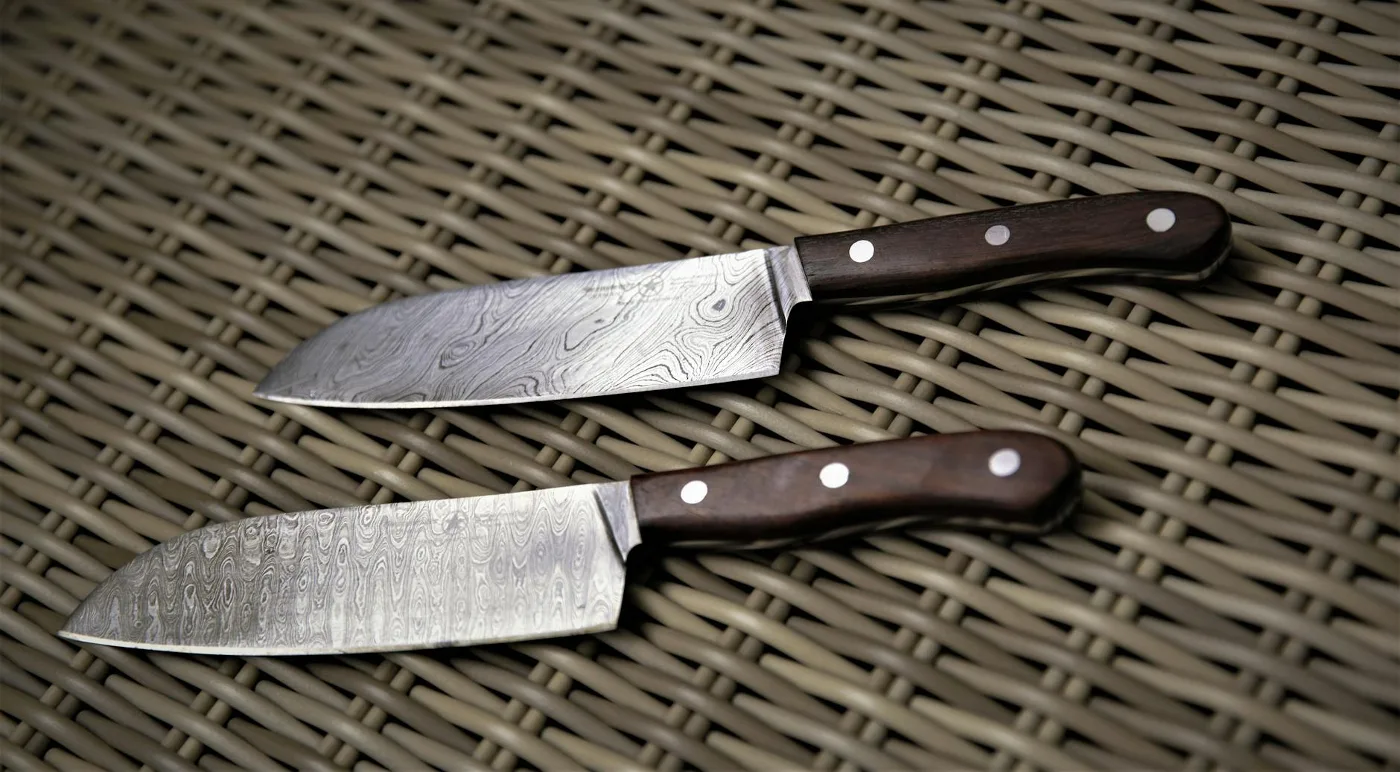
If you’re looking for a case kitchen knife set, the real question is usually not just which knives are included. It’s whether the set gives you a practical way to store, protect, and organize those knives in daily use. cabin & lodge knife set review offers more detail on this point.
That distinction matters. A well-made knife set can lose much of its value if the storage case is awkward, poorly sized, or difficult to keep clean. On the other hand, a good case can make a modest knife collection easier to live with, especially in small kitchens, shared spaces, or for anyone who moves knives between home and elsewhere. Bubba Blade Knife Set Guide for Home Kitchens offers more detail on this point.
What a case kitchen knife set is best for
A case kitchen knife set is a knife collection sold with some kind of storage case, roll, sheath system, or fitted container. The exact format can vary widely, but the purpose is usually the same: keep blades separated, reduce clutter, and make the set easier to carry or store.
This type of set tends to make the most sense when you care about one or more of the following:
- Blade protection, especially if you want to avoid nicks from loose drawer storage.
- Organization, because every knife has a specific place.
- Portability, if you cook in multiple locations or take tools to classes or events.
- Space-saving storage, particularly when counter space is limited.
- Cleaner visual storage, since a case can look tidier than a large block or open drawer.
What it is not automatically best for is every kitchen setup. A case can be excellent for transport and protection while being less convenient for everyday access than a simple magnetic strip or countertop block. The right choice depends on how often you cook, where you store your knives, and how much convenience you want versus protection.
When a knife case matters more than the knives themselves
Many buyers focus almost entirely on blade shape, steel type, or handle style. Those things matter, but the storage system can shape your day-to-day experience just as much.
A knife case matters most when you want to preserve edge condition and avoid accidental damage. Blades rubbing together in a drawer can dull faster and create safety issues. A case or fitted storage system helps keep individual knives separated, which is especially useful for sharper edges and more specialized knives.
It also matters if your kitchen has limited storage. A large block may be too bulky. A case can offer a more flexible footprint, especially if you don’t want to dedicate permanent countertop space to cutlery.
Another overlooked consideration is how often you actually remove knives from storage. If you reach for the same chef’s knife every day, a case that takes extra effort to open and reseat may become annoying. If you only use the full set occasionally, the trade-off leans more toward protection and neat storage.
Step-by-step criteria for choosing the right set
The best way to evaluate a case kitchen knife set is to work from practical use, not packaging claims.
1. Start with your storage habits
Ask where the knives will live most of the time. A set for a drawer has different needs from one for travel or countertop storage. If you want to store it in a drawer, look for a case or organizer that keeps blades from shifting around. If you want portability, a roll or zip case may be more useful than a rigid container.
2. Match the case style to your routine
Common formats include knife rolls, zipper cases, molded cases, and fitted sheaths. Each has strengths and limits:
- Knife rolls are compact and portable, but they often take a moment to unpack.
- Zipper cases can feel secure, though bulk and layout vary a lot.
- Molded or rigid cases can offer strong protection, but they may be less flexible for storage.
- Individual sheaths protect blades well and can work with many storage setups, though they do not always solve organization by themselves.
If you mostly care about home storage, a simpler fixed organizer may be easier than a carry-focused case. If you expect to transport the set, portability should be weighted more heavily than presentation.
3. Check blade fit and knife count
A surprisingly common mistake is assuming every “knife set” is automatically well matched to the included case. The knife count, blade lengths, and handle shapes all affect fit. Oversized handles, broad chef’s knives, or specialty blades may not sit well in a case designed for a narrower profile.
Good fit means the knives seat securely without forcing them into place. If a blade is cramped, the case may be more nuisance than help. If it is too loose, the knives can still move around and the main benefit is lost.
4. Look at materials with maintenance in mind
The case material affects durability, cleaning, and everyday upkeep. Fabric rolls are often lighter and easier to carry. Hard cases can provide stronger physical protection. Synthetic interiors may wipe clean more easily than textured materials that trap crumbs or moisture.
For kitchen use, the more practical question is not whether the material sounds premium, but whether it can handle regular contact with clean, dry knives and occasional mess. If the case tends to trap moisture, it may become less appealing over time.
5. Think about access speed
Some cases are made for transport, not fast daily retrieval. That’s fine if you do not mind a little extra handling. If you want a set you can open, use, and return quickly, prioritize a layout that makes the most-used knives easy to identify and remove.
This is one of the most overlooked factors. A set can be well made and still annoy you if the storage design slows down your cooking rhythm.
How to compare case styles without getting distracted by appearance
Kitchen knife sets are often marketed with polished styling, but appearance can hide functional differences.
| Case style | Best for | Trade-off |
|---|---|---|
| Knife roll | Portability and compact storage | Slower to open and repack |
| Rigid case | Protection and organized storage | Can take up more space |
| Zipper case | General-purpose use | Quality varies a lot |
| Sheaths | Blade protection in drawers or bags | Less helpful for overall organization |
| Knife block-style storage | Easy countertop access | Uses counter space and may fit fewer blades |
A practical buyer should compare these by use case, not by how “complete” they look in a product photo. The most elegant case may be inconvenient. The most compact one may protect blades well but feel cramped in real life. complete guide to comal cookware offers more detail on this point.
Common mistakes people make with case knife sets
There are a few recurring mistakes that can lead to disappointment.
- Buying for the case image alone. A handsome case is not the same as a useful storage system.
- Ignoring knife fit. Some sets look organized but don’t actually secure every blade well.
- Overlooking cleaning needs. A case that cannot be kept clean easily can become frustrating.
- Choosing portability when they need speed. A travel-style set can be awkward for everyday cooking.
- Assuming all knife storage protects edges equally. Some designs protect blades better than others, especially in crowded storage.
Another common misconception is that a case automatically makes a set “better” than a block. That is not true. A block can be more convenient for a busy home cook who wants quick access. The case wins when protection, portability, or compact storage matters more than instant reach.
Better alternatives if a case set is not the right fit
If you like the idea of blade protection but do not want a full case kitchen knife set, there are a few practical alternatives.
- Knife sheaths for individual blade protection in drawers or bags.
- Knife blocks for fast countertop access.
- Magnetic strips for visible storage and easy reach, if mounted safely and used carefully.
- Drawer inserts for a tidy low-profile setup.
- Hybrid storage, where you use a small case for specialty knives and a block or strip for everyday tools.
These alternatives can make more sense if you already own a few good knives and only need a better storage solution. In that scenario, buying a full set can be unnecessary unless the included knives also fill a real gap in your kitchen.
What to check before you buy
Use this checklist to decide whether a case kitchen knife set suits your needs.
- Do you need portable storage or mostly home storage?
- Will the case fit the blade lengths and handle shapes you plan to store?
- Is the layout easy to understand and quick to use?
- Does the material seem easy to keep clean and dry?
- Will the set fit your available drawer, shelf, or counter space?
- Does the knife selection actually match the meals you cook?
- Are you paying for useful storage, or mostly for presentation?
If you can answer these clearly, you are already ahead of most impulse buyers.
Who benefits most from a case-style knife set
A case kitchen knife set is often a strong fit for home cooks who want tidy storage without a large block, apartment dwellers with limited counter space, and anyone who needs to move knives between places safely. It also makes sense for people who prefer to keep blades covered and separated when not in use.
It may be less compelling for cooks who want the fastest possible access and do not mind a countertop block, or for buyers who only need one or two well-chosen knives rather than a full set.
The real value is not just in the knives. It is in whether the case helps you use them safely, store them neatly, and keep them in better condition over time. If that matches your kitchen habits, a case kitchen knife set can be a very sensible choice. If it does not, a simpler storage solution may serve you better.