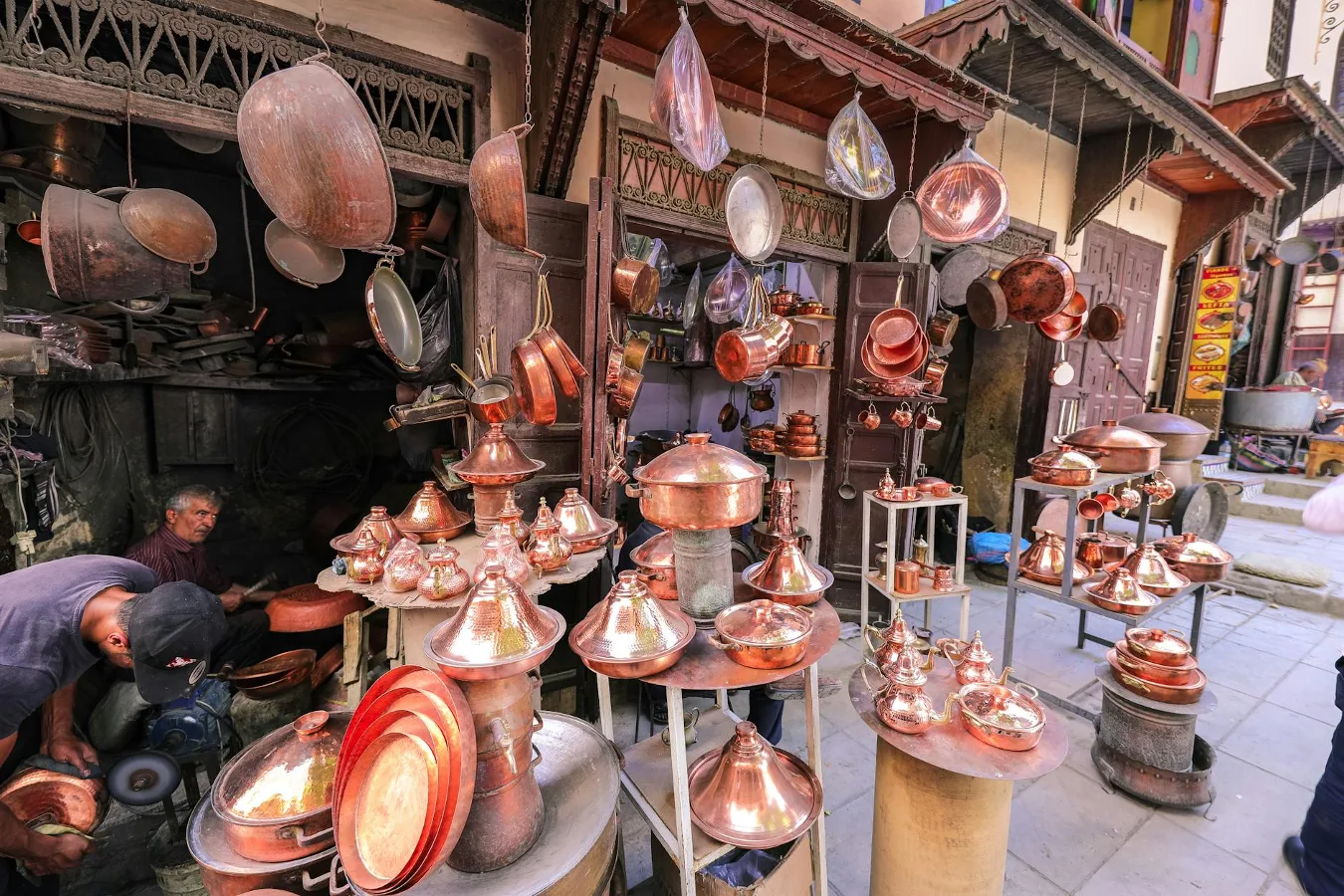
Brass cookware is usually best understood as a specialty or decorative choice rather than an everyday workhorse. Brass conducts heat well enough for certain uses, but its real-world value depends heavily on whether it is lined, what you plan to cook, and how much upkeep you are willing to accept. cookware materials comparison offers more detail on this point.
If you are comparing brass cookware to stainless steel, cast iron, copper, or aluminum, the main question is not whether brass looks appealing. It is whether the material, lining, and maintenance requirements match the way you actually cook. copper vs. brass cookware offers more detail on this point. antique copper cookware offers more detail on this point.
Where brass cookware fits in the kitchen
Brass has a long history in traditional kitchenware, serving pieces, and specialty vessels. In modern kitchens, it tends to show up in a few different ways: decorative pans, serving bowls, tea and coffee vessels, and occasional specialty cookware rather than standard saucepans or skillets.
The first thing to clarify is that pure brass is not typically the same thing as a fully finished, ready-for-all-purpose cooking surface. Many brass pieces are designed to be displayed, used for serving, or used with an interior lining. That lining matters far more than the shiny outer surface.
A common misconception is that any attractive metal pot is automatically suitable for regular cooking. With brass, that assumption can lead to disappointment. The material may tarnish, react with certain foods, or require extra care that makes it impractical for busy households.
Key factors to evaluate before buying
Food contact and lining
The most important question is whether the brass cookware is lined. For many brass pieces, especially those intended for cooking, the interior may be lined with another material such as tin or stainless steel. That lining determines how the cookware behaves with acidic foods, how easy it is to clean, and how much chemical interaction you need to worry about.
If a brass vessel is unlined, treat it as a specialty item that may not be appropriate for everyday cooking. Acidic ingredients such as tomato, citrus, vinegar, and wine can be a poor match for reactive metals, and that includes many brass surfaces. If the product description does not clearly explain the lining, that is a warning sign.
Heat behavior
Brass is known for responding quickly to heat changes, which can be useful in controlled cooking. But good heat response is only helpful if the pan is built well and the heat source is compatible. On many stovetops, especially those used for everyday family cooking, stability and even performance matter more than fast response alone.
For buyers, this means brass cookware should be judged by the whole construction, not just the alloy name. A thin, decorative brass vessel may not distribute heat as evenly as a more practical stainless steel or cast iron option. If you want predictable results, the base construction and lining are just as important as the outer material.
Maintenance and appearance
Brass develops a patina over time, which some people see as character and others see as upkeep. If you want cookware that stays bright and polished, brass may ask for more maintenance than you expect. If you prefer a lived-in look, the aging process may actually be part of the appeal.
This is one of the biggest overlooked considerations: brass can be attractive, but aesthetic appeal and daily convenience do not always align. A piece that looks beautiful on a shelf may become frustrating if it needs frequent polishing, careful drying, or special cleaning habits.
Safety and suitability for food
With any brass cookware, safety depends on construction and intended use. That is why buyers should look for clear product details about interior lining, food-contact surfaces, and recommended uses. If the listing is vague, assume you need to investigate further before using it for direct cooking.
For practical home use, lined brass is generally the more sensible option. It gives you the visual character of brass while reducing direct contact between food and the base metal. Unlined brass may still have a place in serving, decor, or specialty preparation, but it is much less versatile.
Practical ways to decide if brass is right for you
The best way to evaluate brass cookware is to start with the job, not the material.
- Choose brass if you value presentation and want cookware that can double as a display piece or serving item.
- Choose brass if you are buying for specialty use, such as traditional recipes, tea service, or occasional low-intensity cooking.
- Choose brass only if the lining is clearly specified and matches the foods you plan to make.
- Choose another material if you want low-maintenance cookware for daily meals, frequent washing, and quick cleanup.
For most households, brass is a supplemental material rather than a core one. It may be a good fit for a curated kitchen, a heritage-inspired cooking setup, or a piece used for serving and occasional use. It is less compelling if you need one pan that can do almost everything.
Comparison with common alternatives
Stainless steel is usually the easiest comparison point. It is low-maintenance, widely available, and practical for daily cooking. If convenience matters most, stainless steel usually wins.
Copper is often discussed alongside brass because both metals are visually distinctive and associated with traditional cookware. Copper is often prized for heat responsiveness, but it also brings maintenance and lining considerations. Brass may be chosen more for appearance or specific tradition than for all-around performance.
Cast iron suits buyers who want strong heat retention and a durable cooking surface. It is heavier and requires care, but it is often more practical than brass for regular stovetop or oven use.
Aluminum and nonstick cookware are more utilitarian options. They rarely offer the visual appeal of brass, but they are usually simpler for everyday kitchens.
Common mistakes people make with brass cookware
One mistake is assuming all brass cookware is meant for direct cooking. Another is buying based on appearance without checking whether the interior is lined. A third is overlooking cleaning requirements, especially if the piece is polished brass with a finish that needs gentle handling.
People also underestimate how often cookware is used for acidic foods. A pot that seems fine for simmering water or serving soups may not be the right choice for tomato-based dishes or long braises if the interior surface is not appropriate.
Finally, some buyers focus only on the look of the cookware and ignore storage. Brass can scratch, tarnish, or lose its finish if it is tossed into a crowded cabinet with heavier pots and pans. If you want it to keep its appearance, storage matters more than many product listings suggest.
How to care for brass cookware
Care depends on whether the cookware is lined, unlined, polished, or intentionally patinated. Because products vary, the safest approach is to follow the maker’s instructions first. In general, brass benefits from gentle cleaning, immediate drying, and avoiding harsh abrasives unless the manufacturer recommends them.
If the piece is decorative or display-focused, polishing may be part of regular upkeep. If it is meant for functional use, preserving the lining and avoiding damage to the interior are more important than keeping the exterior mirror-bright.
Do not assume that “metal cookware” means all cleaning methods are interchangeable. Brass can be more sensitive than stainless steel, and aggressive scrubbing can remove finishes or make the surface look uneven.
When brass cookware makes sense
Brass cookware makes the most sense when the buyer has a specific reason for choosing it: tradition, presentation, specialty use, or a particular lining and construction that fits the task. It is also a good fit if you enjoy maintaining beautiful kitchen pieces and are comfortable treating cookware as part tool, part decor.
It makes less sense if your top priorities are speed, simplicity, dishwasher-friendly cleanup, or a broad all-purpose cooking setup. In that case, more standard materials usually offer better day-to-day value.
A practical rule: if you are trying to build a working kitchen from scratch, start with proven everyday materials first. Add brass later if you want a special-purpose piece or a display-worthy accent.
Brass cookware buying checklist
- Confirm whether the piece is lined and identify the lining material.
- Check whether it is intended for cooking, serving, or display.
- Review care instructions for polishing, washing, and drying.
- Think about the foods you cook most often, especially acidic dishes.
- Compare it with stainless steel, copper, or cast iron for your actual use case.
- Consider storage and how much cosmetic upkeep you are willing to do.
FAQ
Is brass cookware safe for cooking?
It depends on the construction. Lined brass is generally more suitable for cooking than unlined brass, especially when foods may be acidic. Always check the product details and intended use.
Can brass cookware be used on modern stovetops?
Sometimes, but compatibility depends on the specific item and its base construction. A product designed for cooking should state the heat source it supports. Do not assume all brass pieces work the same way.
Does brass cookware need special cleaning?
Often, yes. Brass may require gentler cleaning than stainless steel and may also need periodic polishing depending on the finish. The exact care routine depends on the product and whether it is meant to stay bright or develop patina.
What is brass cookware best used for?
It is often best for specialty cooking, serving, or decorative kitchen use. It can also work for certain lined cookware applications if the construction is clearly food-safe and appropriate for the foods you plan to make.
Is brass better than copper cookware?
Not necessarily. They serve different priorities. Copper is often discussed for responsiveness, while brass is frequently chosen for appearance or traditional appeal. The better choice depends on lining, maintenance, and how you cook.
Brass cookware can be a worthwhile purchase, but only when you treat it as a specific tool rather than a universal one. If you check the lining, understand the upkeep, and match the piece to a realistic use case, you are much more likely to end up with cookware that is useful instead of merely attractive.