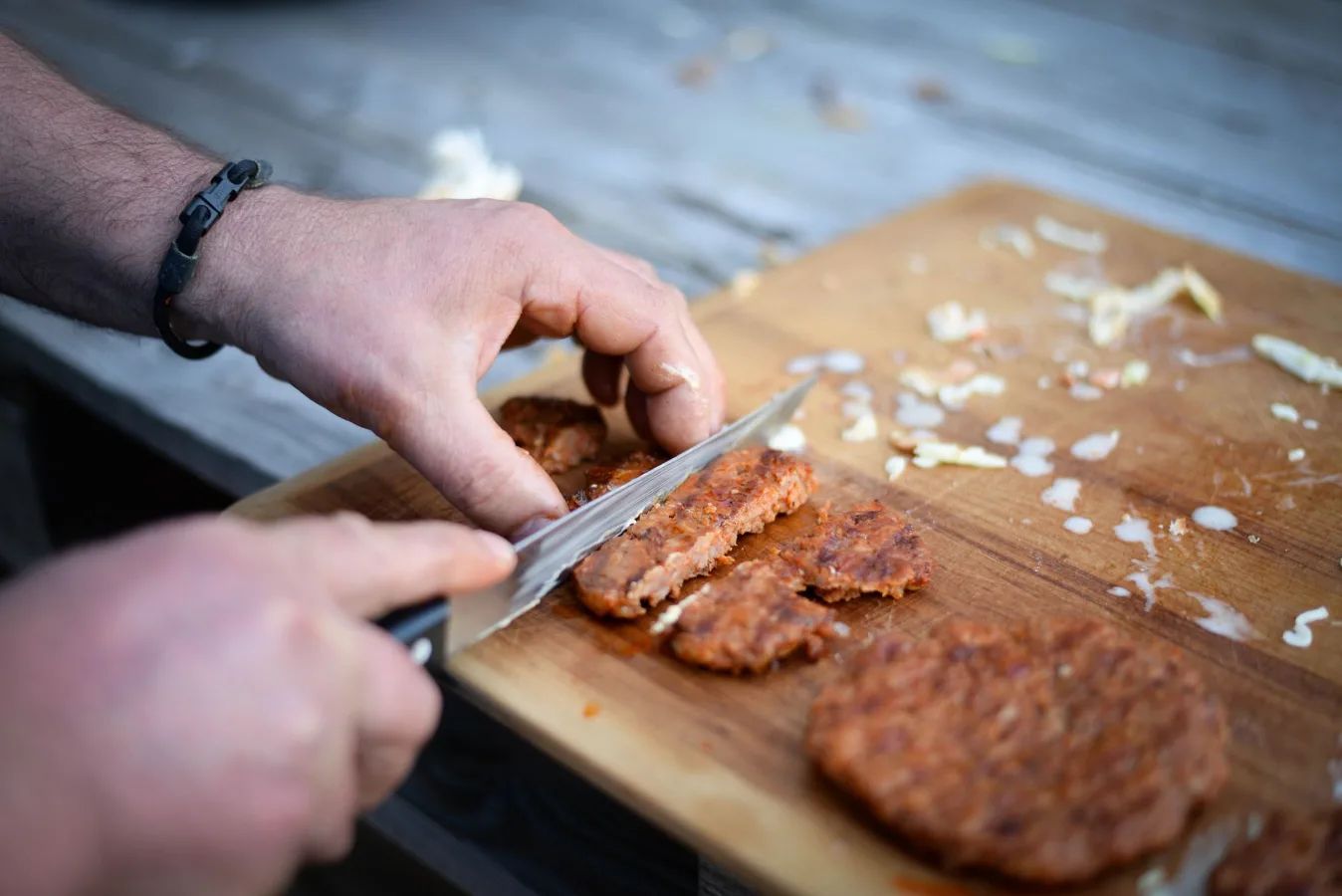
Who a BBQ knife set is really for
A BBQ knife set makes the most sense for cooks who regularly trim brisket, slice roasts, carve ribs, or handle large cuts of meat before serving. It can also be a smart purchase for anyone building a more focused grilling setup and wants tools that feel better suited to barbecue than a random mix of general kitchen knives. smeg knife set offers more detail on this point.
The key difference is purpose. A typical kitchen knife set tries to cover many tasks. A BBQ-focused set usually leans toward long slicing blades, carving knives, and prep knives that help with trimming fat, portioning meat, and serving clean slices. If that sounds like your routine, a dedicated set can feel more efficient and less awkward than making do with mismatched tools.
If you cook barbecue only a few times a year, a full set may be more than you need. In that case, a few well-chosen knives can be more practical than a large bundle with tools you rarely touch.
What matters most in a BBQ knife set
The best BBQ knife set is not necessarily the one with the most pieces. For barbecue work, the most useful features are usually blade shape, sharpness, handle control, steel quality, and how easy the set is to maintain.
Blade shape and length
Blade shape affects how cleanly you can slice through smoked meats. A longer slicing or carving knife helps reduce sawing, which matters when you want neat slices from brisket, turkey, or pork roast. A narrower blade also releases food more easily, so the meat is less likely to drag or tear.
For prep work, a chef knife or utility knife can help trim fat, cut vegetables, and handle the less dramatic tasks that still come with barbecue. Some sets include specialty blades, but not every specialty knife earns its keep. A practical set usually balances one or two primary carving blades with a versatile prep knife.
Steel and edge retention
Steel choice affects how often you need to sharpen the knife and how forgiving it is in daily use. In general, you want a blade that holds an edge well without becoming difficult to maintain. For many home cooks, that balance matters more than chasing a hard-to-define “premium” label. knife block sets for home cooks offers more detail on this point.
Edge retention is especially useful for barbecue because large cuts can take time to trim and slice. A knife that dulls quickly can make the job feel rough and imprecise. On the other hand, very hard steel can be less forgiving if you are not comfortable with careful sharpening and storage habits.
Handle comfort and control
BBQ prep often involves longer sessions than ordinary weeknight cooking. That makes handle comfort a real decision factor, not a minor detail. A handle should feel secure when your hands are dry, and still manageable if they become a little slick from meat juices or cleanup.
Look for a shape that encourages a stable grip and a balance point that does not feel blade-heavy or awkward. A knife that feels fine for a quick test can still become tiring during a full brisket trim. This is one of the most overlooked considerations in knife buying, especially for people who focus mostly on blade material.
Grip texture and safety
Good grip matters because barbecue work often involves repetitive motion and occasional greasy hands. A smooth handle may look sleek, but texture and contour can improve confidence during slicing. Safety is not only about a sharp edge; it is also about how well the knife stays under control when your pace picks up.
Common BBQ knife set formats and what they do well
Not all barbecue knife sets are built the same. Some are simply kitchen sets with a carving knife included. Others are more focused and better aligned with meat-heavy cooking.
- Carving-focused sets: Usually the best fit if you mainly slice brisket, roast, turkey, or large cuts of meat.
- Prep-and-serve sets: Useful if you want one set for trimming, slicing, and plating without moving between different tools.
- Broader knife block sets: Better for general kitchen use, though they may include items that are not especially useful for barbecue.
- Specialty barbecue kits: Often include carving knives, slicing knives, tongs, and related tools, but quality can vary widely from piece to piece.
A common misconception is that more knives automatically means more value. For barbecue, a smaller set with the right blade shapes can be more useful than a larger package padded with duplicates or rarely used extras.
Material and build choices that affect real use
The most useful material questions are not about marketing language; they are about how the knives behave in real cooking. Think about maintenance, comfort, resistance to staining, and how the set will age with regular use.
Stainless steel versus other blade materials
Many BBQ knife sets use stainless steel because it is generally easier to care for and more resistant to corrosion than more demanding alternatives. That matters in barbecue environments, where knives may be exposed to moisture, grease, and frequent washing. care guide for stainless steel cutlery offers more detail on this point.
Different stainless steels can perform very differently, so the category alone does not tell the whole story. Still, for most home cooks, stainless steel offers a practical balance of durability and maintenance. If you want something easier to live with, that is usually a sensible place to start.
Full tang and balance
A full tang is often associated with sturdier construction, though the overall build matters too. Balance can affect how steady the knife feels in your hand during longer prep sessions. A well-balanced knife can reduce fatigue and make slicing feel more controlled.
For a BBQ knife set, balance is especially important in carving knives and slicing blades, because those are often used in longer strokes. If the knife feels clumsy, you may work harder than necessary just to keep slices even.
Hygiene and cleaning practicality
Barbecue prep can be messy. A set that is easy to clean and dry is usually more valuable than one that looks impressive but requires fussy care. Smooth transitions between handle and blade can make cleanup easier, though design choices vary widely.
Dishwasher-safe claims deserve caution. Even when a knife can technically survive the dishwasher, hand washing is often the safer choice for preserving edge quality and handle condition. That is not a glamorous detail, but it matters if you want the set to hold up over time.
Choosing based on your buyer scenario
The best BBQ knife set depends on how you cook.
- For the occasional backyard host: A modest set with a reliable carving knife, a prep knife, and simple storage is often enough.
- For brisket and smoked-meat cooks: Prioritize a long slicing blade, a trimming knife, and comfortable handles for extended use.
- For mixed kitchen and grill use: Look for a set that can handle both barbecue tasks and everyday chopping without feeling specialized to the point of being limited.
- For gift buyers: Presentation matters, but useful blade selection matters more. A neat case or block is nice only if the knives themselves are practical.
This is where trade-offs become obvious. A highly specialized BBQ set may be excellent for slicing brisket but less useful for weeknight cooking. A broader kitchen set may be more versatile but less satisfying for meat-heavy prep. Picking the wrong type is one of the easiest ways to end up with expensive tools that stay in the drawer.
What to compare before you buy
If you are comparing BBQ knife sets, focus on a few concrete questions rather than getting distracted by piece count.
| What to compare | Why it matters | Practical note |
|---|---|---|
| Blade length | Longer blades can make slicing cleaner and more efficient | Useful for brisket, roasts, and turkey |
| Blade shape | Affects how the knife moves through meat | Thin, narrow blades are often better for slicing |
| Handle comfort | Reduces fatigue during longer prep sessions | Test the grip shape in your mind, not just the look |
| Steel type | Influences maintenance and edge retention | Choose a balance that fits your sharpening habits |
| Storage | Protects edges and improves safety | Block, case, or sheath all have trade-offs |
| Included pieces | Determines how useful the set will be beyond slicing | Only pay for tools you expect to use |
One practical nuance: storage is part of the knife set, not an afterthought. A good blade that is stored loosely in a drawer will dull faster and can become a safety issue. If the set does not include a sensible storage option, plan for one.
Trade-offs worth thinking through
Every BBQ knife set involves trade-offs, and the best choice depends on what you value most.
Specialized versus versatile: Specialized sets can be excellent for slicing and carving but less helpful for general kitchen jobs. Versatile sets are more flexible, though they may not feel as purpose-built for barbecue.
Price versus maintenance: A more refined blade often comes with more care expectations. If you do not want to sharpen often or baby your knives, a simpler set may be a better fit.
Appearance versus function: Some sets look impressive in a product photo but offer little advantage in the hand. That is especially true with oversized blocks or decorative extras that do not improve performance.
Large set versus smaller set: More pieces can create more clutter. If you already own a good chef knife and paring knife, a BBQ-specific carving knife may be all you need.
Common mistakes to avoid
- Buying for looks first: A polished block or matching handles do not guarantee useful blades.
- Ignoring blade length: A short knife can make large cuts harder to slice cleanly.
- Overlooking grip comfort: A handle that feels fine for a minute may become tiring during longer prep.
- Choosing too many specialty pieces: Extra tools can add clutter without adding value.
- Forgetting storage: Poor storage shortens edge life and raises the risk of accidents.
- Assuming all stainless steel is equal: Material categories are broad; build quality still matters.
Better alternatives if a full BBQ knife set is too much
A full set is not always the best answer. If your barbecue routine is fairly simple, a smaller tool selection may serve you better.
- One carving knife and one chef knife: Often enough for most home barbecue tasks.
- A slicing knife plus a utility knife: Good for people who focus on presentation and clean serving cuts.
- A quality general kitchen knife set: Better if you cook a wide range of meals and only barbecue occasionally.
- Individual specialty knives: A useful route if you already own basics and only need one missing tool.
This alternative approach can save space, reduce duplication, and make sharpening and storage easier. It is often the smarter path for cooks who do not want to maintain a large cutlery collection.
What to do next
Start by matching the set to your actual barbecue habits. If you trim large cuts often, focus on blade length, slicing control, and comfort. If you mostly serve finished barbecue, prioritize clean carving and easy handling. If you want a knife set that works in both the kitchen and at the grill, look for a balanced mix of carving and prep tools rather than a collection built around novelty.
Before buying, compare the knives you will truly use, think through storage, and be honest about maintenance. That simple filter removes a lot of unnecessary options and makes the remaining choices easier to judge.
A BBQ knife set should make meat prep feel smoother, cleaner, and less improvisational. If it does that without adding clutter or maintenance you do not want, it is probably the right set for your kitchen.