If you’re searching for Agio outdoor furniture, you’re usually trying to narrow down a patio purchase, not just learn the brand name. The real question is whether Agio’s style, materials, and set configurations fit your space, climate, and how you plan to use your outdoor area.
Agio is commonly associated with patio dining sets, deep seating, sectionals, chairs, and other backyard furniture built for everyday outdoor living. For shoppers, the decision usually comes down to a few practical factors: frame material, cushion comfort, maintenance, weather exposure, and whether the set matches the size of the space.
Who Agio Outdoor Furniture Makes Sense For
Agio outdoor furniture is best approached as a category of patio furnishings rather than a single buying decision. That matters because the right choice depends less on the brand label and more on the use case.
This kind of furniture tends to make sense for buyers who want a coordinated look without piecing together individual items from multiple sources. It can also appeal to people furnishing a full patio, deck, screened porch, or backyard seating area where visual consistency matters.
It may be a good fit if you want:
- A complete dining or seating setup instead of one-off pieces
- Materials that are meant for outdoor use, not indoor repurposing
- A cleaner, more finished look for a patio or garden space
- Furniture that balances comfort with relatively simple care
It may be a weaker fit if you prefer highly customized modular pieces, very lightweight furniture you can move constantly, or the lowest-cost possible option regardless of long-term upkeep.
The First Decision: Dining, Conversation, or Sectional
Before comparing finishes or cushion fabrics, decide what the furniture needs to do. This is the most common mistake shoppers make: they start with style and end up buying the wrong configuration.
Choose dining furniture if meals are the priority
Outdoor dining sets work best if you plan to eat outside regularly, host weekend dinners, or need a table for drinks and side dishes. The key factors are table size, chair comfort, legroom, and how easily the setup fits under a covered patio or umbrella.
Choose deep seating if comfort and lounging matter more
Deep seating sets are a better fit for relaxing, reading, or entertaining for longer stretches. They usually feel more like living room furniture adapted for outdoors. That comfort can come with a trade-off: more cushion care and more surface area to keep clean and dry.
Choose a sectional if you want flexible social seating
A sectional can make sense for larger patios or corner layouts because it naturally defines a gathering area. The drawback is that sectionals are less forgiving in small or narrow spaces, and they can be harder to reposition once installed.
Material and Frame Factors That Matter
For outdoor furniture, the frame material often matters more than the finish. A handsome set can still be frustrating if it’s difficult to maintain or not suited to your weather conditions.
Aluminum frames: practical and easy to live with
Aluminum is often favored for outdoor furniture because it is lightweight and generally easier to move than heavier metals. That can be useful if you rearrange furniture seasonally or need to store pieces during bad weather.
The trade-off is that lighter furniture may feel less substantial in very windy areas. If your patio is exposed, weight, foot placement, and the overall design become more important.
Woven or wicker-style furniture: popular, but check the construction
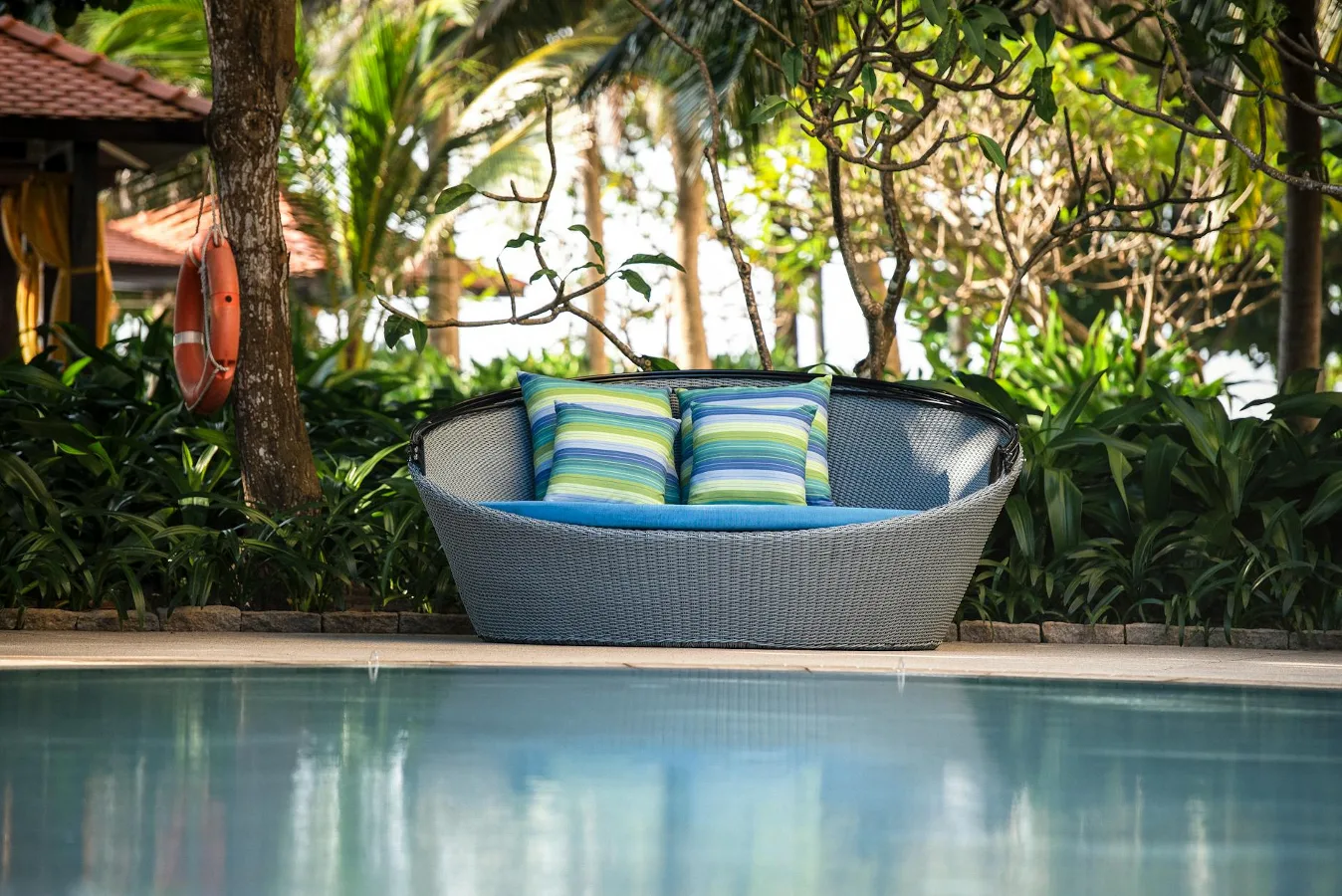
Wicker-style outdoor furniture remains popular because it brings texture and a softer visual profile to a patio. The important distinction is between the weave look and the frame underneath it. A good-looking weave is not enough on its own; the underlying frame and weave quality are what influence durability and maintenance.
This is one of the easiest areas to misread online. Shoppers often focus on the appearance of the weave and cushion color, while the real long-term concerns are frame stability, cleaning, and how the furniture will behave in sun, rain, and seasonal storage.
Powder-coated finishes and rust resistance
Outdoor frames often rely on coatings to improve weather resistance. That does not make furniture maintenance-free, but it can help reduce everyday wear. If you live in a damp climate, near salt air, or in a location with a long outdoor season, finish quality deserves real attention. riding lawn mower repair near me offers more detail on this point.
Look closely at product descriptions for terms like rust-resistant, weather-resistant, or all-weather, but treat them as starting points rather than guarantees. Outdoor furniture still needs protection, especially if it stays uncovered.
Cushions, Fabrics, and Real-World Comfort
Comfort is not just about seat depth. It depends on cushion thickness, fabric texture, back support, and how the furniture feels after a few months of use rather than on day one.
For many buyers, cushions are the part that create the biggest difference between a patio set that gets used and one that mostly sits there. A deep-seating frame with flimsy cushions can feel less comfortable than a simpler chair with better support.
Useful things to evaluate:
- Cushion storage: Will you bring them inside after use, or leave them outside?
- Fabric care: Can covers be removed, or do they need spot cleaning?
- Drying time: How quickly can the cushions recover after rain or humidity?
- Color choice: Lighter colors can feel fresh but may show dirt more easily
One overlooked consideration is how often you actually want to manage cushions. If you prefer a low-maintenance patio, a furniture set with heavy or highly absorbent cushions may create more routine work than expected.
Size, Layout, and Space Planning
Agio outdoor furniture should be chosen with the actual space in mind, not the imagined space from a catalog photo. This is especially important for buyers furnishing decks, balconies, screened porches, and smaller patios.
Measure the area with circulation in mind. You need room not just for the furniture footprint, but also for chair pullback, walking paths, and access to doors, grills, or planters. A set can technically fit and still feel cramped in daily use.
For compact areas, look for:
- Armless chairs or slimmer profiles
- Smaller round tables instead of oversized rectangles
- Stackable or movable pieces
- Furniture that leaves open sight lines
For larger patios, a bigger sectional or dining arrangement can help the space feel intentional rather than underfurnished. The key is proportion. Too-small furniture can look lost outdoors, while too-large furniture can make movement awkward.
Weather Exposure and Location Suitability
Outdoor furniture does not live in the same conditions everywhere. A covered porch, an open deck, and a coastal backyard all place different demands on the materials.
If your furniture will sit under cover most of the time, you have more flexibility. You may be able to prioritize comfort and style without pushing weather resistance to the maximum.
If the set will be exposed to sun, rain, or wide temperature swings, shift your attention toward:
- Frame finish and corrosion resistance
- Cushion drying and storage needs
- Fade resistance in fabrics and woven surfaces
- How easy it is to use protective covers
Here’s a practical nuance that gets missed: furniture labeled for outdoor use can still vary widely in how much upkeep it requires. The label tells you the category. It does not tell you how much routine care you’ll need to keep it looking good.
Style Versus Maintenance: The Trade-Off
Many Agio outdoor furniture collections are chosen because they look coordinated and polished. That has value, especially if your patio is part of the home’s living area rather than a purely utilitarian space. But a more finished look often comes with more parts to care for.
Sleeker metal frames may be easier to wipe down. Woven seating can add texture, but the weave pattern may collect dust or debris in a way simple frame seating does not. Cushioned sets feel more inviting, but they require more attention during wet weather and off-season storage.
If your priority is a low-maintenance setup, look for:
- Simple frame shapes
- Fewer loose components
- Materials that are easy to rinse or wipe clean
- Designs that still look presentable with minimal accessory styling
If your priority is a lounge-like outdoor room, accept that the furniture will likely need more upkeep. That is not a flaw; it is part of the category.
Common Mistakes Buyers Make
A lot of disappointment with patio furniture comes from mismatched expectations rather than poor product selection alone. A few mistakes show up again and again.
- Choosing by photos only: Outdoor furniture can look larger, softer, or more substantial online than it will in your space.
- Ignoring maintenance habits: A set that needs regular cushion care is not ideal if you want something truly hands-off.
- Overlooking storage: If you do not have room to store cushions or covers, daily upkeep becomes more important.
- Underestimating wind and exposure: Lightweight pieces may need securing or more frequent repositioning.
- Mixing styles without a plan: A cohesive look usually works better than trying to force every patio piece into one space.
Another common misconception is that all outdoor furniture in the same category performs similarly. In reality, the details behind the frame, weave, cushions, and finish can make two similar-looking sets feel very different in day-to-day use. what to look for in outdoor cushions offers more detail on this point.
Good Alternatives If Agio Is Not the Right Fit
Sometimes the best decision is to use Agio outdoor furniture as a benchmark rather than a final choice. If the overall style is close but the details are off, compare against other patio furniture styles instead of settling too quickly.
Alternatives worth considering include:
- Modular aluminum seating: Good for flexibility and easy rearrangement
- Teak or hardwood patio furniture: Often chosen for a more natural look, but generally requires more care
- Sling seating: A lighter, lower-maintenance option for dining areas
- Simple metal bistro sets: Useful for smaller patios, balconies, or secondary seating zones
The right alternative depends on whether your priority is comfort, ease of care, visual warmth, or space efficiency. A high-end look is not the same thing as the best practical choice.
What to Check Before You Buy
Before you make a final decision on Agio outdoor furniture, use a short checklist to keep the purchase grounded in how you’ll actually use it.
- Measure the available space and allow for movement around the furniture.
- Decide whether the main use is dining, lounging, or flexible entertaining.
- Check the frame material and finish for your climate and exposure level.
- Review cushion care requirements and storage expectations.
- Think about whether the set will live under cover or fully exposed.
- Compare the look of the furniture with the rest of your outdoor area, including flooring, railings, and plants.
If you are comparing multiple patio sets, weigh the long-term maintenance burden as seriously as the style. Outdoor furniture gets used in weather, not just admired in a showroom setting.
Next Steps for Smarter Shopping
If Agio outdoor furniture is on your shortlist, the smartest next step is to narrow the choice by use case. Start with the layout of your space, then filter by material, cushion care, and how much seasonal upkeep you’re willing to handle. That approach usually leads to a better patio setup than shopping by appearance alone.
For a garden or backyard project, the best furniture is the one that fits the room, suits the climate, and feels comfortable enough to use often. That is where value really shows up over time.