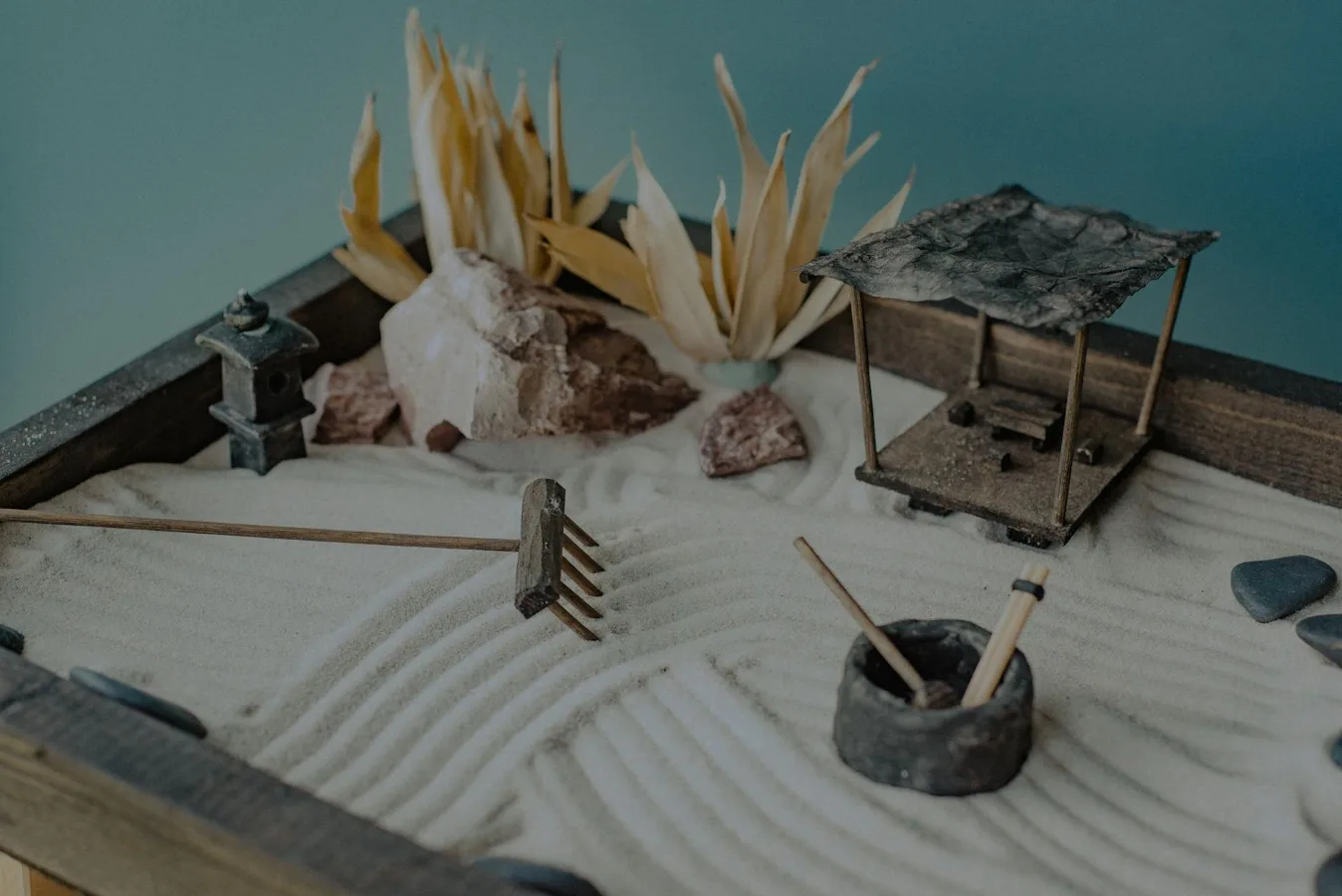
What miniature garden tools are for
Miniature garden tools are scaled-down hand tools made for precise work in small planting spaces. They are especially useful for fairy gardens, bonsai, terrariums, tabletop planters, seed trays, and compact containers where full-size tools feel awkward or too aggressive. beginner guide to bonsai offers more detail on this point. japanese garden tool offers more detail on this point. fairy garden accessories offers more detail on this point.
The main advantage is control. A smaller trowel, rake, scoop, or pair of scissors lets you move soil, place tiny plants, trim fine growth, and clean around roots without disturbing the whole arrangement. That matters most in setups where space is limited and each plant sits close to the next.
They are not just decorative versions of regular garden tools. The best miniature tools are chosen for access, precision, and comfort in small-scale planting tasks. If you are working with delicate stems, narrow pots, or dense surface planting, the right size can make the work easier and reduce accidental damage.
When miniature tools matter most
Miniature garden tools are worth considering whenever a normal hand tool is too broad, too heavy, or too blunt for the job. They are most useful in situations where the planting area is shallow, the roots are tight, or the arrangement needs careful shaping.
- Fairy gardens: Tiny decorative plantings often need soil smoothing, moss placement, and careful positioning around accessories.
- Bonsai: Root work, top dressing, and fine pruning benefit from smaller, more controlled tools.
- Terrariums: Narrow glass openings call for long, slim tools that can reach without crushing plants.
- Succulent trays and shallow bowls: Small scoops and narrow trowels help with drainage layers and precise planting.
- Seed starting: Gentle handling matters when transplanting seedlings or adjusting soil around fragile roots.
- Indoor plant maintenance: Mini tools can help loosen topsoil, remove debris, and prune compact foliage in tight pots.
They are less useful for heavy digging, large containers, or rough ground. If your work involves clay soil, deep beds, or repeated outdoor digging, standard hand tools are usually the better choice.
How to choose the right miniature garden tools
The best set depends less on appearance and more on how you garden. A useful buyer’s approach is to match the tool to the plant, the container, and the kind of touch the task requires.
1. Match the tool size to the opening and planting depth
A tool that is too wide can compact soil in a small pot or make it difficult to reach a corner. In terrariums and narrow planters, slim heads and long handles are often more practical than bulky designs. For shallow bowls or tabletop gardens, very small tools may give you better control than standard hand tools cut down to size.
Think about the narrowest access point first. If you cannot comfortably insert the tool without bumping nearby plants or decorations, it will probably slow you down more than it helps.
2. Choose materials based on use, not just appearance
Miniature garden tools are commonly made from stainless steel, carbon steel, aluminum, wood, bamboo, or plastic. Each material has trade-offs.
- Stainless steel: A practical choice for rust resistance and easy cleanup, especially if you use tools near water or in humid terrariums.
- Carbon steel: Often chosen for strength and sharper edges, but it usually needs more care to prevent corrosion.
- Aluminum: Lightweight and easy to handle, though not always the best for tougher tasks.
- Wood or bamboo handles: Comfortable and attractive, but they may need gentler cleaning and dry storage.
- Plastic parts: Light and affordable, though they can feel less precise for detailed work.
For most buyers, rust resistance and easy maintenance matter more than decorative details. Tiny tools can be easy to misplace, so a finish that holds up after repeated cleaning is a real advantage.
3. Look closely at grip comfort
Mini tools are small by design, but they should still feel steady in the hand. Thin handles can be precise, yet they may also fatigue your fingers if you do longer planting sessions. This is a common oversight: buyers focus on the tool head and forget that the handle affects control just as much.
If you have larger hands, arthritis, or reduced grip strength, look for a handle shape that gives you something to hold without squeezing too tightly. For detailed work, a tool can be tiny at the working end while still offering a more usable handle length.
4. Decide whether you need a full set or just a few essentials
Many sets include a mini trowel, rake, spade, scoop, pruning scissors, and sometimes a spray bottle or tweezers. That can be helpful if you are starting from scratch, but it is easy to pay for pieces you rarely use.
If you mainly work in one type of setup, a smaller selection may be smarter. For example, a terrarium owner may prioritize long-handled planting tools and trimming scissors, while a bonsai hobbyist may care more about fine cutters, root hooks, and small brushes. A fairy garden builder may use a scoop, rake, and detail brush more often than pruning tools.
5. Consider cleaning and storage before you buy
Small tools are easy to lose and easy to forget in a watering tray, pot, or drawer. That makes storage part of the purchase decision. Look for sets that come with a pouch, roll, case, or hanging option if organization matters to you.
Cleaning is just as important. Soil trapped in joints or around tiny blades can shorten the life of the tool and make it less pleasant to use. Tools with simple shapes are usually easier to rinse and dry than highly decorative ones with many seams or attachments.
Common types of miniature garden tools and what they do
Understanding the usual tool types can help you avoid buying a set that looks complete but does not suit your actual plants.
- Mini trowel: Useful for scooping soil, transplanting, and forming planting holes in small containers.
- Mini rake: Helpful for leveling soil, loosening the top layer, and tidying decorative surfaces.
- Mini spade: Good for controlled digging and moving soil in tight areas.
- Mini scoop: Handy for adding potting mix, gravel, or decorative top dressing.
- Precision scissors or snips: Better for deadheading, trimming fine stems, and shaping compact plants.
- Tweezers or planting forceps: Useful for placing moss, seedlings, pebbles, or tiny decor pieces.
- Brushes: Often used for cleaning leaves, removing debris, or smoothing topsoil in bonsai and terrariums.
Not every gardener needs every tool. The right mix depends on whether your work is mostly planting, trimming, arranging, or maintenance.
Practical trade-offs to keep in mind
Miniature garden tools solve a specific problem, but they come with limitations.
Precision versus power: Small tools are excellent for detail work, but they are not built for heavy soil or stubborn roots. If you try to use them like regular digging tools, they can bend, feel unstable, or simply take too long.
Control versus speed: They can slow down larger jobs. That is not a flaw if your project is tiny, but it becomes frustrating if you regularly switch between small containers and full-size beds.
Compact storage versus easy handling: Short handles and slim profiles are convenient to store, but they may be harder to grip for longer sessions.
Decorative design versus durability: Some miniature tool sets are made to look charming on a shelf. Those may be fine for light hobby use, but appearance alone is not a substitute for sturdy construction.
A good buying decision comes from understanding what you need most: precision, comfort, durability, or portability. Few sets do all four equally well.
Examples of good fits by use case
For fairy gardens
Choose a small scoop, narrow trowel, and tiny rake. These are usually enough for arranging soil, adding moss, and shaping the surface around figures or miniature paths. A brush can also help with cleanup after planting.
For bonsai
Look for tools that support fine work rather than broad digging. Scissors, tweezers, small brushes, and root-friendly tools are often more practical than decorative novelty sets. Comfort matters here, since bonsai care can involve frequent, careful adjustments.
For terrariums
Longer slim tools are often more useful than very short ones because they help you reach inside glass containers without damaging plants. Tweezers, narrow scoops, and slim rakes are common favorites for this reason.
For indoor pots and seed trays
A simple mini trowel, scoop, and pruning scissors may be enough. These tools are useful when transplanting seedlings, loosening compacted topsoil, or trimming houseplants with dense growth.
Step-by-step checklist before you buy
- Identify the main task: Planting, trimming, arranging, or cleaning?
- Measure the space: Check the opening, depth, and working room inside the container.
- Pick the right tool types: Buy only the shapes you will actually use.
- Choose a material that fits your care routine: Rust resistance and easy cleaning matter for frequent use.
- Check the handle feel: Make sure the tool seems controllable, not just cute.
- Think about storage: A case or pouch can prevent damage and loss.
- Review maintenance needs: Decide whether you are willing to dry, oil, or wipe tools after use.
This checklist is especially useful because miniature garden tools are easy to buy on impulse and harder to evaluate once they are in your drawer. A well-matched set tends to feel indispensable; the wrong one becomes clutter.
Common mistakes buyers make
- Buying a full set without a use case: More pieces do not always mean better value.
- Ignoring hand comfort: A too-small handle can be awkward even if the tool head is right.
- Choosing style over function: Decorative sets may not hold up to regular soil work.
- Overlooking rust care: Tiny tools can corrode faster if they are stored damp.
- Using miniature tools for large tasks: They are specialized, not universal.
- Forgetting the container shape: Narrow jars, tall terrariums, and shallow trays all need different tool proportions.
Alternatives if miniature tools are not the right fit
If you do not need a dedicated mini set, a few alternatives may work better:
- Standard hand tools: Better for larger containers and outdoor beds.
- Long-handled terrarium tools: Useful when reach matters more than compact size.
- Household tweezers or small scissors: Sometimes enough for very light plant maintenance, though not a perfect substitute for gardening tools.
- Specialty bonsai tools: Better for serious bonsai work where precision and durability matter.
The right alternative depends on whether you are trying to save space, improve control, or reduce clutter. If your gardening is occasional and simple, a minimal kit may be more practical than a specialized collection.
Miniature garden tools FAQ
Are miniature garden tools only for decorative gardens?
No. They are also useful for bonsai, terrariums, seed trays, small indoor pots, and other compact growing setups where precision matters.
What should I buy first if I am just starting?
A mini trowel, small rake, and pruning scissors are a practical starting point for most small-space gardeners. Add tweezers or a scoop if your setup needs more detail work.
Do miniature tools replace regular garden tools?
Usually not. They complement full-size tools rather than replace them, especially if you also garden outdoors or work with larger containers.
Which material is easiest to maintain?
Stainless steel is often the most convenient choice for frequent use because it is generally easier to clean and less prone to rust than some other metals.
How do I keep tiny tools from getting lost?
Store them in a pouch, case, tray, or hanging organizer, and keep them near the space where you actually use them. Small tools disappear easily when they do not have a dedicated home.
Choosing tools that match the way you garden
The best miniature garden tools are the ones that fit your setup, not the ones that simply look complete. If you garden in small containers, build tiny landscapes, or care for delicate plants, a carefully chosen mini kit can make the work cleaner, easier, and more controlled.
Start with the tasks you perform most often, then choose the few tools that solve those tasks well. That approach usually gives better value than chasing a large set with every possible accessory.